
 |
| Part of a series on |
| 1980 Summer Olympics |
|---|
|
The United States led the 1980 Summer Olympics boycott to protest against the Soviet invasion of Afghanistan. More than 60 countries joined the boycott to varying degrees,[1] affecting athletes, fans, and international relations. The absence of so many competitors changed the outcomes of some events, led to alternative competitions, and influenced the 1984 Olympics, which the Soviets later boycotted.[2] The Soviet Union, which hosted the 1980 Summer Olympics in Moscow, and its satellite states later boycotted the 1984 Summer Olympics in Los Angeles.
Background
The Western governments first considered boycotting the Moscow 1980 Summer Olympics after the Soviet invasion of Afghanistan, discussing it at a December 20, 1979, NATO meeting.[3] Earlier in the mid-1970s, human rights groups had proposed Olympic boycotts to pressure the Soviet Union over human rights violations, but interest was limited.[4] The idea gained traction when Soviet dissident Andrei Sakharov called for a boycott in early January 1980.[5] President Jimmy Carter joined the appeal, setting a deadline for the Soviet withdrawal or warning of potential consequences, including a U.S. led Olympic boycott.[4] Canada also announced it would join the boycott if Soviet forces did not leave Afghanistan by February 20, 1980.[6] Carter proposed moving the Olympics to Greece permanently to avoid politicization, but the IOC rejected the idea.[7]
Geopolitical context
The boycott of the 1980 Summer Olympics occurred against the background of heightened Cold War tensions following the Soviet invasion of Afghanistan in December 1979. The United States government stated that participation in the Moscow Games conflicted with international opposition to the Soviet military intervention.[8] President Jimmy Carter linked the question of Olympic participation to the U.S. response to the invasion of Afghanistan.[9]
Decision to boycott
In January 1980, President Carter announced that the United States would boycott the Moscow Olympics unless Soviet forces withdrew from Afghanistan. The announcement prompted debate within the U.S. government, Congress, and the United States Olympic Committee, particularly regarding the consequences for athletes who had qualified for the Games.[10]
The United States subsequently encouraged allied and non-aligned countries to support the boycott. Some governments agreed to withdraw their teams, while others declined or adopted partial measures, resulting in varying levels of participation at the Games.[11] As part of these efforts, former heavyweight boxing champion Muhammad Ali undertook diplomatic visits to several African countries at the request of the Carter administration to advocate support for the boycott.[12]
International response
Soviet reaction and negotiation attempts
The Soviet government rejected calls to cancel or relocate the Games and continued preparations for the Moscow Olympics. Soviet officials described the boycott as political interference in sport and responded through diplomatic channels and state media.[9]
Diplomatic discussions involving the United States, the International Olympic Committee (IOC), and other governments took place in the months preceding the Games, but these did not result in a change to the U.S. decision to boycott.[8]
IOC reaction
The International Olympic Committee opposed the boycott, maintaining that the Olympic Games should remain independent of political disputes and expressing concern about the impact on athletes. The IOC did not formally sanction either participating or boycotting nations; however, it permitted athletes from some boycotting countries to compete under the Olympic flag rather than their national flags, subject to decisions made by individual national Olympic committees.[8]
Impact on athletes and on the Games
The boycott had a major impact on athletes, many of whom had trained their entire lives for the Olympics.[13] Some participated in alternative events such as the Liberty Bell Classic, which could not match the prestige of the actual Olympics.[14] The absence of top competitors changed event outcomes and the overall competition landscape.[15]
Some athletes competed despite their governments’ official stance, often under neutral flags. These examples show how personal ambition sometimes clashed with political pressure, resulting in a complex and uneven participation landscape.[5] President of the IOC Lord Killanin permitted National Olympic Committee (NOC)-qualified athletes to compete at the Games without their national flags or anthems (which allowed NOCs to send athletes in a non-national context), but this did not allow other individuals lacking NOC sanction to participate in the Games, as this was perceived by the IOC as a potential weakening of their authority.[16] Four competitors (including one athlete) from New Zealand competed independently and marched under their NOC flag because the government officially supported the boycott.[17] The athletes of 16 countries did not fly their national flags. Instead, Olympic flags were raised, and the Olympic Anthem replaced their national anthems at the medal ceremonies. There was one awards ceremony where three Olympic flags were raised, that being the men's individual pursuit in cycling.
At the opening ceremony's Parade of Nations, the 16 partially boycotting countries sent only a flag-bearer to march after the placard-bearer, without the rest of the delegation following the flag-bearer.[18]
Traditionally, the mayor of the previous host city (Montreal, Canada) hands over the Olympic flag, but Montreal Mayor Jean Drapeau was prevented from attending due to the boycott. Sandra Henderson and Stéphane Préfontaine, the final torchbearers at the previous games, participated in his place.
Closing ceremony protocol rules dictated that the flag of the next host should be raised, but the United States "strongly objected" to the IOC's plans to enforce this rule.[19] During the 83rd IOC Session just before the Games, IOC Director Monique Berlioux discovered a "loophole" where the French and English versions of the rules differed; one version stated to use the flag of the "country of the organizing city," while the other stated to use the flag of the "organizing city." Berlioux as well as Los Angeles Olympic Organizing Committee head Peter Ueberroth agreed to use the Los Angeles city flag instead.[20] The Olympic hymn was played in place of the United States national anthem.[21]
The Antwerp flag was received by an IOC member from the United States instead of the mayor of Los Angeles, Tom Bradley; there was no handover to Los Angeles ceremony at the closing.
Many athletes who had trained their entire lives were deeply affected by the boycott. Swimmer Jesse Vassallo reflected on the missed opportunity, recalling a conversation with President Jimmy Carter: “How would you have done in Moscow?” Vassallo answered, “I would have won two golds and a silver.” He remembered Carter’s pained reaction, highlighting the personal frustration of athletes sidelined for political reasons.[22]
At least five national teams participated at the Games under the Olympic flag rather than their respective national or NOC flags, as doing the latter would have denoted that their participation was officially sanctioned by their respective nations:[23]

Legacy of the boycott
While the political impact of the boycott was limited, it left a lasting impression on athletes and international sport.[24] Many athletes expressed frustration and disappointment, and the decision is often debated as a controversial political move.[25]
In April 1981, a Federal District court in Manhattan approved the settlement of two suits involving more than 9,000 Americans who were seeking refunds of payments they had made for trips to the Olympics that were canceled in wake of the boycott.
When the boycott was first announced, tour deposits of over 10 million dollars were refunded by the Russian Travel Bureau, the only agency authorized to book American tours during the Olympics. Although the Soviet Union kept about $7.2 million collected by the Bureau, they had agreed to set aside $1.8 million as credits to be paid back over five years.
Under the April 1981 settlement the remunerations were increased: Americans who had canceled their trips before 1 March 1980 were reimbursed a total 85 percent of their costs, while those who had canceled after that date were reimbursed 63 percent.[26]
Non-participating countries
Sixty-eight National Olympic Committees that were invited to the 1980 Summer Olympics, plus Qatar, did not participate for various reasons, including support for the boycott and economic reasons (Qatar's National Olympic Committee was recognized in February of that year, but not in time to assemble a delegation to be sent).[27]
Boxer Muhammad Ali traveled to Tanzania, Nigeria, and Senegal to unsuccessfully convince their leaders to join the boycott. He did, however, successfully convince the Kenyan government to do so.
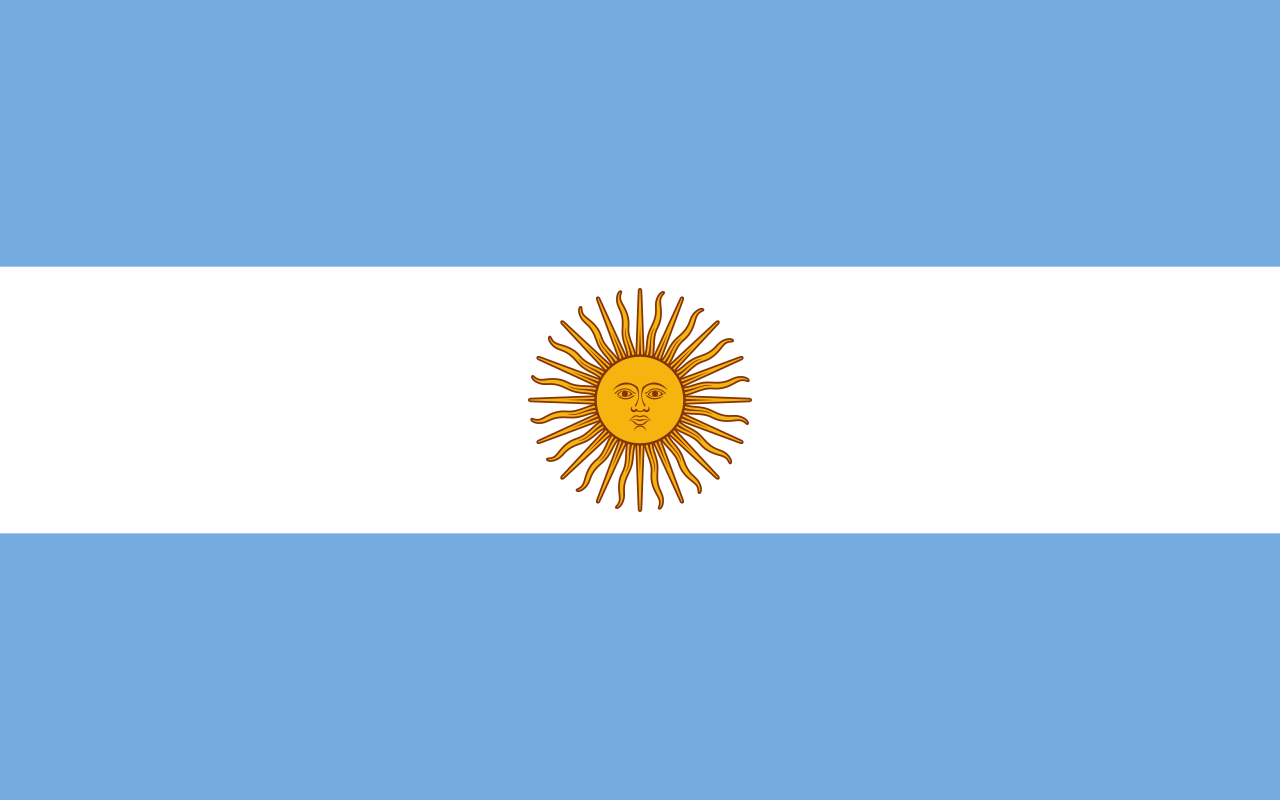
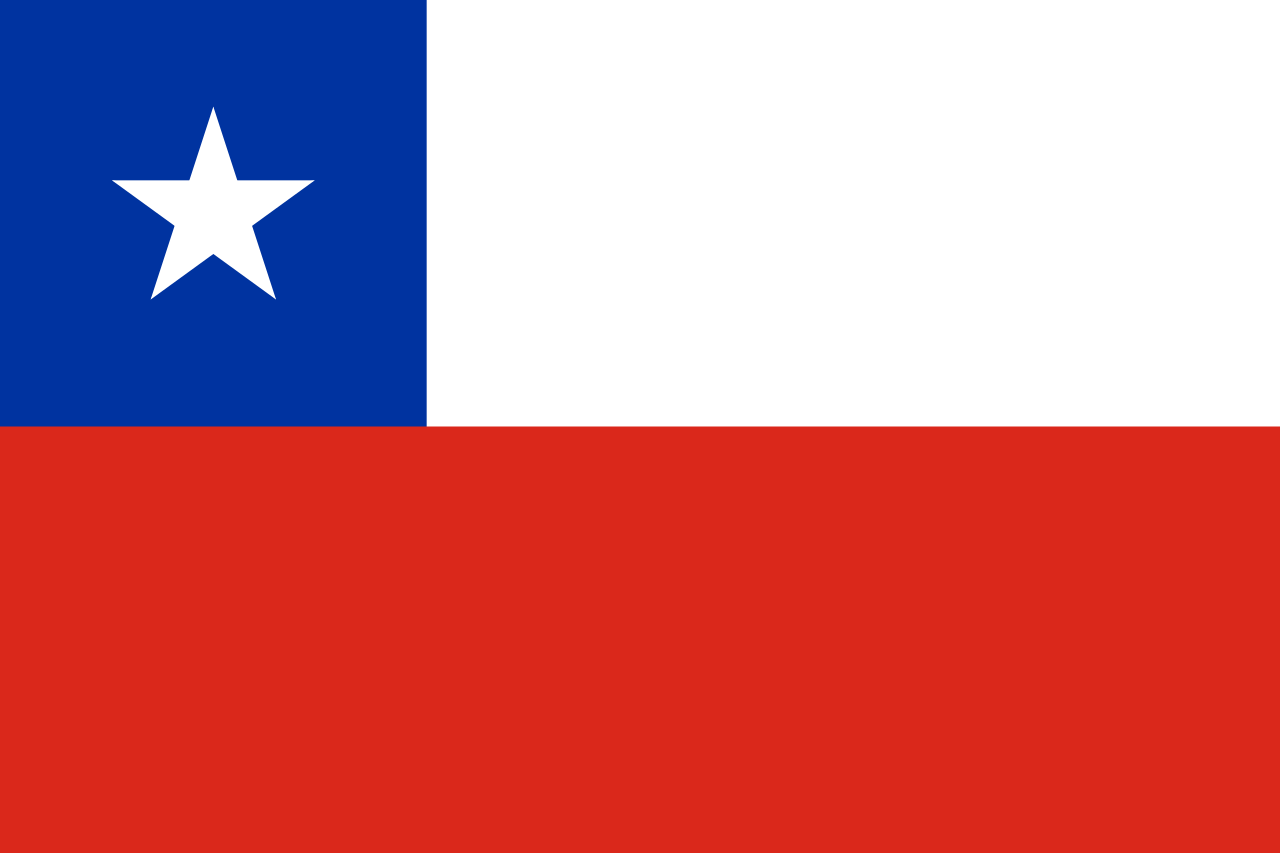
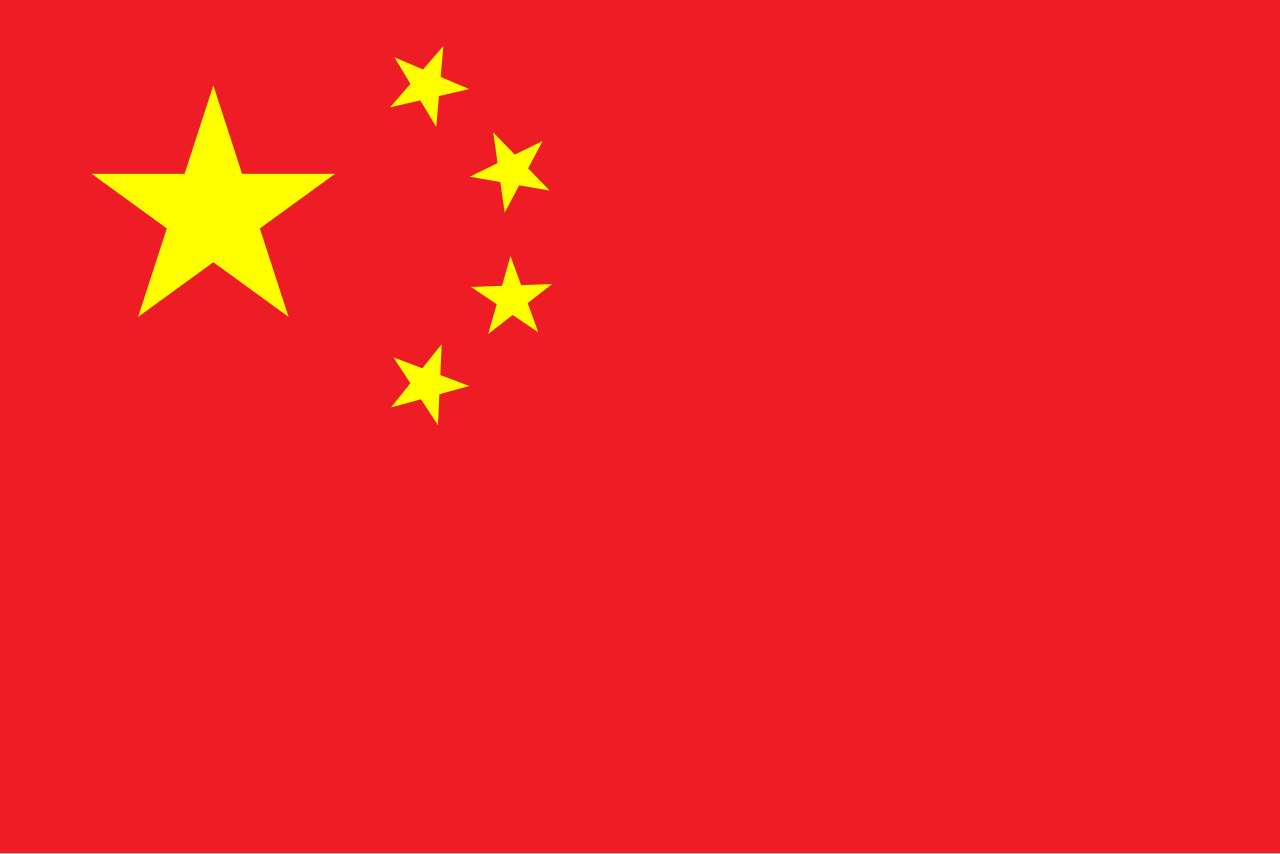
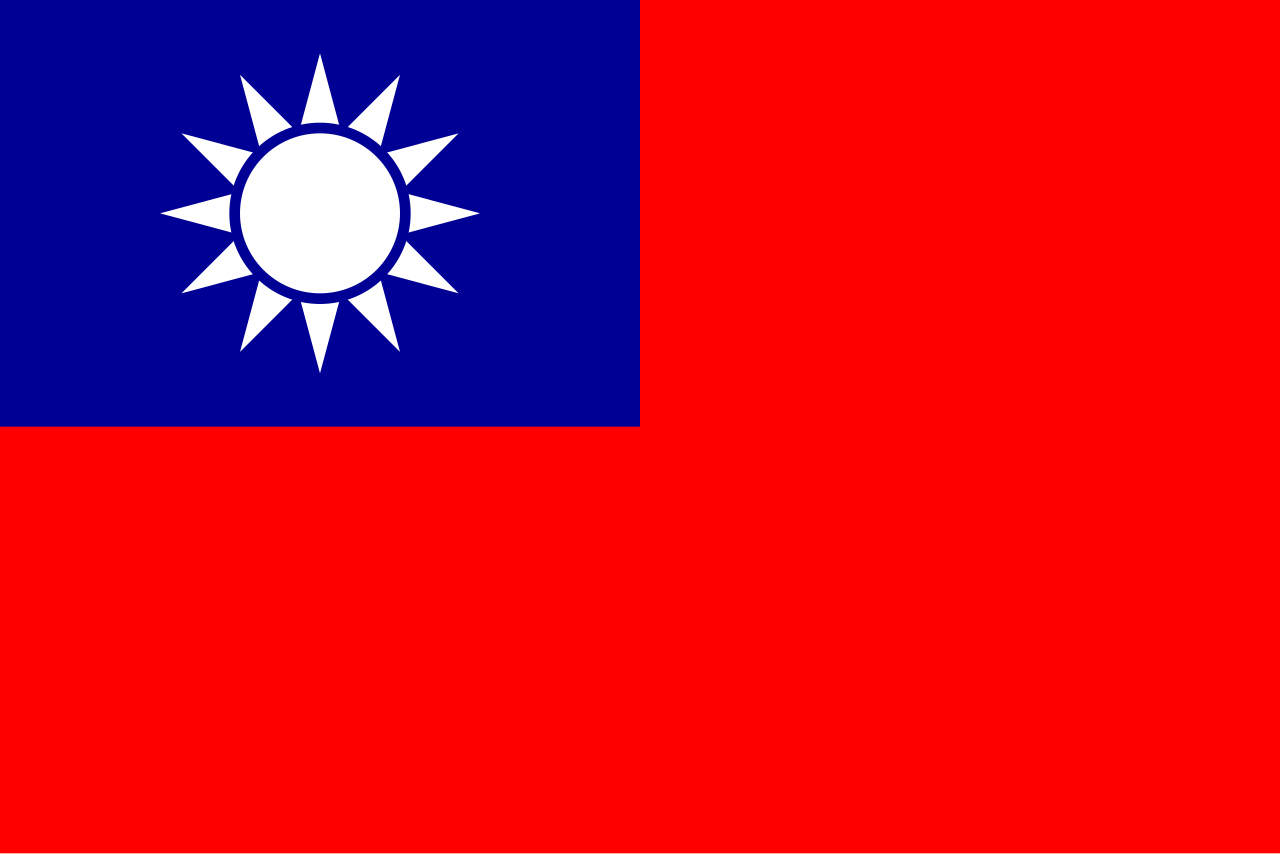
Many countries ultimately joined the U.S. in a full boycott of the Games. These included Japan and West Germany, where Chancellor Schmidt was able to convince the West German Olympic Committee to support the boycott. China, the Philippines, Chile, Argentina and Norway also boycotted the Games entirely. Taiwan refused to participate as a result of the 1979 Nagoya Resolution, in which the People's Republic of China agreed to participate in IOC activities if Taiwan was referred to as "Chinese Taipei NOC".[28] However, the Sino-Soviet split during that time led China to refuse sending a delegation to the 1980 Summer Olympics as well:
Some of these countries competed at the alternative "Liberty Bell Classic" or Olympic Boycott Games held in Philadelphia that same year. Israel also joined the boycott to protest Soviet military aggression, but also because of Soviet antisemitic and anti-Israel policies.
The governments of the United Kingdom, France, and Australia supported the boycott, but left any final decision over the participation of their country's athletes to their respective NOCs and the decision of their individual athletes. The United Kingdom and France sent a much smaller athletic delegation than would have originally been possible. The British associations that governed equestrian sports, hockey, shooting and yachting completely boycotted the 1980 Summer Olympics.
Spain, Italy, Sweden, Iceland and Finland, although the latter under a heavy Russian influence at the time, were other principal nations representing western Europe at the Games. Of these, Spain and Italy participated under a neutral flag with the Olympic anthem playing in any ceremony. Italian athletes serving in its military corps could not attend the Games, however, because of the national government's official support of the boycott. Many events were affected by the loss of participants, and some US-born athletes who were citizens of other countries, such as Italy and Australia, did compete in Moscow.
A firm enemy of the United States under Ayatollah Khomeini's new theocracy, Iran also boycotted the Moscow Games after Khomeini joined the condemnation by the United Nations and the Islamic Conference of the invasion of Afghanistan. Independently of the United States, the Islamic Conference urged a boycott of Moscow after the invasion; the Ayatollah meanwhile accused Moscow of arming the Baluchis against his regime.
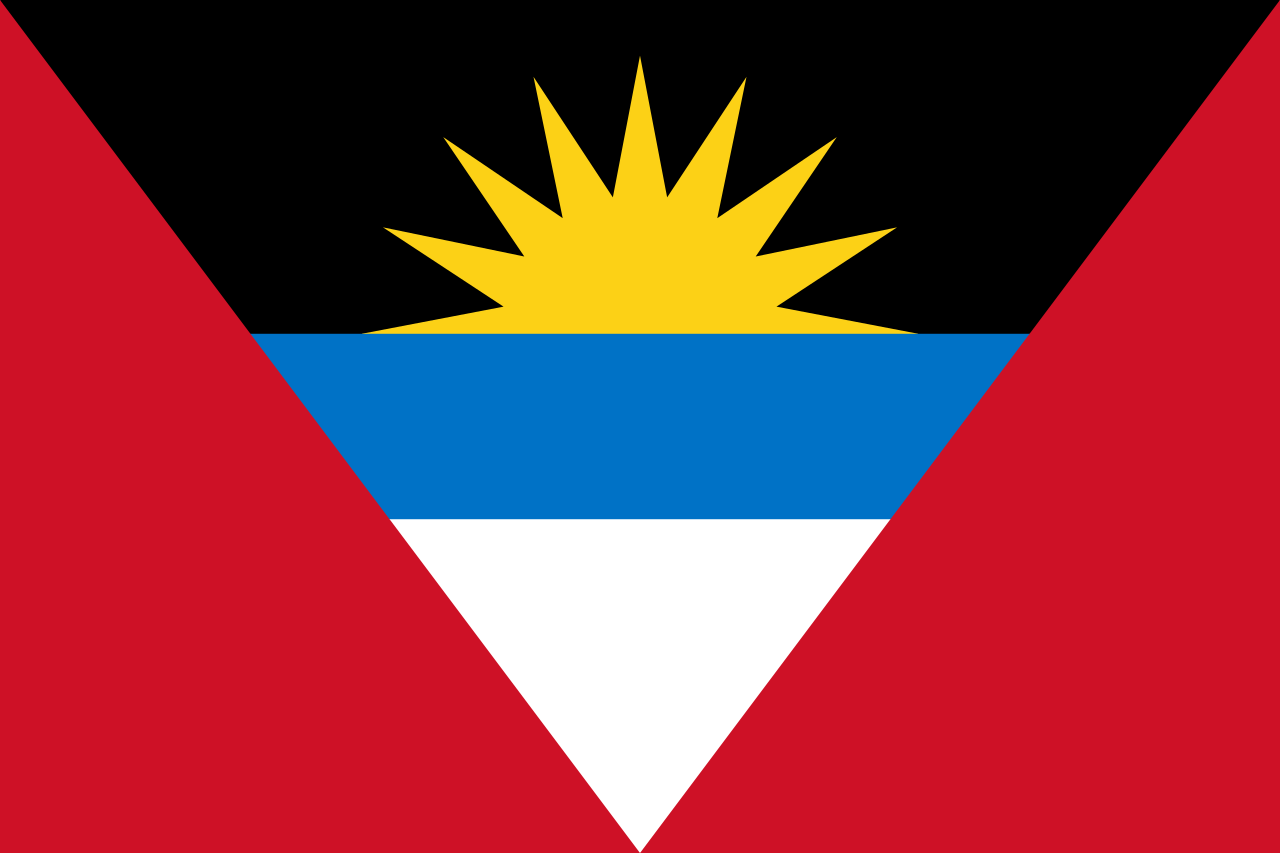
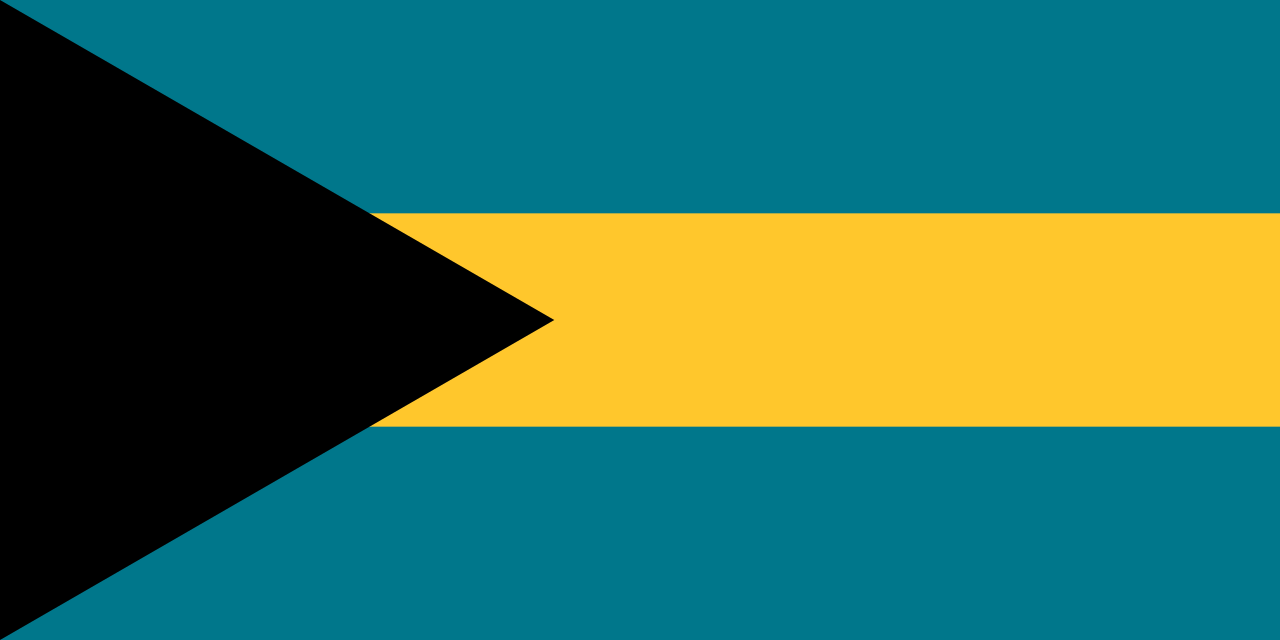
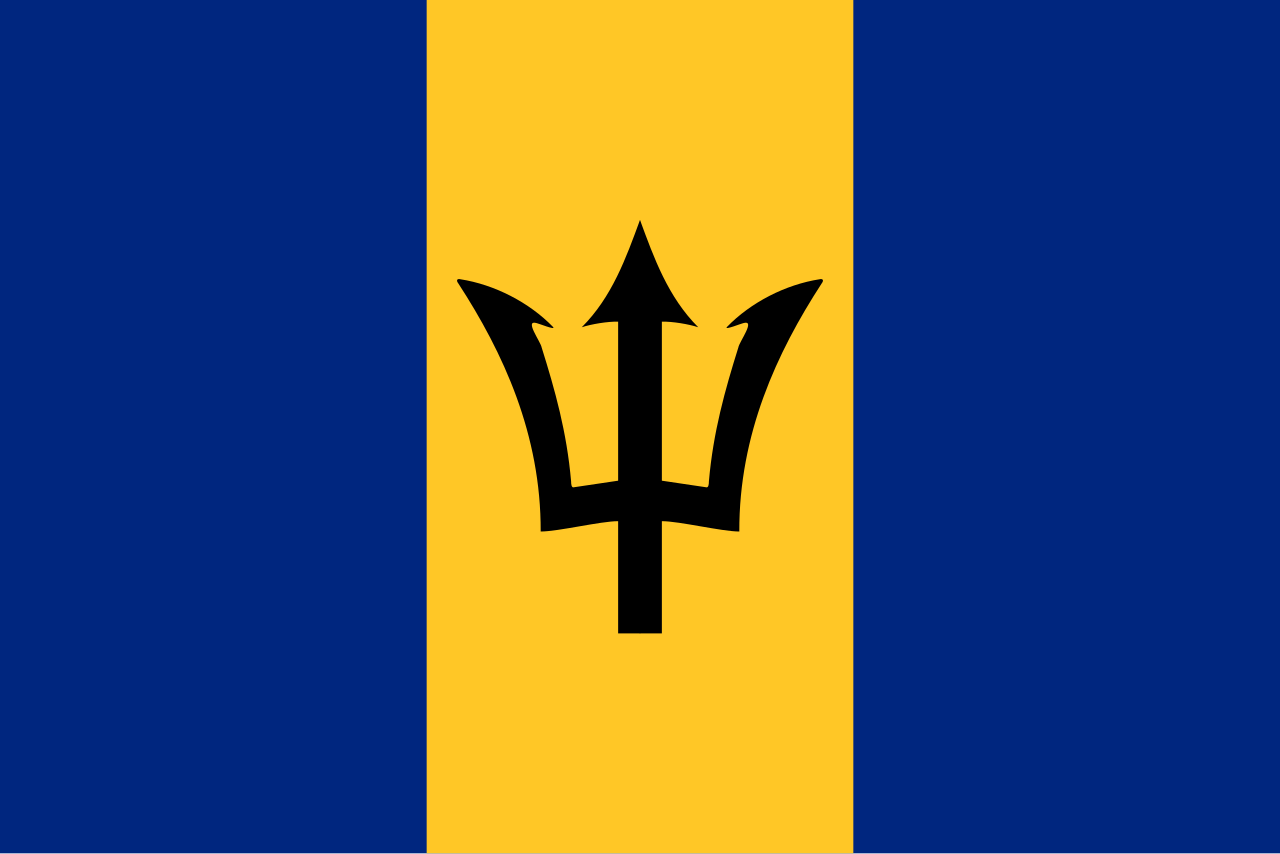
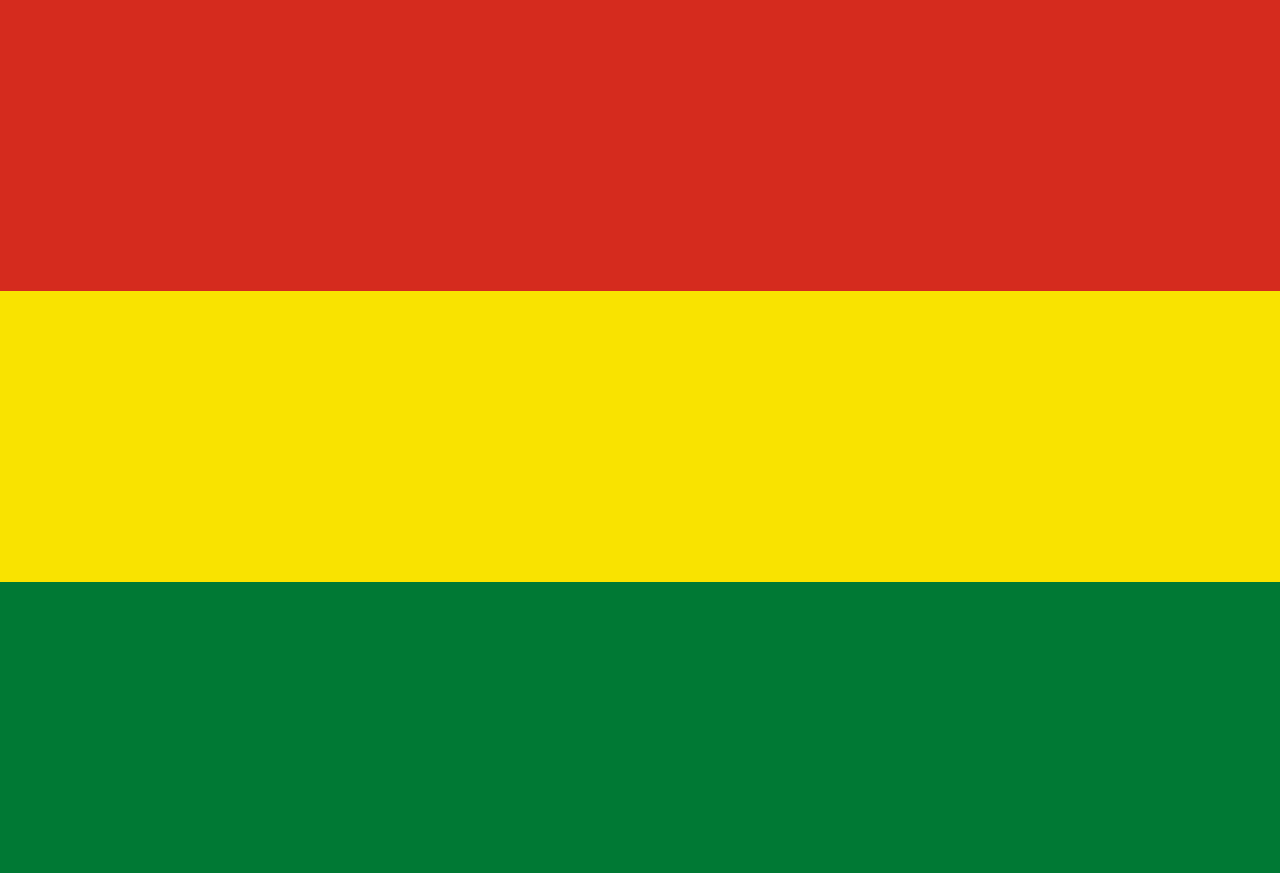
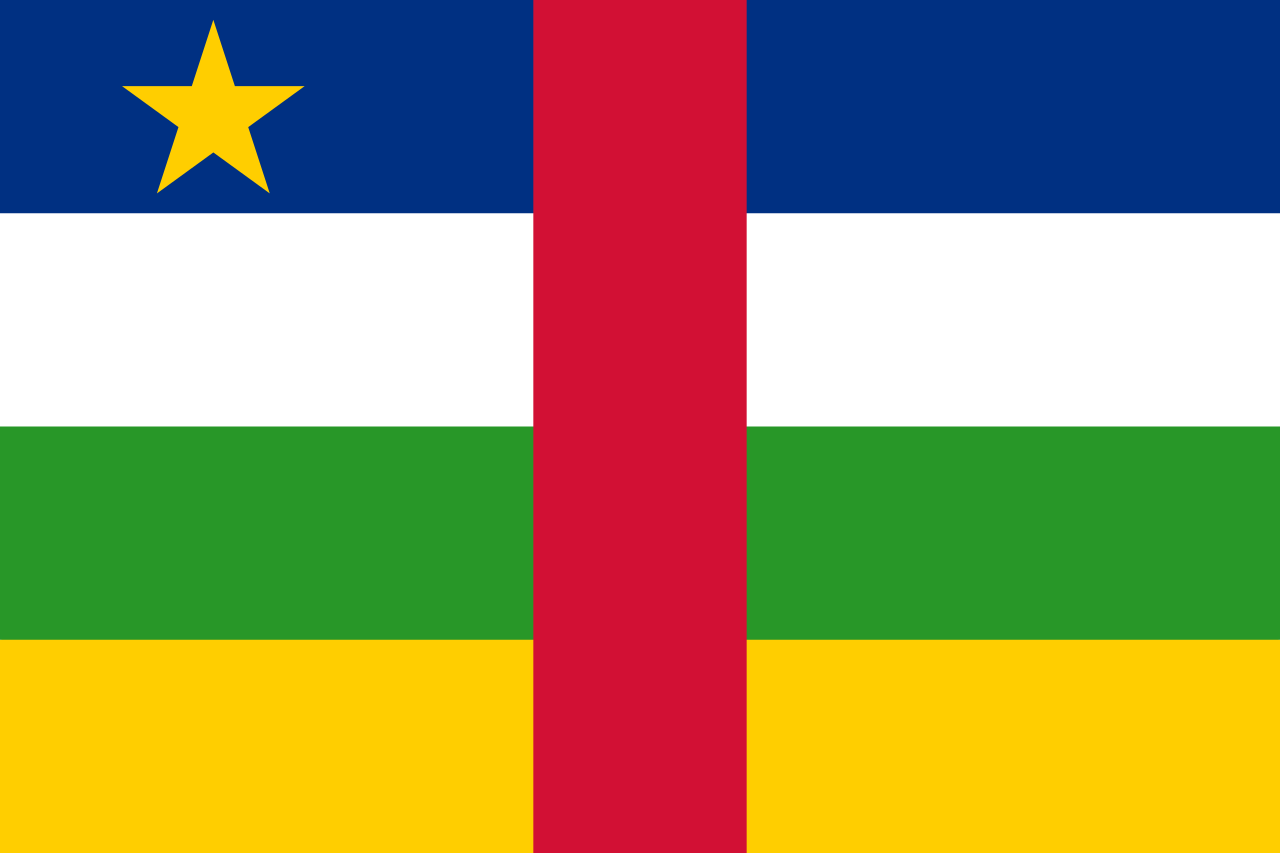
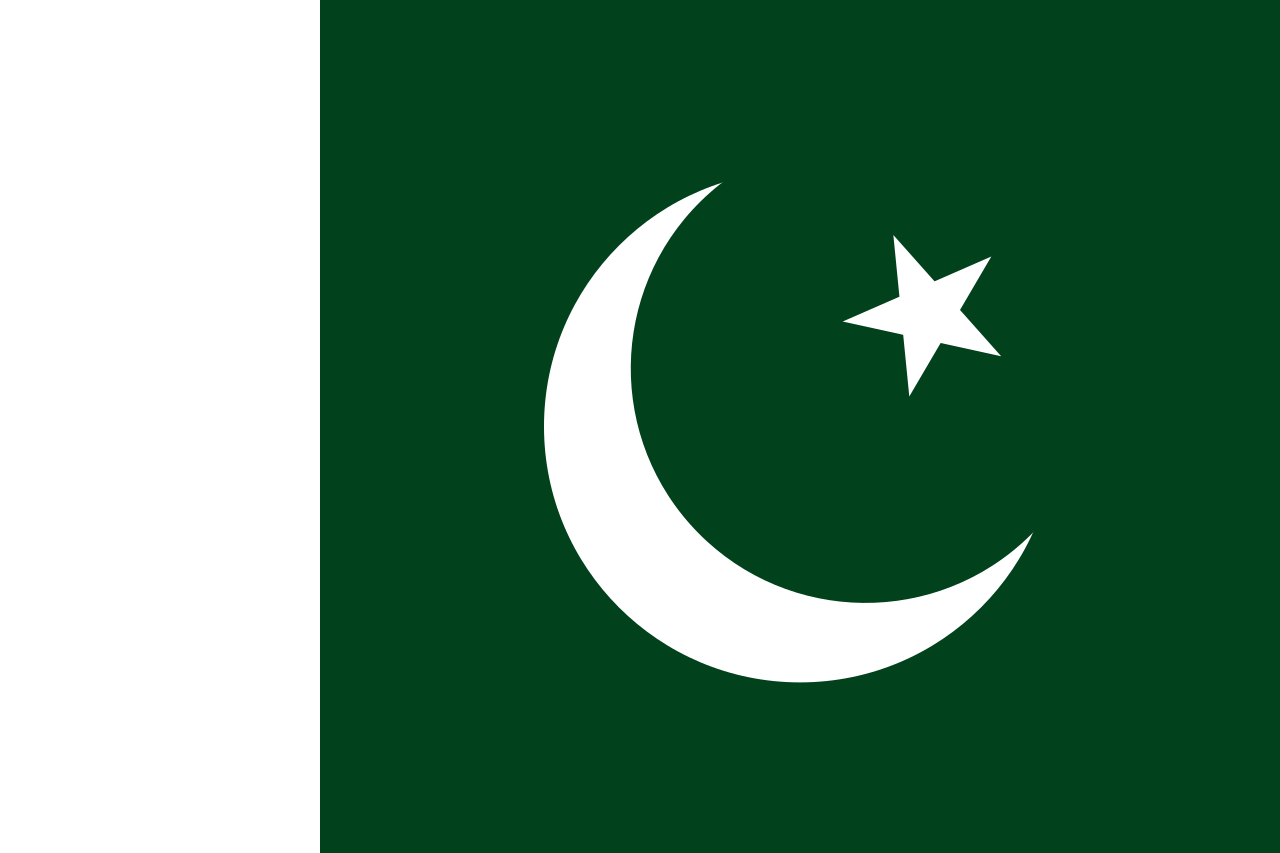
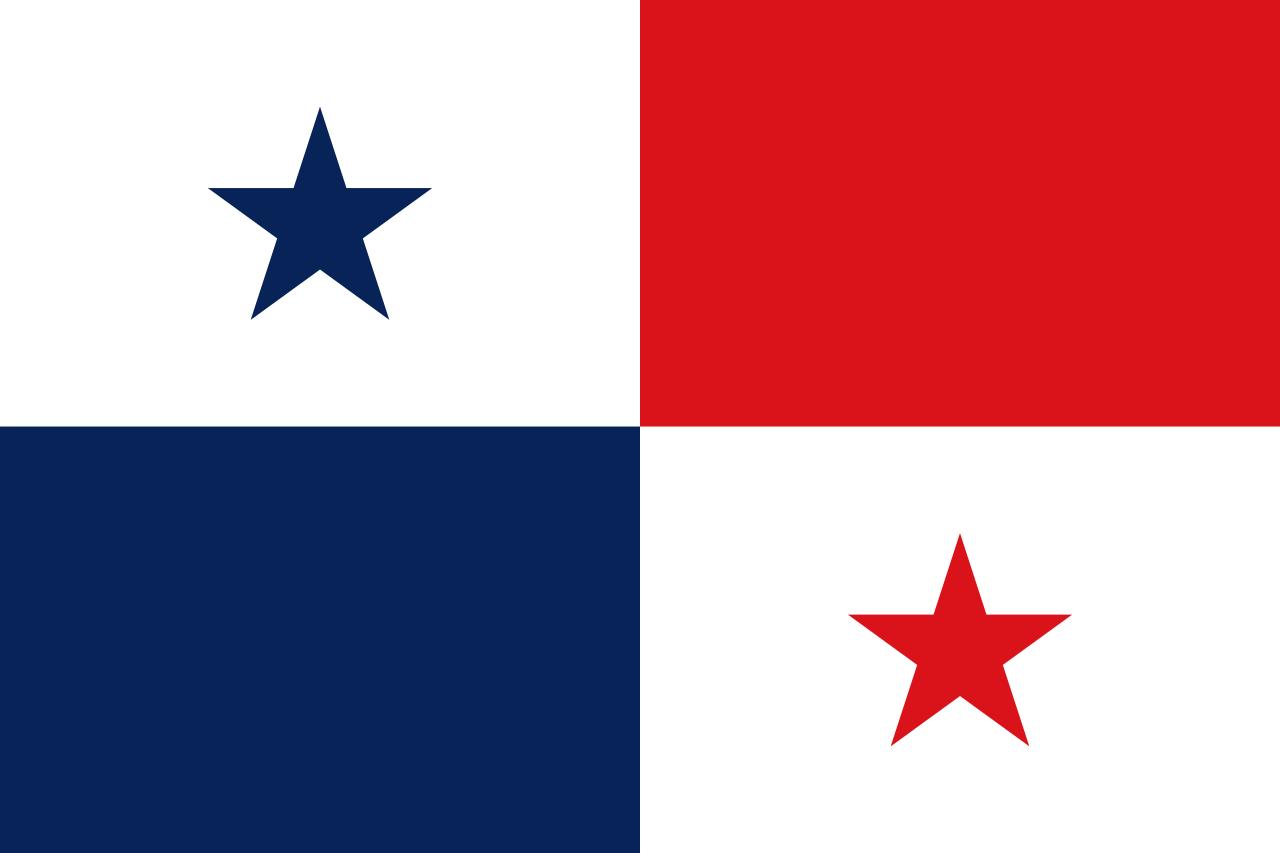
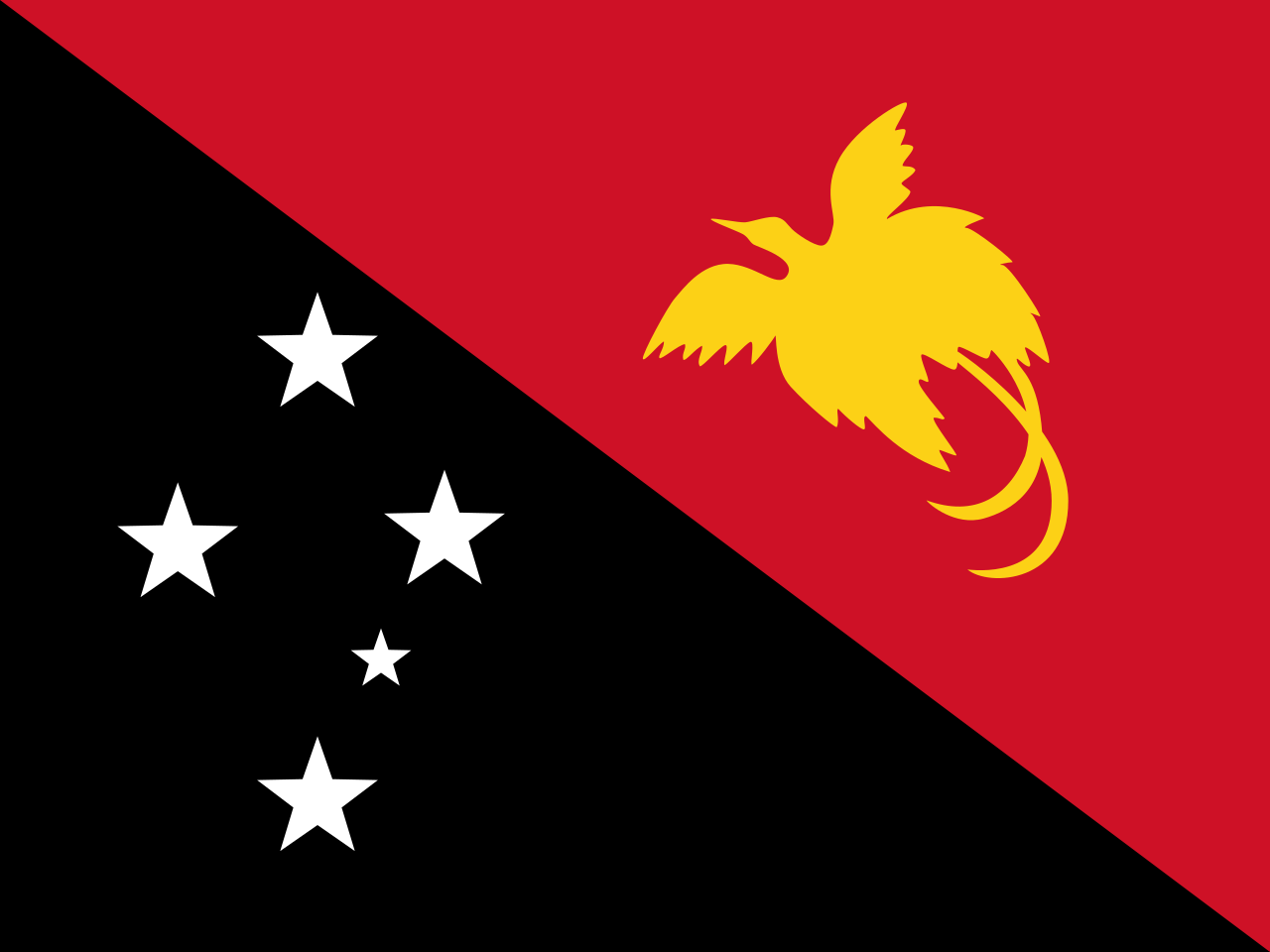
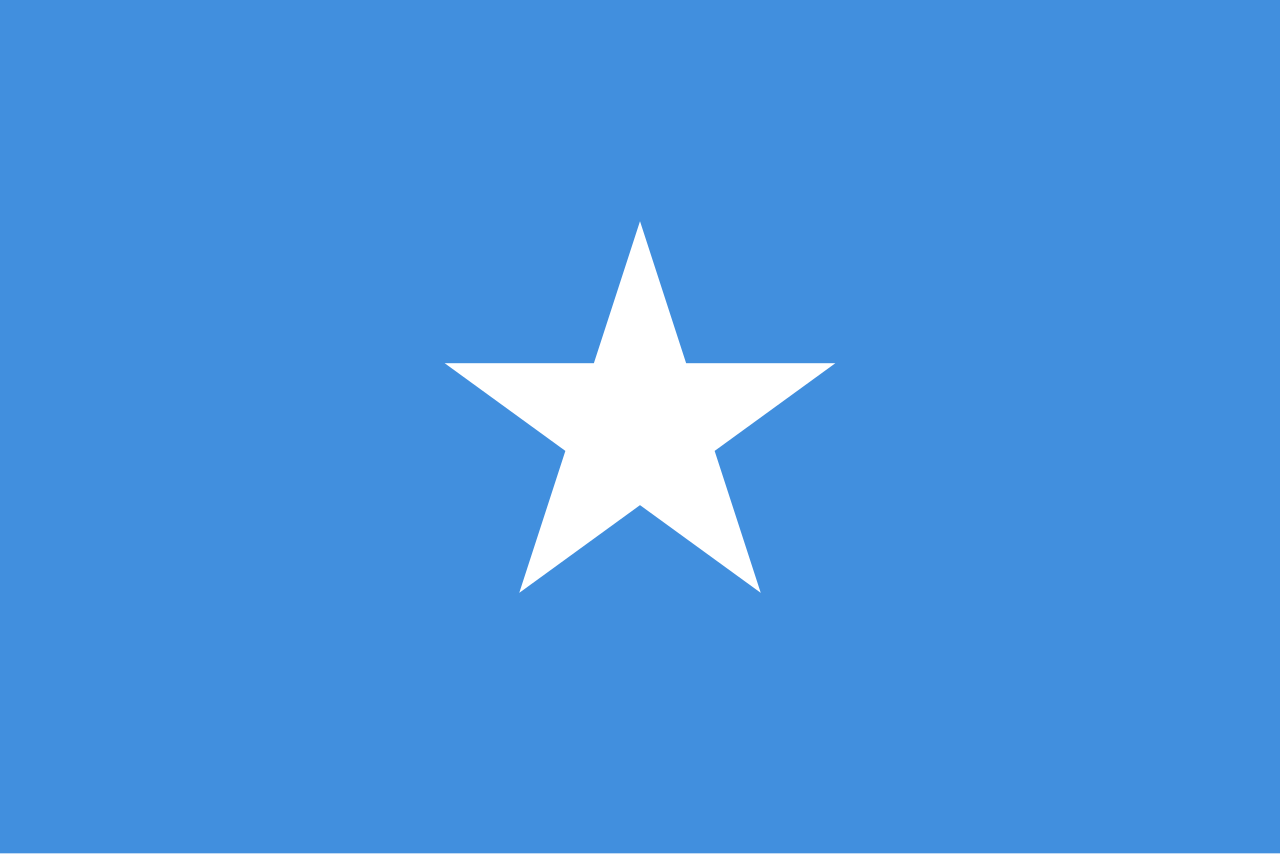
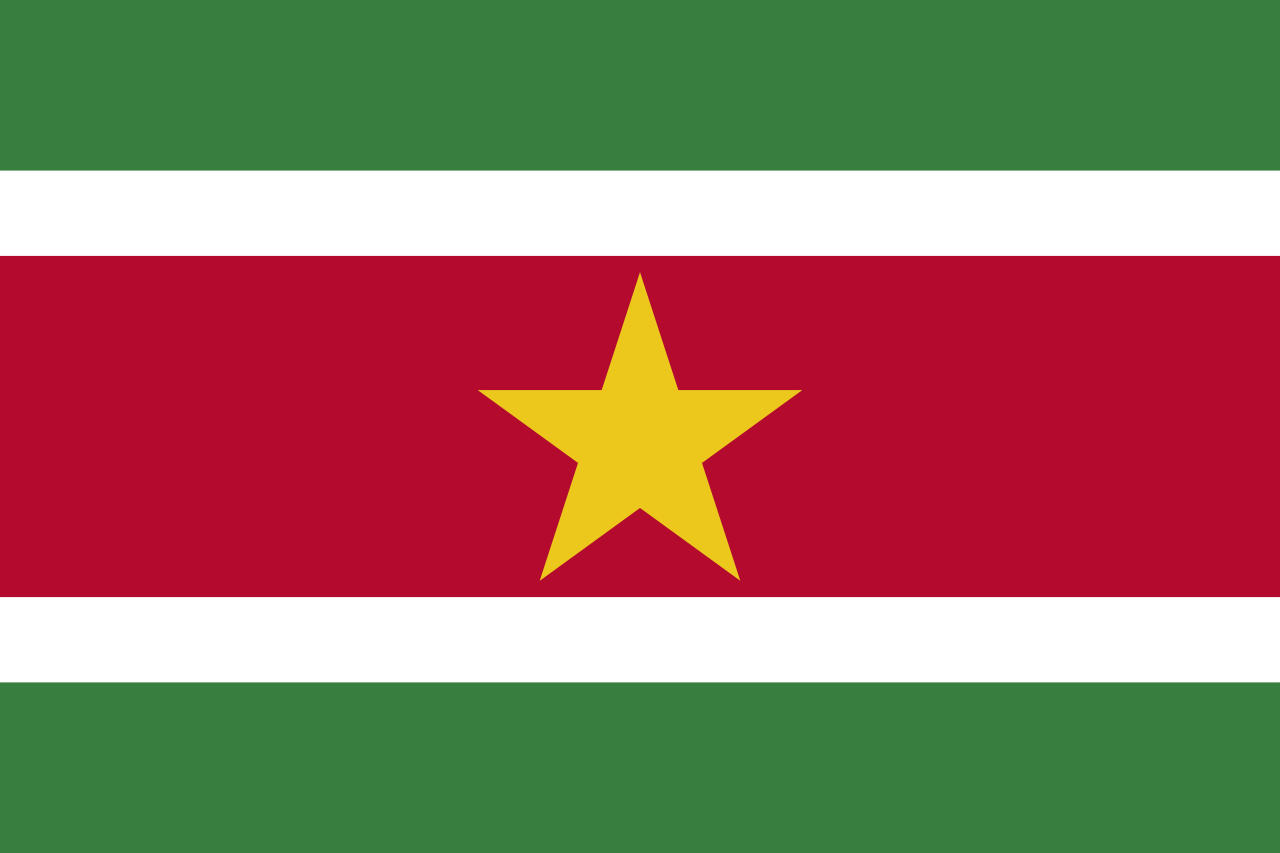
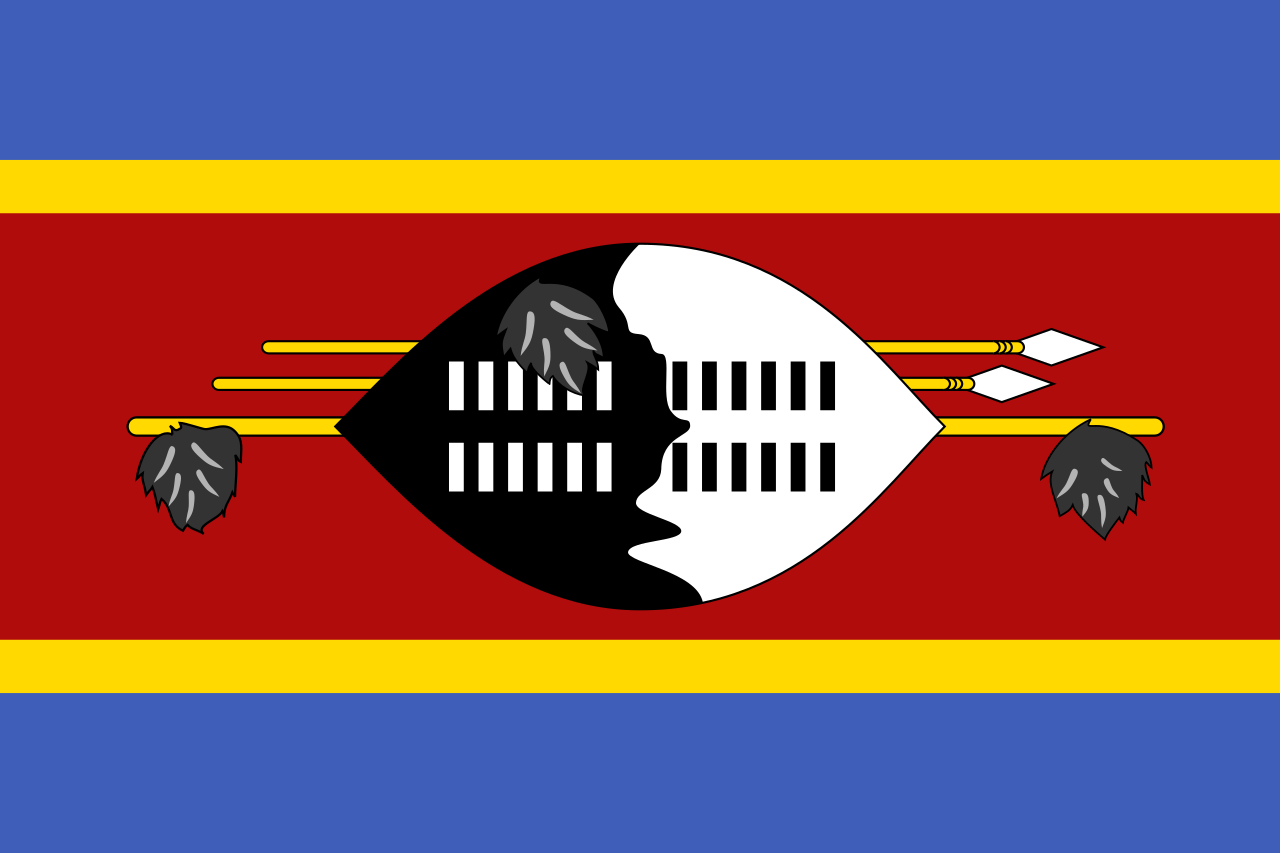
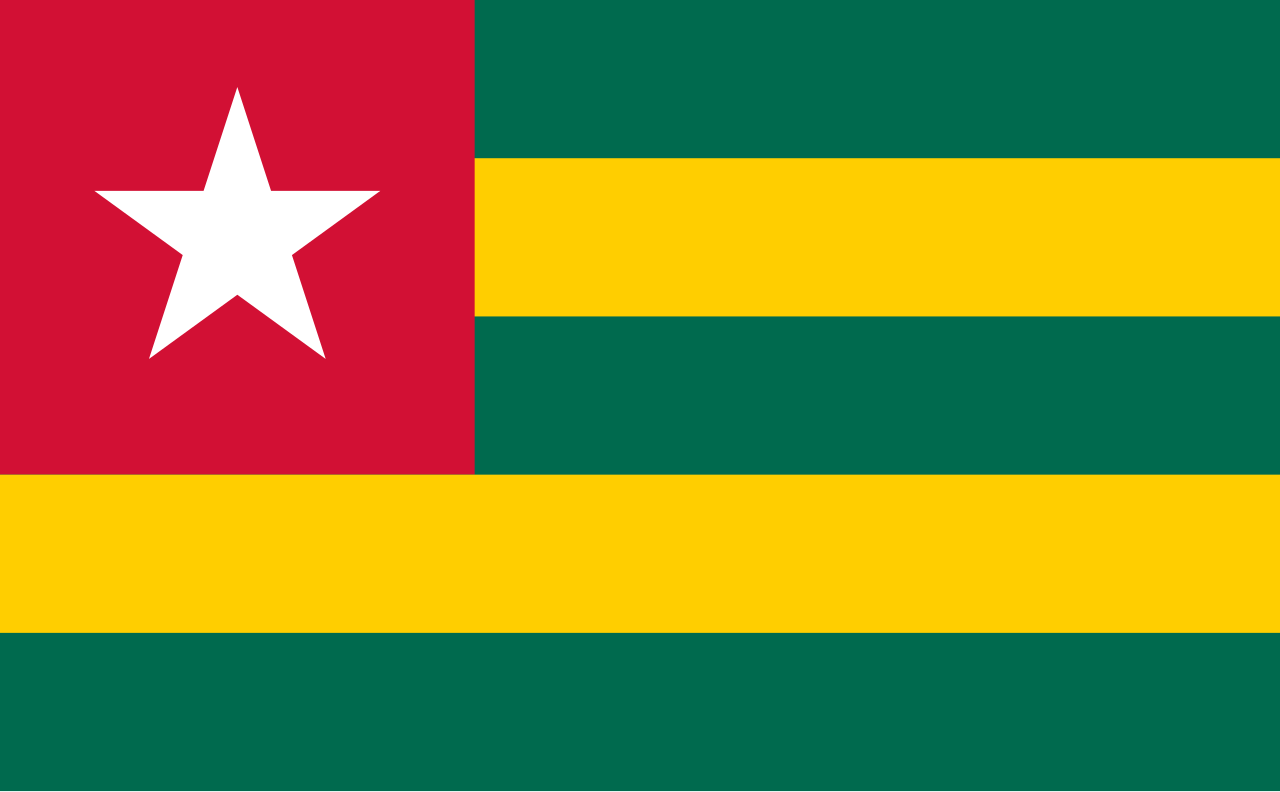
Among the 60 countries that joined the boycott to varying degrees,[27] some fully withdrew, while others allowed athletes to compete under neutral flags.[29] Each country’s decision reflected a mix of political pressure, national interest, and individual athlete choice.[27] The following countries participated in the boycott:
 Albania
- Antigua and Barbuda
- Argentina
- Bahamas
- Bahrain
- Bangladesh
- Barbados
- Belize
- Bermuda
- Bolivia
- Canada
- Cayman Islands
- Central African Republic
- Chad
- Chile
- China
- Egypt
- El Salvador
- Fiji
- Gabon
- The Gambia
- West Germany
- Ghana
- Haiti
- Honduras
- Hong Kong
- Indonesia
- Iran
- Israel
- Ivory Coast
- Japan
- Kenya
- South Korea
- Liberia
- Liechtenstein[30]
- Malawi
- Malaysia
- Mauritania
- Mauritius
- Monaco
- Morocco
- Netherlands Antilles
- Niger
- Norway
- Pakistan
- Panama
- Papua New Guinea
- Paraguay
- Philippines[31]
- Qatar
- Saudi Arabia
- Singapore
- Somalia
- Sudan
- Suriname
- Swaziland
- Chinese Taipei ( Taiwan)
- Thailand
- Togo
- Tunisia
- Turkey
- United Arab Emirates
- United States
- Upper Volta[32]
- Uruguay
- Virgin Islands
- North Yemen
- Zaire
.svg/1280px-Flag_of_Albania_(1970s%E2%80%931980s).svg.png)
.svg/1280px-Flag_of_Bahrain_(1972%E2%80%932002).svg.png)

.svg/1280px-Flag_of_British_Honduras_(1919%E2%80%931981).svg.png)
.svg/1280px-Flag_of_Bermuda_(1910%E2%80%931999).svg.png)
.svg/1280px-Flag_of_Canada_(Pantone).svg.png)
.svg/1280px-Flag_of_the_Cayman_Islands_(pre-1999).svg.png)

.svg/1280px-Flag_of_Egypt_(1972%E2%80%931984).svg.png)




.svg/1280px-Flag_of_Haiti_(1964%E2%80%931986).svg.png)
.svg/1280px-Flag_of_Honduras_(1949%E2%80%932022).svg.png)
.svg/1280px-Flag_of_Hong_Kong_(1959%E2%80%931997).svg.png)


.svg/1280px-Flag_of_Japan_(1870%E2%80%931999).svg.png)

.svg/1280px-Flag_of_South_Korea_(1949%E2%80%931984).svg.png)



.svg/1280px-Flag_of_Mauritania_(1959%E2%80%932017).svg.png)


.svg/1280px-Flag_of_the_Netherlands_Antilles_(1959%E2%80%931986).svg.png)
.svg/1280px-Flag_of_Paraguay_(1954%E2%80%931988).svg.png)
.svg/1280px-Flag_of_the_Philippines_(navy_blue).svg.png)






.svg/1280px-Flag_of_Tunisia_(1959%E2%80%931999).svg.png)


.svg/1280px-Flag_of_Zaire_(1971%E2%80%931997).svg.png)
Altered participation
During the 1980 Moscow Olympics, several nations and athletes participated under modified conditions due to the U.S.-led boycott. While some governments officially withdrew their athletes from the Games, individual competitors often chose to participate under neutral flags or alternative arrangements, balancing personal ambition with political pressure.[33]
Nations that did not participate in the Opening Ceremony
Seven countries participated in the Games under the Olympic flag without taking part in the Opening Ceremony:[23]
National teams represented at the Opening Ceremony by Chef de Mission
Two nations sent one representative each (Chef de Mission) who entered the Olympic stadium during the Opening Ceremony under the Olympic flag; for each country this was a token gesture, as their governments allowed individual national sports federations and in some cases individual athletes to take part in the Games if they chose to do so. Ireland also competed under the Olympic flag, rather than its own:
- Great Britain – Richard Palmer[34]
- Ireland – Ken Ryan[35]
Nations that competed under their respective NOC flag
Some nations competed under the flag of their National Olympic Committee:[36][37]


.svg/1280px-Flag_of_New_Zealand_Olympic_Committee_(1979-1994).svg.png)
Alternative events
Events were staged separately in several sports, including the Liberty Bell Classic for track and field[38] and the USGF International Invitational for gymnastics.[39] The U.S.–Cuban 12-bout card at the Charlotte Coliseum (on Independence Boulevard, now Bojangles' Coliseum) on February 10, 1980, became the only meeting between Cuban and American boxers and was an important event in boxing; called "one of the prime matches of the year," by U.S. boxing coach Tom Johnson.[40]
See also


References
- ^ Eaton, Joseph. “Reconsidering the 1980 Moscow Olympic Boycott: American Sports Diplomacy in East Asian Perspective.” Diplomatic History 40, no. 5 (November 2016): 845–864. https://doi.org/10.1093/dh/dhw026.
- ^ Giordano, Bob. “Olympic Dreams Stir Bad Memories of Moscow Boycott in 1980.” New York Post, July 20, 2024.
- ^ History House Blog, “The Cold War, the Olympics, & the Forgotten Congressional Gold Medal,” 2024
- ^ a b The 1980 U.S. Olympic Boycott: A History Perspectives Book (e-book)
- ^ a b Dropping the Torch: Jimmy Carter, the Olympic Boycott, and the Cold War (e-book)
- ^ AP News, “Jimmy Carter and the Olympic Boycott”
- ^ “Welcome, Ali, Please go Home”: Muhammad Ali as Diplomat and African Debates on the 1980 Moscow Olympic Boycott
- ^ a b c Eaton, Joseph (2016). "Reconsidering the 1980 Moscow Olympic Boycott: American Sports Diplomacy in East Asian Perspective". Diplomatic History. 40 (5): 845–864. doi:10.1093/dh/dhw026.
- ^ a b Dropping the Torch: Jimmy Carter, the Olympic Boycott, and the Cold War. Cambridge University Press. 2010.
- ^ "The 1980 Olympic Boycott and Its Legacy". The New York Times. July 27, 2020.
- ^ "The Cold War, the Olympics, & the Forgotten Congressional Gold Medal". U.S. House of Representatives: History, Art & Archives.
- ^ Ivey, James Alexander (2022). ""Welcome, Ali, Please Go Home": Muhammad Ali as Diplomat and African Debates on the 1980 Moscow Olympic Boycott". African Studies Review. 66 (2): 490–508. doi:10.1017/asr.2022.111.
- ^ Crossman, Jane; Lappage, Ron (December 1992). "Canadian Athletes' Perceptions of the 1980 Olympic Boycott". Sociology of Sport Journal. 9 (4): 354–371. doi:10.1123/ssj.9.4.354. ISSN 0741-1235.
- ^ Ivey, James Alexander (September 7, 2022). ""Welcome, Ali, Please go Home": Muhammad Ali as Diplomat and African Debates on the 1980 Moscow Olympic Boycott". African Studies Review. 66 (2): 490–508. doi:10.1017/asr.2022.111. ISSN 0002-0206.
- ^ (Dropping the Torch: Jimmy Carter, the Olympic Boycott, and the Cold War; https://www.nytimes.com/2020/07/27/sports/olympics/1980-boycott.html)
- ^ American Embassy Memorandum to Secretary of State, "Olympics: Lausanne IOC EXCOM Meeting" Archived July 25, 2020, at the Wayback Machine, 23 April 1980, US Department of State, FOIA
- ^ 1980 Moscow. olympic.org.nz
- ^ "Showing the Flag in Moscow". International Society of Olympic Historians – ISOH. Archived from the original on April 26, 2021. Retrieved April 6, 2021.
- ^ "White House Protests Plan to Use U.S. Flag at Moscow Olympics". The New York Times. July 18, 1980. Archived from the original on September 29, 2023. Retrieved September 20, 2023.
- ^ "The story of L.A.'s oddball flag. Wait, L.A. Has a flag?". Los Angeles Times. October 5, 2021. Archived from the original on September 20, 2023. Retrieved September 20, 2023.
- ^ "Los Angeles Flag to Fly at Moscow". The New York Times. August 1980. Archived from the original on January 16, 2023. Retrieved September 20, 2023.
- ^ Press, Eddie Pells, Associated (January 2, 2025). "Carter reflected on 1980 Olympic boycott: 'A bad decision'". WKMG. Retrieved December 8, 2025.
{{cite web}}: CS1 maint: multiple names: authors list (link) - ^ a b "Partial Boycott – New IOC President". Keesing's Record of World Events. 26: 30599. December 1980.
- ^ (https://apnews.com/article/jimmy-carter-olympics-boycott-9ba0aad38e01013bd0f40ce554317caf)
- ^ (https://www.insidethegames.biz/articles/1151077/carterr-1980-olympic-boycott-mistake; The 1980 U.S. Olympic Boycott: A History Perspectives Book).
- ^ lawsuit needs citation
- ^ a b c Eaton, Joseph. “Reconsidering the 1980 Moscow Olympic Boycott: American Sports Diplomacy in East Asian Perspective.” Diplomatic History 40, no. 5 (November 2016): 845–864. https://doi.org/10.1093/dh/dhw026.
- ^ Eaton, Joseph (November 2016). "Reconsidering the 1980 Moscow Olympic Boycott: American Sports Diplomacy in East Asian Perspective". Diplomatic History. 40 (5): 845–864. doi:10.1093/dh/dhw026. JSTOR 26376807. Archived from the original on October 23, 2022. Retrieved June 20, 2022.
- ^ Crossman, Jane; Lappage, Ron (December 1992). "Canadian Athletes' Perceptions of the 1980 Olympic Boycott". Sociology of Sport Journal. 9 (4): 354–371. doi:10.1123/ssj.9.4.354. ISSN 0741-1235.
- ^ Büchel, Donat (December 31, 2011). "Kalter Krieg". Historisches Lexikon (in German). Archived from the original on August 29, 2022. Retrieved September 28, 2023.
- ^ Ramos, Gerry (March 7, 2019). "Former swimming chief Mark Joseph dies 'peacefully in his sleep' age 56". Spin.ph. Retrieved December 5, 2022.
Joseph himself qualified for the 1980 Moscow Olympics, but failed to compete as the country joined the US-led boycott of the Games.
- ^ "Competitors by NOCs". Official Report of the Organizing Committee of the Games of the XXII Olympiad, Moscow, 1980 (Report). Vol. 2. 1981. p. 191.
- ^ History House Blog, “The Cold War, the Olympics, & the Forgotten Congressional Gold Medal,” 2024
- ^ Fimrite, Ron (July 28, 1980). "Only The Bears Were Bullish". SI Vault; CNN. Archived from the original on April 13, 2014. Retrieved August 14, 2013.
- ^ "Olympics chief feared protests". Belfasttelegraph.co.uk. December 30, 2010. Archived from the original on March 29, 2014. Retrieved August 14, 2013.
- ^ ISOH
- ^ "ITG". Archived from the original on April 26, 2021. Retrieved April 6, 2021.
- ^ Neff, Craig (July 28, 1980). "...and meanwhile in Philadelphia". Sports Illustrated. Vol. 53, no. 5. p. 18. Archived from the original on September 2, 2016. Retrieved August 3, 2016.
- ^ Marshall, Joe (August 11, 1980). "All that glitter was not gold". Sports Illustrated. Vol. 53, no. 7. p. 32. Archived from the original on September 14, 2016. Retrieved August 3, 2016.
- ^ U.S.-Cuba bout grows in importance Archived June 26, 2019, at the Wayback Machine, The Anniston Star, February 9, 1980, p. 22.
Further reading
- Barton, Laurence. "The American Olympic boycott of 1980: the amalgam of diplomacy and propaganda in influencing public opinion" (PhD dissertation, Boston University; ProQuest Dissertations & Theses, 1983. 8309745).
- Çeviker, Abdulkerim, et al. "Boycotts in the history of the modern Olympic games." International journal of eurasian education and culture 8.22 (2023): 1943-1964. online
- Coates, Dennis C. "Weaponization of sports: the battle for world influence through sporting success." The Independent Review 22.2 (2017): 215–221. online
- Corthorn, Paul. "The Cold War and British debates over the boycott of the 1980 Moscow Olympics." Cold War History 13.1 (2013): 43–66.
- Crossman, Jane, and Ron Lappage. "Canadian athletes’ perceptions of the 1980 Olympic boycott." Sociology of Sport Journal 9.4 (1992): 354-371.
- Eaton, Joseph. "Reconsidering the 1980 Moscow Olympic boycott: American sports diplomacy in East Asian perspective." Diplomatic History 40.5 (2016): 845–864.
- Edwards, Harry. "Sportpolitics: Los Angeles, 1984—“The Olympic Tradition Continues”." Sociology of Sport Journal 1.2 (1984): 172–183.
- Forte, Micaila. "The Debate Over Boycotts: The Effect and Effectiveness of Olympic Boycotts" (PhD dissertation, University of Windsor; ProQuest Dissertations & Theses, 2024. 31563599).
- Hulme, Derick L., Jr. "The viability of international sport as a political weapon: The 1980 US Olympic boycott" (PhD dissertation, Fletcher School of Law and Diplomacy (Tufts University); ProQuest Dissertations & Theses, 1988.) 8816731.
- Ivey, James Alexander. "From Montreal to Moscow: The Legacy of the Anti-Apartheid Olympics on the Boycott of the Cold War Games (1976–1980)" (PhD dissertation, U of California, San Diego; ProQuest Dissertations & Theses, 2024. 31637158).
- Jefferys, Kevin. "Britain and the Boycott of the 1980 Moscow Olympics." Sport in History 32.2 (2012): 279–301.
- Kanin, David B. "The Olympic boycott in diplomatic context." Journal of Sport and Social Issues 4.1 (1980): 1–24.
- Keys, Barbara. "Political protection: The international Olympic committee’s UN diplomacy in the 1980s." The International Journal of the History of Sport 34.11 (2017): 1161–1178. online
- Kobierecki, Michał Marcin. "Boycott of the Los Angeles 1984 Olympic games as an example of political play-acting of the cold war superpowers." Polish Political Science Yearbook 44.1 (2015): 93–111. online
- Kobierecki, Michal Marcin. Sports diplomacy: Sports in the diplomatic activities of states and non-state actors (Rowman & Littlefield, 2020) online.
- McConnell, Stephanie Wilson. "Jimmy Carter, Afghanistan, and the Olympic boycott: The last crisis of the Cold War?" (PhD dissertation, Bowling Green State U; ProQuest Dissertations & Theses, 2001).
- Mertin, Evelyn. "The Soviet Union and the Olympic Games of 1980 and 1984: Explaining the boycotts to their own people." East Plays West (Routledge, 2012) pp.235–252.
- Nafziger, James AR. "Diplomatic fun and the Games: A commentary on the United States boycott of the 1980 Summer Olympics." Willamette Law Review 17 (1980): 67+.
- Parks, Jenifer. The Olympic Games, the Soviet sports bureaucracy, and the Cold War: Red sport, red tape (Lexington Books, 2016) online.
- Rice, Andrew C. "The American and Canadian Decisions to Boycott the 1980 Moscow Olympics: A Comparative Analysis." Journal of Olympic Studies 6.2 (2025): 43–63. https://doi.org/10.5406/26396025.6.2.03
- Riordan, James. "The USSR and Olympic boycotts." International Journal of the History of Sport 5.3 (1988): 349–359.
- Sarantakes, Nicholas Evan. Dropping the torch: Jimmy Carter, the Olympic boycott, and the Cold War (Cambridge University Press, 2010) online.
- Shinnick, Phillip K. "Progressive Resistance To Nationalism and the 1980 Boycott of the Moscow Olympics." Journal of Sport and Social Issues 6.2 (1982): 13–21.
- Siekmann, Rob CR. "The Boycott of the 1980 Moscow Olympic Games and Detente." in Essays on Human Rights in the Helsinki Process (Brill Nijhoff, 1985) pp.181–201).
- Tulli, Umberto. "Bringing human rights in: The campaign against the 1980 Moscow Olympic Games and the origins of the nexus between human rights and the Olympic Games." International journal of the history of sport 33.16 (2016): 2026–2045.
- Walker, James Russell. "The politics of performance: Soviet participation in the Olympic Games, 1952-1984" (PhD dissertation, University of Texas at Arlington; ProQuest Dissertations & Theses, 1988. 1334973).
- Warnicke, Lutz. "Sports on Television in the GDR in the 1980s. A Movement between the Political-driven Olympic Boycott 1984 and Growing Popularization." SPIEL 25.2 (2006): 249–258. online
- Yu, Xiaowei. "Eligible to Go but No!: Why China Boycotted Moscow and Los Angeles Became Its Olympic Debut in 1984." Asian Journal of Sport History & Culture (2025): 1-17. https://doi.org/10.1080/27690148.2025.2464594
Primary sources
- Morrison, Ray L. "Government Documents Relating to the 1980 Olympic Games Boycott. A Contents Analysis and Bibliography." (1982). online