| Tropical cyclones in 2001 | |
|---|---|
 Year summary map | |
| Year boundaries | |
| First system | Ando |
| Formed | December 31, 2000 |
| Last system | 05F |
| Dissipated | January 6, 2002 |
| Strongest system | |
| Name | Faxai |
| Lowest pressure | 915 mbar (hPa); 27.02 inHg |
| Longest lasting system | |
| Name | Allison, Erin, and Nari |
| Duration | 16 days |
| Year statistics | |
| Total systems | 124 |
| Named systems | 82 |
| Total fatalities | 2,796 total |
| Total damage | $11.92 billion (2001 USD) |

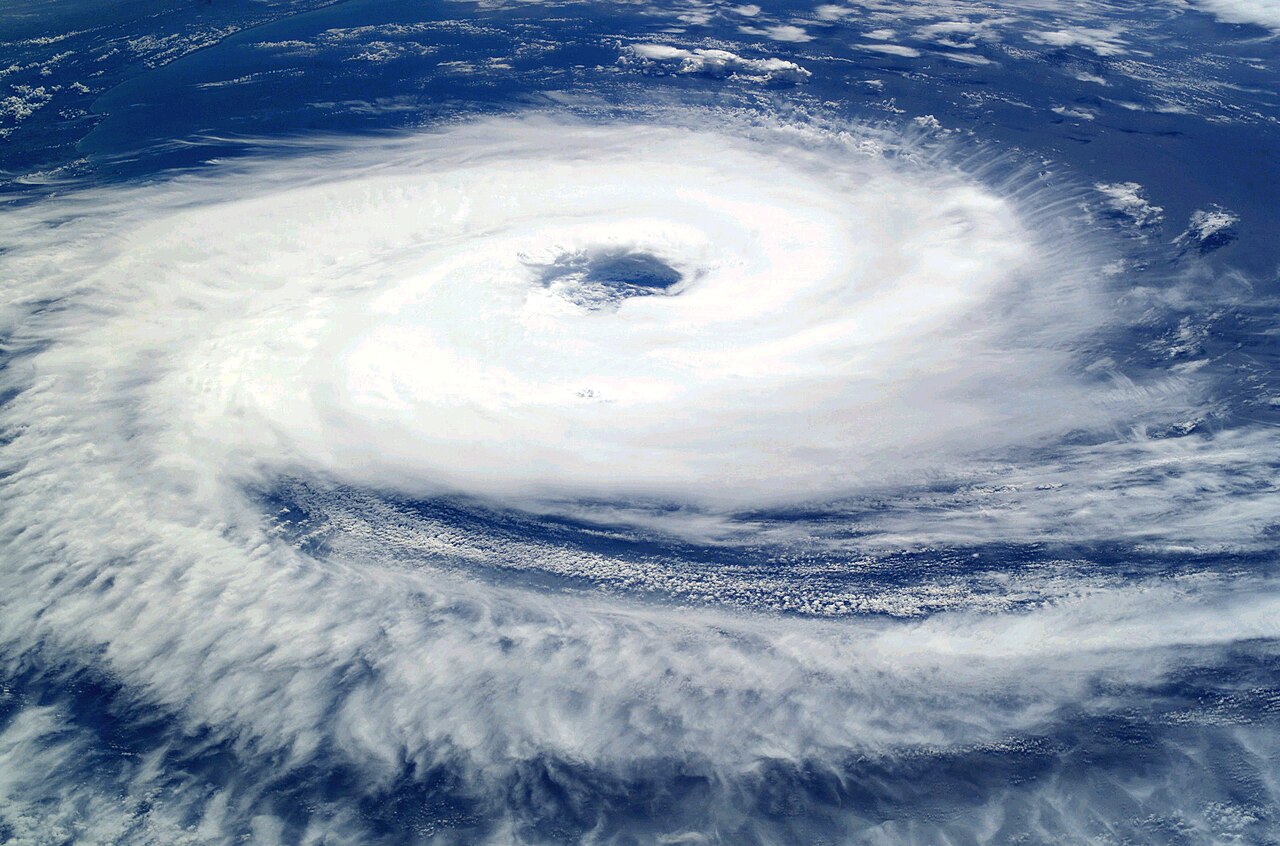
During 2001, tropical cyclones formed in seven different areas called basins, located within various parts of the Atlantic, Pacific and Indian Oceans. A total of 128 tropical cyclones formed within bodies of water known as tropical cyclone basins, with 83 of them were further named by the responsible weather agencies when they attained maximum sustained winds of 35 knots (65 km/h; 40 mph). Typhoon Faxai is the strongest tropical cyclone throughout the year, peaking with a pressure of 915 hPa (27.02 inHg) and attaining 10-minute sustained winds of 195 km/h (120 mph). The deadliest tropical cyclone of the year was Lingling in the West Pacific which caused 379 fatalities in total as it struck the Philippines and Vietnam, while the costliest storm of the year was Michelle, with a damage cost of around $2.43 billion as it catastrophically affected the Greater Antilles and the Bahamas in late October. So far, 23 Category 3 tropical cyclones formed, including two Category 5 tropical cyclones formed in the year. The accumulated cyclone energy (ACE) index for the 2001 (seven basins combined), as calculated by Colorado State University was 672.4 units.
Global atmospheric and hydrological conditions
La Niña is a weather pattern that occurs every few years, as a result of complex variations on the ocean temperatures in the equatorial band of the Pacific Ocean.[1] The 1998–2001 La Niña persisted through early 2001, which made the waters of Pacific Ocean, and the Atlantic Ocean warmer than normal.
Summary

Systems
January

In January, the Intertropical Convergence Zone (ITCZ), which allows for the formation of tropical waves, is located in the Southern Hemisphere, remaining there until May.[2] This limits Northern Hemisphere cyclone formation to comparatively rare non-tropical sources.[3] In addition, the month's climate is also an important factor. In the Southern Hemisphere basins, January, at the height of the austral summer, is the most active month by cumulative number of storms since records began. Of the four Northern Hemisphere basins, none is very active in January, as the month is during the winter, but the most active basin is the Western Pacific, which occasionally sees weak tropical storms form during the month.[4]
January was very inactive despite this, with only five storms forming, three getting named, all in the southern hemisphere. In the Australian basin, Cyclone Terri affected Western Australia, but caused no damage. The rest of the activity was confined to the Southwestern Indian Ocean, with two unnamed tropical depressions, and cyclones Bindu and Charly forming, with the latter being the most intense tropical cyclone this month. Two storms, Typhoon Soulik, and Cyclone Ando have also formed in December of 2000, and persisted into 2001.
| Storm name | Dates active | Max wind km/h (mph) |
Pressure (hPa) |
Areas affected | Damage (USD) |
Deaths | Refs |
|---|---|---|---|---|---|---|---|
| Bindu | January 3–17 | 150 (90) | 955 | Rodrigues | None | None | [5][6] |
| Charly | January 17–31 | 185 (115) | 930 | Rodrigues, Mauritius, Réunion | None | None | [5][6] |
| 06 | January 22–24 | Not specified | Not specified | Réunion, Madagascar | None | None | [6] |
| Terri | January 27–31 | 110 (70) | 975 | Western Australia | None | None | [5][7] |
| 07 | January 30 – February 3 | Not specified | Not specified | None | None | None |
February

In terms of activity, February is normally similar to January, with activity effectively restricted to the Southern Hemisphere excepting the rare Western Pacific storm. In fact, in the Southern Hemisphere, due to the monsoon being at its height,[4] February tends to see more formation of strong tropical cyclones than January despite seeing marginally fewer overall storms. In the Northern Hemisphere, February is the least active month, with no Eastern or Central Pacific tropical cyclones[8] and only one Atlantic tropical cyclone having ever formed in the month.[9] Even in the Western Pacific, February activity is low: in 1992, the month had never seen a typhoon-strength storm, the first being Typhoon Higos in 2015.
Within February, ten storms have formed, of which seven were officially named, with another storm, Auring, receiving a name that is deemed unofficial outside of the Philippines. No storms formed within the Southwestern Indian Ocean this month. In the Australian basin, cyclones Vincent, Winsome, Wylva, and Abigail formed, all of which affected landmasses, but most remained relatively weak. In the South Pacific, cyclones Oma, Paula, the strongest storm this month, and Rita formed, with Oma and Paula affecting landmasses.
| Storm name | Dates active | Max wind km/h (mph) |
Pressure (hPa) |
Areas affected | Damage (USD) |
Deaths | Refs |
|---|---|---|---|---|---|---|---|
| Vincent | February 7 – 15 | 85 (50) | 980 | Western Australia | None | None | |
| Winsome | February 8 – 14 | 75 (45) | 981 | Northern Territory | None | 2 | [10] |
| Wylva | February 14 – 22 | 75 (45) | 988 | Queensland, Northern Territory, Western Australia | None | None | |
| 10P | February 16 | 55 (35) | 1000 | None | None | None | |
| 07F | February 16 – 18 | 55 (35) | 993 | New Caledonia | None | None | |
| 01W (Auring) | February 17 – 20 | 55 (35) | 1004 | Philippines | Unknown | 15 | |
| Oma | February 20 – 22 | 95 (60) | 984 | Cook Islands | Minor | None | |
| Abigail | February 24 – March 8 | 120 (75) | 970 | Queensland, Northern Territory, Western Australia | None | None | |
| Paula | February 26 – March 4 | 175 (110) | 930 | Vanuatu, Fiji | $1.39 million | 2 | [11][12] |
| Rita | February 27 – March 5 | 85 (50) | 986 | None | None | None |
March

During March, activity tends to be lower than in preceding months. In the Southern Hemisphere, the peak of the season has normally already passed, and the monsoon has begun to weaken, decreasing cyclonic activity, however, the month often sees more intense tropical cyclones than January or February. Meanwhile, in the Northern Hemisphere basins, sea surface temperatures are still far too low to normally support tropical cyclogenesis. The exception is the Western Pacific, which usually sees its first storm, often a weak depression, at some point between January and April.
March of 2001 was an example of this phenomenon, with only three storms forming, and only one, Cyclone Dera, getting named. Thusly, Cyclone Dera is also the strongest storm this month, both in terms of maximum sustained winds and minimum barometric pressure.
| Storm name | Dates active | Max wind km/h (mph) |
Pressure (hPa) |
Areas affected | Damage (USD) |
Deaths | Refs |
|---|---|---|---|---|---|---|---|
| 11F | March 1–3 | Not specified | Not specified | None | None | None | |
| 12F | March 1–3 | Not specified | Not specified | None | None | None | |
| Dera | March 4–12 | 150 (90) | 955 | Europa Island, Mayotte, Comoros, Mozambique | Unknown | 2 |
April

The factors that begin to inhibit Southern Hemisphere cyclone formation in March are even more pronounced in April, with the average number of storms formed being hardly half that of March.[4][13] However, even this limited activity exceeds the activity in the Northern Hemisphere, which is rare, with the exception of the Western Pacific basin. All Pacific typhoon seasons between 1998 and 2016 saw activity between January and April, although many of these seasons saw only weak tropical depressions.[14] By contrast, only two Atlantic hurricane seasons during those years saw tropical cyclone formation during that period.[9] With the combination of the decreasing temperatures in the Southern Hemisphere and the still-low temperatures in the Northern Hemisphere, April and May tend to be the least active months worldwide for tropical cyclone formation.[13]
April was a near-average month, with six storms forming, four getting named, all in the southern hemisphere. Although another system, 02W (Barok), received a name that is deemed unofficial outside of the Philippines. In the Australian basin, Walter and Alistair formed, with the former being the strongest storm this month. Walter impacted the Cocos Islands, while Alistair impacted Australia. The Southwest Indian Ocean featured Tropical Storm Evariste, which struck St. Brandon and Rodrigues. Ιn the southern pacific, Cyclone Sose impacted a handful of nations within six days, although damage was mostly minor.
| Storm name | Dates active | Max wind km/h (mph) |
Pressure (hPa) |
Areas affected | Damage (USD) |
Deaths | Refs |
|---|---|---|---|---|---|---|---|
| Walter | April 1 – 8 | 150 (90) | 940 | Cocos Islands | None | None | |
| Evariste | April 2 – 8 | 110 (70) | 973 | St. Brandon, Rodrigues | None | None | |
| 10 | April 2 – 5 | 65 (40) | 998 | None | None | None | |
| Sose | April 5 – 11 | 110 (70) | 975 | Vanuatu, New Caledonia, New Zealand, Australia, Tonga, Samoa | Minor | 9 | |
| Alistair | April 15 – 23 | 110 (70) | 975 | Western Australia, New Guinea, Northern Territory | None | None | |
| 02W (Barok) | April 16 – 18 | 45 (30) | 1004 | Philippines | None | None |
May

Around the middle of May, the Intertropical Convergence Zone (ITCZ), which allows for the formation of tropical waves and has previously remained in the Southern Hemisphere for the first five months of the year, moves to the Northern Hemisphere, allowing the northern cyclone seasons to start in earnest.[2] Without the presence of the ITCZ, Southern Hemisphere cyclones must form from non-wave sources, which are rarer.[3] For that reason, cyclone formation is relatively sparse, with May tending to be the month of the final storm in each of the three basins. Meanwhile, more intense storms are nearly unheard of, with the South-West Indian Ocean having seen only one intense tropical cyclone and no very intense tropical cyclones in the month, and the other two basins having similar levels of activity in May. In the Northern Hemisphere, May is the first month most basins see activity, due to the new presence of the ITCZ. The Pacific hurricane season begins on May 15, and although the Atlantic hurricane season officially begins on June 1, off-season storms are very common, with over half of the 21st century seasons seeing a storm form in May.[15] Although the North Indian Ocean has no official start or end date, due to the monsoon, mid-May is the beginning of a month-long period of high activity in the basin. Even in the Western Pacific, activity tends to increase throughout May.
May saw six storms form, and two getting named, both in the Pacific, making May an inactive month. In the Eastern Pacific, Hurricane Adolph formed, which was one of two Category 4 hurricanes in the basin in May. Adolph breifly threatened Mexico before moving away. In the Western Pacific, Tropical Storm Cimaron (or Tropical Storm Crising) formed, which caused minor damage in the Philippines and Taiwan. Another notable storm was the 2001 Gujarat cyclone in the North Indian Ocean, which killed at least 120 people in western India.
| Storm name | Dates active | Max wind km/h (mph) |
Pressure (hPa) |
Areas affected | Damage (USD) |
Deaths | Refs |
|---|---|---|---|---|---|---|---|
| 14F | May 1–3 | 75 (45) | 1004 | None | None | None | |
| TD | May 6–7 | Not specified | Not specified | None | None | None | |
| 15F | May 7–9 | Not specified | Not specified | None | None | None | |
| Cimaron (Crising) | May 9–14 | 95 (60) | 985 | Philippines, Taiwan | $555 thousand | None | |
| ARB 01 | May 21 – 28 | 215 (130) | 932 | Western India | Minimal | > 120 | [nb 1] |
| Adolph | May 25 – June 1 | 230 (145) | 940 | Mexico | None | None |
June

| Storm name | Dates active | Max wind km/h (mph) |
Pressure (hPa) |
Areas affected | Damage (USD) |
Deaths | Refs |
|---|---|---|---|---|---|---|---|
| Allison | June 4–20 | 95 (60) | 1000 | Gulf Coast of the United States, East Coast of the United States | $9 billion | 55 | |
| BOB 01 | June 11–13 | 45 (30) | 990 | East India | Minimal | Unknown | |
| Darna | June 17–19 | 55 (35) | 1000 | Philippines, Taiwan | Unknown | None | |
| Chebi (Emong) | June 19–24 | 120 (75) | 965 | Philippines, Taiwan, China | $471 million | 108 | [16] |
| Barbara | June 20–26 | 95 (60) | 997 | Hawaii | None | None | |
| 11 | June 20–24 | 95 (60) | 995 | Mozambique | None | None | |
| Durian | June 29 – July 2 | 110 (70) | 970 | China, Vietnam | $422 million | 110 |
July

| Storm name | Dates active | Max wind km/h (mph) |
Pressure (hPa) |
Areas affected | Damage (USD) |
Deaths | Refs |
|---|---|---|---|---|---|---|---|
| Utor (Feria) | July 1–7 | 110 (70) | 960 | Philippines, Taiwan, China | $332 million | 197 | |
| Trami (Gorio) | July 8–11 | 75 (45) | 994 | Philippines, Taiwan, China | Unknown | 3 | |
| 08W | July 10–11 | 45 (30) | 1002 | None | None | None | |
| Two | July 11–12 | 45 (30) | 1010 | None | None | None | |
| Cosme | July 13–15 | 75 (45) | 1000 | None | None | None | |
| TD | July 16–19 | 55 (35) | 1004 | None | None | None | |
| Erick | July 20–24 | 65 (40) | 1001 | None | None | None | |
| Dalila | July 21–28 | 120 (75) | 987 | Mexico, Baja California Peninsula | $1 million | 1 | |
| Kong-rey | July 21–28 | 130 (80) | 955 | None | None | None | |
| Yutu (Huaning) | July 22–26 | 100 (65) | 975 | Philippines, Taiwan, China, Vietnam | $75.5 million | Unknown | |
| Toraji (Isang) | July 25 – August 1 | 140 (85) | 960 | Philippines, Taiwan, China | $245 million | 200 |
August

| Storm name | Dates active | Max wind km/h (mph) |
Pressure (hPa) |
Areas affected | Damage (USD) |
Deaths | Refs |
|---|---|---|---|---|---|---|---|
| Man-yi | August 1 – 9 | 150 (90) | 955 | Mariana Islands, Palau | $50 thousand | None | |
| Barry | August 2–7 | 110 (70 | 990 | Cuba, Florida, Alabama, Mississippi, Georgia, Arkansas, Missouri, Tennessee | $30 million | 9 | |
| TD | August 2–3 | Not specified | 1004 | Taiwan, Ryukyu Islands | None | None | |
| TD | August 5–8 | Not specified | 1000 | China, Korea | None | None | |
| Usagi | August 8–11 | 65 (40) | 992 | China, Vietnam, Laos, Thailand | $3.2 million | 176 | |
| Pabuk | August 13–22 | 130 (80) | 960 | Japan, Mariana Islands | $7.1 million | 6 | |
| Chantal | August 14–22 | 110 (70) | 997 | Windward Islands, Jamaica, Belize, Mexico | $4 million | 2 | |
| Jolina | August 16–19 | 55 (35) | 998 | Philippines | $9.1 million | 41 | |
| Dean | August 22–28 | 110 (70) | 994 | Lesser Antilles, Virgin Islands, Puerto Rico, Bahamas, Bermuda, Canada | $7.7 million | None | |
| Six-E | August 22–28 | 55 (35) | 1007 | None | None | None | |
| TD | August 22–24 | Not specified | 1000 | None | None | None | |
| TD | August 22–23 | Not specified | 1002 | None | None | None | |
| 15W | August 24–28 | 55 (35) | 1000 | None | None | None | |
| Flossie | August 26 – September 2 | 165 (105) | 972 | Baja California Sur, California | $35 thousand | 2 | |
| Wutip | August 26 – September 2 | 165 (105) | 930 | None | None | None | |
| Sepat | August 26–30 | 85 (50) | 990 | None | None | None | |
| Fitow | August 28 – September 1 | 65 (40) | 990 | China | $202 million | 4 |
September

| Storm name | Dates active | Max wind km/h (mph) |
Pressure (hPa) |
Areas affected | Damage (USD) |
Deaths | Refs |
|---|---|---|---|---|---|---|---|
| Erin | September 1–17 | 195 (120) | 968 | Bermuda, East Coast of the United States, Atlantic Canada, Greenland | Minimal | None | |
| Danas | September 3–14 | 155 (100) | 945 | Japan | $12.8 million | 8 | |
| Gil | September 4–10 | 155 (100) | 975 | None | None | None | |
| Henriette | September 4–8 | 100 (65) | 994 | None | None | None | |
| Nari (Kiko) | September 5–21 | 140 (85) | 960 | Ryukyu Islands, Taiwan, China | $443 million | 94-114 | [nb 2] |
| TD | September 5–7 | Not specified | 1002 | China | None | None | |
| Felix | September 7–19 | 185 (115) | 962 | None | None | None | |
| TD | September 8–10 | Not specified | 1000 | Taiwan, Ryukyu Islands | None | None | |
| TD | September 9–12 | Not specified | 1000 | China, Vietnam | None | None | |
| Ivo | September 10–14 | 85 (50) | 997 | Mexico, Baja California Peninsula | None | None | |
| Gabrielle | September 11–19 | 130 (80) | 975 | Florida, Newfoundland | > $230 million | 3 | |
| One-C | September 11–11 | 55 (35) | 1005 | None | None | None | |
| Vipa | September 17–21 | 120 (75) | 975 | Japan | None | None | |
| Francisco | September 18–25 | 155 (100) | 945 | Mariana Islands | None | None | |
| Nine | September 19–20 | 55 (35) | 1005 | Central America | None | None | |
| Humberto | September 21–27 | 165 (105) | 970 | Bermuda | None | None | |
| Juliette | September 21 – October 3 | 230 (145) | 923 | Baja California Peninsula, Mexico, California, Arizona | $400 million | 12 | |
| Kiko | September 21–25 | 120 (75) | 990 | None | None | None | |
| Lekima (Labuyo) | September 22–30 | 130 (80) | 965 | Philippines, Taiwan, China | Unknown | 2 | |
| Two-C | September 23–25 | 65 (40) | 1008 | None | None | None | |
| ARB 02 | September 25–28 | 65 (40) | 1000 | None | None | None |
October

| Storm name | Dates active | Max wind km/h (mph) |
Pressure (hPa) |
Areas affected | Damage (USD) |
Deaths | Refs |
|---|---|---|---|---|---|---|---|
| Lorena | October 2–4 | 95 (60) | 997 | Mexico | Minimal | None | |
| Fourteen-E | October 3–4 | 55 (35) | 1008 | None | None | None | |
| Krosa | October 3–9 | 150 (90) | 950 | Micronesia | None | None | |
| 01 | October 3–7 | 55 (35) | 998 | None | None | None | |
| Iris | October 4–9 | 230 (145) | 948 | Windward Islands, Hispaniola, Jamaica, Honduras, Belize, Guatemala, Mexico | $250 million | 36 | |
| Jerry | October 6–8 | 85 (50) | 1004 | Barbados, Windward Islands, Lesser Antilles | None | None | |
| ARB 03 | October 7–13 | 65 (40) | 998 | Western India | None | None | |
| Manuel | October 10–18 | 95 (60) | 997 | None | None | None | |
| Haiyan (Maring) | October 11–18 | 130 (80) | 960 | Taiwan, Ryukyu Islands | $3.4 million | 2 | |
| Karen | October 12–15 | 130 (80) | 982 | Bermuda, Atlantic Canada | $1.4 million | None | |
| BOB 02 | October 14–17 | 65 (40) | 998 | South India | $104 million | 153 | |
| Podul | October 19–27 | 185 (115) | 925 | None | None | None | |
| Narda | October 20–25 | 140 (85) | 980 | None | None | None | |
| TD | October 20–21 | Not specified | 1002 | Vietnam | None | None | |
| Alex | October 26 – October 28 | 95 (60) | 984 | None | None | None | [nb 3] |
| Lorenzo | October 27–31 | 65 (40) | 1007 | None | None | None | |
| Andre | October 28 – November 8 | 95 (60) | 985 | None | None | None | [nb 4] |
| Michelle | October 29 – November 6 | 220 (140) | 933 | Jamaica, Costa Rica, Nicaragua, Honduras, Cayman Islands, Cuba, Florida, The Bahamas, Turks and Caicos Islands, Bermuda | $2.43 billion | 48 | |
| Octave | October 31 – November 3 | 140 (85) | 980 | None | None | None |
November

| Storm name | Dates active | Max wind km/h (mph) |
Pressure (hPa) |
Areas affected | Damage (USD) |
Deaths | Refs |
|---|---|---|---|---|---|---|---|
| Noel | November 4–6 | 120 (75) | 986 | None | None | None | |
| Lingling (Nanang) | November 6–12 | 155 (100) | 940 | Philippines, Vietnam, Cambodia | $70.3 million | 379 | |
| TL | November 7–13 | 55 (35) | 998 | None | None | None | |
| BOB 03 | November 11–12 | 45 (30) | 1004 | East India | Minimal | None | |
| 03 | November 15–23 | 55 (35) | 998 | None | None | None | |
| 28W (Ondoy) | November 17–25 | 55 (35) | 996 | Caroline Islands, Mariana Islands, Philippines | None | None | |
| 03S | November 17–22 | 65 (40) | 997 | Indonesia, Queensland | Unknown | None | |
| 29W (Pabling) | November 18–24 | 55 (35) | 1004 | Philippines, Malaysia, Brunei, Indonesia | None | None | |
| Olga | November 24 – December 7 | 150 (90) | 973 | Bermuda, Bahamas, Florida, Cuba | None | None | |
| Bessi | November 26–30 | 100 (65) | 980 | None | None | None | [nb 5] |
| Trina | November 29 – December 3 | 65 (40) | 995 | Cook Islands | $52 thousand | None | |
| Bako | November 30 – December 5 | 120 (75) | 968 | None | None | None | [nb 6] |
December

| Storm name | Dates active | Max wind km/h (mph) |
Pressure (hPa) |
Areas affected | Damage (USD) |
Deaths | Refs |
|---|---|---|---|---|---|---|---|
| Kajiki (Quedan) | December 4–9 | 65 (40) | 996 | Philippines, Vietnam | Minimal | None | |
| 02F | December 8–10 | 45 (30) | 1000 | Fiji | None | None | |
| 31W | December 10–12 | 65 (40) | 997 | Caroline Islands | None | None | |
| Faxai | December 13–25 | 195 (120) | 915 | Caroline Islands, Mariana Islands | $1 million | 2 | |
| Waka | December 19 – January 2 | 185 (115) | 930 | Wallis and Futuna, Niue, Tonga, New Zealand | $51.4 million | 1 | |
| Vicky | December 22–26 | 65 (40) | 996 | None | None | None | |
| Vamei | December 26 – January 1 | 85 (50) | 1006 | Singapore, Malaysia, Indonesia | $3.6 million | 5 | |
| Cyprien | December 30 – January 3 | 100 (65) | 980 | Mozambique, Madagascar | $181 thousand | None | |
| Bernie | December 30 – January 6 | 95 (60) | 980 | Northern Territory | None | None | |
| 05F | December 31 – January 6 | 65 (40) | 998 | Solomon Islands, Vanuatu | None | None |
Global effects
There are a total of seven tropical cyclone basins that tropical cyclones typically form in this table, data from all these basins are added.[17]
- ^ a b The wind speeds for this tropical cyclone/basin are based on the Saffir Simpson Scale which uses 1-minute sustained winds.
- ^ a b c d Only systems that formed either before or on December 31, 2001 are counted in the seasonal totals.
- ^ The wind speeds for this tropical cyclone/basin are based on the IMD Scale which uses 3-minute sustained winds.
- ^ a b c Only systems that formed either on or after January 1, 2001 are counted in the seasonal totals.
- ^ The wind speeds for this tropical cyclone are based on Météo-France, which uses wind gusts.
- ^ The sum of the number of systems in each basin will not equal the number shown as the total. This is because when systems move between basins, it creates a discrepancy in the actual number of systems.
See also


Notes
- ^ Between 120 and 900 fishermen were listed as missing after contact was lost with their vessels during the storm.
- ^ The total deaths are unknown.
- ^ Originated from the Australian region.
- ^ Alex from the Australian basin crossed to the South-West Indian Ocean basin, renaming it Andre.
- ^ Originated from the Australian basin.
- ^ Bessi crossed to the South-West Indian Ocean basin from the Australian region, renaming it Bako.
References
- ^ "What are "El Niño" and "La Niña"?". National Ocean Service. oceanservice.noaa.gov. U.S. National Oceanographic and Atmospheric Administration. February 10, 2020. Retrieved 11 September 2020.
- ^ a b Longshore, David (2009). Encyclopedia of Hurricanes, Typhoons, and Cyclones, New Edition. Infobase Publishing. p. 333. ISBN 978-1-4381-1879-6.
- ^ a b Chang, C. P.; Erickson, J. E.; Lau, K. M. (1979). "Northeasterly Cold Surges and Near-Equatorial Disturbances over the Winter MONEX Area during December 1974. Part I: Synoptic Aspects". Monthly Weather Review. 107 (7). American Meteorological Society: 812–829. Bibcode:1979MWRv..107..812C. doi:10.1175/1520-0493(1979)107<0812:NCSANE>2.0.CO;2. Archived from the original on January 17, 2013. Retrieved February 14, 2025.
- ^ a b c Cite error: The named reference
BOM databasewas invoked but never defined (see the help page). - ^ a b c "Monthly Global Tropical Cyclone Summary January 2001". Retrieved 2014-07-07.
- ^ a b c Cyclone Season 2000–2001. RSMC La Réunion (Report). Météo-France. Retrieved 2014-07-07.
- ^ "Season 2000-2001 Tropical Cyclone TERRI Track Map". australiasevereweather.com. Retrieved 19 October 2010.
- ^ National Hurricane Center; Hurricane Research Division; Central Pacific Hurricane Center (April 26, 2024). "The Northeast and North Central Pacific hurricane database 1949–2023". United States National Oceanic and Atmospheric Administration's National Weather Service. Archived from the original on May 29, 2024. A guide on how to read the database is available here.
 This article incorporates text from this source, which is in the public domain.
- ^ a b "Atlantic hurricane best track (HURDAT version 2)" (Database). United States National Hurricane Center. April 4, 2025. This article incorporates text from this source, which is in the public domain.
- Landsea, Chris (April 2022). "The revised Atlantic hurricane database (HURDAT2) - Chris Landsea – April 2022" (PDF). Hurricane Research Division – NOAA/AOML. Miami: Hurricane Research Division – via Atlantic Oceanographic and Meteorological Laboratory.
- ^ James Wakelin and Alice Burton (14 February 2001). "Storm chaos: 2 feared dead; High winds lash Top End". Northern Territory News.
- ^ United Nations Office for the Coordination of Humanitarian Affairs (March 2001). "Vanuatu and Fiji Islands – Tropical Cyclone Paula OCHA Situation Report No. 1". ReliefWeb. Retrieved 21 December 2012.
- ^ United Nations Office for the Coordination of Humanitarian Affairs (6 March 2001). "Vanuatu and Fiji Islands – Tropical Cyclone Paula OCHA Situation Report No. 2". ReliefWeb. Retrieved 21 December 2012.
- ^ a b Cite error: The named reference
aprwas invoked but never defined (see the help page). - ^ Cite error: The named reference
JMA BTwas invoked but never defined (see the help page). - ^ Dorst, Neal (June 2, 2016). "TCFAQ G1) When is hurricane season?". Atlantic Oceanographic and Meteorological Laboratory. Archived from the original on May 6, 2009. Retrieved July 27, 2022.
- ^ [1][permanent dead link]
- ^ "Tropical Cyclone Heat Potential Seven Basins". NOAA. Retrieved October 20, 2021.
External links
| Tropical cyclone year articles (2000–2009) |
|---|
| 2000, 2001, 2002, 2003, 2004, 2005, 2006, 2007, 2008, 2009 |
Regional Specialized Meteorological Centers
- US National Hurricane Center – North Atlantic, Eastern Pacific
- Central Pacific Hurricane Center – Central Pacific
- Japan Meteorological Agency – NW Pacific
- India Meteorological Department – Bay of Bengal and the Arabian Sea
- Météo-France – La Reunion – South Indian Ocean from 30°E to 90°E
- Fiji Meteorological Service – South Pacific west of 160°E, north of 25° S
Tropical Cyclone Warning Centers
- Meteorology, Climatology, and Geophysical Agency of Indonesia – South Indian Ocean from 90°E to 141°E, generally north of 10°S
- Australian Bureau of Meteorology (TCWC's Perth, Darwin & Brisbane) – South Indian Ocean & South Pacific Ocean from 90°E to 160°E, generally south of 10°S
- Papua New Guinea National Weather Service – South Pacific Ocean from 141°E to 160°E, generally north of 10°S
- Meteorological Service of New Zealand Limited – South Pacific west of 160°E, south of 25°S
 This article incorporates public domain material from websites or documents of the National Weather Service.