王家の谷で発見されたKV2墓は、ラムセス4世の墓であり、 KV7とKV1の間の谷底に位置しています。古代から公開されており、大量の落書きが残っています。
当時の墓の平面図
墓の建設当時、墓の配置を示す2つの図面が知られています。1つはパピルスに描かれたもので(現在トリノのエジプト博物館に所蔵)、1/28スケールで墓の詳細な描写を提供しています。すべての通路と部屋が再現されており、寸法はヒエラティック文字で記されています。パピルスの図面には、4つの同心円状の祠堂に囲まれたファラオの石棺も描かれており、この祠堂の配置はツタンカーメンの墓で無傷のまま発見されたものと同じです[1]。もう1つの墓の図面は、墓の入り口からそれほど遠くない場所で石灰岩の板に刻まれており、墓の扉の位置を描いた大まかな配置図です。後者の図面は単なる「作業員の落書き」だった可能性があります[2]が、パピルスの図面にはより深い儀式的な意味合いがあり、墓の建設後に聖別するために使用された可能性がほぼ確実です[1] 。

墓のレイアウト
A hieratic ostracon has been discovered mentioning the initiation of the tomb, its location selected by the local governor and two of the pharaoh's chief attendants in the second year of his reign.[3] Ramesses IV ascended the throne late in life, and to ensure that he would have a sizable tomb (during what would be a relatively brief reign of about six years), he doubled the size of the existing work gangs at Deir el-Medina to a total of 120 men.[4] Though sizable, KV2 has been described as "simplistic" in its design and decoration.[5] The tomb was excavated at the base of a hill on the northwest side of the Valley of the Kings.

Like other tombs of the 20th Dynasty, KV2 is laid out along a straight axis. The successors of Ramesses III from this dynasty constructed tombs that follow this pattern and most were decorated in a similar manner to one other.
The tomb has a maximum length of 88.66 m[6] and consists of three slowly descending corridors labeled B, C, and D. This is followed by an enlarged chamber (E), and then the burial chamber (J). Past the burial chamber lies a narrow corridor (K) flanked by three side chambers [Ka, Kb and Kc].[6]
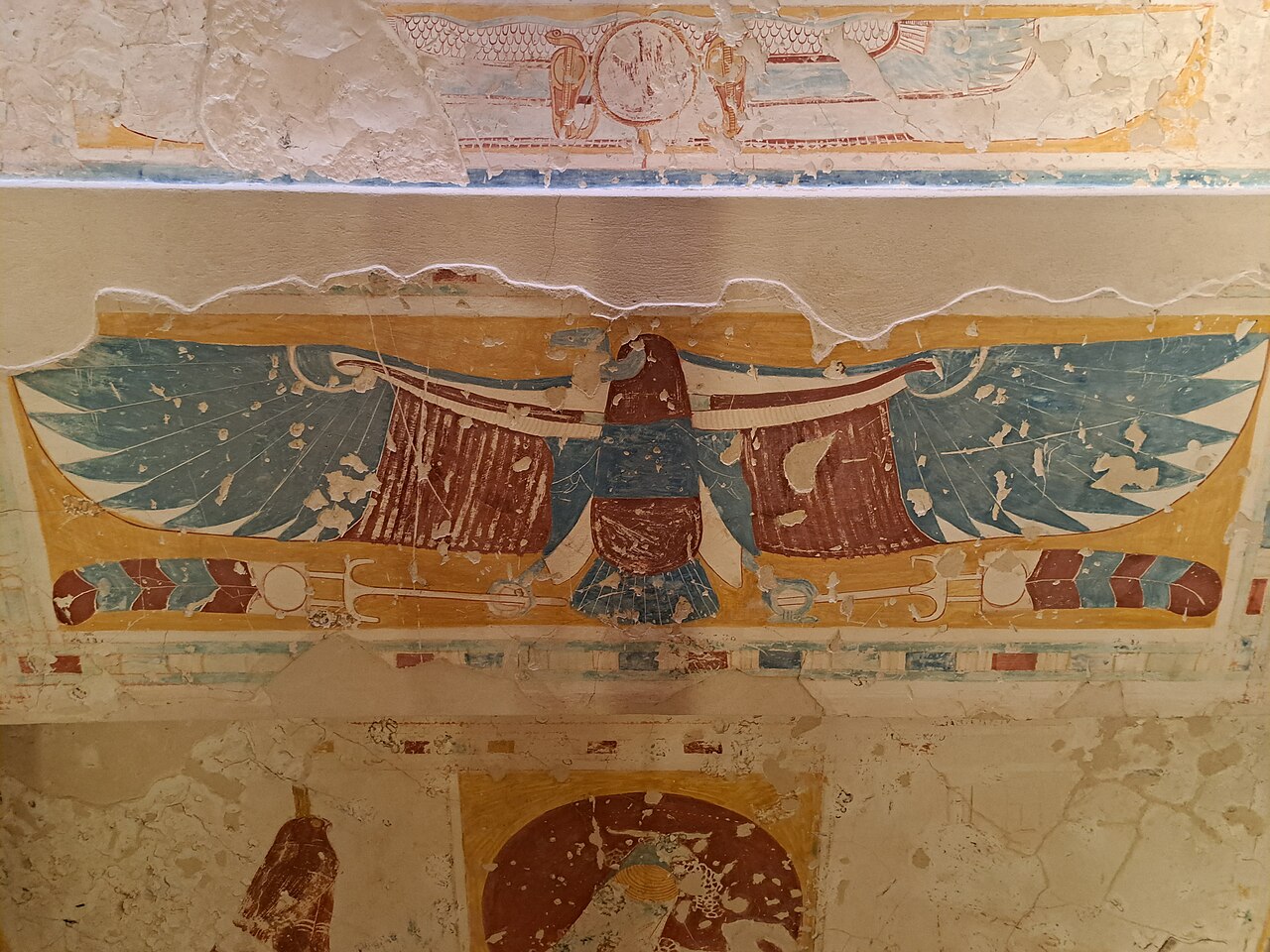
The tomb is mostly intact and is decorated with scenes from the Litany of Ra, Book of Caverns, Book of the Dead, Book of Amduat and the Book of the Heavens.
The sarcophagus is broken (probably in antiquity), and the mummy was relocated to the mummy cache in KV35.[7]
Visits in antiquity
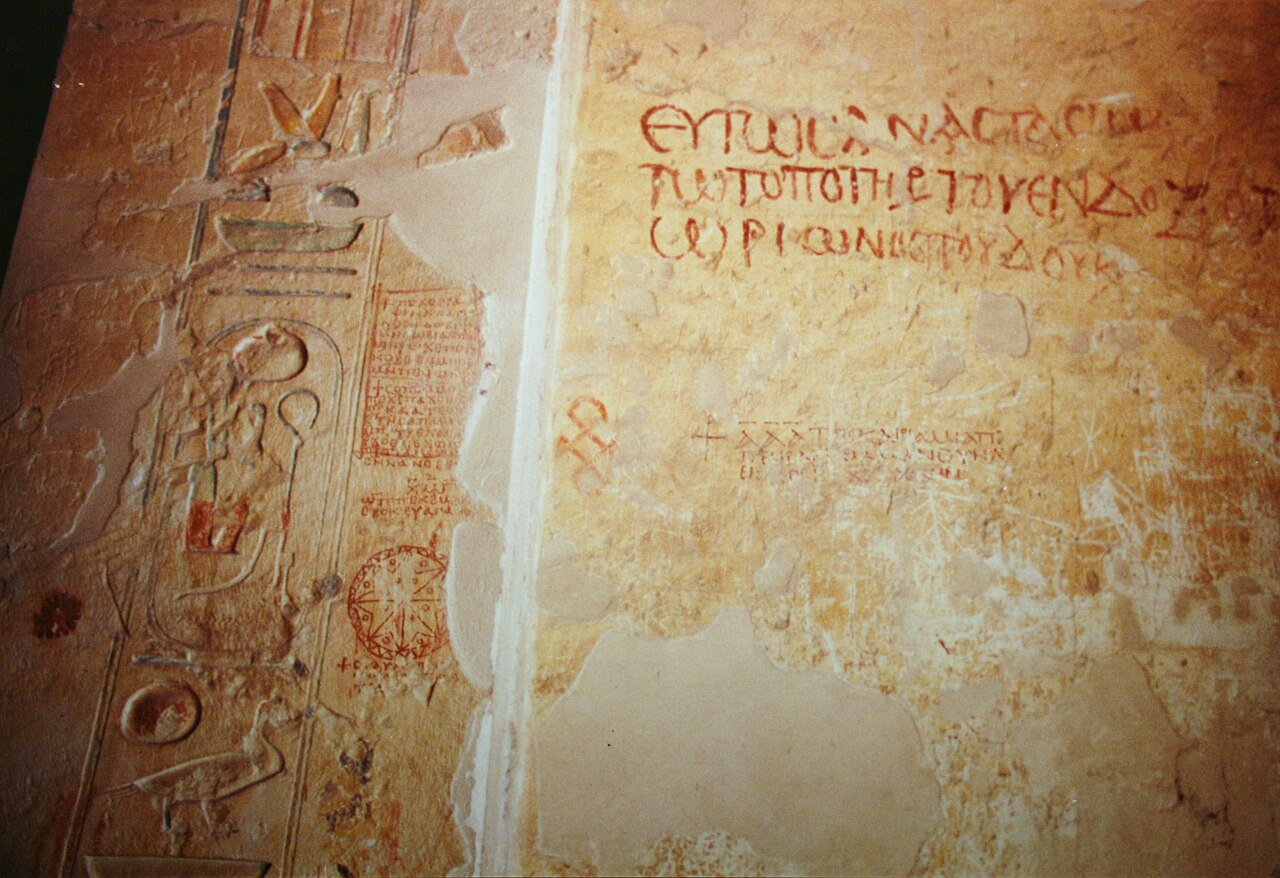
The tomb was one of about eleven tombs open to early travelers. KV2 contains the second-highest number of ancient graffiti within it (after KV9), with 656 individual graffiti left by both Ancient Greek and Roman visitors.[8] This tomb also contains around 50 or so examples of Coptic graffiti, mostly sketched onto the right wall by the entranceway.[9] The tomb was likely used as a dwelling by Coptic monks,[3] and there are also depictions of Coptic saints and crosses on the tomb's walls.[6]
Early European visitors to the area included Richard Pococke, who may have visited KV2 and designated it "Tomb B" in his Observations of Egypt, published in 1743.[10][disputed – discuss]
ナポレオンのエジプト遠征に同行した学者たちは王家の谷を調査し、そのリストの中でKV2を「IIe Tombeau」(「第二の墓」)と記した。[10]その他の注目すべき訪問者には、 1825年に墓の地図を作成したジェームズ・バートンや、1828年から1829年にかけて墓の碑文の調査を行ったフランス・トスカーナ探検隊がいる。[ 6 ]
現代の考古学的研究
考古学者エドワード・エアトンは1905年から1906年にかけて墓の入り口を発掘し、続いて1920年にハワード・カーターが発掘した。二人とも、シャブティ、多数のオストラカ、木片、ガラス片、ファイアンス焼きの破片など、もともと墓の中から出土した物質の残骸を発見した。[3]
注記

- ^ ab ドッドソン & イクラム 2008、p. 27.
- ^ ドッドソン & イクラム 2008、p. 162.
- ^ abc リーブス&ウィルキンソン 1996年、162ページ。
- ^ ドッドソン&イクラム 2008、32ページ。
- ^ ラムセス4世の墓、王家の谷、エジプト、2009年7月15日アクセス
- ^ abcd "KV 2 (Rameses IV)". www.thebanmappingproject.com . 2009年5月6日時点のオリジナルよりアーカイブ。 2018年2月26日閲覧。
- ^ リーブス&ウィルキンソン 1996年、163ページ。
- ^ リーブス&ウィルキンソン 1996年、51ページ。
- ^ リーブス&ウィルキンソン 1996年、50ページ。
- ^ リーブス&ウィルキンソン 1996年、52~53頁を参照。
参考文献
- リーブス、ニコラス、ウィルキンソン、リチャード・H (1996). 『王家の谷全集』 テムズ・アンド・ハドソン. ISBN 9780500050804。
- シリオッティ、A.(1996)『王家の谷とテーベの墓地と神殿ガイド』A.A.A.ガディス著。
- ドッドソン、エイダン、イクラム、サリマ(2008年)『古代エジプトの墓:初期王朝時代からローマ時代までの王室および私設墓地』テムズ・アンド・ハドソン社、ISBN 9780500051399。
外部リンク
- テーベ マッピング プロジェクト: KV2 – 墓の説明、画像、設計図が含まれています。


.jpg)
.jpg/1280px-KV2_Tomb_of_Rameses_IV_(9794931136).jpg)
.jpg)
.jpg/1280px-Entrance_celing_of_Ramses_IV_tomb_in_the_Valley_of_the_Kings_(KV2).jpg)
.jpg)
.jpg/1280px-Tomb_of_Rameses_IV,_Valley_of_the_Kings,_Egypt_(53956208628).jpg)


