 | This article is written like a personal reflection, personal essay, or argumentative essay that states a Wikipedia editor's personal feelings or presents an original argument about a topic. (December 2018) |
Manisa | |
|---|---|
 Aerial view of Manisa | |
| Coordinates: 38°36′52″N 27°25′45″E / 38.61444°N 27.42917°E / 38.61444; 27.42917 | |
| Country |  Turkey Turkey |
| Province | Manisa |
| Government | |
| • Mayor | Besim Dutlulu (CHP) |
| Elevation | 71 m (233 ft) |
| Population (2022)[1] | |
| • Urban | 385,452 |
| Time zone | UTC+3 (TRT) |
| Website | www.manisa.bel.tr |

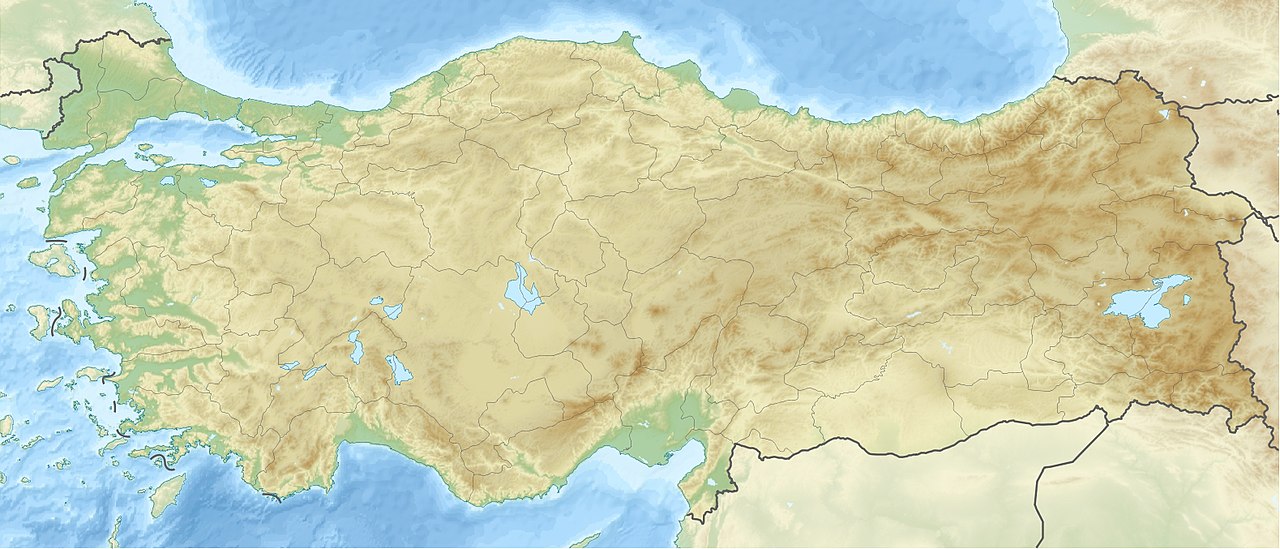


Manisa (Turkish pronunciation: [maˈnisa]) is a city in Turkey's Aegean Region and the administrative seat of Manisa Province, lying approximately 40 km northeast of the major city of İzmir. The city forms the urban part of the districts Şehzadeler and Yunusemre, with a population of 385,452 in 2022.[1]
Modern Manisa is a booming center of industry and services, advantaged by its closeness to the international port city and the regional metropolitan center of İzmir and by its fertile hinterland rich in quantity and variety of agricultural production. In fact, İzmir's proximity also adds a particular dimension to all aspects of life's pace in Manisa in the form of a dense traffic of daily commuters between the two cities, separated as they are by a half-hour drive served by a fine six-lane highway nevertheless requiring attention at all times due to its curves and the rapid ascent (sea-level to more than 500 meters at Sabuncubeli Pass) across Mount Sipylus's mythic scenery.
The historic part of Manisa spreads out from a forested valley in the immediate slopes of Sipylus mountainside, along Çaybaşı Stream which flows next to Niobe 's "Weeping Rock" ( "Ağlayan Kaya" ), an ancient bridge called the "Red Bridge" ( "Kırmızı Köprü" ) as well as to several tombs-shrines in the Turkish style dating back to the Saruhan period (14th century). Under Ottoman rule in the centuries that followed, the city had already extended into the undulated terrain at the start of the plain. In the last couple of decades, Manisa's width more than tripled in size across its vast plain formed by the alluvial deposits of the River Gediz, a development in which the construction of new block apartments, industrial zones and of Celal Bayar University campus played a key role.
マニサ市は、特に3月と9月の祭りの時期には多くの人が訪れます。前者の祭りは500年続く「メシルペースト配布」の伝統の継続であり、近くのスピル山国立公園にも訪れられます。また、マニサの属州内にあるサルデスや内陸部のアラシェヒル(古代フィラデルフィア)など、国際的に高く評価されている他の観光名所への出発点でもあります。この都市にはユダヤ人コミュニティもありました。[2] [3]
名称と語源

歴史的に、この都市はマグネシアとも呼ばれ、より正確にはマグネシア・アド・シピュルムと呼ばれていました。これは、比較的南に近いメアンダー川沿いのマグネシアと区別するためです。伝統的な見解では、「マグネシア」という名前は、この地域の記録された歴史の黎明期にテッサリアから移住してきたマグネテス族に由来するとされています。 [4]特にヒッタイトの文書館で発見された資料に基づいて、アナトリアの土着言語との関連も示唆されています。[要出典]この名前は、古代ギリシャ語と現代ギリシャ語でΜαγνησίαと表記され ます
「マグネシア・アド・シピュロス」という名称は、街を見下ろすシピュロス山(スピル山)に由来し、マグネシアはローマ支配下、特に紀元前190年のマグネシアの戦い以降、重要な都市となりました。この地の集落を指す「シピルス」または「シピュルム」という名称も、いくつかの文献に見られ、これも山を指し、略称として用いられています。大プリニウスは、他の文献も踏まえて、かつてこの地に「タンタリス」[5] 、つまり「タンタロスの都市」と呼ばれる非常に有名な都市があったと述べています。その遺跡は、彼の時代にもまだ見ることができます[6] 。
トルコ統治下では、この地域でオスマン帝国に先立つベイリクを築いた「サルハン」のベイ家に付けられた名前が、マニサの名称と共に、都市と地域の呼称として現在まで交互に公式に使用されてきた。オスマン・トルコ語の「マニサ」(ماغنيسا)という名称は、通常現在も使用されている形式であったが、最初の音節が長い現代トルコ語表記の「Mağnisa」も時折見られた。オスマン帝国の最初の数世紀、スルタンの息子の多くがマニサで教育を受け、この都市はトルコで現在でも「シャフザードの都市」(Şehzadeler şehri )として広く知られており、アマスィヤとトラブゾンに次いでマニサ独特の名称である。
英語の語源 「magnesia」は、 「magnet(磁石)」や「magnetism(磁性)」といった数多くの派生語、そして他の多くの言語における同義語の語源となったが、この都市名に由来している可能性がある。
歴史
,_Roman_period,_Archaeological_Museum_of_Manisa,_Turkey_(31313938383).jpg/1280px-Head_of_woman,_from_Philadelphia_in_Lydia_(modern-day_Ala%C5%9Fehir),_Roman_period,_Archaeological_Museum_of_Manisa,_Turkey_(31313938383).jpg)
先史時代
マニサ地方の先史時代の痕跡は数は少ないものの、西アナトリアの過去を解明する非常に興味深い発見が2つあります。1つ目は、紀元前2万年から2万5千年頃のものとされる50個以上の足跡化石で、1969年にトルコの鉱物探査機関であるMTAによって、マニサの属地であるサリフリ近郊のシンデル村で発見され、村名で呼ばれています。これらの足跡の一部は現在マニサ博物館に展示されており、先史時代の壁画も存在する足跡の起源地であるシンデルは、欧州委員会との共同プロジェクトを通じてトルコ初のジオパークとなる予定です。
初期青銅器時代
2つ目の発見は、トロイII (紀元前3000~2500年)と同時代の墓で、マニサ北部のクルカガチ地区中心部近くのヨルタン村で発見されました。これらの墓で観察された独自の埋葬習慣は、学者たちにアナトリアの先史時代における「ヨルタン文化」の定義へと導きましたが、その多くの側面はまだ調査されていません。[7]
ルウィ人、ヒッタイト人、フリギア人、リディア人
Central and southern parts of western Anatolia entered history with the still obscure Luwian kingdom of Arzawa , probably offshoots, as well as neighbors and, after around 1320 BCE, vassals of the Hittite Empire . Cybele monument located at Akpınar on the northern flank of Mount Sipylus, at a distance of 7 km (4 mi) from Manisa on the road to Turgutlu is, along with the King of Mira rock relief at Mount Nif near Kemalpaşa and a number of cuneiform tablet records are among the principal evidence of extension of Hittite control and influence in western Anatolia based on local principalities. Cybele monument by itself represents a step of innovation in Hittite art where full-faced figures in high relief are rare. The first millennium BC saw the emergence in the region of " Phrygians " and " Maeonians ", the accounts concerning which are still blended with myths, [a] and finally of Lydians . Such semi-legendary figures like the local ruler Tantalus , his son Pelops , his daughter Niobe , the departure of a sizable part of the region's population from their shores to found, according to one account, the future Etruscan civilization in present-day Italy, are all centered around Mount Sipylus, where the first urban settlement was probably located, and date from the period prior to the emergence of the Lydian Mermnad dynasty . It has also been suggested that the mountain could be the geographical setting for Baucis and Philemon tale as well, while most sources still usually associate it with Tyana (Hittite Tuwanuwa ) in modern-day Kemerhisar near Niğde . [8]
紀元前7世紀初頭、新たに樹立されたメルムナド王朝の支配下にあるリディア人は、現在のマニサ地域を中心地とし、マニサから62km(39マイル)内陸に位置する首都「スファルド」(サルド、サルデス、サルディス)からアナトリアの大部分を支配下に置きました。現在も残る首都の遺跡は、複数の文明の遺跡を集約しています。
ヘレニズム時代、ローマ時代、ビザンチン時代
.jpg/1280px-Archaeological_Museum_of_Manisa,_Turkey_(32005605531).jpg)
古代ローマ人の間では、この都市はマグネシア・アド・シピュルムとして知られていました。紀元前190年、ローマ共和国の軍隊はマグネシアの戦いでセレウコス朝のアンティオコス大王を破りました。マグネシア・アド・シピュルムはローマ統治下で重要な都市となり、ティベリウス(西暦14年から37年までのローマ皇帝)の治世中に地震でほぼ破壊されましたが、皇帝によって復興され、ローマ帝国時代を通じて繁栄しました
1076年、ビザンチン帝国は1071年のマンジケルトの戦いの余波で、セルジューク朝にこの都市を失いました。その後、1097年のドリュラエウムの戦いで十字軍が勝利したことで、ビザンチン皇帝アレクシオス1世はマグネシアを奪還しました。マグネシアはビザンチン統治下、そして13世紀のニカイア帝国(1204年から1261年)の幕間期においても重要な地域の中心地でした。マグネシアには帝国造幣局と帝国の宝庫が置かれ、1261年にコンスタンティノープルが奪還されるまでニカイア帝国の機能的な首都として機能しました。 [9]ニカイア時代の要塞の遺跡は、後期ビザンチン時代におけるこの都市の重要性を証明しており、この事実は13世紀の ビザンチンの歴史家ゲオルギオス・アクロポリテスによっても言及されています
![[icon]](http://upload.wikimedia.org/wikipedia/commons/thumb/1/1c/Wiki_letter_w_cropped.svg/1280px-Wiki_letter_w_cropped.svg.png) | This section needs expansion. You can help by adding to it. (September 2008) |
トルコ時代(セルジューク朝、サルハン朝、初期オスマン帝国時代)

| 年 | 人口 | ±% |
|---|---|---|
| 1531 | 6,500 | — |
| 1575 | 8,250 | +26.9% |
| 1911 | 35,000 | +324.2% |
| 1927 | 28,328 | −19.1% |
| 1935年 | 36,431 | +28.6% |
| 1960年 | 77,464 | +112.6% |
| 1980年 | 111,228 | +43.6% |
| 2000年 | 149,151 | +34.1% |
 | This section appears to contradict itself on Magnesia's status by the 15th century; was it in ruins still, or was it an important city? (There are no reliable sources cited in that part of the text so I'm leaving it be, but it should at least attempt to create a harmonized narrative (accounts conflict etc.)). (July 2023) |
14世紀初頭、マグネシア地方はトルコの侵攻部隊による度重なる襲撃に見舞われた。[10]地元住民はトルコの襲撃を撃退することができなかった。そのため、ビザンツ皇帝率いる防衛が失敗に終わった後、住民の大半はエーゲ海沿岸やビザンツ帝国のヨーロッパ地域へと逃れた。[10]トルコによるこの地域への侵攻と都市の破壊の結果、この地域は大部分が放棄された。[10] 1313年、マニサはサルハンのベイリク(同名のベイが率いる)によって占領され、トルコの永久的領土となった。ベイはセルジューク朝の貢物として始まり、1346年まで統治した。ベイの息子たちは1390年までこの地域を支配し、その年に彼らの領土は拡大するオスマン帝国に初めて編入された。アンカラの戦いの後、オスマン帝国の空位期間による短い中断期間を経て、マニサとその周辺地域は1410年にオスマン帝国の一部となりました 。
15世紀にも、マニサは以前のトルコの襲撃により完全に廃墟と化していたことが記録されています。[10]オスマン帝国のサルハン・サンジャクの中心都市として、この都市はシャーザード(皇太子)の訓練場となり、オスマン建築の多くの例が建てられ、帝国で最も裕福な地域の一つとして際立っていましたIn a practice started by Murad II in 1437, fifteen members of the Ottoman dynasty, including two among the most notable, namely Mehmed II and Süleyman I , held the administration of the city and of its dependencies in seventeen near-continuous periods until 1595. Although the sanjak of Saruhan officially depended on the eyalet of Anadolu with its seat in Kütahya , a large degree of autonomy was left to the princes for them to acquire the experience of government. This practice was discontinued in 1595, largely due to the growing insecurity in the countryside, precursor of Jelali Revolts , and a violent earthquake dealt a severe blow to the Manisa region's prosperity the same year.

1700年頃、マニサには約2,000人の納税者と300軒の敬虔な信者の集い(ヴァクフ)があり、綿花市場と、街の名を冠した革製品で有名でした。人口の大部分が定住し始め、定住生活を送るようになり、イズミールの発展はまだ初期段階にあったため、マニサは東からの隊商の終着点となりました。[11]しかし、前世紀にはすでに、オルランドのような影響力のある西洋商人が、しばしば地元の軍閥である山賊チェンネトグル(西アナトリアの長いエフェの伝統における最初の一人として言及されることもある)と協定を結んでおり、1620年代に解散したオスマン帝国の兵士や反逆者からなる大部隊を編成し、マニサ周辺の肥沃な土地の多くを支配下に置いた。これにより、商業に敏感なギリシャ人とユダヤ人の人々が港湾都市へと移動するきっかけが生まれた。[12]
オスマン帝国後期のマニサ

1595年から1836年の間、サルハン(マニサ)のサンジャクは、オスマン帝国の皇太子時代と同様に、アナドル県に所属していました。1836年から1867年の間、サルハンとその属州は短命に終わったアイドゥン県の一部となり、アイドゥン県は1867年の行政改革により州となりました。この時期、サルハン(マニサ)は、さらに短い期間である1845年から1847年の間に、「サルハン県」という名称の独自の県を有していました。サルハン・サンジャクが属していた州都は、当初はアイドゥン市(1827~1841年、1843~1846年)でしたが、後にスミルナ(1841~1843年、1846~1864年) に移されました
Manisa was one of the first cities in the Ottoman Empire to benefit from the arrival of a railway line, with the 93 km (58 mi) Smyrna Cassaba Railway , whose construction was started from Smyrna in 1863 and which reached its first terminus at Manisa's depending Kasaba in 1866. This railway was the third started within the territory of the Ottoman Empire at the time and the first finished within the present-day territory of Turkey. [b] Instead of being laid along the direct route eastwards from Smyrna to Kasaba, about fifty kilometers in length, the line built drew a wide arc advancing first to the north-west from İzmir, through its Karşıyaka suburb to whose foundation it contributed greatly, and curves eastwards only from Menemen on, crossing the former sanjak and the present-day province center of Manisa to join Kasaba (now Turgutlu ) from the north. The first concession under the name was granted to a locally based English entrepreneur named Edward Price, who founded the company and built the line. This railway was extended further east by the same company between 1872 and 1875 to reach Alaşehir at a distance of 76 km (47 mi) from Kasaba and a connection northwards starting from Manisa itself was built between 1888 and 1890 to reach the lignite -rich Soma , another dependency of Manisa, through a 92 km (57 mi) line. Price sold the whole network in 1893 to the Franco-Belgian group Compagnie Internationale des Wagons-Lits , which extended it further east to Afyonkarahisar in 1896 and further north to Bandırma in 1912. [13] The line was nationalized in 1934 by the young Republic of Turkey in the frame of a general move started in the 1920s regarding Turkey's railways.
20世紀

After the Young Turk revolution (1908) the local Greek community was subject to wide scale boycott, as noted by the local British ambassador. [14] Manisa was temporarily occupied by the Greek Army on May 26, 1919, during the Greco-Turkish War (1919-1922) , before finally being recaptured by the Turkish Army on September 8, 1922. The retreating Greek Army burned the city . Over ninety percent of Manisa was destroyed by the retreating Greek Army as part of the scorched-earth policy . [15] [全文引用要]ギリシャ軍撤退直後に被災地の大部分を視察した、当時コンスタンティノープル駐在の米国副領事ジェームズ・ローダー・パークは、スミルナ周辺の都市や町の状況を次のように述べている。 [16] 「マグネシア…ほぼ完全に火災で焼失…10,300戸の家屋、15のモスク、2つの浴場、2,278の商店、19のホテル、26の別荘…[破壊された]。」第3代キンロス男爵パトリック・バルフォアは次のように記している。「歴史的な聖地マニサの18,000棟の建物のうち、残ったのはわずか500棟だった。」[17]
マニサは1923年、新トルコ共和国の下で再建され、サルハン州の中心地となった。州名は1927年に都市名と同様にマニサに変更された。
気候
マニサは地中海性気候(ケッペンの気候区分:Csa、トレワーサの気候区分:Cs)で、夏は暑く乾燥し、冬は短く涼しく雨が多いです。マニサの夏は西隣のイズミルよりも暑く、冬は内陸に位置するため寒くなります。降雪はまれですが、ほとんどの冬に積雪があり、1945年1月には44cmという記録的な積雪がありました。
記録は1930年に始まりました。最高気温の記録は2007年7月25日の45.5℃(113.9℉)、最低気温の記録は1942年1月4日の-17.5℃(0.5℉)でした。
| マニサの気候データ(1991~2020年、極値1930~2023年) | |||||||||||||
|---|---|---|---|---|---|---|---|---|---|---|---|---|---|
| 月 | 1月 | 2月 | 3月 | 4月 | 5月 | 6月 | 7月 | 8月 | 9月 | 10月 | 11月 | 12月 | 年 |
| 最高気温(°C) | 24.2 (75.6) |
26.4 (79.5) |
33.5 (92.3) |
34.7 (94.5) |
40.6 (105.1) |
43.4 (110.1) |
45.5 (113.9) |
44.7 (112.5) |
42.4 (108.3) |
38.2 (100.8) |
31.6 (88.9) |
26.4 (79.5) |
45.5 (113.9) |
| 日平均最高気温 ℃ (°F) | 10.7 (51.3) |
12.9 (55.2) |
16.8 (62.2) |
21.7 (71.1) |
27.6 (81.7) |
32.7 (90.9) |
35.7 (96.3) |
35.7 (96.3) |
31.1 (88.0) |
24.8 (76.6) |
17.6 (63.7) |
12.0 (53.6) |
23.3 (73.9) |
| 日平均気温 (°F) | 6.3 (43.3) |
7.9 (46.2) |
11.0 (51.8) |
15.2 (59.4) |
20.7 (69.3) |
25.7 (78.3) |
28.6 (83.5) |
28.5 (83.3) |
23.7 (74.7) |
18.2 (64.8) |
11.9 (53.4) |
7.8 (46.0) |
17.1 (62.8) |
| 日平均最低気温 °C (°F) | 3.0 (37.4) |
4.1 (39.4) |
6.1 (43.0) |
9.6 (49.3) |
14.4 (57.9) |
19.1 (66.4) |
22.2 (72.0) |
22.3 (72.1) |
17.5 (63.5) |
13.1 (55.6) |
7.7 (45.9) |
4.7 (40.5) |
12.0 (53.6) |
| 過去最低気温 °C (°F) | −17.5 (0.5) |
−10.9 (12.4) |
−6.7 (19.9) |
−2.7 (27.1) |
2.0 (35.6) |
7.4 (45.3) |
10.5 (50.9) |
8.5 (47.3) |
3.3 (37.9) |
−0.9 (30.4) |
−7.3 (18.9) |
−9.9 (14.2) |
−17.5 (0.5) |
| 平均降水量(mm) | 123.5 (4.86) |
108.4 (4.27) |
75.9 (2.99) |
54.9 (2.16) |
39.0 (1.54) |
25.1 (0.99) |
7.7 (0.30) |
11.2 (0.44) |
22.8 (0.90) |
53.8 (2.12) |
85.5 (3.37) |
116.8 (4.60) |
724.6 (28.53) |
| Average precipitation days | 10.53 | 10.87 | 9.17 | 8.43 | 6.87 | 3.67 | 1.07 | 0.87 | 2.57 | 5.93 | 8.5 | 11.73 | 80.2 |
| Average snowy days | 0.6 | 0.56 | 0 | 0 | 0 | 0 | 0 | 0 | 0 | 0 | 0 | 0.31 | 1.47 |
| Average relative humidity (%) | 75.6 | 71.1 | 65.1 | 60.5 | 53.9 | 47.7 | 43.2 | 45.1 | 51.1 | 62.2 | 72.4 | 77.3 | 60.4 |
| Mean monthly sunshine hours | 77.5 | 93.2 | 145.7 | 162.0 | 223.2 | 267.0 | 288.3 | 279.0 | 225.0 | 170.5 | 102.0 | 58.9 | 2,092.3 |
| Mean daily sunshine hours | 2.5 | 3.3 | 4.7 | 5.4 | 7.2 | 8.9 | 9.3 | 9.0 | 7.5 | 5.5 | 3.4 | 1.9 | 5.7 |
| Source 1: Turkish State Meteorological Service [18] | |||||||||||||
| 出典2:NOAA(湿度)[19]、Meteomanz(2008~2023年の降雪日数)[20] | |||||||||||||
料理
The cuisine of Manisa is known for several types of kebabs. Manisa Kebab is a type of shish kebab prepared with a combination of minced beef and lamb. It is served on chopped up pita and with grilled tomato and peppers, and onion salad. Lastly, melted butter and sumac is added on top. It may also be served with yogurt.[21]

Health
Air pollution is a chronic problem here.[22]
Architectural landmarks


The 16th century Sultan Mosque was built for Ayşe Hafsa Sultan, Süleyman the Magnificent's mother. In her honor, Mesir Festival (featuring the "Mesir Paste" (Turkish: Mesir Macunu), a spiced paste in the form of candy, and claimed to restore health, youth and potency, is held every year in March, in the grounds of this mosque, and is an occasion for public gathering as well as attendance by personalities of fame and prominence at national scale.
The mosque is part of a large külliye - a religious complex - among whose buildings the hospital "darüşşifa" is particularly notable. Specialized in mental diseases, the medical center was in activity until the beginning of the 20th century when new buildings were built within the same compound. That Turkey's only two institutions specialized on mental health were until recently located in İstanbul district of Bakırköy and in Manisa gave way in Turkey's public lore to gentle innuendos on the challenging spirit of the natives - Manisalı.
One such likeable eccentric of the 20th century was Ahmet Bedevi, the Tarzan of Manisa or "Manisa Tarzanı", a figure who became a symbol for the city by contributing to raising consciousness for protection of the environment across Turkey and a reference especially since the 1960s when an important reforestation effort covering thousands of hectares was made in and around Manisa.[23]
The Muradiye Mosque of the 16th century was built by the great architect Mimar Sinan (and completed by Sedefkar Mehmed Agha), and the 'Murad Bey Medresse now houses the Archaeological Museum of Manisa.
Manisa celebrates the Vintage Festival every September, when the fruits of the vineyards are celebrated. The vineyards surround the city and provide dry fruit for export from İzmir, and grapes for wine making.
Jewish presence
マニサのユダヤ人の歴史は15世紀後半に遡ります。1492年のスペインからの追放を逃れたセファルディ系ユダヤ人がオスマン帝国に避難し、バルカン半島を経由してマニサに到着したのです。[24] 1531年までに約500人のユダヤ人がこの都市に住み、当時西アナトリアで最大のユダヤ人コミュニティとなりました。16世紀には、マニサのユダヤ人は中流階級および上流階級の商人として繁栄し、布地、ワイン、穀物、ドライフルーツなどの商品を外国商人と地元生産者の間で仲介していました。[24]この繁栄は17世紀半ばまでに衰退し、ギリシャ人とアルメニア人の商人がユダヤ人を経済的役割から追い出しました。[24]
ユダヤ人コミュニティは19世紀に復活を遂げ、1914年までに2100人を超えるまでに成長しました。その後、コミュニティは行商、布地販売、絹製造、仕立て屋、ガラス加工、マッチ販売に従事しました。[24] 19世紀後半、イスラエル万国同盟は町に学校を設立しました。 [24] 1919年のギリシャ占領とそれに続くユダヤ人地区とイスラム教徒地区の火災による破壊の後、マニサのユダヤ人人口は急激に減少しました。[24]多くのユダヤ人は米国(特に慈善家モリス・シナシ)、ヨーロッパ、そして1948年以降はイスラエルに移住しました。[24]
現代のマニサ
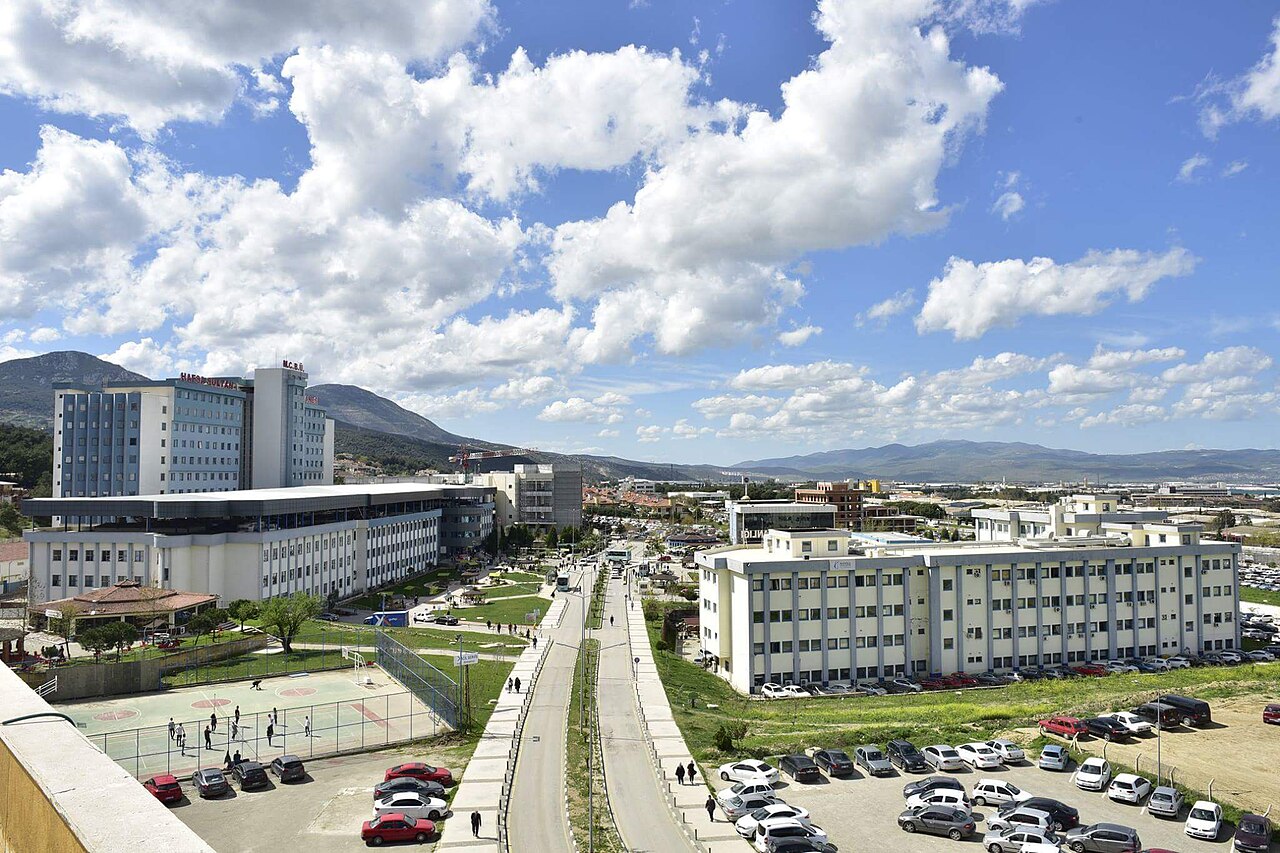
マニサとそのいくつかの従属地区の中心地は、ここ数十年で工業生産基盤をしっかりと確立することに成功しました。これは、1世紀にわたる大規模な農業加工および関連活動(小麦粉、オリーブオイル、基礎繊維、皮革製品、農具、綿繰りの生産)によって、当初から継続的に支えられてきました。オリーブ、クルミ、アーモンドの栽培は、マニサの重要な農業活動の一部です。[25]
州知事が発表した数字によると、2007年のマニサ州企業総数5,502社のうち、694社が認定工業企業であり、合計44,449人を雇用しています。694社のうち、マニサ中心部は238社の工業生産企業を擁し、トップを占めています。これにトゥルグトゥル(工業企業125社)、アキサル(100社)、サリフリ(78社)といった従属センターが僅差で競い合い、サルハンル(33社)、アラシェヒル(30社)、クラ(28社)、デミルチ(20社)、ソーマ(17社)が続いています。[c]
マニサの企業が従事している主要な産業活動には、食品(196社)、建築資材(114社)、金属製品(85社)、繊維産業と衣料産業(46社)、綿繰り(43社)などがあります。従業員数が最も多いのは、電子・電気機器、食品、建設業です。
1980年代にトルコの家電・白物家電大手ヴェステルがマニサを生産拠点として選んだことは、今日の高度な技術レベルにとって重要な推進力となりました。今日、マニサの経済活動は単一の企業に限定されるものではありません。マニサは2004年に約2億米ドルのFDIを記録し、イタリアの白物家電メーカーIndesit、ドイツの電気製品メーカーBosch、英国の包装メーカーRexam、英国のインペリアル・タバコなどの有名企業がマニサに投資しています
2004/2005年、マニサはFDi誌が毎年恒例の「ヨーロッパの未来の都市と地域」の投票で、200の候補都市の中から最も費用対効果の高いヨーロッパの都市に選ばれました。オフィスと工業地帯の賃料が非常に低く、人件費も競争力があることが特に評価されました。[26] 2006/2007年にも、マニサはヨーロッパの89都市の中から「ヨーロッパで最も経済的に可能性が高い都市」部門で優勝し、「南ヨーロッパの未来の都市」(トルコが優勝)と「ヨーロッパで最も費用対効果の高い都市」部門で準優勝しました。[27]
この街にはサッカーチーム「マニサスポル」もあり、スュペル・リグでホームカラーは赤と白、アウェイカラーは黒と白です。マニサスポルのホームスタジアムはマニサ19メイス・スタジアムです。
著名な出身者

初期
グレコ・ローマ時代
- パウサニアス(地理学者)(おそらく) - 紀元2世紀のギリシャの旅行家、地理学者、作家
サルハン・オスマン時代
- サルハン朝 - 14世紀にマニサ地方を支配したトルコのベイリク朝
- ララ・メフメト・パシャ- 16世紀のオスマン帝国の大宰相
- ゲレンベヴィ・イスマイール・エフェンディ- オスマン帝国の数学者、学者
- カラオスマノール家- 18世紀半ばから19世紀半ばにかけて、アキサル、マニサ、イズミルを拠点に、高い自治権をもって統治した地方領主(アヤン)の王朝。後に作家ヤクップ・カドリ・カラオスマノールなどの著名な人物も輩出した。
- グレゴリー(オロロガス)、アイワルクのギリシャ正教会大主教。1922年にトルコ軍によって処刑された。
- モリス・シナシ(トルコ語:モリス・シナシ、出生名ムサ・エスケナジ、1855年4月27日 - 1928年9月10日)は、オスマン帝国生まれの裕福なアメリカ人実業家で、タバコ業界に携わっていた。
トルコ共和国
- ジェラル・バヤル- 政治家、トルコ第3代大統領、民主党(トルコ、1946~1960年)創設者
- ヒルミ・オズコック-トルコ陸軍大将、元参謀総長
- ケナン・エヴレン- 陸軍大将、軍事クーデター指導者、トルコ第7代大統領
- ビュレント・アリンチ- 政治家、トルコ大国民議会 元 議長
- オズギュル・オゼル- 政治家、トルコ大国民議会議員
国際関係
近年、海外の世論に情報を提供するための多くの調査が行われています。この目的のため、マニサ文化芸術観光協会(MAKSAT)が実施する「歴史と文明の出会いの地:マニサ」プロジェクトの一環として、ウェブサイトwww.manisahistory.comの配信が開始されました。
姉妹都市
マニサは以下の都市と姉妹都市です。[28]







参照
注釈
- ^ 「メオニア人」は「リディア人」の以前の呼び名だったという説もありますが、別の説では、メオニア人はこの地域でリディア人より先に存在し、リディア社会の基盤として、特に南部の山岳地帯ではリディア人に隣接して存在し続けていた可能性があるとされています。リディア人が自らについて語っていたことのほとんどは失われており、歴史家は二次資料に頼らざるを得ませんが、クラ地区とサリフリ地区の中心地の間には、地元では今でも「メニェ」(正式名称はギョクチェオレン)と呼ばれる村が存在します。村の周辺には豊富な古代の痕跡が肉眼で確認でき、予備的な地表探査はごく最近になって始まったばかりです。
- ^ ドブルヤ(現在のルーマニア)に建設された短い路線はそれ以前に着工・完成しており、イズミル・アイドゥン鉄道は1856年に着工しましたが、スミルナ・カッサバ鉄道の1年後の1867年に完成しました
- ^ 記載されている数値には、ソマの褐炭鉱山(2007年の生産量1,000万トン)と火力発電所(2007年の電力生産量70億kWh)は含まれていません。
出典
- マニサ(トルコ語)。マニサ知事。2007年4月。
- ジョージ・E・ビーン(1967年)。『エーゲ海トルコ:考古学ガイド』。アーネスト・ベン、ロンドン。ISBN 978-0-510-03200-5。
- ロージー・エイリフ、マーク・デュビン、ジョン・ゴースロップ(2003年)。『トルコへのラフガイド』。『ラフガイド』 。313ページ。ISBN 1-84353-071-6。
- ^ ab "Manisa". citypopulation.de。2024年1月26日閲覧
- ^ アヴォタイヌ:ユダヤ人系譜の国際レビュー、第14巻、G. モコトフ、1998年、40ページ。
- ^ 「マニサ(マグナシア)、ユダヤ人コミュニティ」。
- ^ フリーリー、ジョン(2014年)。『ホメロスへの旅行ガイド:トルコと地中海を巡るオデュッセウスの足跡』。ロンドン:IBタウリス。ISBN 978-0857734945
マグネシア・アド・シピュルムは、シピュロス山の麓、スミュルナの北東に位置していた。[…] これらの2つの都市の創設者は、ギリシャ北部のマグネシア出身のアイオリス人、いわゆるマグネテス人であると言われている…
- ^ ジョージ・ペロー(2007年)。『フリギア、リディア、カリア、リュキアの美術史』(フランス語と英語)。マートン・プレス。62ページ。ISBN 978-1-4067-0883-7。
- ^ ジェームズ・ジョージ・フレイザー(1965) [1900]. 『パウサニアスとその他のギリシアのスケッチ』、後に『パウサニアスのギリシア記述』と改題。ケッシンジャー出版社。ISBN 978-1-4286-4922-4。
- ^ K. Lambrianides (1992). 「トルコのエーゲ海沿岸における予備調査とコアサンプリング」. Anatolian Studies . 42 : 75–78 . doi :10.2307/3642952. JSTOR 3642952. S2CID 131663490.
- ^ CPJones (1994). 「バウキスとフィレモンの伝説(オウィディウス『変身物語』8.611-724)の地理的背景」. Harvard Studies in Classical Philology . 96 : 203–223+I–IV. doi :10.2307/311324. JSTOR 311324
- ^ ジョージ・アクロポリテス著『歴史』(ルース・マクライド編)、オックスフォード大学出版局、2007年、171ページ。
- ^ abcd スペロス・ヴリオニス・ジュニア(2008年)『小アジアにおける中世ヘレニズムの衰退と11世紀から15世紀にかけてのイスラム化の過程』ニューヨーク:アメリカ学会協議会、252、254、259ページ。ISBN 978-1-59740-476-1。
- ^ カレン・バーキー(1994年)『盗賊と官僚:オスマン帝国における国家中央集権化への道』コーネル大学出版局、243ページ、付録I:研究対象地域。ISBN 0-8014-8419-7。
- ^ エデム・エルデム、ダニエル・ゴフマン、ブルース・アラン・マスターズ (1999)。「イズミール:村から植民地港湾都市へ」『東西のオスマン都市:アレッポ、イズミール、イスタンブール』ケンブリッジ大学出版局、91ページ。ISBN 0-521-64304-X。
- ^ ラルフ・ロス、ギュンター・ディンホブル編 (2008)。『国境を越えて:19世紀と20世紀における世界の鉄道資金調達』アッシュゲート出版、188ページ。ISBN 978-0-7546-6029-3。
- ^ シリニアン、ジョージ・N. (2017). オスマン帝国におけるジェノサイド:アルメニア人、アッシリア人、ギリシャ人、1913–1923. ベルガーン・ブックス. 43ページ. ISBN 978-1-78533-433-7
マニサのような小さな町や、ギリシャ人の零細商人がどこにでもいる村々では、非常に厳しい形のボイコットが行われています。ラヤ(商店)に入るイスラム教徒やギリシャ人は全員殴打され、自由な商業や平等の象徴はすべて終わりを迎え、現状では多くの地域でギリシャ人とアルメニア人の立場はますます維持できなくなっています。
- ^ ロージー・エイリフ、マーク・S・デュビン、テリー・リチャードソン、ジョン・ゴースロップ (2003).トルコ. 313ページ
- ^ ジェームズ・ローダー・パーク米国副領事から国務長官宛、スミルナ、1923年4月11日。米国公文書館 US767.68116/34
パーク領事は次のように結論付けました。
「1. 我が一行が訪れた内陸都市の破壊はギリシャ人によって行われた。」
「2. 言及した最後の4都市のそれぞれにおける破壊された建物の割合は、マニサ90%、カッサバ(トゥルグトゥル)90%、フィラデルフィア70%、サリフリ65%であった。」
「3. これらの都市の焼き討ちは、散発的でも断続的でも偶発的でもなかったが、よく計画され、徹底的に組織化されたものであった。」
4. 身体的暴力の事例は数多くあり、そのほとんどは意図的かつ無慈悲なものでした。完全な数字は入手不可能でしたが、検討対象の4都市において、引退したギリシャ人によって犯された「残虐行為」の数は数千に上ると推測できます。これらは、殺人、拷問、強姦という、通常の残虐行為の3つのタイプすべてで構成されていました。 - ^ キンロス卿(1960) アタチュルク:国家の再生. ワイデンフェルド&ニコルソン. 318ページ. ISBN 978-0-297-82036-9。
{{cite book}}: ISBN / Date incompatibility (help) - ^ 「Resmi İstatistikler: İllerimize Ait Mevism Normalleri (1991–2020)」(トルコ語)。トルコ国立気象局。 2021年4月25日閲覧
- ^ 「世界気象機関 1991~2020年の気候の平年値:マニサ」(CSV) ncei.noaa.gov国立海洋大気庁。2024年6月25日閲覧。WMO
観測所番号:17186
- ^ 「マニサ - 月別気象データ」meteomanz 。2024年7月18日閲覧。
- ^ 「マニサのケバブ」www.ntv.com.tr(トルコ語) 。 2022年11月4日閲覧。
- ^ 「ブラックレポート2020:大気汚染と健康影響」(レポート)(トルコ語)。きれいな空気への権利プラットフォームトルコ。2020年8月
- ^ George Maxim Anossov Hanfmann - Jane C. Waldba (1975). A survey of Sardis and the major monuments outside the city walls . Harvard University Press . p. 171. ISBN 978-0-674-85751-3。
- ^ abcdefg ユルドゥルム・オヌール「マニサ」。スティルマン・ノーマン・A.編著。『イスラム世界のユダヤ人百科事典』ブリル・リファレンス・オンライン。
- ^ Gazete, Banka (2021年11月21日). "Manisalı üreticilere fidan desteği devam ediyor". Gazete Banka . p. https://gazetebanka.com/. 2022年10月30日時点のオリジナルよりアーカイブ。 2021年11月21日閲覧。
- ^ "Most cost effective: Manisa, Turkey". FDi magazine . 2004年10月20日. 2010年1月24日時点のオリジナルよりアーカイブ。 2009年11月19日閲覧。
- ^ Charles Piggott. "European Cities of the Future 2006/07". FDi magazine . 2007年9月27日時点のオリジナルよりアーカイブ。 2007年10月24日閲覧マニサは、コンヤ、ブルサ、シヴァス、ガズィアンテプ、デニズリ、エスキシェヒルに僅差で次ぐ順位となった。
- ^ "2015 Yılı Faaliyet Raporu" (PDF) . manisa.bel.tr (トルコ語). マニサ. 2016年3月. p. 161. 2020年11月3日閲覧.
外部リンク

- ジェラル・バヤル大学
- (英語)メシル・フェスティバル・ウェブサイト - 英語ページ
- 失われた都市(大陸)アトランティスはマニサにあった?
- マニサの写真200枚、その多くの記念碑


,_Roman_period,_Archaeological_Museum_of_Manisa,_Turkey_(31313938383).jpg)
.jpg)


