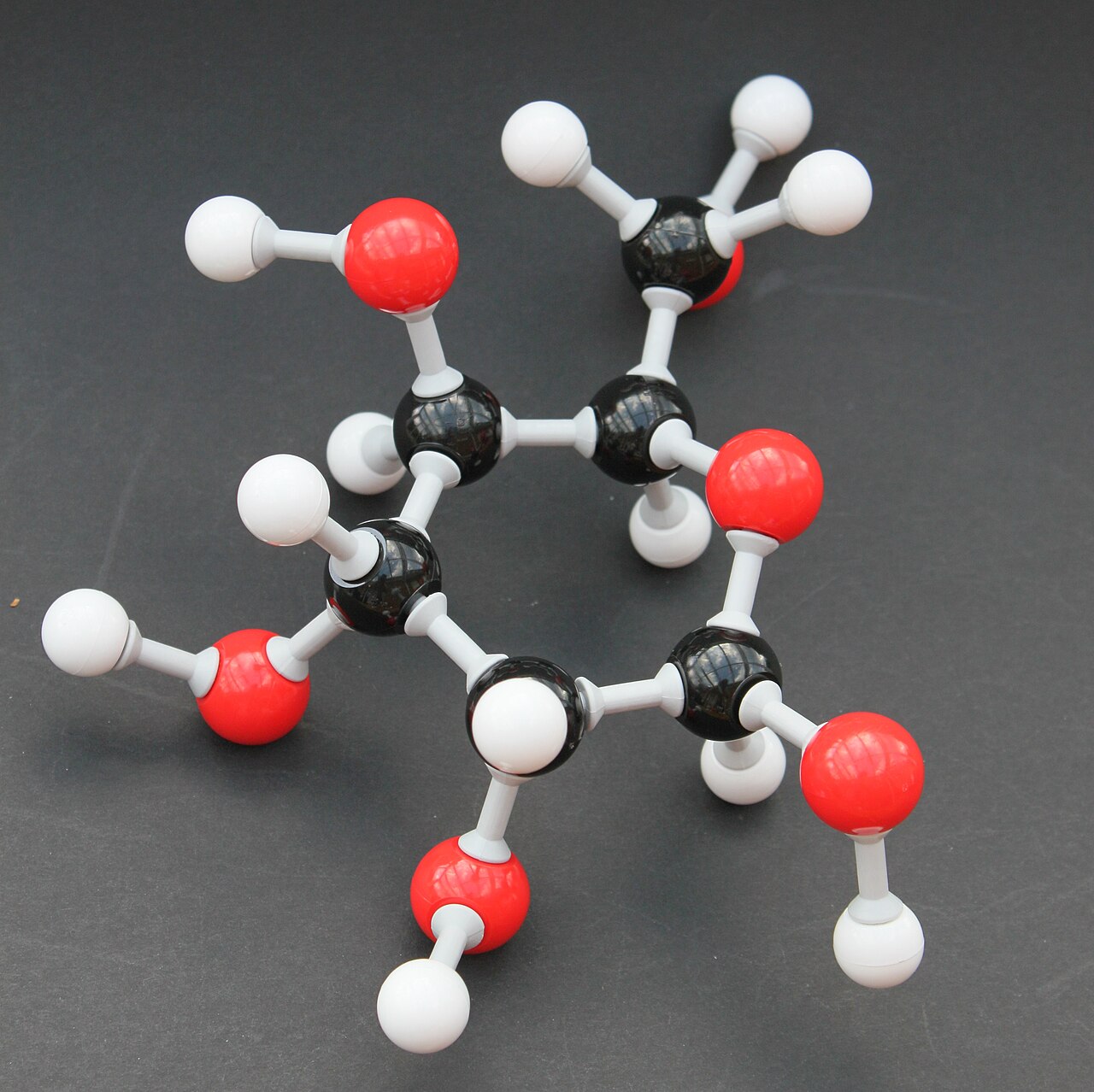
モデルとは、物体、人物、またはシステムを情報に基づいて表現したものです。この用語は、もともと16世紀後半の英語で建物の図面を指し、フランス語とイタリア語を経て、最終的にラテン語の「 modulus」(尺度)に由来しました。[1]
モデルは、物理モデル(例:船舶模型やファッションモデル)と抽象モデル(例:天気予報を目的として大気の働きを記述する数式)に分けられます。抽象モデルまたは概念モデルは科学哲学の中心です。[2] [3]
In scholarly research and applied science, a model should not be confused with a theory: while a model seeks only to represent reality with the purpose of better understanding or predicting the world, a theory is more ambitious in that it claims to be an explanation of reality.[4]
Types of model
Model in specific contexts
As a noun, model has specific meanings in certain fields, derived from its original meaning of "structural design or layout":
- Model (art), a person posing for an artist, e.g. a 15th-century criminal representing the biblical Judas in Leonardo da Vinci's painting The Last Supper
- Model (person), a person who serves as a template for others to copy, as in a role model, often in the context of advertising commercial products; e.g. the first fashion model, Marie Vernet Worth in 1853, wife of designer Charles Frederick Worth.[5][6]
- Model (product), a particular design of a product as displayed in a catalogue or show room (e.g. Ford Model T, an early car model)
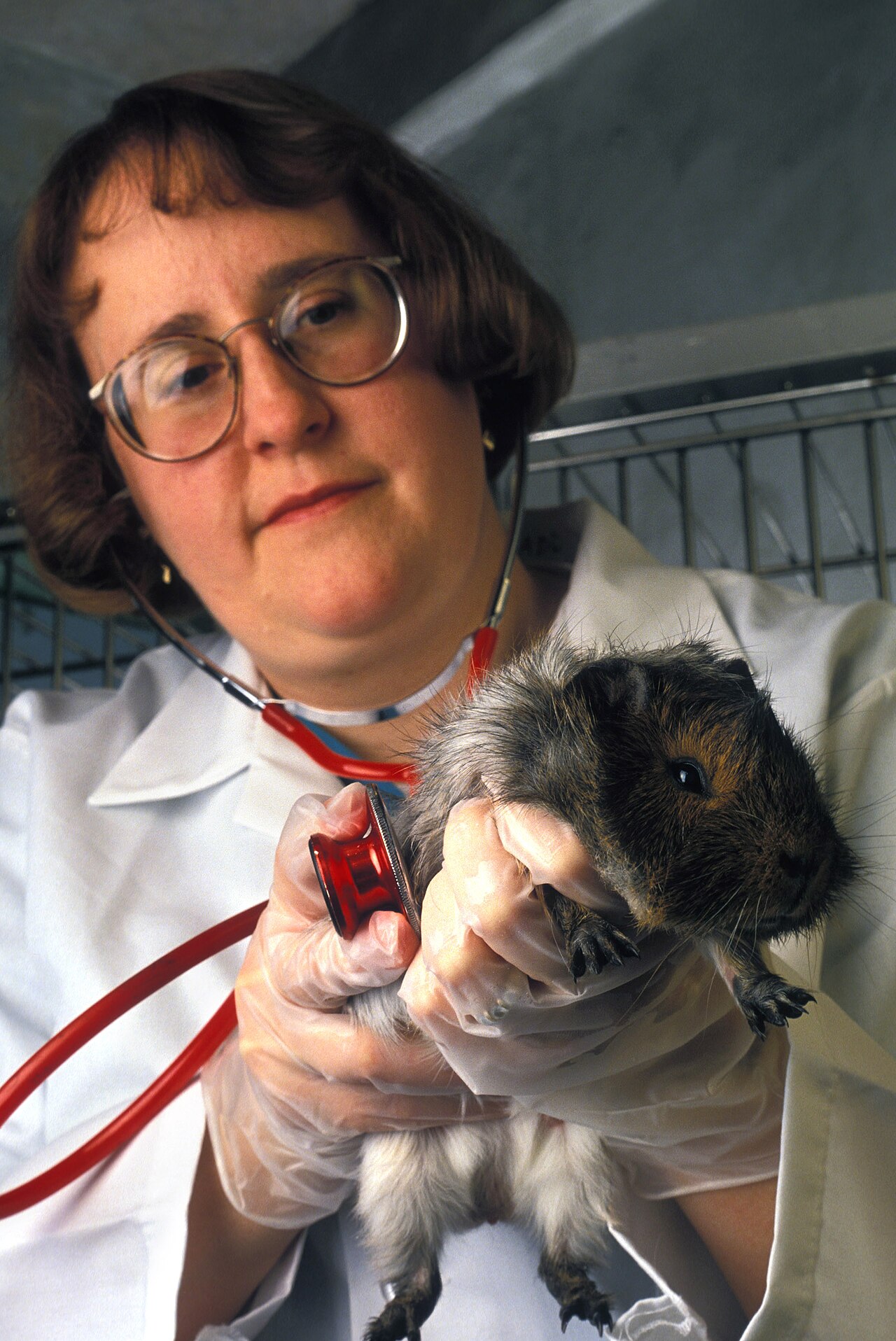
- Model (organism) a non-human species that is studied to understand biological phenomena in other organisms, e.g. a guinea pig starved of vitamin C to study scurvy, an experiment that would be immoral to conduct on a person
- Model (mimicry), a species that is mimicked by another species
- Model (logic), a structure (a set of items, such as natural numbers 1, 2, 3,..., along with mathematical operations such as addition and multiplication, and relations, such as ) that satisfies a given system of axioms (basic truisms), i.e. that satisfies the statements of a given theory[7]
- Model (CGI), a mathematical representation of any surface of an object in three dimensions via specialized software
- Model (MVC), the information-representing internal component of a software, as distinct from its user interface

Physical model

物理モデル(通常は単にモデルと呼ばれますが、この文脈では概念モデルとは区別されます)は、物体、人、またはシステムを、より小さいサイズまたはより大きく物理的に表現したものです。モデル化される物体は、小さいもの(例:原子)、大きいもの(例:太陽系)、あるいは実物大(例:同じような体格の潜在的顧客に服を展示する ファッションモデル)などです。
モデルとそれが表現するオブジェクトの形状は、一方が他方の縮尺を変更したものであるという点で、しばしば類似しています。しかし、多くの場合、類似性は近似値に過ぎず、場合によっては意図的に歪められていることもあります。場合によっては、歪みが体系的であることもあります。例えば、地形をモデリングして地域の山々を強調する場合、水平方向には一定の縮尺で、垂直方向にはより大きな縮尺で歪ませることがあります。
建築模型は、構造物の内部関係や、構造物と環境の外部関係を視覚化することを可能にします。また、玩具としても使用できます。
計測物理モデルは、工学設計において流体の流れを調査する効果的な方法です。物理モデルは、多くの場合、数値流体力学モデルと結合され、機器やプロセスの設計を最適化します。これには、建物、車両、人、または水理構造物の周囲などの外部流れが含まれます。風洞試験や水洞試験は、これらの設計作業によく使用されます。計測物理モデルでは、ダクトシステム、汚染防止装置、食品加工機械、混合容器の設計のために、内部流れを調べることもできます。この場合、詳細な流れの現象を観察するために、透明フローモデルが使用されます。これらのモデルは、たとえばフルード数またはレイノルズ数スケーリングを使用して、形状と重要な力の両方に関してスケーリングされます (相似形 を参照)。コンピューター以前の時代には、英国経済は、たとえば増税が雇用に与える影響を予測するために、 水理モデルMONIACを使用してモデル化されました。
-
英国経済の水力模型 -ロンドン科学博物館のMONIAC
-
同じような体型の潜在的購入者にブラジャーをデモンストレーションする女性モデル
-
戦争現場の模型 —オーストラリア戦争記念館、キャンベラ



概念モデル

概念モデルとは、システムの理論的な表現であり、例えば天気予報を目的として大気の働きを記述しようとする数式の集合などである。 [8]概念モデルは、モデルが表す主題 を理解したりシミュレートしたりするのに役立つ概念から構成される。
抽象モデルまたは概念モデルは科学哲学の中心的存在であり[ 2] [3]、ほぼすべての科学理論は物理的または人間的領域の何らかのモデルを効果的に組み込んでいる。ある意味で、物理的モデルは「常に何らかの概念モデルの具体化である。概念モデルは物理的モデルの青写真として事前に構想され」、物理的モデルは構想通りに構築される。[9]したがって、この用語は概念化または一般化のプロセスを経て形成されるモデルを指す。[2] [3]
例
- 概念モデル(コンピュータサイエンス)、ソフトウェア開発を支援するための、エンティティとその関係の合意された表現
- 経済モデル、経済プロセスを表す理論的構成
- 言語モデルは、音声認識、言語生成、情報検索に使用される自然言語の確率モデルです。
- 大規模言語モデルは、ChatGPTなどの生成型人工知能(AI)に使用される人工ニューラルネットワークです。
- 数学モデル、数学的概念と言語を用いたシステムの記述
- 医療モデル、提案された「すべての医師が訓練される一連の手順」
- メンタルモデル、心理学では、外部現実の内部表現
- モデル(論理)は、与えられた公理の集合を満たす有限演算の集合と、その上で定義された関係を伴う集合である。
- モデル(MVC)は、ソフトウェアの情報を表現するコンポーネントであり、ユーザーインターフェース(「ビュー」)とは異なり、モデル・ビュー・コントローラソフトウェア設計の文脈では「コントローラ」コンポーネントによってリンクされています。
- モデル法、中央で起草され、複数の独立した立法府で普及および制定が提案される法律
- 標準モデル(曖昧さ回避)
一般モデル理論によるモデルの特性
ハーバート・スタホビアックによれば、モデルは少なくとも3つの特性によって特徴付けられる。[10]
- 1. マッピング
- モデルは常に何かのモデルです。それは、自然または人工の、既存または想像上のオリジナルのイメージまたは表現であり、[11]そのオリジナル自体がモデルになることもあります。
- 2. 削減
- 一般に、モデルには元のモデルを説明するすべての属性が含まれるわけではなく、モデルの作成者またはユーザーに関連すると思われる属性のみが含まれます。
- 3. 実用主義
- モデルはオリジナルと明確に関連しているわけではない。オリジナルの代替として機能することを意図している。
- a) 特定の主題について(誰のために?)
- b) 特定の時間範囲内(いつ?)
- c) 特定の概念的または物理的なアクションに制限される(何のために?)。
たとえば、市街地図は、都市内の実際の道路をモデル化したものであり(マッピング)、道路の経路を示しながら、交通標識や道路標示などを省略し(縮小)、歩行者や車の運転手が都市内で道を見つけることを目的として作成されています(実用主義)。
拡張や歪み[12] 、妥当性[ 13]などの追加の特性も提案されている。アメリカの哲学者マイケル・ワイスバーグは、具体的モデルと数学的モデルを区別し、コンピュータシミュレーション(計算モデル)を独自のモデルクラスとして提案している。[14]
モデルの用途
ブルース・エドモンズによれば、モデルには少なくとも5つの一般的な用途がある。[15]
- 予測: トレーニングデータのドメイン内のデータ(内挿)とドメイン外のデータ(外挿)を含む、未知のデータを確実に予測する
- 説明:データに見られるパターンを説明できるメカニズムを提案することで、因果関係の妥当な連鎖を確立する
- 理論的説明:モデル化されているシステムの挙動に関する新しい仮説を発見または提案したり、既存の仮説を反駁したりすること
- 説明: モデル化されるシステムの重要な側面を表す
- 図:アイデアや説明を伝える
参照
参考文献
- ^ Oxford English Dictionary、Oxford University Press、doi :10.1093/OED/3984201854 、 2023年7月1日閲覧。
- ^ abc Merriam-Webster, Merriam-Webster's Collegiate Dictionary, Merriam-Webster、2020年10月10日時点のオリジナルよりアーカイブ。2021年6月12日閲覧。
- ^ abc Tatomir, A.; et al. (2018). 「水圧破砕による地下水帯水層への潜在的影響を評価するための、汎用的な特徴、イベント、プロセス(FEP)データベースを用いた概念モデル開発」. Advances in Geosciences . 45 : 185–192 . Bibcode :2018AdG....45..185T. doi : 10.5194/adgeo-45-185-2018 . hdl : 20.500.11820/b83437b4-6791-4c4c-8f45-744a116c6ead .
- ^ Wunsch、G. (1994)。 「理論、モデル、データ」。デモグラフィー。36 (1) : 20–29。PMID 12346076 。
- ^ "modelworker.com". 2007年10月17日時点のオリジナルよりアーカイブ。
- ^ ウォーカー、ハリエット(2009年5月4日)「ファッション界の華麗なる顔:モデリングの1世紀」インディペンデント紙。 2011年5月28日時点のオリジナルよりアーカイブ。 2017年9月5日閲覧。
- ^ チャンとキースラー、1ページ
- ^ 予報モデル、英国気象庁。
- ^ イブラヒム・A・ハロウン「科学教育におけるモデリング理論」(2007年)、36ページ。
- ^ Herbert Stachowiak: Allgemeine Modelltheorie、1973、S. 131–133。
- ^ 「TRICK:デジタルツインを概念化する簡単な頭字語」. automation.com . 2024年11月5日閲覧。
- ^ Thalheim:概念モデリング理論に向けて. Journal of Universal Computer Science , vol. 16, 2010, no. 20, S. 3120
- ^ ディートリッヒ・ドルナー「思考とデザイン ― 研究戦略、単一事例アプローチ、検証方法」E. フランケンベルガー他編『デザイナー:製品開発成功の鍵』Springer-Verlag, Berlin他 1998, S. 3–11.
- ^ M. ワイスバーグ著『シミュレーションと類似性 ― モデルを用いて世界を理解する』オックスフォード大学出版局、ニューヨーク、2013年
- ^ エドモンズ、ブルース (2017). 「異なるモデリングの目的」. ブルース・エドモンズ、ルース・マイヤー編.社会複雑性のシミュレーション:ハンドブック. 複雑系を理解する. シュプリンガー・インターナショナル・パブリッシング. pp. 39– 58. doi :10.1007/978-3-319-66948-9_4. ISBN 978-3-319-66948-9. 2025年3月26日閲覧。
外部リンク


内部リンクから誤ってこのページに移動した場合は、リンクを目的の記事に直接変更することをお勧めします。