 | This article has multiple issues. Please help improve it or discuss these issues on the talk page. (Learn how and when to remove these messages)
|


-stan (Persian: ستان stân,[n 1] estân or istân[n 2]; Sanskrit: स्थान् sthān or स्थानम् sthānam) is a Persian and Sanskrit suffix that means "a place abounding in"[1] or "place where anything abounds".[2] It is widely used by Iranian languages (mainly Persian), Indic languages (mainly Sanskrit, Prakrit and Hindustani), Turkic languages (excluding Siberian Turkic), Dravidic languages (mainly Brahui and Kannada) and other languages. The suffix appears in the names of many regions throughout West, Central and South Asia and parts of the Caucasus and Russia.[3]
Etymology and cognates
Originally an independent noun, the stan morpheme evolved into a suffix because it frequently appeared as the last part in nominal compounds. It is cognate with the English word stead, Polish stan (estate, or New World first-level subdivisions), and Sanskrit sthā́na (स्थान [stʰaːnɐ]; "the act of standing"). The Sanskrit meaning ultimately derived from Proto-Indo-Iranian *sthāna-,[4] which was partly loaned into Ancient Greek as Ancient Greek: -στήνη (-stēnē).
The suffix -stan is analogous to the suffix -land, present in many country and location names. The suffix is also used more generally in Persian and Sanskrit, such as rigestân (ریگستان, ऋगेस्तान), "place of sand, desert"; golestân (گلستان, गोलेस्तान), "place of flowers, garden"; gurestân (گورستان, गुरेस्तान), "graveyard, cemetery";[5] and Hendostân/Hindustan (هندوستان, हिन्दुस्तान), "Land of the Indus (India)".[6]
Countries
Countries adopting the -stan suffix in both English and their national languages include:
 Afghanistan - Pashto: افغانستان, romanized: Afġānistān; Dari: افغانستان, romanized: Afğânestân
- Kazakhstan - Kazakh: Қазақстан, romanized: Qazaqstan
- Kyrgyzstan - Kyrgyz: Кыргызстан, romanized: Kyrgyzstan
- Pakistan - Urdu: پاکستان, romanized: Pākistān
- Tajikistan - Tajik: Тоҷикистон, romanized: Tojikiston
- Turkmenistan - Turkmen: Türkmenistan
- Uzbekistan - Uzbek: Ўзбекистон, romanized: Oʻzbekiston
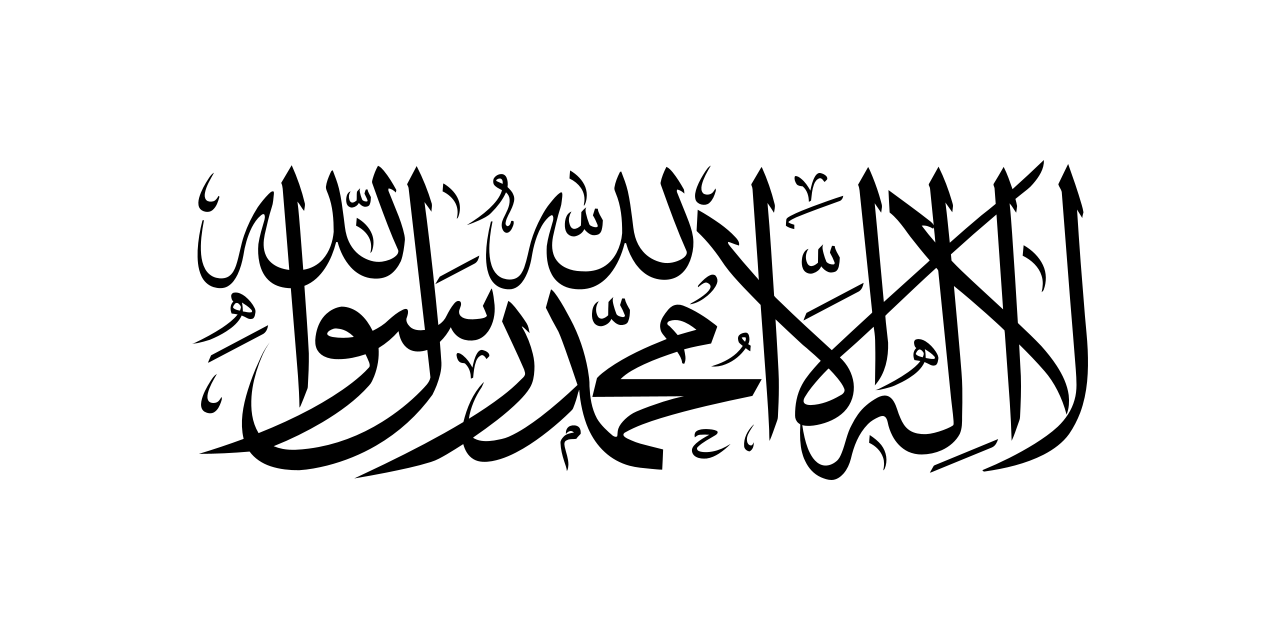
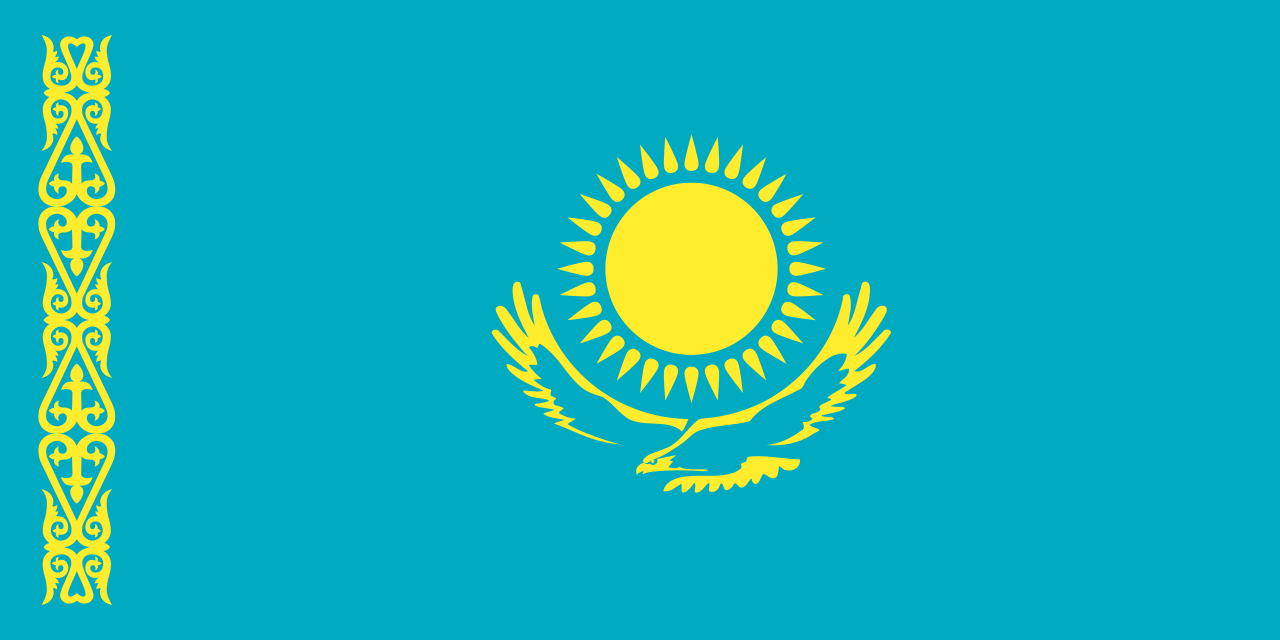

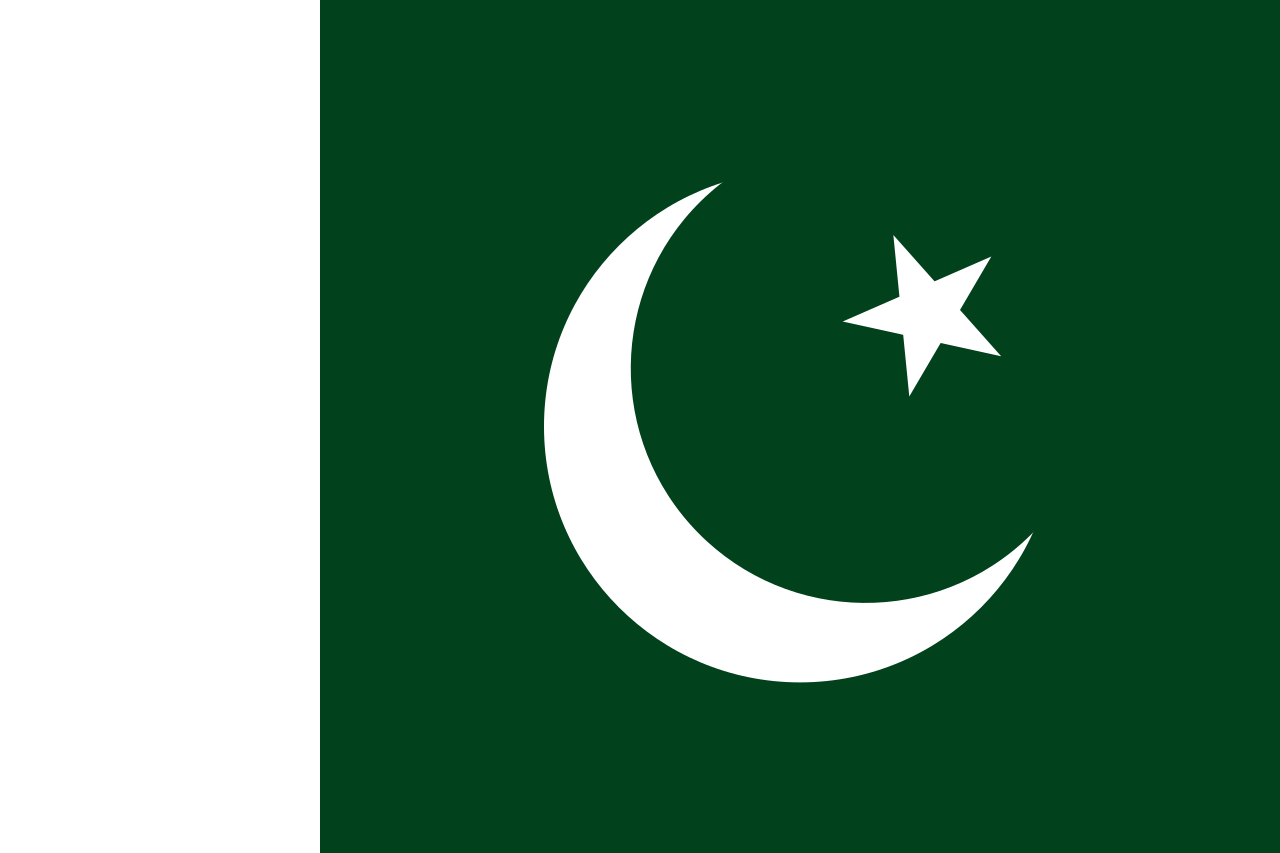
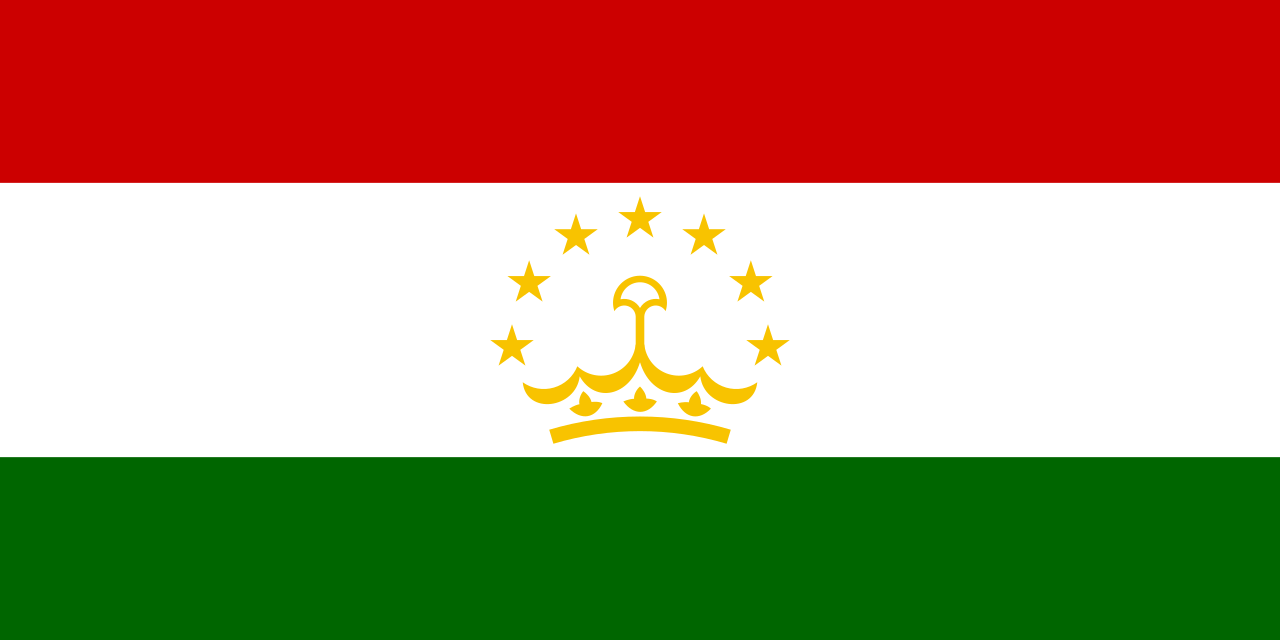

Some of these nations were also known with the Latinate suffix -ia during their time as Soviet republics: Turkmenistan was frequently Turkmenia, Kyrgyzstan often Kirghizia, and Uzbekistan and Tajikistan very occasionally Uzbekia and Tajikia.[7][8] In addition, the native names of Armenia and India are respectively Hayastan, hay being the endonym of Armenians, and Hindustan. The largest -stan country by area is Kazakhstan.
Country names in various languages
| English name | Persian name | Sanskrit name | Turkish name | Armenian name | Azerbaijani name | Kazakh name | Turkmen name | Tatar name | Uyghur name | Bashkir name | Hindustani name | Uzbek name |
|---|---|---|---|---|---|---|---|---|---|---|---|---|
 Armenia Armenia |
Armanestân – ارمنستان | Armanisthān – अरमनिस्थान् | Ermenistan | Hayastan – Հայաստան (native term: Hayk' – Հայք) | Ermənistan | N/a | Ermenistan | Ärmänstan – Әрмәнстан | N/a | Ärmänstan – Әрмәнстан | Armanistān – अर्मनिस्तान – ارمنستان | Armaniston - Арманистон |
 Bulgaria Bulgaria |
Bulgharestân – بلغارستان | Bölgāresthān – बोलगारेस्थान् | Bulgaristan | N/a | Bolqarıstan | N/a | N/a | Bolğarstan – Болгарстан | N/a | Bolğarstan – Болғарстан | Bulġaristān – बुल्ग़रिस्तान – بلغارستان | N/a |
 China China |
N/a | Sènāhsthān – सेनाहस्थान् | N/a | Čʿinastan – Չինաստան | N/a | N/a | N/a | N/a | N/a | N/a | N/a | N/a |
 Croatia Croatia |
N/a | – | Hırvatistan | N/a | N/a | N/a | N/a | - (alternative Xırwatstan – Хырватстан) |
N/a | Xırwatstan – Хыруатстан | K͟Hirvatistān – ख़िरवतिस्तान – خروتستان | N/a |
 England England |
Engelestân – انگلستان | – | N/a | N/a | N/a | N/a | N/a | N/a | N/a | N/a | Iṅglistān – इङ्ग्लिस्तान - ان٘گلستان | N/a |
.svg/1280px-Flag_of_Ethiopia_(1897%E2%80%931974).svg.png) Ethiopian Empire Ethiopian Empire
|
N/a | – | - (formerly Habeşistan) |
- (formerly Habešstan – Հաբեշստան) |
- (formerly Həbəşistan) |
N/a | N/a | - (formerly Xäbäşstan – Хәбәшстан) |
- (formerly Hebeshistan – ھەبەشىستان) |
- (formerly Xäbäşstan – Хәбәшстан) |
Habśistān – हब्शिस्तान – حبشستان | - (formerly Habashiston - Ҳабашистон) |
 Georgia Georgia |
Gorjestân – گرجستان | – | Gürcistan | Vrastan – Վրաստան (native term: Virk' – Վիրք) | Gürcüstan | N/a | N/a | Görcistan – Гөрҗистан | N/a | Görjöstan – Гөржөстан | Gurjistān – गुर्जिस्तान – گرجستان | Gurjiston - Гуржистон |
 Greece Greece |
N/a | Yāvansthān – यावनस्थान् | Yunanistan | Hunastan – Հունաստան | Yunânıstan | N/a | N/a | Yunanstan – Юнанстан | N/a | Yunanstan – Юнанстан | N/a | Yunoniston - Юнонистон |
 Hungary Hungary |
Majârestân – مجارستان | Māhyūrsthān – मह्युरस्थान् | Macaristan | N/a | Macârıstan | Majarstan – Мажарстан | Majarystan | Macarstan – Маҗарстан | N/a | Мажарстан | Majāristān – मजारिस्तान – مجارستان | Mojariston - Можаристон |
 India India |
Hendostân – هندوستان | – | Hindistan | Hndkastan – Հնդկաստան | Hindistan | Ündıstan – Үндістан | Hindistan | Hindstan – Һиндстан | Hindustan – ھىندىستان | Hindostan – Һиндостан | Hindustān – हिन्दुस्तान – ہِنْدُوْسْتان | Hindiston - Ҳиндистон |
 Mongolia Mongolia |
Mogholestân – مغولستان | Mangōlasthān – मंगोलास्थान् | Moğolistan | N/a | N/a | N/a | N/a | N/a | Mağulstan – Мағулстан | Maṅgōlistān – मङ्गोलिस्तान – من٘گولستان | Moʻgʻuliston - Мўғулистон | |
 Poland Poland |
Lahestân – لهستان | Léchîsthān – लेचिस्थान् | - (formerly Lehistan) |
Lehastan – Լեհաստան | N/a | N/a | N/a | Läxstan – Ләхстан | Lehistan – لەھىستان | Lähstan – Ләhстан | Lahistān – लहिस्तान – لہستان | N/a |
 Russia Russia |
N/a | – | N/a | Ṙusastan – Ռուսաստան | N/a | N/a | N/a | N/a | N/a | N/a | N/a | N/a |
 Saudi Arabia Saudi Arabia |
'Arabestân-e Sa'udi – عربستان سعودی | – | Suudi Arabistan | N/a | Səudiyyə Ərəbistanı | N/a | Saud Arabystany | Sögüd Gäräbstanı – Согуд Гарәбстаны | Se'udi Erebistan – سەئۇدى ئەرەبىستان | Säğüd Ğäräbstanï – Сәғүд Ғәрәбстаны | N/a | Saudiya Arabistoni - Саудия Арабистони |
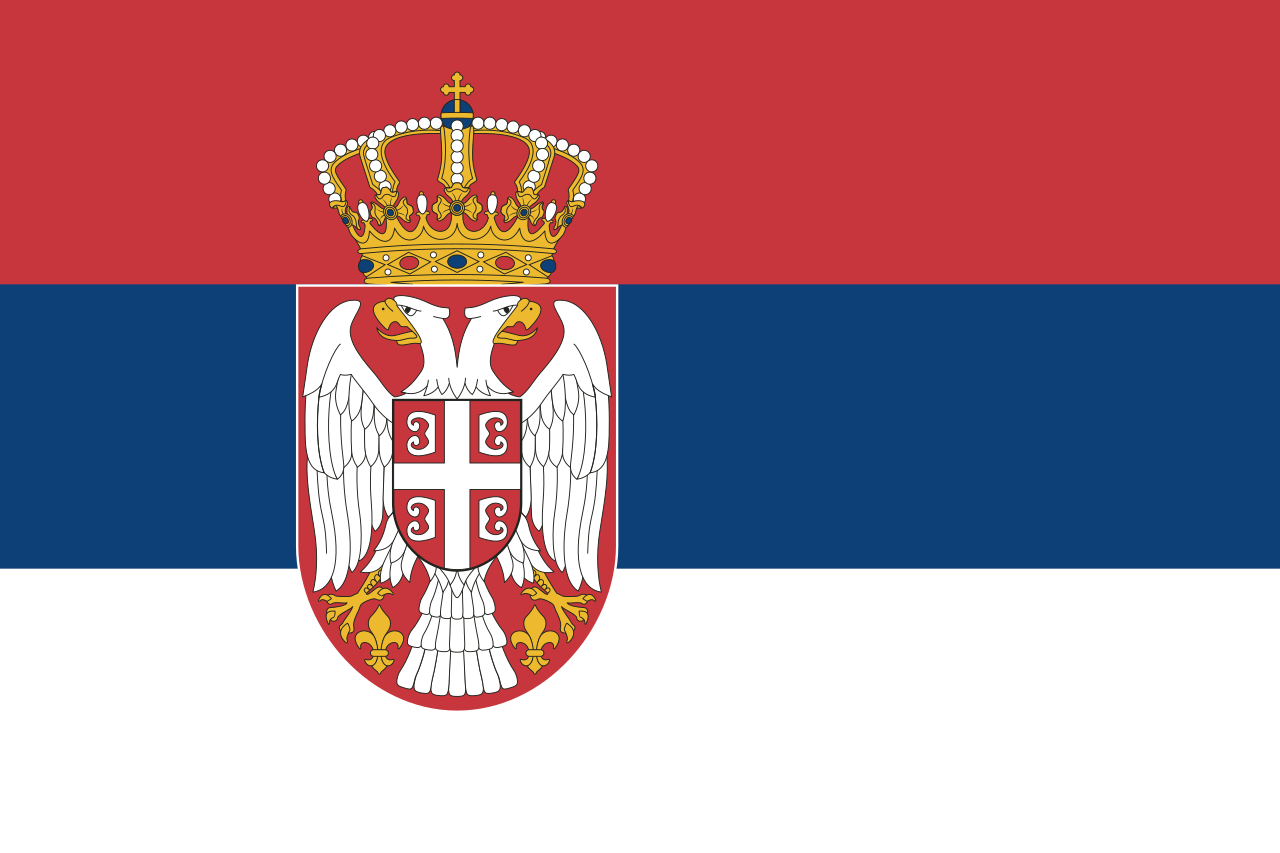 Serbia Serbia |
Serbestân – صربستان | Srbèndasthān – सृबिन्दस्थान् | Sırbistan | N/a | N/a | N/a | N/a | - (alternative Sırbstan – Сырбстан) |
N/a | Sırbstan – Сырбстан | Sarbistān – सर्बिस्तान – صربستان | N/a |

Administrative divisions
The following table lists the subnational entities of different countries that end with -stan.
Administrative subdivisions
The following list shows some examples of second-level, third-level and fourth-level subdivisions with a -stan-like suffix in various countries.
In Afghanistan
- ^ Various places share this name.
In Armenia
In India
In Iran
- ^ Various places share this name.
- ^ In the Persian language, Shahrestan is also a common noun that means "county". It is in the names of the counties of Iran.
Dehestan is the name of an administrative division in Iran.
In Pakistan
In Tajikistan
In other countries
- Azerbaijan: Gobustan (town) (capital of Gobustan District)
- Bangladesh: Gulistan
- Kazakhstan: Turkistan (city) (capital of Turkistan Region)
- Turkey: Elbistan
- Uzbekistan: Gulistan
Regions
- Arabistan – The name of the Arabian Peninsula and other meanings.
- Arbayistan – A late-antiquity Sasanian satrap.
- Asal Hindustan – A name for the Kingdom of Nepal.
- Asoristan – The province of Babylonia under the Sassanid Empire.
- Azadistan – A short-lived state in the Iranian province of Azarbaijan under Mohammad Khiabani.
- Bashkortostan – An administrative division of Russia in eastern Europe.
- Bashkurdistan – A national-territorial autonomy, during the Russian Civil War.
- Balawaristan – A revived historical name of Gilgit-Baltistan, Pakistan.
- Balochistan/Baluchistan – A region in Iran, Afghanistan, and Pakistan.
- Baltistan – A northern region in Pakistan.
- Bantustan – An Apartheid-era South African and South West African black 'homeland'.
- Cholistan Desert – A desert region in Punjab, Pakistan.
- Dardistan – A region in northern Pakistan of Dardu speakers.
- Dihistan – A Sasanian province.
- East Pakistan – The historic name for pre-independence Bangladesh.
- East Turkestan or Uyghuristan – A region dominated by Uyghurs, located in northwest China.
- Gharchistan – A medieval region in Afghanistan.
- Hindustan - Persian name for India, broadly the Indian subcontinent.
- Indostan – Archaic usage in European languages for Hindustan.
- Iraqi Kurdistan – Kurdish-populated part of northern Iraq.
- Kadagistan – An eastern Sasanian province in the region of Tokharistan (in what is now north-eastern Afghanistan).
- Kafiristan (land of the infidels) – A historic region in Afghanistan until 1896, now known as Nuristan. A similarly named region exists in north Pakistan.
- Kohistan – several regions of this name exist.
- Kurdistan – A Kurdish region. See also Iranian Kurdistan, Iraqi Kurdistan, Syrian Kurdistan, and Turkish Kurdistan.
- Lezgistan – An ethnolinguistic region in southern Dagestan and northern Azerbaijan.
- North Waziristan – The northern part of Waziristan region in Pakistan.
- Pashtunistan – The area of Afghanistan and North-Western Pakistan historically inhabited by the Pashtuns.
- Quhistan – A region of medieval Persia, essentially the southern part of Greater Khorasan.
- Registan – A historic site in Samarkand, meaning "place of sand".
- Russian Turkestan – Turkestan in the Russian Empire, later Turkestan Autonomous SSR.
- Sakastan or Sistan – A historical and geographical region in present-day eastern Iran (Sistan and Baluchestan Province) and southern Afghanistan.
- Saraikistan – A region in the central part of Pakistan.
- South Waziristan – The southern part of Waziristan region in Pakistan.
- Talyshstan – An ethnolinguistic region in the SE Caucasus and NW Iran.
- Tatarstan – An administrative division of Russia in eastern Europe.
- Tokharistan, Tocharistan or Tukharistan, also known as Balkh or Bactria – The ancient name of a historical region in Central Asia, located between the range of the Hindu Kush and the Amu Darya (Oxus).
- Turgistan or Turestan – A Sasanian province.
- Turkestan or Turkistan – An ethnolinguistic region of Turkic peoples and languages, encompassing Central Asia, northwest China, parts of the Caucasus, and Asia Minor.
- Uyghurstan, China, same as East Turkestan.
- Waziristan – A region of northwest Pakistan.
- Yaghistan – A region in northwestern frontier of Pakistan.
Historical regions
- Frangistan – A historical term used by Muslims and Persians to refer to Western or Christian Europe.
- Funjistan (Funj) - A historical empire located in what is now Sudan.
- Kabulistan – A historical name of the territory centered around present-day Kabul Province of Afghanistan.
- Lazistan – A historical and cultural region of the Caucasus and Anatolia, traditionally inhabited by the Laz people.
- Moghulistan (Mughalistan) – A historical area in Central Asia that included parts of modern-day Kazakhstan, Kyrgyzstan, and Xinjiang
- Tabaristan – A historical mountainous region located on the Caspian coast of Northern Iran.
- Zabulistan – A historical region roughly corresponding to the modern-day Zabul Province in southern Afghanistan.
Proposed names
- Balochistan – A proposed country for the Baloch people.[9]
- Bangalistan – A proposed state for Bengali people in India.[10]
- Khalistan – A proposed country for the Sikh people.[11]
- Maronistan – A proposed state for Maronite in Lebanon during the Lebanese Civil War.[12]
- Pashtunistan – A proposed country for Pashtun people.
- Romanistan – A proposed country for the Romani people.
- Saraikistan – A proposed province in the central part of Pakistan.
- Zazaistan – A suggested name for the region where the Zazas live.
Fictional
This section needs additional citations for verification. (July 2024) |

- Absurdistan - A satirical term for countries where absurdity is seen as normal.
- Adjikistan – A central Asian country in the video game SOCOM U.S. Navy SEALs: Combined Assault.
- Aldastan – A central Asian country consisting of Kyrgyzstan and Tajikistan, from Command & Conquer: Generals.
- Antagonistan – A country in Heavy Weapon.
- Ardistan – A country in the novel Ardistan und Djinnistan by Karl May.
- Avgatiganistan – A country by author Eugene Trivizas meaning "fried eggs" (avga tiganista) in Greek, derived from a pun on 'Afghanistan'.
- Azadistan – A kingdom, meaning "free land", from the anime Mobile Suit Gundam 00.
- Azmanastan (or Uzmenistan) – A country and region in the film The Expendables 3.
- Backhairistan – The homeland of Bolbi Stroganovsky, a character from the cartoon series The Adventures of Jimmy Neutron, Boy Genius.
- Bananastan – A country from the Popeye the Sailor comic book series, which was ruled by Saddam Shahame, a parody of Iraqi dictator Saddam Hussein.
- Bangistan – The eponymous country in Bangistan (2015).
- Bazrakhistan – A former Soviet republic in Act of War (1998).
- Belgistan – A Middle Eastern country in the anime Gasaraki.
- Berzerkistan – A republic run by the dictator Trff Bmzklfrpz in the comic strip Doonesbury.
- Bilalistan - A country in the novel Lion's Blood, located in the Southeastern United States.
- Blingostan - A country in Smiling Friends ran by war criminal dictator Mr. Blingo,
- Brajikistan – A country from season 2 of the teen sitcom Wingin' It.
- Capustan – A city-state in Malazan Book of the Fallen.
- Darujhistan – A city-state in Malazan Book of the Fallen.
- Derkaderkastan – A Middle Eastern country in Team America: World Police.
- Djinnistan – A country in the novel Ardistan und Djinnistan by Karl May.
- Franistan – A country referred to in the television show I Love Lucy.
- Frigistan – A country in Heavy Weapon.
- Gohet Gostan – A country in Tiga Abdul.
- Hachmachistan – A country in Kickin' It.
- Helmajistan – A area from the anime Full Metal Panic!.
- Howduyustan ("how do you stand?") – A country from the Uncle Scrooge comics.
- Irakistan – A country in the game Broforce.
- Iranistan – An oriental region of Hyborea (Conan the Barbarian stories).
- Istan – An island state in the online role-playing game, Guild Wars Nightfall.
- Jazeristan – A country in the movie The Misfits.
- Kabulstan – A third-world country in MacGyver.
- Kamistan – A Middle Eastern country featured in the television series 24.
- Kazanistan – An ideal state imagined by John Rawls in The Law of Peoples, in which there is a system of law, legal representation for all groups, and a respect for basic human rights, but not full democracy.
- Kehjistan – The state of the eastern jungles in the game Diablo II.
- Kekistan – A country created by 4chan members that has become a political meme and online movement.
- Kerakhistan – A Middle Eastern country featured in the tabletop miniature wargame Battlefield Evolution.
- Kerplakistan – A country in Big Time Rush.
- Kreplachistan – A country in the Austin Powers film series.
- Langtbortistan – A country in the Danish Donald Duck cartoons, literally meaning "far-away-in-stan".
- Lojbanistan – The country Lojbanists imagine themselves inhabiting.[13][14]
- Moldovistan – An island country in The Real Adventures of Jonny Quest.
- Obristan – A country in Papers, Please.
- Paristan or Pari-estan – A land inhabited by fairies in the folklore of Middle East, South Asia, and Central Asia.
- Pokolistan – A country in the DC Comics universe.
- Ratznestistan – A country in Annie.
- Serdaristan – A country in Battlefield: Bad Company.
- Skandistan – A country in western Russia in The Years of Rice and Salt.
- Stanistan – A name used to describe a hypothetical union between the -stan countries.
- Taboulistan – A country in Vive la France.
- Takistan – A country in ARMA 2: Operation Arrowhead.
- Tazbekistan – A central Asian nation in the BBC television series Ambassadors.
- Turaqistan – A country in War, Inc.
- Turgistan – A central Asian dictatorship in 6 Underground.
- Turmezistan – A country in Doctor Who.
- Tyrgyzstan – A country in the BBC television drama The State Within.
- Urzikstan – A country in Call of Duty: Modern Warfare (2019).[15]
- Ustinkistan – A country in The Fairly OddParents.
- Yakyakistan – A northern country in My Little Pony: Friendship Is Magic which is inhabited by sapient yaks.
- Zekistan – A central Asian nation in the video game Full Spectrum Warrior.
Other
- Angyalistan – A micronation that claims garbage patches in international waters.
- Autistan – The "metaphorical country" of autistic people.
- Bailoutistan (or Bailoutistan 2.0) - A sarcastic term for Greece following the European Union bail out packages, coined by Yanis Varoufakis in his book Adults in the Room: My Battle With the European and American Deep Establishment.
- Bimaristan – A kind of hospital in medieval Persia and the medieval Islamic world.
- Bradistan – A moniker for Bradford, England, owing to its large population of Pakistani worker migrants.
- Canuckistan – An epithet for Canada, used by Pat Buchanan on 31 October 2002, on his television show on MSNBC in which he denounced Canadians as anti-American and the country as a haven for terrorists. He was reacting to Canadian criticisms of US security measures regarding Arab Canadians.[16]
- Cavaquistan (Cavaquistão in Portuguese) – A name coined after the former Portuguese President and Prime-Minister Aníbal Cavaco Silva, referring to the regions of Portugal where he achieved landslide victories in the elections held in the late 1980s and early 1990s (especially in the Viseu District); intended pun with Kazakhstan (Cazaquistão in Portuguese).[17][18]
- Dalitstan.org – A Dalit advocacy website active until mid-2006,[19] one of 18 websites that were blocked by the Indian government to check for hate messages following the 2006 Mumbai train bombings.[20]
- Extremistan and Mediocristan – A term used by author Nassim Nicholas Taleb to illustrate concepts of black swan theory in his 2007 book The Black Swan: The Impact of the Highly Improbable.
- Filmistan – An Indian film-production company.
- Fondukistan or Fondoqestān – An early medieval settlement and Buddhist monastery in Afghanistan
- Gazimestan – A monument commemorating the historical Battle of Kosovo.
- Hookturnistan – A satirical name for Melbourne, Victoria, due to the large number of hook turns on city roads.
- Hamastan – A hypothetical Palestinian Islamic government with Sharia as law.
- Iranistan – A pseudo-orientalist mansion built for P. T. Barnum in 1848 in Connecticut.
- Islamistan – Means "Land of Islam", used in various contexts
- Londonistan – A nickname given to London by French counter-terrorism agents. It is sometimes used derogatorily to refer to the large immigrant, especially Muslim, population in London.
- Muristan – A complex of streets and shops in the Christian Quarter of the Old City of Jerusalem
- New Yorkistan – The title of the cover art for the 10 December 2001 edition of The New Yorker magazine.
- Orbánistan – A derogatory term for Hungary under the rule of Viktor Orbán.[21]
- Paganistan – The pagan/neo-pagan community of Minneapolis–Saint Paul in Minnesota[22]
- Quebecistan – A term coined by Barbara Kay in 2006 in reference to Quebec, Canada.
- Sarvestan – A Sasanian-era palace in the Iranian province of Sarvestan.
- Shabestan – An underground space, usually found in the traditional architecture of mosques, houses, and schools in ancient Persia
- Shahrestan – Several meanings
- Skateistan – A skateboarding/educational organization based in Kabul, Afghanistan.
- Swedistan – A derogatory term for Sweden due to its growing immigration from Islamic countries. It is sometimes used by internet users to attack or offend Swedish Muslims.
- Talibanistan – A name for the government of Afghanistan under Taliban rule.
- Zaqistan – An unrecognized micronation in Nevada.
See also
Notes
- ^ Applies after a vowel, e.g. Kyrgyzstan, Kazakhstan.
- ^ Applies after a consonant, e.g Uzbekistan, Turkmenistan, Tajikistan, Afghanistan.
- ^ The suffix -sthan is through Indic, not Iranic.
References
- ^ Hayyim, Sulayman (1892), "ستان", New Persian-English Dictionary, vol. 2, Tehran: Librairie imprimerie Béroukhim, p. 30, archived from the original on 28 October 2020, retrieved 25 October 2020 Quote= ستان (p. V2-0030) ستان (۲) Suffix meaning 'a place abounding in'. Ex. گلستان a flower or rose-garden. Syn. زار See گازار Note. This suffix is pronounced stan or setan after a vowel, as in بوستان boostan, a garden, and هندوستان hendoostan, India; and estan after a consonant. Ex. گلستان golestan, and ترکستان torkestan. However, for poetic license, after a consonant also, it may be pronounced setan. Ex. گلستان golsetan
- ^ Steingass, Francis Joseph, "ستان", A Comprehensive Persian-English Dictionary, p. 655, archived from the original on 28 October 2020, retrieved 25 October 2020,
stān (after a vowel), istān (after a consonant), Place where anything abounds, as ḵẖurmāstān, A palm-grove, gulistān, A flower-garden, &c.
- ^ Ford, Matt (7 February 2014). "Kazakhstan's President Is Tired of His Country's Name Ending in 'Stan'". The Atlantic. Archived from the original on 25 October 2022. Retrieved 28 October 2022.
- ^ Macdonell, A. A. (1929). A practical Sanskrit dictionary with transliteration, accentuation, and etymological analysis throughout. London: Oxford University Press. p. 365. Archived from the original on 16 October 2022. Retrieved 1 September 2022.
- ^ Moshiri, Leila (1988). "English-Persian Glossary". Colloquial Persian. Routledge. p. 150. ISBN 0-415-00886-7.
- ^ Kapur, Anu (2019). Mapping Place Names of India. Taylor & Francis. ISBN 978-0-429-61421-7.
- ^ "Uzbekia, Kirgizia, Turkmenia, Tajikia". Google Ngram. Archived from the original on 10 April 2023.
- ^ Becker, Seymour (2004). Russia's Protectorates in Central Asia: Bukhara and Khiva, 1865–1924. Routledge. p. 553. ISBN 1-134-33582-2.
As early as June 1920, Lenin had toyed with the idea of dividing Russian Turkestan into three national regions: Uzbekia, Kirgizia and Turkmenia.
- ^ "Baloch writer claims independence from Pak, urges UN for recognition". India Today. 9 May 2025. Retrieved 9 July 2025.
- ^ "Turmoil in the North East: The demand for Bangalistan". SabrangIndia. 28 January 2020. Archived from the original on 28 January 2020. Retrieved 16 April 2020.
- ^ "Khalistan: Why are some Sikhs calling for a separate homeland in India?". 19 September 2023. Retrieved 9 July 2025.
- ^ "Lebanese solution " 15 Jul 1978 " The Spectator Archive". The Spectator Archive. Archived from the original on 20 August 2018. Retrieved 19 August 2018.
- ^ "Lojbnaistan". lojban wiki. 4 November 2013. Archived from the original on 31 March 2017. Retrieved 30 March 2017.
- ^ Cowan, John Waldemar (1997). "1". The Complete Lojban Language (First ed.). Fairfax, VA, US: The Logical Language Group. p. 3. ISBN 0-9660283-0-9. Archived from the original on 2 April 2017. Retrieved 30 March 2017.
- ^ Stuart, Keith (31 May 2019). "Call of Duty: Modern Warfare returns to tread a moral minefield". The Guardian. ISSN 0261-3077. Archived from the original on 25 September 2019. Retrieved 25 September 2019.
- ^ Allan, Chantal (2009). Bomb Canada: And Other Unkind Remarks in the American Media. Athabasca University Press. pp. 84–85. ISBN 978-1-897425-49-7.
soviet%20canuckistan%20arab%20canadians.
- ^ Carla Fernandes (2016). Multimodality and Performance. Cambridge Scholars Publishing. p. 27. ISBN 978-1-4438-9465-4. Archived from the original on 10 April 2023. Retrieved 1 October 2020.
- ^ "Cavaquistão continua irredutível e a votar laranja ("Cavaquistan remains unyielding and voting orange")". Visão (in Portuguese). 6 October 2019. Archived from the original on 3 October 2020. Retrieved 26 August 2020.
- ^ Dibyesh Anand (15 October 2011). Hindu Nationalism in India and the Politics of Fear. Palgrave Macmillan. pp. 34–. ISBN 978-0-230-36263-5.
- ^ "Govt blocks 18 sites to check hate messages". The Times of India. 19 July 2006. Archived from the original on 27 May 2013. Retrieved 15 December 2015.
- ^ "The Ruler of Orbánistan". Aspen Institute Central Europe (in Czech). Archived from the original on 13 August 2022. Retrieved 13 March 2022.
- ^ Pizza, Murphy (2009). "Schism as midwife: how conflict aided the birth of a contemporary Pagan community". In Lewis, James R.; Lewis, Sarah M. (eds.). Sacred schisms: how religions divide (PDF). Cambridge: Cambridge University Press. pp. 249–261. ISBN 978-0-511-58071-0. Archived from the original (PDF) on 10 August 2011. Retrieved 25 May 2011.
[...] the Pagan community of the Minnesota Twin Cities, otherwise known by members as 'Paganistan.'
Sources
- Daryaee, Touraj (2014). Sasanian Persia: The Rise and Fall of an Empire. I.B.Tauris. pp. 1–240. ISBN 978-0-85771-666-8.
- Ghereghlou, Kioumars (2018). "Bādūsbānids". In Fleet, Kate; Krämer, Gudrun; Matringe, Denis; Nawas, John; Rowson, Everett (eds.). Encyclopaedia of Islam (3rd ed.). Brill Online. ISSN 1873-9830.
Further reading
- Maciuszak, Kinga. The Persian Suffix -(e)stān 'The Land Of' Studia Etymologica Cracoviensia 13 (2008): 119–140.
External links
- Harper, Douglas. "-stan". Online Etymology Dictionary.
- The dictionary definition of -stan at Wiktionary


