下の水色の枠で囲まれた鳥類のリストは、生物学的科ごとに分類されています。これらのリストは、アメリカ鳥学会のAOSチェックリスト(北米鳥類チェックリスト) [1]とクレメンツ世界鳥類チェックリスト[2]に基づいており、パナマ、グリーンランド、バミューダ諸島のチェックリストが補足されています。グリーンランド、カナダ、アメリカ合衆国(ハワイを除く)、メキシコ、中央アメリカ、バミューダ諸島、西インド諸島の鳥類が含まれています。
分類学
付属の鳥類リストで使用されている分類学的取扱い[3](目、科、種の名称と順序)および命名法(一般名と学名)は、北米の鳥類の分類学と命名法に関する科学的権威として認められているAOS(2019年)の北米鳥類チェックリストの慣例に準拠しています。チェックリストの維持と更新を担当するAOSの分類命名委員会は、「種は遺伝的に凝集した個体群であり、生殖的に他のそのようなグループから隔離されているとみなされる生物学的種概念(BSC)を強くかつ満場一致で支持し続けています」(AOS 2019)。シブリー・アルキスト分類法は、DNA-DNAハイブリダイゼーションに基づく代替系統分類です。
特に記載がない限り、以下に挙げるすべての種は、北米において、定住種、夏季または冬季の留鳥、来訪種、または渡り鳥として定期的に生息すると考えられています。以下のコードは、種の特定のカテゴリーを示すために使用されます。
- (A) = 1 つまたは 2 つの (まれにそれ以上の) 記録に基づく偶発的な発生であり、定期的に発生する可能性は低い。
- (E) =絶滅。もはや存在しない鳥類相の最近のメンバー。
- (Ex) =絶滅。対象地域ではもはや生息していないが、他の個体群は他の場所にまだ生息している。
- (I) =人間の直接的または間接的な介入の結果としてのみ定着した外来個体群。非在来種および非土着種と同義。
保全状況 - IUCNレッドリスト絶滅危惧種:
- EX - 絶滅、 EW - 野生絶滅
- CR - 絶滅危惧IA類、 EN - 絶滅危惧IB類、 VU - 危急IA類
- NT - 準絶滅危惧種、 LC - 軽度懸念
- (2019年版、データは2019年7月25日時点のものです)
絶滅危惧種保護法:
- E - 絶滅危惧種、 T - 脅威にさらされている
- XN、 XE - 実験的な非必須または必須の集団
- E(S/A)、 T(S/A) - 外観の類似性により絶滅危惧種または脅威にさらされている
- (米国に必ずしも生息していない分類群も含む。データは2014年3月28日現在のものである。
シジュウカラ科
目: Tinamiformes 家族: Tinamidae
シギダチョウは鳥類の中で最も古いグループの一つです。ウズラやライチョウといった他の地上性の鳥類に似ていますが、近縁種は存在せず、シギダチョウ目(Tinamiformes)に属するシギダチョウ科(Tinamidae)に分類されます。シギダチョウは、レア、エミュー、キーウィを含む走鳥類(Struthioniformes )と近縁です。
- ハイランドティナモウ、Nothocercus bonapartei LC
- オオティナモウ、ティナムスメジャーノーザン テリトリー
- リトルシギダチョウ、Crypturellus soui LC
- シラミシジミ、Crypturellus cinnamomeus LC
- スレート胸シギチドリ、Crypturellus boucardi LC
- チョコ ティナモウ、Crypturellus kerriae VU
スクリーマーズ
スクリーマーは、カモ類の仲間で、比較的小さな科に属します。スクリーマーは大きくてずんぐりとした体格の鳥で、小さくてふわふわした頭、長い脚、そして部分的に水かきのある大きな足が特徴です。翼には大きな距があり、メスをめぐる争いや縄張り争いに用いられます。
- ツノメドリ、Anhima cornuta (E?) LC [4]
- ノーザンスクリーマー、Chauna chavaria (A) NT
アヒル、ガチョウ、水鳥


カモ科には、カモ類や、ガチョウやハクチョウといったカモ類に似た水鳥が含まれます。これらの鳥は、水かきのある足、平らな嘴、そして特殊な油分によって優れた撥水性を持つ羽毛など、水生生活に適応しています。
- アメリカクロガモ、Anas rubripes LC
- アメリカヒドリ、Mareca americana LC
- バイカルコガモ、シビリオネッタ フォルモーサ(A) LC
- オオハクガン、Branta leucopsis (C) LC
- バロー・ゴールデンアイ、Bucephala islandica LC
- クロガモ、Melanitta americana NT
- クロハラホシハジロ、Dendrocygna autumnalis LC
- アオガモ、ヘラサギ LC
- ブラント、ブランタ・ベルニクラ LC
- ホシホシヒメドリ、Bucephala albeola LC
- カワガン、Branta hutchinsii LC
- カナダガン、Branta canadensis LC
- キャンバスバック、Aythya valisineria LC
- シナモンティール、Spatula cyanoptera LC
- クシガモ、Sarkidiornis sylvicola LC
- ケワタガモ、Somateria mollissima NT
- ゴールデンアイ、Bucephala clangula LC
- コモンマーガンサー、Mergus merganser LC
- ポチャード、Aythya ferina (A) VU
- コガネムシ、Melanitta nigra (A) LC
- ツクシガモ、Tadorna tadorna (A) LC
- カルガモ、Anas zonorhyncha (A) LC
- エジプトガン、Alopochen aegyptiaca (I) LC
- コウライガン、Anser canagicus NT
- ヨーロッパヒドリ、Mareca penelope (C) LC
- ファルカタガモ、Mareca falcata (A) NT
- フウチョウゲンボウ、Dendrocygna bicolor LC
- オカヨシガモ、Mareca strepera LC
- ガーガニー、スパチュラ ケルケドゥラ(A) LC
- ハイイロガン、アンサーアンサー(A) LC
- オオヒガシガモ、Aythya marila LC
- マガン、Anser albifrons LC
- コガモ、Anas crecca LC
- ハーレクインダック、Histrionicus histrionicus LC
- カワアイサ、Lophodytes cucullatus LC
- キングケワタガモ、Somateria spectabilis LC
- ラブラドールダック、Camptorhynchus labradorius (E) EX
- コガネムシ、Aythya affinis LC
- マガン、Anser erythropus (A) VU
- エナガ、Clangula hyemalis VU
- マガモ、Anas platyrhynchos LC
- マスクドヒル、Nomonyx dominicus LC
- メキシコアヒル、アナス・ディアジ
- アヒル、Anas fulvigula LC
- バリケン、カイリナ モスカタ LC
- コブハクチョウ、Cygnus olor (I) LC
- オナガガモ、Anas acuta LC
- ハシビロガモ、Spatula clypeata LC
- オリノコガン、Neochen jubata (A) NT
- コガモ、Anser brachyrhynchus (C) LC
- アカエリアイサ、Mergus serrator LC
- 赤毛、アイシア・アメリカーナ LC
- ワカケホンセイインコ、Aythya collaris LC
- ロスガン、Anser rossii LC
- アカツクシガモ、Oxyura jamaicensis LC
- アカツクシガモ、Tadorna ferruginea (A) LC
- カモメ、Mergellus albellus (A) LC
- ハクガン、Anser caerulescens LC
- ホシハジロ、Netta erythrophthalma (A) LC [5]
- メガネケワタガモ、Somateria fischeri NT T
- ステネガーのスコーター、メラニッタ・ステネゲリ LC
- オオケワタガモ、Polysticta stelleri VU T
- サカタザメ、Melanitta perspicillata LC
- タイガヒガン、アンサー ファバリス(A) LC
- トランペッタースワン、シグナス・ブシネーター LC
- キンクロハジロ、Aythya fuligula LC
- コヒシクイ、Anser serrirostris (A) ( A. fabalis : LC )
- コハクチョウ、Cygnus columbianus LC
- ベルベット スコッター、メラニッタ フスカ(A) VU
- インドホシハジロ、Dendrocygna arborea NT
- ホオジロオナガガモ、Anas bahamensis LC
- オオホシハジロ、Dendrocygna viduata LC
- ハジロコガモ、Melanitta deglandi LC
- オオハクチョウ、Cygnus cygnus (A) LC
- ウッドダック、Aix sponsa LC
グアン、チャチャラカ、ホッキョクギツネ


チャチャラカ、ホッキョクギツネ、ホッキョクギツネは、ホッキョクギツネ科に属する鳥類です。これらは大型の鳥で、七面鳥に似た外見をしています。ホッキョクギツネとホッキョクギツネは樹上で生活しますが、小型のチャチャラカはより開けた低木地帯に生息しています。羽毛は一般的に地味ですが、ホッキョクギツネと一部のホッキョクギツネは鮮やかな顔飾りを持っています。
- バウド・グアン、ペネロペ・オルトーニ(A) JP
- クログアン、Chamaepetes unicolor LC
- カンムリグアン、ペネロペ・プルプラセンス LC
- 灰色頭チャチャラカ、Ortalis cinereiceps LC
- オオカラスソウ、クラックス ルブラ VU
- ハイランドグアン、ペネロピナ・ニグラ VU
- ツノグアン、Oreophasis derbianus EN E
- プレーンチャチャラカ、Ortalis vetula LC
- Rufous-bellied Chachalaca、Ortalis wagleri LC
- アカハラチャチャラカ、Ortalis ruficauda LC
- トリニダード パイピング グアン、ピピレ ピピレ CR [6]
- 西メキシコチャチャラカ、Ortalis poliocephala LC
- シロハラチャチャラカ、Ortalis leucogastra LC
ホロホロチョウ


ホロホロチョウは、種子を食べ、地面に巣を作るアフリカの鳥のグループで、ヤマウズラに似ていますが、頭に羽がなく、灰色の斑点模様の羽毛を持っています。
- ホロホロ鳥、Numida meleagris (I) LC
新世界ウズラ

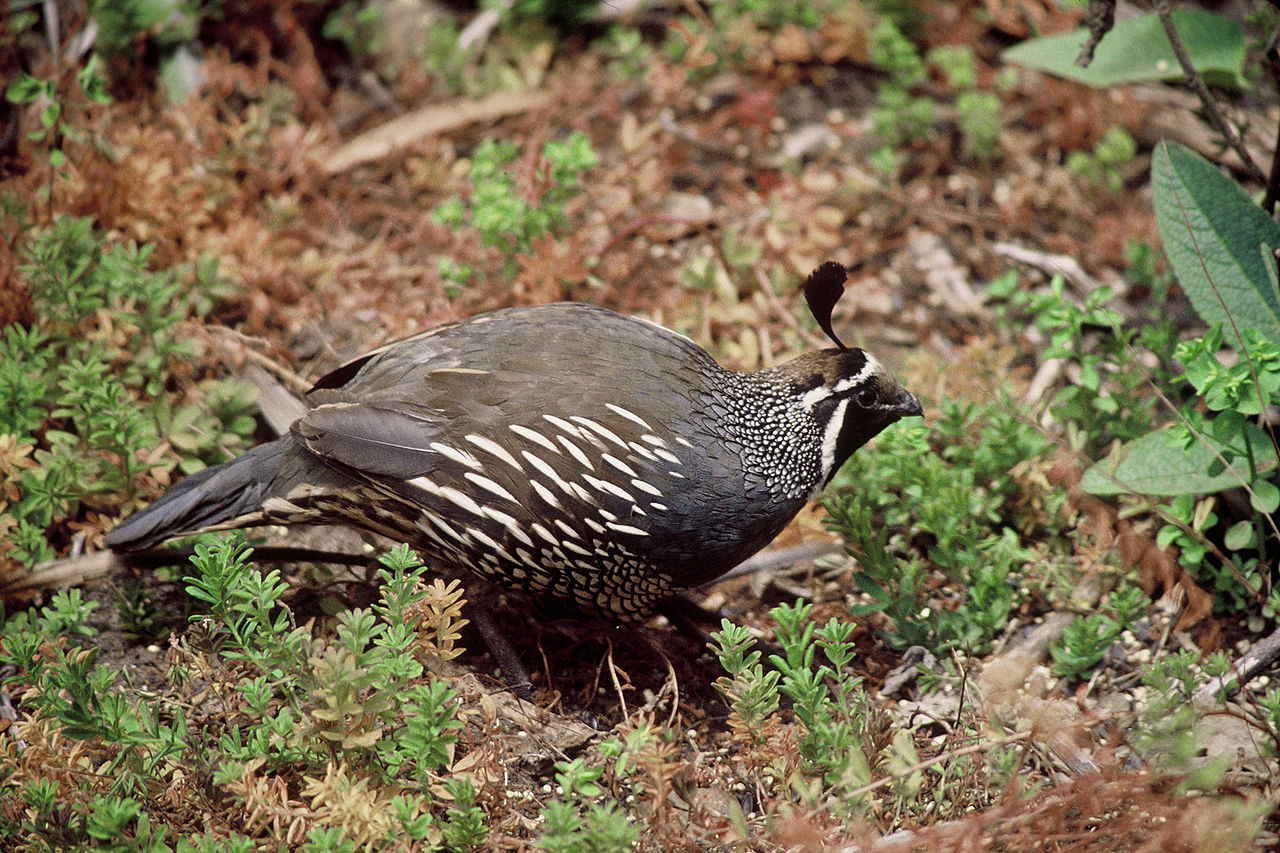
新世界のウズラは、旧世界のウズラとは遠い関係にある小型のふっくらとした陸生鳥ですが、外見や習性が似ていることからその名が付けられました。
- 縞ウズラ、Philortyx fasciatus LC
- ヒゲヤマウズラ、Dendrortyx barbatus VU
- クロハラウズラ、Odontophorus leucolaemus LC
- クロミミウズラ、Odontophorus melanotis LC
- ノドグロコリンウズラ、Colinus nigrogularis LC
- キバシリヤマウズラ、Dendrortyx leucophrys LC
- カリフォルニアウズラ、Callipepla californica LC
- コリンウズラ(Colinus cristatus LC)
- エレガントなウズラ、Callipepla douglasii LC
- ガンベルウズラ、Callipepla gambelii LC
- オナガヤマウズラ、Dendrortyx macroura LC
- マダラヒワズウズラ、Odontophorus gujanensis NT
- モンテズマウズラ、Cyrtonyx montezumae LC (メリアムズモンテズマウズラC. m. merriami : E )
- ヤマウズラ、Oreortyx pictus LC
- キバシリ, Colinus virginianus NT (Masked bobwhite C. v. ridgwayi : E )
- オセラーテッドウズラ、Cyrtonyx ocellatus VU
- 鱗ウズラ、Callipepla squamata LC
- 鳴きウズラ、Dactylortyx thoracicus LC
- キアシヒバリ、Odontophorus guttatus LC
- Tacarcuna ウッドウズラ、Odontophorus Diaeucos VU
- モリウズラ、Rhynchortyx cinctus LC
キジ、ライチョウ、そして仲間たち


キジ科はキジ類とその近縁種から構成されます。これらは陸生種で、大きさは様々ですが、一般的にふっくらとしており、幅広で比較的短い翼を持っています。多くの種は狩猟鳥として、あるいは人間の食料源として家畜化されています。
- チュカール、アレクトリス チュカール(I) LC
- ライチョウ、Dendragapus obscurus LC
- ハイイロヤマウズラ、Perdix perdix (I) LC
- オオソウギョウチドリ、Tympanuchus cupido NT ( Attwater's prairie-chicken T. c. attwateri : E )
- オオキジオライチョウ、Centrocercus urophasianus NT
- Gunnison sage-grouse、Centrocercus minimus JP
- ヒマラヤユキコシギ、Tetraogallus himalayensis (I) LC
- インドクジャク、Pavo cristatus (I) LC
- ヒメコバシギ、Tympanuchus pallidicinctus VU
- オセレーテッドシチメンチョウ、Meleagris ocellata NT
- アカヤケイ、Gallus gallus (I) LC
- キジ科、Phasianus colchicus (I) LC
- 雷鳥、Lagopus muta LC
- エリマキライチョウ、Bonasa umbellus LC
- キバシライチョウ、Tympanuchus phasianellus LC
- セグロライチョウ、Dendragapus fuliginosus LC
- トウヒライチョウ、Canachites canadensis LC
- オジロライチョウ、Lagopus leucura LC
- 野生の七面鳥、Meleagris gallopavo LC
- ライチョウ、Lagopus lagopus LC
フラミンゴ


目: Phoenicopteriformes 科: Phoenicopteridae
フラミンゴ(Phoenicopteridae科Phoenicopterus属)は群生する渉禽類で、体高は通常3~5フィート(0.9~1.5メートル)で、西半球と東半球の両方に生息しています。フラミンゴは貝類や藻類を濾過摂食します。奇妙な形のくちばしは、餌から泥やシルトを分離するのに特化しており、逆さまに使うというユニークな特徴があります。
- アメリカフラミンゴ、Phoenicopterus ruber LC
カイツブリ

目: Podicipediformes 家族: Podicipedidae
カイツブリは小型から中型の潜水鳥です。淡水で繁殖しますが、渡りの時期や冬季には海に渡ることがよくあります。足指は葉状で、優れた泳ぎと潜水能力を持っています。しかし、足が体のかなり後ろに位置するため、陸上では非常に不格好な姿をしています。
- カイツブリ、Podilymbus gigas (E) EX E
- ミミカイツブリ、Podiceps nigricollis LC
- カイツブリ、Aechmophorus clarkii LC
- ミミカイツブリ、Podiceps auritus VU
- カイツブリTachybaptus dominicus LC
- カイツブリ、Podilymbus podiceps LC
- アカエリカイツブリ、Podiceps grisegena LC
- カイツブリ、Aechmophorus occidentalis LC
ハトと鳩


ハトや鳩は、短い首と、肉厚のくちばしを持つ細長い嘴を持つ、がっしりとした体格の鳥です。
- アフリカキバト、Streptopelia roseogrisea (I) LC
- バンドオバト、Patagioenas fasciata LC
- ブルージバト、Claravis pretiosa LC
- アオジロキバト、Starnoenas cyanocephala EN
- マミジロキジバト、Geotrygon mystacea LC
- バフフクロウズラバト、Zentrygon costaricensis LC
- カリブバト、Leptotila jamaicensis LC
- チリキウズラバト、Zentrygon chiriquensis LC
- コモンジバト、Columbina passerina LC
- キジバト、Columba palumbus (A) LC
- カンムリヒワラバト、Geotrygon versicolor NT
- ダスキーピジョン、パタジオエナス グッズーニ LC
- ミミバト、Zenaida auriculata LC
- ヨーロッパコバト、Streptopelia decaocto (I) LC
- ヨーロッパキジバト、Streptopelia turtur (A) VU
- 灰色胸バト、Leptotila cassinii LC
- キバト、Geotrygon caniceps VU
- キバトLeptotila rufaxilla (A) LC [7]
- ハイイロバト、Leptotila plumbeiceps LC
- グレナダバト、レプトティラ・ウェルシ CR
- インカバト、Columbina inca LC
- キーウェストウズラバト、Geotrygon chrysia LC
- えび茶色の胸を持つ地面バト、Claravis mondetoura LC
- ナゲキバト、Zenaida macroura LC
- オリーブバックウズラバト、Leptotrygon veraguensis LC
- キジバト、Streptopelia orientalis (A) LC
- シロバト、Patagioenas cayennensis LC
- リョコウバト、Ectopistes migratorius (E) EX
- ヒラバト、Patagioenas inornata NT
- ヒメバト(Columbina minuta LC)
- Plumbeous pigeon、パタジオエナス・プラムベア LC
- ムラサキウズラバト、Zentrygon lawrencii LC
- アカハシバトPatagioenas flavirostris LC
- ワオバト、Patagioenas caribaea VU
- カワラバト、Columba livia (I) LC
- アカバト、Columbina talpacoti LC
- アカバト、Patagioenas subvinacea VU
- アカウズラバト、Geotrygon montana LC
- アカハラヒバリ、Zentrygon goldmani NT
- ウロコバト、Patagioenas speciosa LC
- ウロコハト、Patagioenas squamosa LC
- ハシバト、Patagioenas nigrirostris LC
- ソコロ鳩、ゼナイダ・グレイソニ EW
- キジバト、Streptopelia chinensis (I) LC
- Tuxtla うずら鳩、Zentrygon carrikeri JP
- スミレ科ウズラバト、Geotrygon violacea LC
- ハト目バト、Patagioenas leucocephala NT
- シロハラヒバリ、Zentrygon albifacies LC
- シラヒワバト、Geotrygon leucometopia EN
- シロバト、Leptotila verreauxi LC
- ハジロコバト、Zenaida asiatica LC
- ゼナイダ・ダヴ、ゼナイダ・アウリタ LC
サンドグラウス
目: Pterocliformes 科: Pteroclidae
サケイはハトのように頭と首が小さいが、体は頑丈でコンパクトだ。長く尖った翼を持ち、時には尾も生えている。速くまっすぐ飛ぶ。夜明けと夕暮れに群れで水場へ飛び立つ。脚はつま先まで羽毛で覆われている。
- クリハラサケイ、Pterocles exustus (I) LC
カッコウ

カッコウ科には、カッコウ、ロードランナー、アニスなどが含まれます。これらの鳥は、細身の体、長い尾、そして力強い脚を持ち、大きさは様々です。
- ムネカッコウ、Coccyzus rufigularis EN
- クロバシカッコウ、Coccyzus erythropthalmus LC
- クリハラカッコウ、Coccyzus pluvialis LC
- ココスカッコウ、Coccyzus ferrugineus VU
- カッコウ、Cuculus canorus (A) LC
- クロハシカッコウ、Coccyzus melacoryphus LC
- コビトカッコウ、Coccycua pumila (A) LC
- ムクドリ、Coccyzus lansbergi LC
- オオトカゲカッコウ、Coccyzus merlini LC
- オオアリ、Crotophaga major LC
- オオミチバシリ、Geococcyx californianus LC
- 溝嘴アニ、Crotophaga sulcirostris LC
- イスパニョーラトカゲカッコウ、Coccyzus longirostris LC
- ジャマイカトカゲカッコー、Coccyzus vetula LC
- ヒメカッコウ、Morococcyx erythropygus LC
- レッサーロードランナー、Geococcyx velox LC
- ヒメカッコウ、Coccycua minuta LC
- マングローブカッコウ、Coccyzus minor LC
- カッコウ、Cuculus optatus (A) LC
- ムネカッコウ、Coccyzus euleri (A) LC
- キジカッコウ、Dromococcyx phasianellus LC
- プエルトリコトカゲカッコウ、Coccyzus vieilloti LC
- Rufous-vented ground-カッコウ、Neomorphus geoffroyi VU (ssp. dulcis : E )
- スムースビルアニ、Crotofaga ani LC
- リスカッコウ、ピアヤ カヤナ LC
- スジカッコー、Tapera naevia LC
- キバシカッコウ、Coccyzus americanus LC
ヨタカとその仲間


目: Caprimulgiformes 科: Caprimulgidae
ヨタカは中型の夜行性鳥で、通常は地面に巣を作ります。長い翼、短い脚、そして非常に短い嘴を持っています。多くの鳥は歩行にはあまり役に立たない小さな足と、長く尖った翼を持っています。柔らかい羽毛は、樹皮や葉を思わせる神秘的な色をしています。
- アンティルヨタカ、Chordileles Gundlachii LC
- バフカラーヨタカ、Antrostomus ridgwayi LC
- チャックウィルズウィドウ、Antrostomus carolinensis NT
- ヨタカ、Chordeiles minor LC
- コモンポーラク、Nyctidromus albicollis LC
- コモン・プアーウィル、Phalaenoptilus nuttallii LC
- キューバヨタカ、Antrostomus cubanensis LC
- ヨタカ、Antrostomus saturatus LC
- ミミヒダチョウ、Nyctiphrynus mcleodii LC
- ヒガシマキバタヒバリ、Antrostomus vociferus NT
- ヨタカ、Caprimulgus jotaka (A) LC
- イスパニオランヨタカ、Antrostomus ekmani LC
- ジャマイカ パラク、Siphonorhis americana (E?) CR
- 最小パウラケ、Siphonorhis brewsteri NT
- ヨタカ、Chordeiles acutipennis LC
- メキシコホイッププアウィル、Antrostomus arizonae LC
- ナクンダナイトホーク、Chordeiles nacunda LC [8]
- オセレイテッド・プアーウィル、Nyctiphrynus ocellatus LC
- プエルトリコのヨタカ、Antrostomus noctitherus EN E
- アカヨタカ、Antrostomus rufus LC
- ヨタカ、Lurocalis semitorquatus LC
- ヨタカ(Hydropsalis maculicaudus LC)
- トウニークビヨタカ、Antrostomus salvini LC
- オジロヨタカ、Hydropsalis cayennensis LC
- ユカタンヨタカ、Antrostomus badius LC
- ユカタンプアウィル、Nyctiphrynus yucatanicus LC
オイルバード
目: Steatornithiformes 科: Steatornithidae
オイルバードは、ヨタカ類の仲間で、細身で長い翼を持つ鳥です。夜行性で、アブラヤシの果実を専門に食べます。
- オイルバード、Steatornis caripensis LC
ポトゥー
目: Nyctibiiformes 家族: Nyctibidae
タチヨタカ(Potoo、Potoo-me-onesとも呼ばれる)は、ヨタカ類やガマグチヨタカ類の近縁種で、スズメ目の大型鳥類です。夜行性の食虫植物で、ヨタカ類に見られる口周りの剛毛はありません。
アマツバメ
_in_flight.jpg)
_in_flight.jpg/1280px-White-throated_Swift_(Aeronautes_saxatalis)_in_flight.jpg)
アマツバメは、生涯の大半を飛行して過ごす小鳥です。脚が非常に短く、自ら地面に降り立つことはなく、垂直な面にのみ止まります。多くのアマツバメは、三日月形やブーメランのような、長く後方に反り返った翼を持っています。
- アルプスアマツバメ、Apus melba (A) LC
- クロアマツバメ、Cypseloides niger VU
- アンティルヤツバメ、Tachornis phoenicobia LC
- ヒメアマツバメ、Chaetura spinicaudus LC
- チャップマンアマツバメ、Chaetura chapmani (A) LC
- クリムゾンアマツバメ、Streptoprocne rutila LC
- ヒメアマツバメ、Chaetura pelagica VU
- アマツバメ、Apus apus (A) LC
- コスタリカアマツバメ、Chaetura fumosa LC
- ニシキアマツバメ、Tachornis squamata LC [9]
- ハイイロアマツバメ、Chaetura cinereiventris LC
- オオアマツバメ、Panyptila sanctihieronymi LC
- コアンティルアマツバメ、Chaetura martinica LC
- ヒメアマツバメ、Panyptila cayennensis LC
- アマツバメ、Apus affinis (A) LC [10]
- アマツバメ、Apus pacificus (A) LC
- アマツバメ、Chaetura brachyura LC
- アマツバメ、Chaetura meridionalis (A) LC
- ヒメアマツバメ、Cypseloides cherriei DD
- ヴォークスアマツバメ、Chaetura vauxi LC
- シロアマツバメ、Cypseloides cryptus LC
- シロエリアマツバメ、Streptoprocne zonaris LC
- オオアマツバメ、Cypseloides storeri DD
- マナグロアマツバメ、Streptoprocne semicollaris LC
- ノドジロヒラタヒバリ Hirundapus caudacutus (A) LC
- ノドジロアマツバメ、Aeronautes saxatalis LC
ハチドリ

ハチドリは、羽を素早く羽ばたかせることで空中でホバリングできる小鳥です。後ろ向きに飛ぶことができる唯一の鳥です。
- アレンハチドリ、Selasphorus sasin LC
- Amazilia ハチドリ、Amazilis amazilia (A) LC
- アメジストノドハチドリ、Lampornis amethystinus LC
- アメジストウッドスター、Calliphlox amethystina (A) LC [11]
- アンナハチドリ、Calypte anna LC
- アンティルカンムリハチドリ、Orthorhyncus cristatus LC
- アオバズクハチドリ、Saucerottia cyanocephala LC
- バハマウッドスター、Nesophlox evelynae LC
- ノドグロオオハナガラス、Threnetes ruckeri LC
- 美しいハチドリ、Calothorax pulcher LC
- ハチドリ、Mellisuga helenae NT
- ベリリンハチドリ、Saucerottia beryllina LC
- クロハラハチドリ、Eupherusa nigriventris LC
- クロバシコウ、Trochilus scitulus LC
- クロアゴハチドリ、Archilochus alexandri LC
- クロツラヘラサギ、Lophornis helenae LC
- ノドアカマンゴー、Anthracothorax nigricollis LC
- アオハチドリ、Eupherusa cyanophrys EN
- アオハチドリ、Polyerata amabilis LC
- ブルーチンサファイア、Chlorestes notata LC [12]
- アオハチドリ、Riccordia bicolor LC
- アオハチドリ、Saucerottia cyanura LC
- ブルーテールエメラルド、Chlorostilbon mellisugus LC [13]
- アオノドゴールデンテール、Chlorestes eliciae LC
- アオノドハチドリ、Lampornis clemenciae LC
- ルリハチドリ、Saucerottia hoffmanni
- ブレイスのエメラルド、Riccordia bracei (E) EX
- ハチドリ、Cynanthus latirostris LC
- オオハチドリ、Selasphorus platycercus LC
- ブロンズテールプルームティア、Chalybura urochrysia LC
- 青銅の仙人、Glaucis aeneus LC
- 茶色のバイオレットイヤー、Colibri delphinae LC
- バフベリーハチドリ、Amazilia yucatanensis LC
- バンブルビーハチドリ、Selasphorus heloisa LC
- カリオペハチドリ、Selasphorus calliope LC
- カニベットのエメラルド、Cynanthus canivetii LC
- 魅力的なハチドリ、Polyerata decora LC
- シナモンハチドリ、Amazilia rutila LC
- 銅頭エメラルド、Microchera cupreiceps LC
- コッパー・ランプ・ハチドリ、Saucerottia tobaci LC [14]
- コスタハチドリ、Calypte costae LC
- コスメルエメラルド、Cynanthus forficatus LC
- 冠木蝶、Thalurania colombica LC
- キューバ産エメラルド、Riccordia ricordii LC
- 薄暗いハチドリ、Phaeoptila sordida LC
- エメラルドチンハチドリ、Abeillia abeillei LC
- アカハラハチドリ、Panterpe insignis LC
- ガーデンエメラルド、クロロスティルボン・アッシミリス LC
- ガーネットノドハチドリ、Lamprolaima rhami LC
- ノドアカハチドリ、Selasphorus ardens EN
- ゴールデンクラウンエメラルド、Cynanthus auriceps LC
- グリーン・ハーミット、フェートルニス・ガイ LC
- グリーンマンゴー、Anthracothorax viridis LC
- グリーントゲトゲ、Discosura conversii LC
- グリーンブレストマンゴー、Anthracothorax prevostii LC
- ミドリヒワ、Lampornis sybillae LC
- ミドリカンムリ、Heliodoxa jacula LC
- ミドリハチドリ、Ramosomyia viridifrons LC
- ミドリナメクジラ、Doryfera ludovicae LC
- 緑がかったパフレッグ、Haplophaedia aureliae LC
- ミドリイシカリブ、Eulampis holosericeus LC
- グリーンスロートマンゴー、Anthracothorax viridigula LC [15]
- ミドリヒワ、Lampornis viridipallens LC
- イスパニョーラ・エメラルド、Riccordia swainsonii LC
- イスパニョーラマンゴー、Anthracothorax dominicus LC
- ホンジュラス産エメラルド、Amazilia luciae VU
- フンボルトサファイア、Chrysuronia humboldtii LC
- イナグア・ウッドスター、ネソフロクス・リルラ LC
- ジャマイカマンゴー、アントラコソラックスマンゴー LC
- ヒメスミレ、Colibri cianotus
- 小さな仙人、Phaethornis longuemareus LC [16]
- ハシバミ仙人、Phaethornis longirostris LC
- ハクシクシクシクイ、ヘリオマスター ロンジロストリス LC
- オナガセイバシリ、Pampa excellens NT
- ルシファーハチドリ、Calothorax lucifer LC
- マゼンタノドウツボ、Philodice bryantae LC
- マングローブハチドリ、Amazilia boucardi JP
- メキシコの仙人、Phaethornis mexicanus LC
- メキシコミズナギドリ、Doricha eliza NT
- メキシコスミレチョウ、Colibri thalassinus LC
- メキシコヤマボウシ、Eupherusa ridgwayi VU
- 青白い腹の仙人、Phaethornis anthophilus LC
- ピレハチドリ、ゴールドマニアベラ NT
- ノドグロヒメウズムシ、Heliomaster constantii LC
- プエルトリコ産エメラルド、Riccordia maugaeus LC
- プエルトリコマンゴー、Anthracothorax aurulentus LC
- ムラサキバレンギク、Heliothryx barroti LC
- ムラサキイロカリブ、Eulampis jugularis LC
- ムラサキチョウ、Lampornis calolaemus LC
- ムラサキウズラ、Philodice mitchellii LC
- アカハシバミチョウ、Trochilus polytmus LC
- リヴォリハチドリ、ユーゲネス・フルゲンス LC
- ルビーノドアカハチドリ、Archilochus colubris LC
- ルビートパーズハチドリ、Chrysolampis mosquitus LC
- アカハチドリ、Selasphorus rufus NT
- アカフササゲ、パンパ・ルファ LC
- アカハラヤマヒトデ、Chaetocercus jourdanii LC [17]
- アカハラヒメヒメドリ、Glaucis hirsutus LC
- アカオオコケット、Lophornis delattrei LC
- アカオハチドリ、Amazilia tzacatl LC
- サファイアノドアカハチドリ、Chrysuronia coeruleogularis LC
- ウロコハチドリ、Phaeochroa cuvierii LC
- シンチラントハチドリ、Selasphorus scintilla LC
- コクマルハナバチ、Lophornis brachylophus CR
- スレンダーミズナギドリ、Doricha enicura LC
- スノーキャップ、Microchera albocoronata LC
- ユキハチドリ、Saucerottia edward LC
- キラキラ尾ハチドリ、Tilmatura dupontii LC
- シマオハチドリ、Eupherusa eximia LC
- ノドイロヤドカリ、Phaethornis striigularis LC
- タラマンカハチドリ、ユージーン・スペクタビリス
- ハシバミハチドリ、Androdon aequatorialis LC
- 房状コケット、Lophornis ornatus LC [18]
- Tres Marias ハチドリ、Cynanthus lawrencei NT
- ターコイズ冠ハチドリ、Cynanthus doubledayi LC
- ベラグアン マンゴー、Anthracothorax veraguensis LC
- バーベインハチドリ、メリスガミニマ LC
- バイオレットサーベルウィング、Campylopterus hemileucurus LC
- スミレハラハチドリ、Chlorestes julie LC
- スミレハチドリ、Goldmania violiceps NT
- スミレ冠ハチドリ、Ramosomyia violiceps LC
- スミレハチドリ、Klais guimeti LC
- 火山ハチドリ、Selasphorus flammula LC
- オナガセイバエ、パンパ・カービペニス LC
- シロハラエメラルド、Chlorestes candida LC
- シロハラヤマボウシ、Lampornis hemileucus LC
- シロエメラルドチョウ、Chrysuronia brevirostris LC [19]
- シロエリハゲコウ、Lophornis adorabilis LC
- シロミミハチドリ、Basilinna leucotis LC
- シロエリハゲコウ、Florisuga mellivora LC
- オジロエメラルド、Microchera chionura LC
- オジロゴールデンスロート、Polytmus guainumbi LC [20]
- オジロハチドリ、Eupherusa poliocerca VU
- オジロセイバチCampylopterus ensipennis NT [21]
- シロエリハゲコウ、Lampornis castaneoventris LC
- シロエリハシバミ、Eutoxeres aquila LC
- ハジロコバシチョウ、Chalybura buffonii LC
- ワインノドハチドリ、Selasphorus ellioti LC
- ザンタスハチドリ、Basilinna xantusii LC
クイナ、バン、オオバン


クイナ科は、小型から中型の鳥類からなる大きな科で、クイナ、クイナ、オオバン、バンなどが含まれます。最も典型的なクイナ科の鳥は、湖、沼、川などの湿潤な環境にある密生した植生に生息します。一般的に臆病で隠れん坊な鳥であるため、観察が困難です。多くの種は、柔らかく凹凸のある地面に適応した丈夫な脚と長い足指を持っています。翼は短く丸みを帯びており、飛行能力は弱い傾向があります。
- アメリカオオバン、Fulica americana LC
- 紫ガリヌール、ポルフィリオ・マルティニカス LC
- ノドアカクイナ、Mustelirallus albicollis LC [22]
- アステカクイナ、Rallus tenuirostris NT
- アジュールガリヌール、ポルフィリオ・フラビロストリス(A) LC
- クロクイナ、Laterallus jamaicensis EN
- クラッパーレール、Rallus crepitans LC
- コロンビアクイナ、Neocrex colombiana DD
- 一般的なガレヌラ、Gallinula galeata LC
- バン、Gallinula chloropus (A) LC
- ウズクイナ、Crex crex (A) LC
- オオバン、Fulica atra (A) LC
- ムネクイナ、Laterallus exilis LC
- シロエリハシブトクイナ、Aramides cajaneus LC
- キングレール、Rallus elegans NT
- マングローブクイナ、Rallus longirostris LC
- オセレイテッドクイナ、Micropygia schomburgkii (A) LC
- ニシキクイナ、Neocrex erythrops LC
- リッジウェイクイナ、Rallus obsoletus NT ( Rallus o. obsoletus R. o. obsoletus、R. o. yumanensisおよびR. o. levipes : E )
- アカクイナ、Laterallus ruber LC
- アカエリマキクイナ、Aramides axillaris LC
- アカエリヒバリ、Aramides albiventris LC
- ソラ、ポルザナ・カロライナ LC
- アカクイナ、Porzana porzana (A) LC
- クイナ、Pardirallus maculatus LC
- 均一クイナ、Aumaurolimnas concolor LC
- バージニアクイナ、Rallus limicola LC
- ムラサキツユクサ、ポルフィリオ・ポルフィリオ(I)
- ニシキクイナ、Rallus aquaticus (A) LC
- ノドジロクイナ、Laterallus albigularis LC
- キイロクイナ、Coturnicops noveboracensis LC
- キイロクイナ、Hapalocrex flaviventer LC
- ザパタレール、シアノリムナス・セルベライ CR
フィンフット
ヘリオルニス科は、カイツブリやオオバンの足に似た水かきのある葉を持つ熱帯鳥類の小さな科です。
- サングレーベ、ヘリオルニス・フリカ LC
リンプキン


カワラヒワは、大きなクイナに似た奇妙な鳥ですが、骨格はツル類に近いです。カリブ海、南アメリカ、フロリダ南部の、木々や低木が生い茂る湿地帯に生息しています。
- リンプキン、アラマス・グアラーナ LC
クレーン
ツルは、脚と首が長く、大型の鳥です。似たような姿をしているものの、近縁種ではないサギとは異なり、ツルは首を後ろに引かずに伸ばして飛びます。多くのツルは、精巧で騒々しい求愛のディスプレイ、あるいは「ダンス」をします。
- ヅル、Grus grus (A) LC
- ナベヅル、Grus monacha (A) VU
- カナダヅル、Antigone canadensis LC(ssp. nesiotes and pulla : E)
- アメリカシロヅル、Grus americana EN E (およびXN )
厚い膝
シロオオシギは、世界中の熱帯地域に生息する渉禽類の一種で、一部の種はヨーロッパやオーストラリアの温帯地域でも繁殖しています。中型から大型の渉禽類で、黒または黄黒色の力強い嘴、大きな黄色の目、そして隠蔽羽毛が特徴です。渉禽類に分類されるにもかかわらず、ほとんどの種は乾燥地帯または半乾燥地帯を好みます。
- ダブルストライプド・シックニー、Burhinus bistriatus LC
セイタカシギとアオアシシギ

目:チドリ目 科:リクルウィロストリダエ科
セイタカシギ科は大型の渉禽類で、ハシブトガラスやセイタカシギなどが含まれます。ハシブトガラスは長い脚と上向きに湾曲した長い嘴を持ち、セイタカシギは非常に長い脚と細くまっすぐな嘴を持ちます。
- アメリカアボセット、Recurvirostra americana LC
- セイタカシギ、Himantopus himantopus (A) LC
- セイタカシギ、Himantopus mexicanus LC(ハワイアンセイタカシギH. m. knudseni : E)
ミヤコドリ
.jpg)
.jpg/1280px-Haematopus_palliatus_-Atlantic_coast,_New_Jersey,_USA-8_(5).jpg)
ミヤコドリは、チドリに似た大型で目立つ騒々しい鳥で、強い嘴を持ち、それを使って軟体動物を叩き割ったりこじ開けたりします。
タゲリとチドリ

チドリ科には、チドリ類、チドリ類、タゲリ類が含まれます。小型から中型の鳥で、コンパクトな体、短く太い首、そして長く尖った翼を持ちます。世界中の開けた場所に生息し、主に水辺の生息地で見られます。
- アメリカゴールデンチドリ、Pluvialis dominica LC
- クロハラチドリ、Pluvialis squatarola LC
- シロチドリ、Charadrius collaris LC
- コモンワラチドリ、Charadrius hiaticula LC
- ヨーロッパチドリ、Charadrius morinellus (A) LC
- ヨーロッパムクドリモドキ、Pluvialis apricaria (C) LC
- スナチドリCharadrius leschenaultii (A) LC
- キルディア、Charadrius vociferus LC
- コチドリ、Charadrius mongolus (A) LC
- コチドリ、Charadrius dubius (A) LC
- 山チドリ、Charadrius montanus NT
- タゲリ、Vanellus vanellus (A) NT
- オオチドリ、Charadrius veredus (A) LC
- ゴールデンチドリPluvialis fulva LC
- ピピングチドリ、Charadrius melodus NT TまたはE
- セミパルマテッドチドリ、Charadrius semipalmatus LC
- シロチドリ( Charadrius nivosus NT )
- タゲリ、Vanellus chilensis (A) LC
- ウィルソンチドリ、Charadrius wilsonia LC
レンカ科
レンカク類は世界中の熱帯地域に生息する渉禽類の一種です。巨大な足と爪で識別でき、浅い湖沼の浮遊植物の上を歩くことができます。これらの水域はレンカク類の生息地として好まれます。
シギとその仲間


シギ科(Scolopacidae)は、小型から中型のシギ・チドリ類からなる、多様な鳥類からなる大規模科です。シギ・チドリ類には、ダイシャクシギ・オオソリハシシギ・アオアシシギ・タチドリ・ヤマシギ・タシギ・マミジロシギ・ヒメドリなどが含まれます。これらの種の多くは、泥や土の中から拾い集めた小型無脊椎動物を餌としています。脚や嘴の長さが異なるため、特に沿岸部では、複数の種が同じ生息地で餌をめぐって直接競合することなく生息することが可能です。
- アメリカヤマシギ、Scolopax minor LC
- ベアードシギ、Calidris bairdii LC
- オオゴシラ、Limosa lagponica NT
- クロキョウジョシギ、Arenaria melanocephala LC
- オグロシギLimosa limosa (A) NT
- ハリネズミシャクシャク、Numenius tahitiensis NT
- オオイソシギCalidris falcinellus (A) LC
- バフブレストシギ、Calidris subruficollis NT
- アオアシシギ、Tringa nebularia (A) LC
- アカアシシギ、Tringa totanus (A) LC
- シギ、Actitis hypoleucos (A) LC
- シシギ、Gallinago gallinago LC
- カイシギシギ、Caldris ferruginea NT
- ハマシギ、Calidris alpina LC
- エスキモーチュウシャクシギ、Numenius borealis (E?) CR E
- キュリギリ、Numenius arquata (A) NT
- ヨーロッパヤマシギ、Scolopax rusticola (A) LC
- 極東ダンシャクシギ、Numenius madagascariensis (A) JP
- グレートノット、Calidris tenuirostris (A) JP
- オオキアシシギ、Tringa melanoleuca LC
- ミヤコシギ、Tringa ochropus (A) LC
- 灰色尾タタラー、Tringa brevipes (A) NT
- ハドソンオオソリハシシギ、Limosa haemastica LC
- チュウシャクシギ、Numenius phaeopus LC
- ジャックスナイプ、Lymnocryptes minimus (A) LC
- コシギ、Calidris minutilla LC
- コキアシシギ、Tringa flavipes LC
- コシャクシギ、Numenius minutus (A) LC
- ヒメウズラ、Calidris minuta (A) LC
- ハシグロダイシャクシギ、Numenius americanus LC
- ハシブトドウィッチャー、Limnodromus scolopaceus LC
- オナガシラヒワ、Calidris subminuta (A) LC
- マーブルゴッドウィット、リモサ フェドア LC
- コシギ、Tringa stagnatilis (A) LC
- 胸シギ、Caldris melanotos LC
- オナガタシギ、Gallinago stenura (A) LC
- ムラサキアシシギ、Calidris maritima LC
- レッドノット、Calidris canutus NT
- アカヒゲチョウ、Phalaropus fulicarius LC
- アカエリヒレアシシギ、Phalaropus lobatus LC
- アカエリヒワ、Calidris ruficollis NT
- イワシギ、Calidris ptilocnemis LC
- ルディ・ターンストーン、アレナリアが LCをインタープレス
- エリマキ、Calidris pugnax LC
- ミユビシギ、Calidris alba LC
- 半掌状シギCalidris pusilla NT
- オオイソシギCalidris acuminata (A) LC
- ハシブトドウィッチャー、Limnodromus griseus LC
- ハリネズミ, Numenius tenuirostris (E?) CR E
- ソリタリアシギ、Tringa solitaria LC
- 孤独なタシギ、Gallinago solitaria (A) LC
- ヘラシギCalidris pygmea (A) CR
- アカアシシギ、Tringa erythropus (A) LC
- シギ、Actitis macularius LC
- セイタカシギ、Calidris hismantopus LC
- サーフバード、カリドリス・ヴィルガータ LC
- テミンクのスティント、Calidris temminckii (A) LC
- テレクシギ、Xenus cinereus (A) LC
- オオイソシギ、Bartramia longicauda LC
- 放浪するおしゃべり屋、Tringa incana LC
- ニシキギ、Calidris mauri LC
- オオソリハシシギCalidris fuscicollis LC
- ウィレット、Tringa semipalmata LC
- ウィルソンファラロープ、Phalaropus tricolor LC
- ウィルソンシギ、ガリナゴデリカータ LC
- キアシシギ、Tringa glareola LC
ウミガラスとツチガラス
キバシリは短い脚、非常に長く尖った翼、そして長く二股に分かれた尾を持っています。渉禽類に分類される鳥類の中で最も珍しい特徴は、ツバメのように飛翔中に昆虫を捕食することですが、地上でも餌を食べることができます。短い嘴は空中採餌への適応です。
- ノスリチョウ、Glareola pratincola (A) LC
- オリエンタルプラティンコール、Glareola maldivarum (A) LC
トウゾクカモメとイエカ


トウゾクカモメは一般的に中型から大型の鳥で、灰色または茶色の羽毛を持ち、翼には白い模様が見られることが多い。先端が鉤状の長めの嘴と、鋭い爪を持つ水かきのある足を持つ。大型の黒っぽいカモメに似ているが、上嘴の上に肉質の鼻垂がある。力強く、アクロバティックな飛行を見せる。
- オオトウゾクカモメ、Stercorarius skua LC
- オナガイロチョウ、Stercorarius longicaudus LC
- Pomarine jaeger、Stercorarius pomarinus LC
- 寄生イエバエ、Stercorarius parasiticus LC
- ナンキョクオオトウゾクカモメ、Stercorarius maccormicki LC
ウミスズメ、ウミガラス、ツノメドリ
ウミスズメ科の鳥類は、白黒の体色、直立姿勢、そしていくつかの習性から、 一見ペンギンに似ていますが、ペンギンとは遠縁で、飛ぶことができます。ウミスズメ科の鳥類は外洋に生息し、営巣のためだけに意図的に陸に上がってきます。
- 古代カンムリウミスズメ、Synthliboramphus antiquus LC
- タイセイヨウツノメドリ、Fratercula arctica VU
- ウミウマ、Cepphus grylle LC
- カシンウミウシ、Ptychoramphus aleuticus NT
- ウミガラス、Uria aalge LC
- カンムリウミスズメ、Synthliboramphus craveri VU
- カンムリウミスズメ、Aethia cristatella LC
- Dovekie、Alle alle LC
- オオウミガラス、Pinginus impennis (E) EX
- グアダルーペカンムリウミスズメ、Synthliboramphus Hypoleucus JP
- ツノメドリ、Fratercula corniculata LC
- キットリッツウミスズメ、Brachyramphus brevirostris NT
- ウミガラス、Aethia pusilla LC
- ハナミズミスムリBrachyramphus perdix NT
- マダラウミスズメ、Brachyramphus marmoratus EN T
- インコ アウクレット、Aethia psittacula LC
- ウミバト、Cepphus columba LC
- オオハシウミガラス、アルカ・トルダ NT
- ウミスズメ、Cerorhinca monocerata LC
- スクリップスウミスズメ、Synthliboramphus scrippsi VU
- ハシブトウミガラス、Uria lomvia LC
- エトピリカ、Fratercula cirrhata LC
- ヒゲオウクレット、Aethia pygmaea LC
カモメ、アジサシ、ハジロコガモ


カモメ科は中型から大型の海鳥の科で、カモメ、アジサシ、ミツユビカモメ、ハジロコガモが含まれます。カモメは一般に灰色または白色で、頭部または翼に黒い模様があることが多いです。頑丈で長めの嘴と水かきのある足を持っています。アジサシは一般に中型から大型の海鳥のグループで、一般に灰色または白色の羽毛で、頭部に黒い模様があることが多いです。ほとんどのアジサシは潜って魚を狩りますが、淡水の表面で昆虫を捕食するものもいます。アジサシは一般に寿命が長く、30年以上生きる種も知られています。ハジロコガモは熱帯のアジサシに似た鳥の小さな科です。細長い下顎を持ち、それを使って水面を低空飛行し、水面をすくって小魚を捕食します。
- アリューシャンアジサシ、Onychoprion aleuticus VU
- セグロカモメ Larus argentatus LC )
- キョクアジサシ、Sterna paradisaea LC
- ベルチャーカモメ、Larus belcheri (A) LC
- ブラックノディ、Anous minutus LC
- ブラックスキマー、Rynchops niger LC
- クロアジサシ、Chlidonias niger LC
- ユリカモメ、Chroicocephalus ridibundus LC
- クロアシミツユビカモメ、Rissa tridactyla VU
- ウミネコ、Larus crassirostris (A) LC
- ボナパルトカモメ、Chroicocephalus philadelphia LC
- クライドアジサシ、Onychoprion anaethetus LC
- ブラウンノディ、Anous stolidus LC
- カリフォルニアカモメ、Larus californicus LC
- カスピアジサシ、ハイドロプログネカスピア LC
- カモメ、Larus canus LC
- アジサシ、スターナヒルンド LC
- エレガンスアジサシ、Thalasseus elegans NT
- キアジサシ、Sterna forsteri LC
- フランクリンカモメ、Leucophaeus pipixcan LC
- オオカモメ、Larus hyperboreus LC
- オオカモメ、Larus glaucescens LC
- ハイイロカモメ、Leucophaeus modestus (A) LC
- オオカモメ、Larus marinus LC
- ハイイロカモメ、Chroicocephalus cirrocephalus (A) LC
- カモメアジサシ、Gelochelidon nilotica LC
- ヘルマンカモメ、Larus heermanni NT
- アイスランドカモメ、Larus glaucoides LC
- インカアジサシ、ラロスターナインカ(A) NT
- カモメ、Pagophila eburnea NT
- オオセグロカモメ、Larus dominicanus LC
- ハシブトアジサシ、Phaetusa simplex (A) LC
- ガビチョウ、Leucophaeus atricilla LC
- カリフォルニアオオアジサシSternula antillarum LC E (カリフォルニアオオアジサシ S. a. browni : E )
- オオカモメ、Larus fuscus LC
- コカモメ、Hydrocoloeus minutus LC
- シラカモメ、Ichthyaetus ichthyaetus (A) LC
- ミツユビカモメ、Rissa brevirostris VU
- ハジロカモメ、Larus delawarensis LC
- ベニアジサシ、Sterna dougallii LC (ssp. dougallii : EまたはT)
- ロスカモメ、Rhodostethia rosea LC
- オオアジサシ、Thalasseus maximus LC
- サビネカモメ、Xema sabini LC
- サンドイッチアジサシ、Thalasseus sandvicensis LC
- ハシブトカモメ、Larus brachyrhynchus
- オオセグロカモメ、Larus schistisagus LC
- セグロアジサシ、Onychoprion fuscatus LC
- アゲハチョウ、Creagrus furcatus (A) LC
- オオカモメ、Larus occidentalis LC
- ヒゲアジサシ、Chlidonias hybridus (A) LC
- シロアジサシ、Gygis alba LC
- ハジロアジサシ、Chlidonias leucopterus (A) LC
- キバシアジサシ、Sternula superciliaris LC
- キアシカモメ、Larus livens LC
- キアシカモメ、Larus cachinnans (A) LC
サンビターン
サンビターンはアメリカ大陸の熱帯地域に生息するサンビターンに似た鳥で、Eurypygidae 科 (Eurypigidae と綴られることもある) およびEurypyga属の唯一の種である。
- サンビターン、エウリピガ ヘリアス LC
熱帯鳥類


目: Phaethontiformes 家族: Phaethontidae
ネッタイチョウは、熱帯の海に生息する細身の白い鳥で、中央の尾羽が非常に長く、頭部と長い翼には黒い模様があります。
- アカハシネッタイチョウ、Phaethon aethereus LC
- アカオネッタイチョウ、Phaethon rubricauda LC
- オジロネッタイチョウ、Phaethon lepturus LC
ペンギン
ペンギンは、ほぼ南半球にのみ生息する水生の飛べない鳥類です。ほとんどのペンギンは、水中を泳いでいる間に捕獲したオキアミ、魚、イカなどの海洋生物を餌としています。
- ガラパゴス ペンギン、Spheniscus mendiculus (A) JP
- マゼランペンギン、Spheniscus magellanicus (A) LC
アビ


アビは大型のアヒルほどの大きさの水鳥で、アヒルとは無関係です。羽毛は主に灰色または黒で、嘴は槍のようです。アビは泳ぎも飛び方も得意ですが、脚が体の後方にあるため、陸上ではほとんど無力です。
- ホッキョクアビ、Gavia arctica LC
- アビ、Gavia immer LC
- アビ、Gavia pacifica LC
- アカノドアビ、Gavia stellata LC
- キバシアビ、Gavia adamsii NT
アホウドリ


目: Procellariiformes 家族: Diomedeidae
アホウドリは飛ぶ鳥類の中で最大級の鳥類であり、ディオメディア属のオオアホウドリは現存する鳥類の中で最も大きな翼幅を持っています。
- キバシリアホウドリ、Thalassarche chlororhynchos (C) EN
- マユグロアホウドリ、Thalassarche melanophris (A) LC
- クロアシアホウドリ、Phoebastria nigripes NT
- チャタムアホウドリ、Thalasarche eremita (A) VU
- コアホウドリ、Phoebastria immutabilis NT
- ミゾリアホウドリ、Phoebetria palpebrata (A) NT
- サルビンアホウドリ、Thalassarche salvini (A) VU
- アホウドリ、Phoebastria albatrus VU E
- オオアホウドリ、Thalassarche cauta NT
- ワタリアホウドリ、Diomedea exulans (A) VU
- ウェーブアホウドリ、Phoebastria irrorata (A) CR
ミナミウミツバメ


目: Procellariiformes 家族: Oceanitidae
ミナミウミツバメはウミツバメ類の仲間で、最も小型の海鳥です。プランクトン性の甲殻類や小魚を捕食し、通常はホバリングしながら水面を飛び回ります。羽ばたくような飛行をし、時にはコウモリのような姿を見せることもあります。2018年まで、この科の3種は他のウミツバメ類とともにHydrobatidae科に分類されていました。
- クロハラウミツバメ、Fregetta tropica (A) LC
- シロエリハジロウミツバメ、Pelagodroma marina LC
- ウィルソンウミツバメ、Oceanites oceanicus LC
キタウミツバメ
この科の鳥類は、一般的な外見や習性など、多くの点でミナミウミツバメ類と類似していますが、遺伝的差異が十分にあるため、別の科に分類する価値があります。
- エインリーウミツバメ、Hydrobates cheimomnestes VU
- 灰色ウミツバメ、Hydrobates homochroa EN
- バンド尻ウミツバメ、Hydrobates castro LC
- クロウミツバメ、Hydrobates melania LC
- ヨーロッパウミツバメ、Hydrobates pelagicus (A) LC
- ミヤマウミツバメ、Hydrobates furcatus LC
- グアダルーペウミツバメ、Hydrobates macrodactylus (E) CR
- リーチウミツバメ、Hydrobates leucorhous VU
- ヒメウミツバメ、Hydrobates microsoma LC
- マーカムズウミツバメ、Hydrobates markhami (A) NT
- ワシミミズク、Hydrobates hornbyi (A) NT
- スインホーウミツバメ、Hydrobates monorhis (A) NT
- タウンゼントウミツバメ、Hydrobates socorroensis EN
- トリストラムウミツバメ、Hydrobates tristrami (A) LC
- オナガウミツバメ、Hydrobates tethys (C) LC
ミズナギドリとミズナギドリ


目: Procellariiformes 家族: Procellariidae
ミズナギドリ類は中型の「ミズナギドリ類」の主要グループであり、中程度の鼻中隔と長い外側の初列風切羽を持つ結合した鼻孔が特徴です。
- ホンダワラミズナギドリ、Puffinus lherminieri LC
- バローロミズナギドリ、Puffinus baroli (A)
- バミューダミズナギドリ、Pterodroma cahow EN E
- クロツラヘラサギ、Pterodroma hasitata EN
- クロハラミズナギドリ、Puffinus opisthomelas NT
- ブラーミズナギドリ、Ardenna bulleri VU
- ブルワーミズナギドリ、Bulweria bulwerii (A) LC
- カーボベルデミズナギドリ、Calonectris edwardsii (A) NT
- クリスマスミズナギドリ、Puffinus nativitatis (A) LC
- クックミズナギドリ、Pterodroma cookii VU
- オニミズナギドリ、Calonectris diomedea LC
- フェアズミズナギドリ Pterodroma feae NT
- ニシキミズナギドリ、Ardenna carneipes NT
- ガラパゴスミズナギドリ、Pterodroma phaeopygia (A) CR
- ガラパゴスミズナギドリ、Puffinus subalaris (A) LC
- ハイイロシロハラミズナギドリ、Pterodroma gouldi (A) LC
- オオミズナギドリ、Ardenna gravis LC
- ハワイミズナギドリ Pterodroma Sandwichensis (C) JP
- ヘラルドミズナギドリ、Pterodroma heraldica (A) LC
- ジャマイカミズナギドリ、Pterodoma caribbea (E?) CR [23]
- フアン・フェルナンデス・ミズナギドリ、Pterodroma externa (A) VU
- ケルマデックミズナギドリ、プテロドロマネグレクトア(A) LC
- マンクスミズナギドリ、Puffinus puffinus LC
- ミズナギドリ, Pterodroma inexpectata NT
- シロハラミズナギドリ、Pterodroma ultima LC
- ニューウェルミズナギドリ Puffinus newelli CR
- フルマカモメ、Fulmarus glacialis LC
- オオフルマカモメ、Macronectes halli (A) LC
- パーキンソンミズナギドリ、Procellaria parkinsoni VU
- コシジロミズナギドリ、Ardenna creatopus VU
- プロビデンスミズナギドリ、Pterodroma solandri (A) VU
- ハシブトミズナギドリ、Ardenna tenuirostris LC
- ハイイロミズナギドリ、Ardenna grisea NT
- シュタイネガーミズナギドリ、Pterodromalongirostris (C) VU
- オオミズナギドリ、Calonectris leucomelas (C) NT
- タヒチミズナギドリ、Pseudobulweria rostrata (A) NT
- タウンゼントミズナギドリ、Puffinus auricularis (A) CR
- トリンダーデミズナギドリ、Pterodroma arminjoniana VU
- オナガミズナギドリ、Ardenna pacifica (C) LC }
- シロアゴミズナギドリ、Procellaria aequictialis (A) VU
- ジノミズナギドリ、Pterodroma madeira (A) JP
コウノトリ


コウノトリは、大きく、重く、脚と首が長く、長く、頑丈な嘴と広い翼幅を持つ渉禽類です。サギ、ヘラサギ、トキなどの他の渉禽類が魚のぬめりを落とすために使う粉状の羽毛はコウノトリには備わっていません。また、咽頭がなく、声も出ません。
- ジャビル、ジャビル・ミクテリア LC
- マグアリコウノトリ、Ciconia maguari (A) LC
- コウノトリ、Ciconia cionia (A) LC [24]
- アメリカアメリカコウ、Mycteria americana LC E
グンカンドリ
グンカンドリは、熱帯の海域に多く生息する大型の海鳥です。体が大きく、黒色または白黒の模様で、長い翼と深く二股に分かれた尾を持っています。オスは膨らませることのできる有色の喉袋を持っています。泳いだり歩いたりすることはなく、平らな場所から飛び立つこともできません。翼幅と体重の比率が鳥類の中で最も大きいため、実質的に空中飛行が可能で、1週間以上も空中に留まることができます。
- オオグンカンドリ、Fregata minor LC
- コグンカンドリ、Fregata ariel (A) LC
- アメリカグンカンドリ、Fregata magnificens LC
カツオドリとカツオドリ


カツオドリ科にはカツオドリとカツオドリが含まれます。どちらのグループも、魚を捕食するために飛び込む 中型から大型の沿岸海鳥です。
- アオアシカツオドリ、Sula nebouxii LC
- カツオドリ、Sula leucogaster LC
- カツオドリ、Sula dactylatra LC
- ナスカのカツオドリ、スーラ・グランティ LC
- カツオドリ、Morus badsanus LC
- ペルーカツオドリ、Sula variegata (A) LC
- アカアシカツオドリ、Sula sula LC
ダーツ
ヘビウ(ヘビウ科ヘビウ属)は、非常に長い首と長くまっすぐな嘴を持つ、ウ科に似た水鳥です。彼らは魚食で、首だけを水面上に出して泳ぐことが多いです。
- アンヒンガ、アンヒンガ anhinga LC
ウミウとウミヒメウ


目: Suliformes 科: Phalacrocoracidae
ウミウは中型から大型の水鳥で、通常は主に黒っぽい羽毛と、顔に有色の皮膚部分があります。嘴は細長く、鋭く鉤状になっています。足には4本の指があり、水かきがあります。
- ブラント鵜、Urile penicillatus LC
- ミヤマウミウ、Nannopterum auritum LC
- カワウ、Phalacrocorax carbo LC
- グアナイウ、Leucocarbo bougainvilliorum (A) LC
- 新熱帯性鵜、Nannopterum brasilianum LC
- ウミウ、Urile pelagicus LC
- アカウミウ、ウリルウリル LC
ペリカン


ペリカンは、くちばしの下に特徴的な袋を持つ非常に大型の水鳥です。ペリカン目の他の鳥類と同様に、4本の指先に水かきがあります。
- アメリカシロペリカン、Pelecanus erythrorhynchos LC
- カッショクペリカン、Pelecanus occidentalis LC
- モモイロペリカン、Pelecanus onocrotalus (A) LC
- ペルーペリカン、Pelecanus thagus (A) NT
サギ、シラサギ、サンカノゴイ


サギ科には、サギ類、シラサギ類、サンカノゴイ類が含まれます。サギ類とシラサギ類は中型から大型の渉禽類で、首と脚が長く、サンカノゴイ類は首が短く、隠れて行動する傾向があります。サンカノゴイ科の鳥は、コウノトリ、トキ、ヘラサギなどの他の首の長い鳥とは異なり、首を縮めて飛びます。
- アガミサギ、Agamia agami VU
- アメリカサンカノゴイ、Botaurus lentiginosus LC
- ノドグロタイガーサギ、Tigrisoma mexicanum LC
- ゴイサギ、Nycticorax nycticorax LC
- ボートビルサギ、Cochlearius cochlearius LC
- ナミサギ、Pilherodius pileatus LC
- アマサギ、Bubulcus ibis LC
- 中国サギ、Egretta eulophotes (A) VU E
- チャイロサギ、Ardeola bacchus (A) LC
- ココイサギ、Ardea cocoi LC
- トウヒタイガーサギ、Tigrisoma fasciatum LC
- アオサギ、Ardea cinerea LC
- オオアオサギ、Ardea herodias LC
- ダイサギ、Ardea alba LC
- アオサギ、Butorides virescens LC
- 中鷺、アルデア・インターメディア(A) LC
- ニガリ、Ixobrychus exilis LC
- コガラ、Ixobrychus minutus (A) LC
- コサギ、Egretta caerulea LC
- コサギ、Egretta garzetta (C) LC
- ニガヨシゴイ、Botaurus pinnatus LC
- ムラサキサギ、Ardea purpurea (A) LC
- アカアシサギ、Egretta rufescens NT
- アカハラタイガーサギ、Tigrisoma lineatum LC
- シロサギ、Egretta thula LC
- アオサギ、Ardeola ralloides (A) LC
- 縞サギ、Butorides striata LC
- スジゴイ、Ixobrychus involucris LC [25]
- アメリカサギ、Egretta tricolor LC
- ニシアオサギEgretta gularis (A) LC
- ホシハジロ、Syrigma sibilatrix (A) LC
- キイロサンゴ、Ixobrychus sinensis (A) LC
- キサゴイ、Nyctanassa violacea LC
トキとヘラサギ


この科の鳥は、長く幅広い翼を持ち、力強い飛翔能力を持ち、その体格と体重を考えると意外にも、非常に優れた滑空能力も備えています。体は細長く、特に首は細長く、脚はかなり長い傾向にあります。嘴も長く、トキ科では湾曲していますが、ヘラサギ科ではまっすぐで特徴的な平らな形状をしています。
- アフリカクロトキ、Threskiornis aethiopicus (I) LC
- シロトキ、Eudocimus albus LC
- ハダトキ、Phimosus infuscatus (A) LC
- ミナミトキ、Theristicus caudatus (A) LC
- ヨーロッパヘラサギ、Platalea leucorodia (A) LC
- ツヤトキ、Plegadis falcinellus LC
- ミドリトキ、Mesembrinibis cayennensis LC
- ベニヘラサギ、Platalea ajaja LC
- ショウジョウトキ、エウドシムス・ルバー LC
- シロトキ、Plegadis chihi LC
新世界のハゲワシ


新世界ハゲワシは旧世界ハゲワシと近縁ではないが、収斂進化により表面上は似ている。旧世界ハゲワシと同様に腐肉食である。しかし、視覚で死骸を見つける旧世界ハゲワシとは異なり、新世界ハゲワシは優れた嗅覚で死骸を見つける。
- クロハゲワシ、Coragyps atratus LC
- カリフォルニアコンドル、Gymnogyps californianus CR E (およびXN )
- オオコンドル、Sarcoramphus papa LC
- ヒメコンドル、Cathartes burrovianus LC
- ヒメコンドル、Cathartes aura LC
ミサゴ


パンディオニダエ科は魚食性の猛禽類で、獲物の肉を引き裂くための非常に大きく力強い鉤状の嘴、強靭な脚、強力な爪、そして鋭い視力を持つ。この科は単型である。
- ミサゴ、Pandion haliaetus LC
タカ、ワシ、トビ


タカ科は猛禽類の一種で、タカ、ワシ、トビ、チュウヒ、そして旧世界ハゲワシなどが含まれます。これらの鳥は、獲物の肉を引き裂くための非常に大きく力強い鉤状の嘴、強靭な脚、強力な爪、そして鋭い視力を持っています。
- ハクトウワシ、Haliaeetus leucocephalus LC
- アメリカノスリ、Morphnarchus princeps LC
- オオタカ、Accipiter bicolor LC
- クマタカ、Spizaetus tyrannus LC
- トビ、Milvus migrans (A) LC
- クロクマタカ、Spizaetus melanoleucus LC
- クロノスリ、Busarellus nigricollis LC
- オオワシ、Hieraaetus pennatus (A) LC
- ハクトウワシ、Buteo platypterus LC (ssp. brunnescens : E )
- ハイタカ、Accipiter soensis (A) LC
- クロノスリ、Buteogallus anthracinus LC
- クーパーホーク、Accipiter cooperii LC
- クレーンタカ、Geranospiza caerulescens LC
- カンムリワシ、Morphnus guianensis NT
- キューバクロタカ、Buteogallus gundlachii NT
- キューバトビ、Chondrohierax wilsonii CR
- トビ(Harpagus bidentatus LC)
- ハイタカ、Accipiter nisus (A) LC
- アカオノスリ、Buteo regalis LC
- イヌワシ、Aquila chrysaetos LC
- オオクロタカ、Buteogallus urubitinga LC
- ハイイロタカ、Buteo plagiatus ( B. nitidus : LC )
- ハイイロタカ、Accipiter poliogaster (A) NT
- ハイイロトビ、Leptodon cayanensis LC
- ハイイリノスリ、Buteo nitidus LC
- ガンドラックの鷹、Accipiter Gundlachi JP
- オウギワシ、Harpia harpyja NT E
- ハリスホーク、Parabuteo unicinctus LC
- 鉤嘴トビ、Chondrohierax uncinatus LC
- オナガノスリ、Buteo rufinus (A) LC
- チュウヒ、Circus buffoni LC
- ミシシッピトビ、Ictinia mississippiensis LC
- オオタカ、Accipiter gentilis (A) LC
- オオタカ、Accipiter atricapillus LC
- チュウヒCircus hudsonius LC
- チュウヒCircus aeruginosus (A) LC
- 華麗なオオタカ、Spizaetus ornatus NT
- パールカイト、Gampsonyx swainsonii LC
- Plumbeous タカ、Cryptoleucopteryx plumbea NT
- Plumbeous ton、Ictinia plumbea LC
- アカアシノスリ、Buteo lineatus LC
- アカオノスリ、Buteo jamaicensis LC
- リッジウェイ ホーク、ブテオ リッジウェイ CR
- ロードサイドホーク、Rupornis magnirostris LC
- オオタカ、Buteo lagopus LC
- サバンナタカ、Buteogallus meridionalis LC
- セミプラムベウス・ホーク、Leucopternis semiplumbeus LC
- シャープシンニングホークAccipiter striatus LC ( Accipiter striatus venator A. s. venator : E
- ハジロノスリ、Buteo brachyurus LC
- 細嘴トビ、Helicolestes hamatus LC
- カタツムリトビ、Rostrhamus sociabilis LC (ssp. plumbeus : E )
- 孤独なワシ、Buteogallus solitarius NT
- オオワシ、Haliaeetus pelagicus (C) VU
- スウェインソンタカ、Buteo swainsoni LC
- アゲハチョウ科、Elanoides forficatus LC
- タイニーホーク、Accipiter superciliosus LC
- チュウヒCircus aeruginosus (A) LC
- オオタカ、Pseudastur albicollis LC
- オジロワシ、Haliaeetus albicilla (C) LC (ssp. groenlandicus : E )
- オジロノスリ、Geranoaetus albicaudatus LC
- オジロトビ、Elanus leucurus LC
- オオタカ( Buteo albonotatus LC)
メンフクロウ

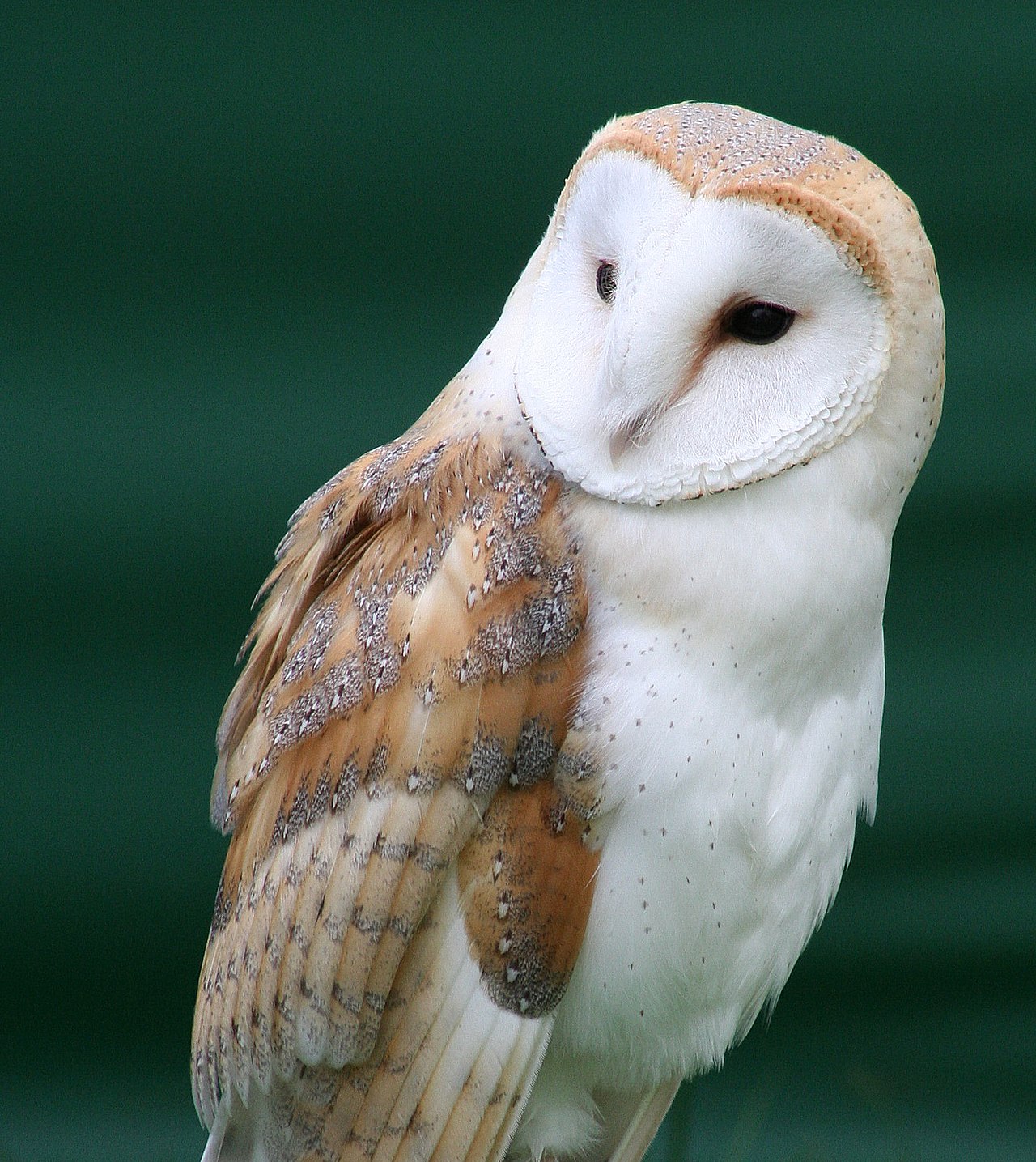
メンフクロウは中型から大型のフクロウで、大きな頭と特徴的なハート型の顔を持ち、長く力強い脚と強力な爪を持っています。
フクロウ

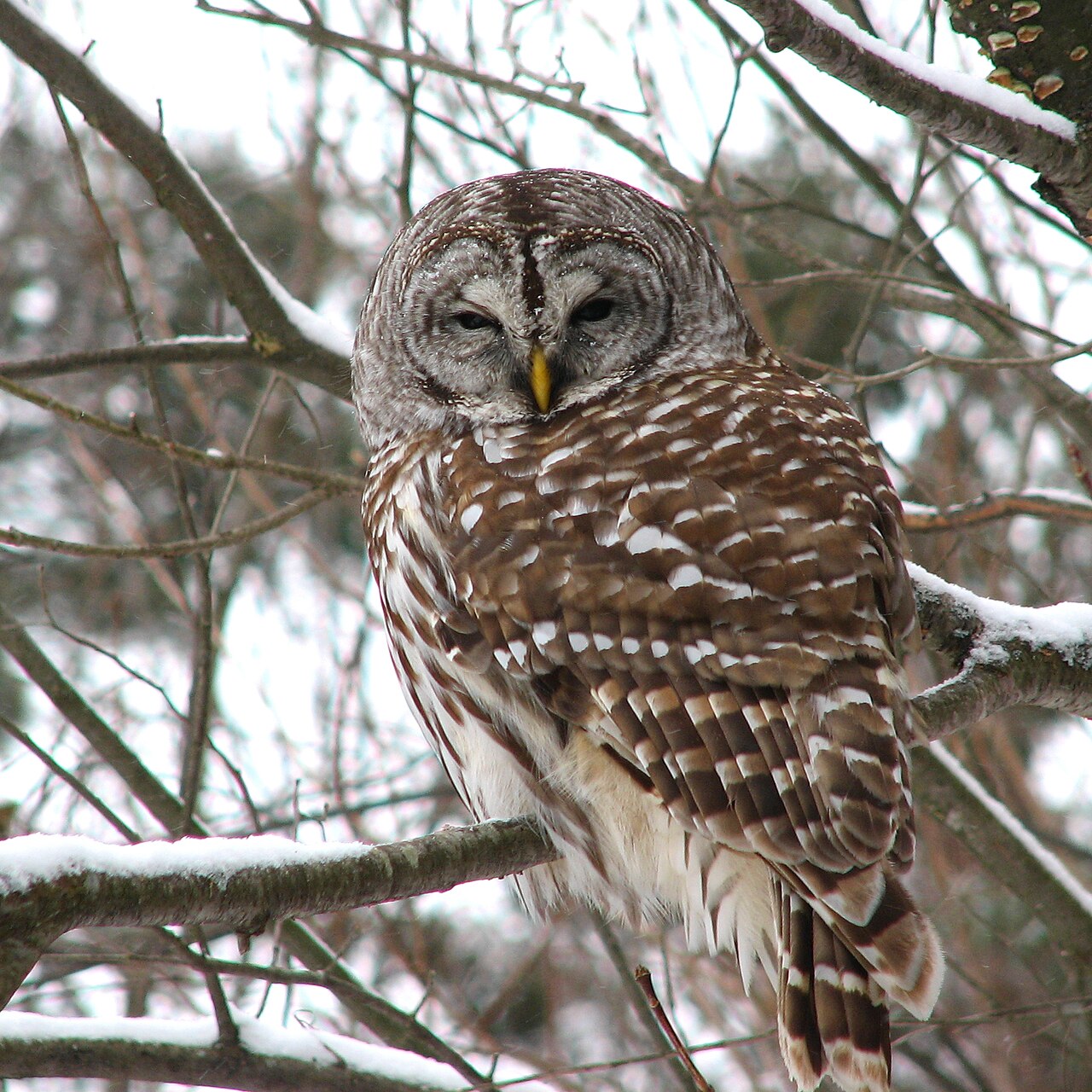
典型的なフクロウは、小型から大型の、単独で行動する夜行性の猛禽類です。前を向いた大きな目と耳、タカのようなくちばし、そして目の周囲には顔盤と呼ばれる目立つ円形の羽毛があります。
- バルサスオオコノハズク、Megascops seductus LC
- ハダカフクロウ、Margarobyas lawrencii LC
- ハダカオオコノハズク、Megascops clarkii LC
- アメリカフクロウ、Strix varia LC
- ヒゲオオコノハズク、Megascops barbarus LC
- バミューダノコギリフクロウ、Aegolius gradyi (E) EX
- シロクロフクロウ、Strix nigrolineata LC
- シロフクロウ、Aegolius funereus LC
- アナホリフクロウ、Athene cunicularia LC
- 中央アメリカコキンメフクロウ、Glaucidium griseiceps LC
- チョコオオコノハズク、Megascops Centralis
- クロフクロウ、Strix sartorii
- Colima pygmy-owl、シラネアオイ LC
- コスタリカコノハズク、Glaucidium costaricanum LC
- カンムリフクロウ、Lophostrix cristata LC
- キューバコビトフクロウ、Glaucidium siju LC
- ヒガシアメリカコノハズク、Megascops asio LC
- エルフフクロウ、Micrathene whitneyi LC
- アカフクロウ、Glaucidium brasilianum LC
- ヒメフクロウ、Psiloscops flammeolus LC
- フクロウ(Strix fulvescens LC)
- カワシミミズク、Strix nebulosa LC
- アメリカワシミミズク、Bubo virginianus LC
- ジャマイカンフクロウ、アシオ グラミカス LC
- トラフズク、Asio otus LC
- アメリカアメリカコノハズク、Megascops guatemalae LC
- ムラサキフクロウ、Strix virgata LC
- カツオドリ、Ninox japonica (A)
- オオタカフクロウ、Surnia ulula LC
- コキンメフクロウ、Glaucidium gnoma LC
- ミミズク、Aegolius acadicus LC
- キバシコノハズク、Otus sunia (A) LC
- 太平洋コノハズク、Megascops cooperi LC
- プエルトリコのフクロウ、ジムナシオ ヌディペス LC
- コミミズク、Asio flammeus LC
- シロフクロウ、横痃 scandiacus VU
- メガネフクロウ、Pulsatrix perspicillata LC
- アカアシシマフクロウ、Strix occidentalis NT(メキシコアカアシシマフクロウS. o. lucidaおよびキタアカアシシマフクロウ S. o. caurina : T)
- シマフクロウ、Asio clamator LC
- スティギアノフクロウ、Asio stygius LC
- タマウリパス・ピグミーフクロウ、Glaucidium sanchezi NT
- 熱帯アメリカコノハズク、Megascops choliba LC
- ノコギリミミズク、Aegolius ridgwayi LC
- ウエスタンオオコノハズク、Megascops kennicottii LC
- ヒゲコノハズク、Megascops trichopsis LC
キヌバネドリ


キヌバネドリは世界中の熱帯林に生息し、柔らかく、しばしば色鮮やかな羽毛を持ち、オスとメスで羽色が異なります。コンパクトな体には長い尾と短い首があります。
- ベアードオオカミ、Trogon bairdii NT
- クロガシラオオハナドリ、Trogon melanocephalus LC
- オグロトキコウ、Trogon melanurus LC
- ノドグロオオハシモズ、Trogon rufus LC
- シトレオリン トロゴン、トロゴン シトレオルス LC
- キバタンコウ、Trogon collaris LC
- キューバキヌバネドリ、Priotelus temnurus LC
- ミミケツァール、Euptilotis neoxenus LC
- エレガントなキヌバネドリ、キヌバネドリ エレガンス LC
- ガータードキヌバネドリ、キヌバネドリ caligatus LC
- ゴールデンケツァール、Pharomachrus auriceps LC
- ミドリオオハシモドキ、Trogon viridis LC [26]
- ギアナンキヌバネドリ、キヌバネドリ目 violaceus LC [27]
- イスパニオキヌバネドリ、Priotelusroseigaster LC
- 格子尾オオハナガラス、Trogon clathratus LC
- マウンテンオオトカゲ、Trogon mexicanus LC
- 輝くケツァール、Pharomachrus mocinno NT E
- オオハナオオハナドリ、Trogon massena LC
- オジロキヌバネドリTrogon chionurus LC
ヤツガシラ
黒、白、ピンクのこの鳥は、特に巨大な蝶のような不規則な飛行を見せることから、一目でそれと分かります。この科には3種類います。鳴き声は3音節の「ウーーーーーー」で、これが英名と学名の由来となっています。
- ヤツガシラ、Upupa epops (A) LC
トディーズ


カワセミは、カリブ海固有の小型のスズメ目の森林性鳥類のグループです。色鮮やかな羽毛を持ち、小型のカワセミに似ていますが、嘴は平たく、縁は鋸歯状になっています。昆虫やトカゲなどの小型の獲物を食べます。
- キューバ トーディ、Todus マルチカラー LC
- ヒワトビチョウ、Todus subulatus LC
- ジャマイカン トーディ、トーダス トーダス LC
- ハシグロトディ、Todus angustirostris LC
- プエルトリコのおもちゃ、Todus mexicanus LC
ハチクイ


目:サンゴ目 家族:Motmotidae
ハチクイモドキは色鮮やかな羽毛と、段階的に伸びる長い尾を持ち、前後に振ることでその存在感をアピールします。ほとんどの種では、最も長い2本の尾羽(中央)の先端付近の羽枝が弱くなって脱落し、羽軸がむき出しになった部分が残り、ラケットのような尾羽を形成します。
- アオボウシハチクイ、Momotus coeruliceps LC
- アオノドハチクイ、Aspatha gularis LC
- ブロードビルハチクイモトモト、Electron platyrhynchum LC
- キールハシラネズミ、Electron carinatum VU
- モモツキ、Momotus lessonsii LC
- Rufous モトモット、Baryphthengus martii LC
- 赤冠ハチクイモトモト、Momotus mexicanus LC
- トディモモモット、Hylomanes momotula LC
- トリニダードモモモド、Momotus bahamensis LC [28]
- ターコイズブルーのマダラモモンガ、Eumomota superciliosa LC
- 百日草、Momotus subrufescens LC
カワセミ


カワセミは、大きな頭、長く尖ったくちばし、短い脚、そして太い尾を持つ中型の鳥です。
- アマゾンカワセミ、Chloroceryle amazona LC
- アメリカコビトカワセミ、Chloroceryle aenea LC
- カワセミ、Megaceryle alcyon LC
- カワセミ、Chloroceryle americana LC
- ミドリカワセミ、Chloroceryle inda LC
- カワセミ、Megaceryle torquata LC
ハチクイ
ハチクイは、スズメ目(Meropidae)に属する鳥類の一種です。鮮やかな羽毛、細身の体、そして通常は中央の尾羽が長く伸びていることが特徴です。いずれも色鮮やかで、長く下向きの嘴と尖った翼を持ち、遠くから見るとツバメのような姿をしています。
- ヨーロッパハチクイ、Merops apiaster (A) LC
ツノメドリ


目: Piciformes 科: Bucconidae
ツメバゲリはジャカマール科の仲間で、分布域はジャカマール科と同じですが、ジャカマール科のような虹彩色はありません。主に茶色、赤褐色、または灰色で、大きな頭と、先端が鉤状になった平たい嘴をしています。ゆるく豊かな羽毛と短い尾は、ずんぐりとしてふっくらとした印象を与え、この科の英語の俗称の由来となっています。
- 縞模様のフウチョウ、Nystalus radiatus LC
- クロハラツグミ、Notharchus pectoralis LC
- 灰色頬小体、Nonnula frontalis LC
- ランセオラートモンクレット、Micromonacha lanceolata LC
- パイドパフバード、Notharchus tectus LC
- ノドアカツラチョウ、Hypnelus ruficollis LC
- オオヌンドリ、Monasa morphoeus LC
- シロエリハグモ、Notharchus hyperrhynchus LC
- シロヒゲツグミ、Malacoptila panamensis LC
ジャカマルス
.jpg)
.jpg/1280px-ARIRAMBA-DE-CAUDA-RUIVA_(_Galbula_ruficauda_).jpg)
ジャカマルは、南アメリカの熱帯地域に生息するスズメ目の鳥で、分布域はメキシコまで広がっています。羽に捕らえた昆虫を餌とし、長い嘴と尾を持つ光沢のある優美な鳥です。外見と行動は旧世界のハチクイに似ていますが、ツノメドリに近い種です。
- ダスキーバックジャカマー、Brachygalba salmoni LC
- グレートジャカマー、ジャカメロプス・アウレウス LC
- アカオジャカマル、Galbula ruficauda LC
新世界のゴシキドリ
ゴシキドリは、短い首と大きな頭を持つ、ふっくらとした鳥です。その名は、重たい嘴の縁取りに生えた剛毛に由来しています。ほとんどの種は鮮やかな色をしています。
オオハシゴシキドリ
オオハシゴシキドリは、新熱帯地域の山岳林に生息する鳥類です。非常に社会性が高く、渡りをしません。
- ハシゴドリ、Semnornis frantzii LC
オオハシ


オオハシは新熱帯地方に生息するスズメ目の鳥類です。鮮やかな模様と、体長の半分にも及ぶ巨大で色鮮やかな嘴を持ちます。
- オオハシ(チャネルビルオオハシ)、Ramphastos vitellinus VU
- クビアラカリ、Pteroglossus torquatus LC
- アカハラチュウヒ、Pteroglossus frantzii LC
- キバシオオハシ、Ramphastos sulfuratus LC
- キタエメラルドトゥーカネット、Aulacorhynchus prasinus LC
- キミオオハシ、Selenidera spectabilis LC
- キノドオオハシ、Ramphastos ambiguus LC
キツツキ

キツツキは小型から中型の鳥で、ノミのような嘴、短い脚、硬い尾、そして昆虫を捕らえるための長い舌を持っています。足の指は前方と後方にそれぞれ2本ずつ伸びている種もあれば、3本しかない種もあります。多くのキツツキは、嘴で木の幹を音を立てて叩く習性があります。(AC Bent著『Life histories ...』(1939年)参照)
- ドングリキツツキ、Melanerpes formicivorus LC
- アメリカミユビキツツキ、Picoides dorsalis LC
- アンティリアン・ピクレット、ネソクタイト・ミクロメガ LC
- アリゾナキツツキ、Dryobates arizonae LC
- セグロアカゲラ、Picoides arcticus LC
- クロホオジロキツツキ、Melanerpes pucherani LC
- クリ色のキツツキ、Celeus castaneus LC
- シナモンキツツキ、Celeus loricatus LC
- アカハラキツツキ、Campephilus haematogaster LC
- アカゲラ、Campephilus melanoleucos LC
- キューバアオゲラ、Xiphidiopicus percussus LC
- セジロコゲラ、Dryobates pubescens LC
- ヨーロッパコガネムシ、Jynx torquilla (A) LC
- フェルナンディナのキツツキ、Colaptes fernandinae VU
- アメリカドクトカゲラ、Melanerpes uropygialis LC
- キツツキ、Colaptes chrysoides LC
- キバタクマゲラ、Melanerpes chrysogenys LC
- キバシコゲラ、Melanerpes aurifrons LC
- キジバト、Piculus chrysochloros LC
- キナエリキツツキ、Melanerpes chrysauchen LC
- ゴールデンキツツキ、Coraptes robiginosus LC
- ムネアカゲラ、Melanerpes hypopolius LC
- アカゲラ、Dendrocopos major (A) LC
- 灰色冠キツツキ、Colaptes auricularis LC
- グアドループキツツキ、Melanerpes herminieri LC
- ケガレキツツキ、Dryobates villosus LC
- イスパニョーラキツツキ、Melanerpes striatus LC
- ホフマンキツツキ、Melanerpes hoffmannii LC
- インペリアルキツツキ、Campephilus imperialis (E?) CR E
- ハシブトキツツキ、Campephilus principalis (E?) CR E
- ジャマイカキツツキ、Melanerpes radiolatus LC
- ラダーバックキツツキ、Dryobates scalaris LC
- ルイスキツツキ、Melanerpes lewis LC
- 線状キツツキ、Dryocopus lineatus LC
- キタコゲラ、Colaptes auratus LC
- ナッタルキツツキ、Dryobates nuttallii LC
- オリーブイワシ、Picumnus olivaceus LC
- アカゲラ、Campephilus guatemalensis LC
- アオキツツキ、Dryocopus pileatus LC
- プエルトリコキツツキ、Melanerpes portoricensis LC
- アカハラキツツキ、Melanerpes carolinus LC
- アカハラキツツキ、Sphyrapicus ruber LC
- アカゲラ、Dryobates borealis NT E
- アカゲラ、Melanerpes rubricapillus LC
- アカゲラ、Melanerpes erythrocephalus LC
- アカエリキバタヒバリ、Sphyrapicus nuchalis LC
- アカゲラ、Dryobates kirkii LC
- アカゲラ、Piculus simplex LC
- スモーキーブラウンウッドペッカー、Dryobates fumigatus LC
- ミナミキツツキ、Colaptes punctigula LC
- ストリックランドキツツキ、Dryobates stricklandi LC
- シマホオジロキツツキ、Piculus callopterus LC
- インドキツツキ、Melanerpes superciliaris LC
- シラカゲラ、Dryobates albolarvatus LC
- ウィリアムソンキバタチョウ、Sphyrapicus thyroideus LC
- キバタキツツキ、Sphyrapicus varius LC
- ユカタンキツツキ、Melanerpes pygmaeus LC
ハヤブサとカラカラ


タカ科は昼行性の猛禽類の科で、特にハヤブサとカラカラが有名です。タカ、ワシ、トビとは異なり、爪ではなくくちばしで獲物を捕らえます。
- アメリカチョウゲンボウ、Falco sparverius LC
- アプロマドハヤブサ、Falco femoralis LC (ssp. septentrionalis : EおよびXN )
- 縞ハヤブサ、Micrastur ruficollis LC
- コウモリハヤブサ、Falco rufigularis LC
- クビハヤブサ、Micrastur semitorquatus LC
- カンムリカラカラ、Caracara plancus LC
- ユーラシアホビー、Falco subbuteo (A) LC
- チョウゲンボウ、ハヤブサ(C) LC
- グアダルーペ カラカラ、カラカラ ルトーサ(E) EX
- シロハヤブサ、Falco rusticolus LC
- ガビチョウゲンボウ、Herpetotheres cachinnans LC
- マーリン、ファルコ・コロンバリウス LC
- オレンジ胸ハヤブサ、Falco deiroleucus NT
- ハヤブサ、Falco peregrinus LC (ssp. peregrinus : E )
- プレーリーファルコン、Falco mexicanus LC
- アカアシハヤブサFalco vespertinus (A) NT
- アカノドカラカラ、Ibycter americanus LC
- スレートバックフォレストファルコン、Micrastur mirandollei LC
- キイロカラカラ、ミルバゴ チマチマ LC
アフリカと新世界のオウム


インコは、特徴的な湾曲した嘴を持つ小型から大型の鳥類です。上顎は頭蓋骨との接合部でわずかに可動性があり、概ね直立姿勢をとります。すべてのインコは対趾類で、各足の4本の指は前足に2本、後足に2本配置されています。
- サガインコ、Bolborhynchus lineola LC
- クロバシインコ、Amazona agilis EN
- ルリコンゴウインコ、Ara ararauna LC
- アオアオインコ、Touit dilectissimus LC
- アオボウシインコ、Pionus menstruus LC
- 茶褐色オウム、Pyrilia haematotis LC
- ノドアカインコ、Eupsittula pertinax LC
- カロライナインコ、Conuropsis carolinensis (E) EX
- クリムゾンコンゴウインコ、Ara severus LC
- アカオオインコ、Psittacara finschi LC
- キューバンコンゴウインコ、アラトリコロール(E) EX
- キューバインコ、Psittacara euops VU
- キューバオウム、Amazona leucocephala NT E
- オレンジフロントインコ、Eupsittula canicularis VU
- オオアオコンゴウインコ、Ara ambiguus CR
- ミドリインコ、Psittacara holochlorus LC
- ミドリインコ、Forpus passerinus LC
- イスパニオランインコ、Psittacara kuropterus VU
- イスパニオランオウム、アマゾナ ベントラリス VU
- インペリアルオウム、アマゾナインペリアリス CR E
- ライラッククラウンオウム、アマゾナフィンスキ JP
- ライラックオウム、Touit butavicus LC
- Maroon-fronted parrot、Rhynchopsitta terrisi JP
- コナクオウム、アマゾナ ファリノーサ LC
- メキシコオウム、Forpus cyanopygius NT
- ミリタリーコンゴウインコ、Ara militaris VU
- ミドリインコ、Psittacara mitratus (I) LC
- オキカインコ、Myiopsitta monachus (I) LC
- ナンデイインコ、アラティンガネンデイ(I) LC
- ノドアカインコ、Eupsittula nana NT
- ミカンインコ、Brotogeris jugularis LC
- オレンジ翼オウム、Amazona amazonica LC
- パシフィックインコ、Psittacara strenuus
- ニシキセイインコ、Pyrrhura picta LC
- プエルトリコインコ、プシッタカラマゲイ(E) EX
- プエルトリコのオウム、アマゾナ ヴィッタータ CR E
- アカコンゴウインコ、Ara chloropterus LC
- アカハラコンゴウインコ、Orthopsittaca manilatus LC
- アカカンムリ、Amazona viridigenalis JP
- Red-fronted parrotlet , Touitcostaricensis VU
- アカハラオウム、Amazona autumnalis LC
- アカクビオウム、Amazona arausiaca VU E
- サフラン頭オウム、Pyrilia pyrilia NT
- アカコンゴウインコ、Ara macao LC
- ショウジョウインコ、Touit huetii VU
- ソコロインコ、Psittacara brevipes
- メガネオウム、Forpus conspicillatus LC
- セントルシアのオウム、アマゾナ癜風 VU E
- セントビンセントオウム、アマゾナギルディン VU E
- キバインコ、Pyrrhura hoffmanni LC
- ハシブトインコ、Rhynchopsitta pachyrhyncha EN E
- オオハナインコ、Pionus senilis LC
- メジロインコ、Psittacara leucophthalmus LC [29]
- オオハナインコ、Amazona albifrons LC
- ハジロコオインコ、Brotogeris versicolurus (I) LC
- キバシインコ、Amazona collaria VU
- キイロインコBrotogeris chiriri (I) LC
- キバタン、Amazona ochrocephala LC
- キガシラオウム、Amazona oratrix EN
- キバタン、Amazona xantholora LC
- キイロオウム、Amazona auropalliata JP
旧世界のオウム
インコの特徴は、力強く湾曲した嘴、直立した姿勢、力強い脚、そして鉤爪のある対趾足です。多くのインコは鮮やかな体色をしており、中には多色のインコもいます。体長は8cm(3.1インチ)から1m(3.3フィート)まで様々です。旧世界のインコは、アフリカ東部から南アジア、東南アジア、オセアニアを経て、オーストラリアやニュージーランドまで広く分布しています。
サパヨア
サパヨアは、その科の中で唯一の種であり、パナマと南アメリカ北西部の低地熱帯雨林に生息しています。通常はつがい、または複数の種が混在する群れで見られます。
- サパヨア、サパヨア・アエニグマ LC
典型的なアリドリ


アリドリ科は、中南米の亜熱帯および熱帯に生息する小型のスズメ目の鳥類の大きな科です。森林に生息し、地上または地上付近で昆虫を捕食します。そのうちのかなりの数は、軍隊アリの群れを追いかけて、アリから逃げるために隠れ場所から出てきた小型無脊椎動物を捕食することに特化しています。多くの種は鮮やかな体色を持たず、茶色、黒、白が主な色調です。
- ハダカオオアリクイ、Gymnocichla nudiceps LC
- シマフウチョウ、Thamnophilus doliatus LC
- 二色アリクイ、Gymnopithys leucaspis LC
- クロアリクイ、Thamnophilus nigriceps LC
- クロトゲアリクイ、Sakesphorus canadensis LC [30]
- クロカントモズ、Thamnophilus atrinucha LC
- クロフサアリクイ、Thamnophilus bridgesi LC
- ノドアカノドヒバリ、Epinecrophylla fulviventris LC
- クリ背アリクイ、Poliocrania exsul LC
- ドットウィングドアリクイ、Microlhopias quixensis LC
- 鈍いマントを持つアリクイ、Sipia laemosticta LC
- クロオオアリクイ、Cercomacroides tyrannina LC
- トノサマユバチ、Cymbilaimus lineatus LC
- オオアリクイ、タラバメジャー LC
- ジェットアリクイ、Cercomacra nigricans LC
- ヒゲアリクイ、Myrmotherula ignota LC
- オセラテッドアリクイ、Phaenostictus mcleannani LC
- パシフィックアントレン、Myrmotherula pacifica LC
- プレーンアントビレオ、Dysithamnus mentalis LC
- アカハラアリクイ、Euchrepomis callinota LC
- アカオオアリクイ、Herpsilochmus rufimarginatus LC
- ラセットアントシュライク、Thamnistes anabatinus LC
- サビアリクイ、Herpsilochmus frater (A)
- スレートアリクイ、Myrmotherula schisticolor LC
- トゲアリクイ、Xenornis setifrons NT
- 斑冠アリクイ、Dysithamnus puncticeps LC
- アカオノリヒワ、Hylophylax naevioides LC
- 条冠アリクイ、Dysithamnus striaticeps LC
- シロハラアリクイ、Myrmeciza longipes LC
- シロアリクイ、Myrmotherula axillaris LC
- シロエリハナアリクイ、Formicivora grisea LC
- ウイングバンドアリクイ、Myrmornis torquata LC
- ゼルドンのアリ鳥、Hafferia zeledoni LC
ハエ食い
この小さな科の鳥は、南アメリカ北部から中央アメリカにかけて広く分布しています。森林に生息する鳥で、通常は地上または低木林で見られます。
- Black-crowned antpitta、Pittasoma michleri LC
アントピタス
アリクイは、力強く長めの脚、非常に短い尾、頑丈な嘴を持ち、 本物のアリクイに似ています。
- オーカーブレストアントピッタ、Grallaricula flavirostris NT
- 鱗アリクイ、Grallaria guatimalensis LC
- 条鉤アリクイ、Hylopezus perspicillatus LC
- シケットアリクイ、ヒロペス・ダイブ LC
タパクロス
タパキュロスは、南米と中央アメリカに多数の種が生息する、小型の亜口蓋スズメ目の鳥類です。陸生種で、短い翼では飛行能力が劣ります。草原や森林の下草に生息する環境に適応した強靭な脚を持ち、尾は頭の方に向けられています。
- チョコ・タパキュロ、Scytalopus chocoensis LC
- シルバーフロントタパキュロ、Scytalopus argentifrons LC
- Tacarcuna tabaculo、Scytalopus panamensis VU
ツグミ
ツグミは、力強く長めの脚、非常に短い尾、頑丈な嘴を持つ小型のクイナに似ています。
- クロツグミ、Formicarius analis LC
- クロガシラミ、Formicarius nigricapillus LC
- マヤアリクイ、Formicarius moniliger LC
- アカハラアリクイ、Formicarius rufipectus LC
オオハシドリとキバシリ


オーブンバードは、中南米に生息する小型亜口蓋スズメ目の鳥類からなる大科です。食虫性の多様性に富んだグループで、一部の種が精巧な「オーブンのような」粘土製の巣を作ることからその名が付けられました。また、棒で巣を作ったり、岩のトンネルや割れ目に巣を作る種もいます。キバシリは茶色がかった鳥で、硬い尾羽で支えられ、垂直に直立した姿勢を保ちます。主に木の幹から昆虫を捕獲して餌とします。
- 美しいツチドリ、Margarornis bellulus NT
- クロシベリアヒバリ、Dendrocolaptes picumnus LC
- クロシマヤマシギ、Xiphorhynchus lachrymosus LC
- ハシビロコウ、Campylorhamphus pusillus LC
- バフフレッドフォリッジグリーナー、Dendroma rufa LC
- ノドアカノコギリヒワ、Automolus ochrolaemus LC
- バフィー・タフテッドチーク、Pseudocolaptes lawrencii LC
- チリキ落葉落葉樹、Automolus exsertus
- ココアウッドクリーパー、Xiphorhynchus susurrans LC
- コイバ棘尾、Cranioleuca dissita LC
- ダブルバンドグレーテール、Xenerpestes minlosi LC
- ノドアカツラヒラタヒバリ、Sclerurus albigularis NT
- ハシブトキバシリ、Xiphorhynchus flavigaster LC
- 線状葉取り鳥、Syndactyla subalaris LC
- オナガヤマシギ、Deconychura longicauda LC
- キタムラサキツツドリ、Dendrocolaptes sanctithomae LC
- オリーブウッドクリーパー、Sittasomus griseicapillus LC
- シロハラトゲオイグアナ、Synallaxis albescens LC
- プレーンゼノプス、ゼノプス・ミニュートゥス LC
- プレーンブラウンウッドクリーパー、Dendrocincla fuliginosa LC
- アカハシカワラヒワ、Campylorhamphus trochilirostris LC
- アカオノエボシ、Cranioleuca erythrops LC
- 赤い落葉落穂拾い、Clabanornis robiginosus LC
- 血色の木ランナー、マルガロルニス・ルビギノサス LC
- アカツツキ、Dendrocincla homochroa LC
- アカハラトゲオイグアナ、Synallaxis erythrothorax LC
- ノドアカノコギリヒワ、Anabacerthia variegaticeps LC
- ノドアカツラガ、Sclerurus guatemalensis LC
- ヒメカワセミ、Lochmias nematura LC
- スレート棘尾、Synallaxis brachyura LC
- スレートウィングド・フォリッジグリーナー、Philydor fuscipenne LC
- スポットクラウンウッドクリーパー、Lepidocolaptes affinis LC
- スポッテッドバーブテール、Premnoplex brunnescens LC
- キバシリ、Xiphorhynchus erythropygius LC
- ハシブトキヌバネドリ、Dendroplex picus LC
- ムネアカオオハシモズ、Thripadectes rufobrunneus LC
- 縞模様のツチグリ、Xenops rutilans LC
- キバシリ、Lepidocolaptes souleyetii LC
- 縞模様のキバタヒバリ、Automolus subulatus LC
- オオヤマネコ、Xiphocolaptes promeropirhynchus LC
- ノドアカツラヒラタヒバリ、Sclerurus mexicanus LC
- ヨシキリ, Dendrocincla anabatina LC
- オナガヤマシギ、Glyphorynchus spirurus LC
- オオシラヒワ、Lepidocolaptes leucogaster LC
マナキン
マナキンは、中南米大陸の亜熱帯および熱帯地域、そしてトリニダード・トバゴに生息する鳥です。コンパクトな体躯の森林性鳥類で、オスは一般的に鮮やかな体色をしていますが、メスはほとんどの種で地味な体色で、緑色の羽毛を持つことが多いです。マナキンは小さな果物、ベリー類、昆虫などを食べます。
- ゴールデンカラーマナキン、Manacus vitellinus LC
- ゴールデンヘッドマナキン、Ceratopipra erythrocephala LC
- グリーンマナキン、Cryptopipo holochlora LC
- オオマナキン、Chiroxiphia lanceolata LC
- オナガマナキン、Chiroxiphia linearis LC
- オレンジカラーマナキン、Manacus aurantiacus LC
- アカマナキン、Ceratopipra mentalis LC
- ルリマナキン、Lepidothrix coronata LC
- ホワイトカラーマナキン、Manacus candei LC
- シロマナキン、Pseudopipra pipra LC
- シロエリマキマナキン、Corapipo altera LC
コティンガス
ヒメドリは、熱帯中南米の森林や林縁に生息する鳥です。この多様なグループについては、比較的よく知られていませんが、いずれも先端が鉤状になった幅広い嘴、丸い翼、そして力強い脚を持っています。多くの種のオスは、鮮やかな体色をしていたり、羽毛や肉垂れで装飾されていたりします。
- ベアネックアンブレラバード、Cephalopterus glabricollis EN
- ヒゲベルバード、Procnias averano LC [31]
- クロツヤハダカ、Carpodectes hopkei LC
- ブルーコティンガ、コティンガ・ナッテリー LC
- 素敵なコティンガ、コティンガ・アマビリス LC
- ムラサキミガラス、Querula purpurata LC
- ルファウス・ピハ、リパウグス・ウニルファス LC
- ユキコチンガ、Carpodectes nitidus LC
- ミヤマベルバード、Procnias tricarunculatus VU
- ターコイズ コティンガ、コティンガ リッジウェイ VU
- シロエリハナドリ、Procnias albus LC [32]
- Yellow-billed cotinga、Carpodectes antoniae JP
ティティラスとその同盟者
Tityridae are suboscine passerine birds found in forest and woodland in the Neotropics. The species in this family were formerly spread over the families Tyrannidae, Pipridae, and Cotingidae. They are small to medium-sized birds. They do not have the sophisticated vocal capabilities of the songbirds. Most, but not all, have plain coloring.
- Barred becard, Pachyramphus versicolor LC
- Black-and-white becard, Pachyramphus albogriseus LC
- Black-crowned tityra, Tityra inquisitor LC
- Black-tailed tityra, Tityra cayana LC[33]
- Cinereous becard, Pachyramphus rufus LC
- Cinnamon becard, Pachyramphus cinnamomeus LC
- Gray-collared becard, Pachyramphus major LC
- Jamaican becard, Pachyramphus niger LC
- Masked tityra, Tityra semifasciata LC
- Northern schiffornis, Schiffornis veraepacis LC
- One-colored becard, Pachyramphus homochrous LC
- Rose-throated becard, Pachyramphus aglaiae LC
- Russet-winged schiffornis, Schiffornis stenorhyncha LC
- Speckled mourner, Laniocera rufescens LC
- White-winged becard, Pachyramphus polychopterus LC
Sharpbill
Order: Passeriformes Family: Oxyruncidae
The sharpbill is a small bird of dense forests in Central and South America. It feeds mostly on fruit but also eats insects.
- Sharpbill, Oxyruncus cristatus LC
Royal flycatcher and allies
Order: Passeriformes Family: Onychorhynchidae
The members of this small family, created in 2018, were formerly considered to be tyrant flycatchers, family Tyrannidae.
- Black-tailed flycatcher, Myiobius atricaudus LC
- Royal flycatcher, Onychorhynchus coronatus LC
- Ruddy-tailed flycatcher, Terenotriccus erythrurus LC
- Sulphur-rumped flycatcher, Myiobius sulphureipygius LC
- Tawny-breasted flycatcher, Myiobius villosus LC
Tyrant flycatchers

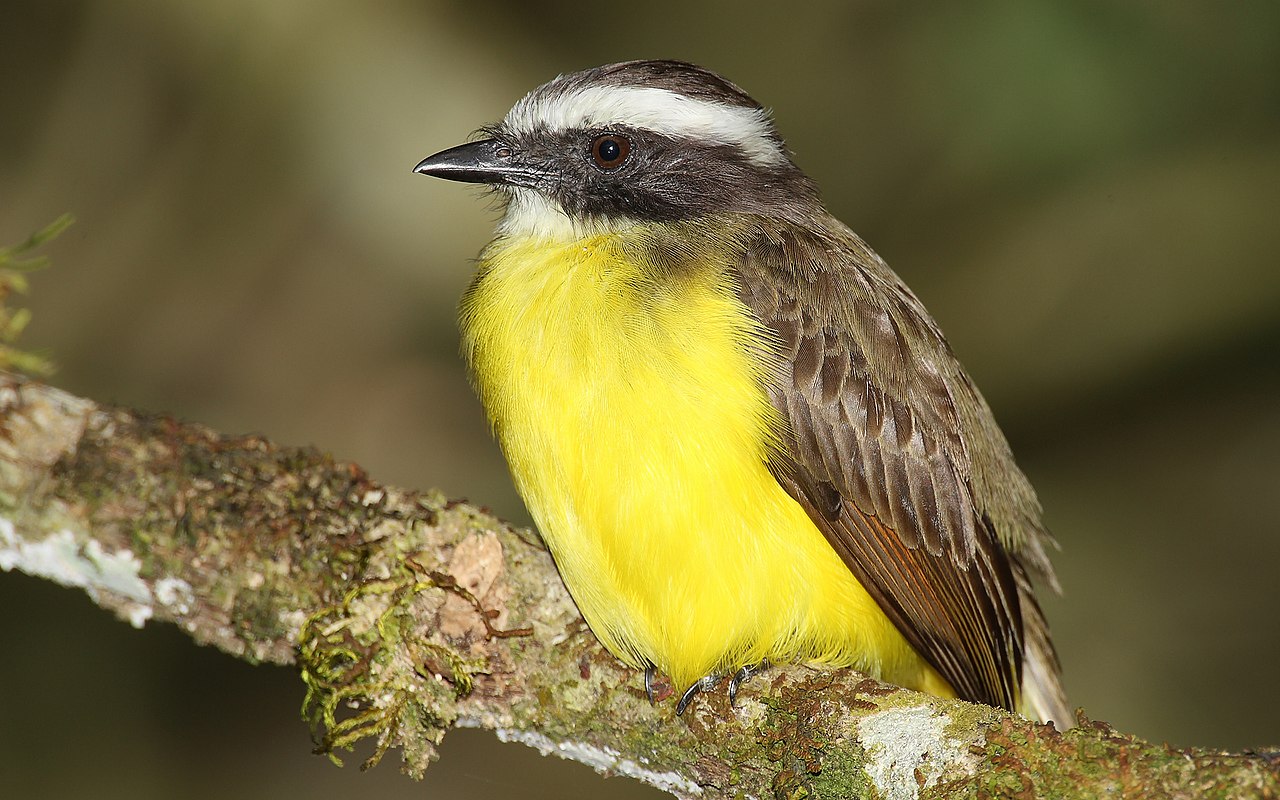
Order: Passeriformes Family: Tyrannidae
Tyrant flycatchers are Passerine birds which occur throughout North and South America. They superficially resemble the Old World flycatchers, but are more robust and have stronger bills. They do not have the sophisticated vocal capabilities of the songbirds. Most, but not all, are rather plain. As the name implies, most are insectivorous.
- Acadian flycatcher, Empidonax virescens LC
- Alder flycatcher, Empidonax alnorum LC
- Dusky flycatcher, Empidonax oberholseri LC
- Gray flycatcher, Empidonax wrightii LC
- Ash-throated flycatcher, Myiarchus cinerascens LC
- Belted flycatcher, Xenotriccus callizonus LC
- Black phoebe, Sayornis nigricans LC
- Black-billed flycatcher, Aphanotriccus audax NT
- Black-capped flycatcher, Empidonax atriceps LC
- Black-capped pygmy-tyrant, Myiornis atricapillus LC
- Black-headed tody-flycatcher, Todirostrum nigriceps LC
- Boat-billed flycatcher, Megarynchus pitangua LC
- Bran-colored flycatcher, Myiophobus fasciatus LC
- Bright-rumped attila, Attila spadiceus LC
- Bronze-olive pygmy-tyrant, Pseudotriccus pelzelni LC
- Brown-capped tyrannulet, Ornithion brunneicapillus LC
- Brown-crested flycatcher, Myiarchus tyrannulus LC
- Brownish twistwing, Cnipodectes subbrunneus LC
- Buff-breasted flycatcher, Empidonax fulvifrons LC
- Caribbean elaenia, Elaenia martinica LC
- Cassin's kingbird, Tyrannus vociferans LC
- Cattle tyrant, Machetornis rixosa LC
- Choco sirystes, Sirystes albogriseus LC
- Cocos flycatcher, Nesotriccus ridgwayi VU
- Common tody-flycatcher, Todirostrum cinereum LC
- Couch's kingbird, Tyrannus couchii LC
- Crowned slaty flycatcher, Empidonomus aurantioatrocristatus (A) LC
- Cuban pewee, Contopus caribaeus LC
- Dark pewee, Contopus lugubris LC
- Dusky-capped flycatcher, Myiarchus tuberculifer LC
- Eastern kingbird, Tyrannus tyrannus LC
- Eastern phoebe, Sayornis phoebe LC
- Eastern wood-pewee, Contopus virens LC
- Euler's flycatcher, Lathrotriccus euleri LC (ssp. johnstonei: E)
- Eye-ringed flatbill, Rhynchocyclus brevirostris LC
- Flammulated flycatcher, Ramphotrigon flammulatum LC
- Forest elaenia, Myiopagis gaimardii LC
- Fork-tailed flycatcher, Tyrannus savana LC
- Giant kingbird, Tyrannus cubensis EN
- Golden-bellied flycatcher, Myiodynastes hemichrysus LC
- Golden-crowned flycatcher, Myiodynastes chrysocephalus LC
- Golden-crowned spadebill, Platyrinchus coronatus LC
- Great crested flycatcher, Myiarchus crinitus LC
- Great kiskadee, Pitangus sulphuratus LC
- Greater Antillean elaenia, Elaenia fallax LC
- Greater pewee, Contopus pertinax LC
- Greenish elaenia, Myiopagis viridicata LC
- Grenada flycatcher, Myiarchus nugator LC
- Gray elaenia, Myiopagis caniceps LC
- Gray kingbird, Tyrannus dominicensis LC
- Gray-capped flycatcher, Myiozetetes granadensis LC
- Gray-headed piprites, Piprites griseiceps LC
- Guatemalan tyrannulet, Zimmerius vilissimus LC
- Hammond's flycatcher, Empidonax hammondii LC
- Hispaniolan pewee, Contopus hispaniolensis LC
- Jamaican elaenia, Myiopagis cotta LC
- Jamaican pewee, Contopus pallidus LC
- La Sagra's flycatcher, Myiarchus sagrae LC
- Least flycatcher, Empidonax minimus LC
- Lesser Antillean flycatcher, Myiarchus oberi LC
- Lesser Antillean pewee, Contopus latirostris LC
- Lesser elaenia, Elaenia chiriquensis LC
- Lesser kiskadee, Philohydor lictor LC
- Loggerhead kingbird, Tyrannus caudifasciatus LC
- Long-tailed tyrant, Colonia colonus LC
- Mistletoe tyrannulet, Zimmerius parvus LC
- Mountain elaenia, Elaenia frantzii LC
- Mouse-colored tyrannulet, Nesotriccus murinus LC
- Northern beardless-tyrannulet, Camptostoma imberbe LC
- Northern bentbill, Oncostoma cinereigulare LC
- Northern scrub-flycatcher, Sublegatus arenarum LC
- Nutting's flycatcher, Myiarchus nuttingi LC
- Ochraceous pewee, Contopus ochraceus LC
- Ochre-bellied flycatcher, Mionectes oleagineus LC
- Olivaceous flatbill, Rhynchocyclus olivaceus LC
- Olive-sided flycatcher, Contopus cooperi NT
- Olive-striped flycatcher, Mionectes olivaceus LC
- Pale-eyed pygmy-tyrant, Lophotriccus pilaris LC
- Panama flycatcher, Myiarchus panamensis LC
- Pied water-tyrant, Fluvicola pica LC
- Pileated flycatcher, Xenotriccus mexicanus LC
- Pine flycatcher, Empidonax affinis LC
- Piratic flycatcher, Legatus leucophaius LC
- Puerto Rican flycatcher, Myiarchus antillarum LC
- Rufous mourner, Rhytipterna holerythra LC
- Rufous-browed tyrannulet, Phylloscartes superciliaris LC
- Rufous-tailed flycatcher, Myiarchus validus LC
- Rusty-margined flycatcher, Myiozetetes cayanensis LC
- Sad flycatcher, Myiarchus barbirostris LC
- Say's phoebe, Sayornis saya LC
- Scale-crested pygmy-tyrant, Lophotriccus pileatus LC
- Scissor-tailed flycatcher, Tyrannus forficatus LC
- Sepia-capped flycatcher, Leptopogon amaurocephalus LC
- Slate-headed tody-flycatcher, Poecilotriccus sylvia LC
- Slaty-capped flycatcher, Leptopogon superciliaris LC
- Small-billed elaenia, Elaenia parvirostris LC
- Social flycatcher, Myiozetetes similis LC
- Sooty-headed tyrannulet, Phyllomyias griseiceps LC
- Southern beardless-tyrannulet, Camptostoma obsoletum LC
- Southern bentbill, Oncostoma olivaceum LC
- Stolid flycatcher, Myiarchus stolidus LC
- Streaked flycatcher, Myiodynastes maculatus LC
- Stub-tailed spadebill, Platyrinchus cancrominus LC
- Sulphur-bellied flycatcher, Myiodynastes luteiventris LC
- Tawny-chested flycatcher, Aphanotriccus capitalis VU
- Thick-billed kingbird, Tyrannus crassirostris LC
- Torrent tyrannulet, Serpophaga cinerea LC
- Tropical kingbird, Tyrannus melancholicus LC
- Tropical pewee, Contopus cinereus LC
- Tufted flycatcher, Mitrephanes phaeocercus LC
- Variegated flycatcher, Empidonomus varius (A) LC
- Vermilion flycatcher, Pyrocephalus rubinus LC
- Western flycatcher, Empidonax difficilis LC
- Western kingbird, Tyrannus verticalis LC
- Western wood-pewee, Contopus sordidulus LC
- White-crested elaenia, Elaenia albiceps (A) LC
- Rough-legged tyrannulet, Phyllomyias burmeisteri LC
- White-ringed flycatcher, Conopias albovittatus LC
- White-throated flycatcher, Empidonax albigularis LC
- White-throated spadebill, Platyrinchus mystaceus LC
- Willow flycatcher, Empidonax traillii LC (ssp. extimus: E)
- Yellow tyrannulet, Capsiempis flaveola LC
- Yellow-bellied elaenia, Elaenia flavogaster LC
- Yellow-bellied flycatcher, Empidonax flaviventris LC
- Yellow-bellied tyrannulet, Ornithion semiflavum LC
- Yellow-breasted flycatcher, Tolmomyias flaviventris LC
- Yellow-crowned tyrannulet, Tyrannulus elatus LC
- Yellow-green tyrannulet, Phylloscartes flavovirens LC
- Yellowish flycatcher, Empidonax flavescens LC
- Yellow-margined flycatcher, Tolmomyias assimilis LC
- Yellow-olive flycatcher, Tolmomyias sulphurescens LC
- Yucatan flycatcher, Myiarchus yucatanensis LC
Shrikes
.jpg)
.jpg/1280px-Lanius_excubitor_1_(Marek_Szczepanek).jpg)
Order: Passeriformes Family: Laniidae
Shrikes are passerine birds known for their habit of catching other birds and small animals and impaling the uneaten portions of their bodies on thorns. A shrike's beak is hooked, like that of a typical bird of prey.
- Brown shrike, Lanius cristatus (A) LC
- Loggerhead shrike, Lanius ludovicianus NT (ssp. mearnsi: E)
- Northern shrike, Lanius excubitor LC
- Red-backed shrike, Lanius collurio (A) LC
Vireos, shrike-babblers, and erpornis


Order: Passeriformes Family: Vireonidae
The vireos are a group of small to medium-sized passerine birds. They are typically greenish in color and resemble wood warblers apart from their heavier bills.
- Bell's vireo, Vireo bellii LC (Least Bell's vireo V. b. pusillus: E)
- Black-capped vireo, Vireo atricapilla NT E
- Black-whiskered vireo, Vireo altiloquus LC
- Blue Mountain vireo, Vireo osburni NT
- Blue-headed vireo, Vireo solitarius LC
- Brown-capped vireo, Vireo leucophrys LC
- Cassin's vireo, Vireo cassinii LC
- Chestnut-sided shrike-vireo, Vireolanius melitophrys LC
- Cozumel vireo, Vireo bairdi NT
- Cuban vireo, Vireo gundlachii LC
- Dwarf vireo, Vireo nelsoni LC
- Flat-billed vireo, Vireo nanus LC
- Golden vireo, Vireo hypochryseus LC
- Golden-fronted greenlet, Pachysylvia aurantiifrons LC
- Gray vireo, Vireo vicinior LC
- Green shrike-vireo, Vireolanius pulchellus LC
- Hutton's vireo, Vireo huttoni LC
- Jamaican vireo, Vireo modestus LC
- Lesser greenlet, Pachysylvia decurtata LC
- Mangrove vireo, Vireo pallens LC
- Philadelphia vireo, Vireo philadelphicus LC
- Plumbeous vireo, Vireo plumbeus LC
- Puerto Rican vireo, Vireo latimeri LC
- Red-eyed vireo, Vireo olivaceus LC
- Rufous-browed peppershrike, Cyclarhis gujanensis LC
- San Andres vireo, Vireo caribaeus VU
- Scrub greenlet, Hylophilus flavipes LC
- Slaty vireo, Vireo brevipennis LC
- Tawny-crowned greenlet, Tunchiornis ochraceiceps LC
- Thick-billed vireo, Vireo crassirostris LC
- Warbling vireo, Vireo gilvus LC
- White-eyed vireo, Vireo griseus LC
- Yellow-browed shrike-vireo, Vireolanius eximius LC
- Yellow-green vireo, Vireo flavoviridis LC
- Yellow-throated vireo, Vireo flavifrons LC
- Yellow-winged vireo, Vireo carmioli LC
- Yucatan vireo, Vireo magister LC
Crows, jays, and magpies


Order: Passeriformes Family: Corvidae
The family Corvidae includes crows, ravens, jays, choughs, magpies, treepies, nutcrackers and ground jays. Corvids are above average in size among the Passeriformes, and some of the larger species show high levels of intelligence.
- American crow, Corvus brachyrhynchos LC
- Azure-hooded jay, Cyanolyca cucullata LC
- Black-billed magpie, Pica hudsonia LC
- Black-chested jay, Cyanocorax affinis LC
- Black-throated jay, Cyanolyca pumilo LC
- Black-throated magpie-jay, Calocitta colliei LC
- Blue jay, Cyanocitta cristata LC
- Brown jay, Psilorhinus morio LC
- Bushy-crested jay, Cyanocorax melanocyaneus LC
- California scrub-jay, Aphelocoma californica LC
- Canada jay, Perisoreus canadensis LC
- Chihuahuan raven, Corvus cryptoleucus LC
- Clark's nutcracker, Nucifraga columbiana LC
- Common raven, Corvus corax LC
- Cuban crow, Corvus nasicus LC
- Dwarf jay, Cyanolyca nana NT
- Eurasian jackdaw, Corvus monedula (A) LC
- Fish crow, Corvus ossifragus LC
- Florida scrub-jay, Aphelocoma coerulescens VU T
- Green jay, Cyanocorax yncas LC
- Hooded crow, Corvus cornix (A)
- House crow, Corvus splendens (A) LC
- Island scrub-jay, Aphelocoma insularis VU
- Jamaican crow, Corvus jamaicensis NT
- Mexican jay, Aphelocoma wollweberi LC
- Palm crow, Corvus palmarum LC
- Pinyon jay, Gymnorhinus cyanocephalus VU
- Purplish-backed jay, Cyanocorax beecheii LC
- Rook, Corvus frugilegus (A) LC
- San Blas jay, Cyanocorax sanblasianus LC
- Silvery-throated jay, Cyanolyca argentigula LC
- Sinaloa crow, Corvus sinaloae LC
- Steller's jay, Cyanocitta stelleri LC
- Tamaulipas crow, Corvus imparatus LC
- Transvolcanic jay, Aphelocoma ultramarina LC
- Tufted jay, Cyanocorax dickeyi NT
- Unicolored jay, Aphelocoma unicolor LC
- White-necked crow, Corvus leucognaphalus VU E
- White-throated jay, Cyanolyca mirabilis VU
- White-throated magpie-jay, Calocitta formosa LC
- Woodhouse's scrub-jay, Aphelocoma woodhouseii
- Yellow-billed magpie, Pica nuttalli VU
- Yucatan jay, Cyanocorax yucatanicus LC
Larks
Order: Passeriformes Family: Alaudidae
Larks are small terrestrial birds with often extravagant songs and display flights. Most larks are fairly dull in appearance. Their food is insects and seeds.
- Eurasian skylark, Alauda arvensis LC
- Horned lark, Eremophila alpestris LC (E. a. strigata T)
Swallows


Order: Passeriformes Family: Hirundinidae
The family Hirundinidae is adapted to aerial feeding. They have a slender streamlined body, long pointed wings and a short bill with a wide gape. The feet are adapted to perching rather than walking, and the front toes are partially joined at the base.
- Cliff swallow, Petrochelidon pyrrhonota LC
- Bahama swallow, Tachycineta cyaneoviridis EN
- Bank swallow, Riparia riparia LC
- Barn swallow, Hirundo rustica LC
- Black-capped swallow, Atticora pileata LC
- Blue-and-white swallow, Pygochelidon cyanoleuca LC
- Brown-chested martin, Progne tapera LC
- Caribbean martin, Progne dominicensis LC
- Cave swallow, Petrochelidon fulva LC
- Common house-martin, Delichon urbicum (A) LC
- Cuban martin, Progne cryptoleuca LC
- Golden swallow, Tachycineta euchrysea VU
- Gray-breasted martin, Progne chalybea LC
- Mangrove swallow, Tachycineta albilinea LC
- Northern rough-winged swallow, Stelgidopteryx serripennis LC
- Purple martin, Progne subis LC
- Sinaloa martin, Progne sinaloae VU
- Southern martin, Progne elegans LC
- Southern rough-winged swallow, Stelgidopteryx ruficollis LC
- Tree swallow, Tachycineta bicolor LC
- Violet-green swallow, Tachycineta thalassina LC
- White-thighed swallow, Atticora tibialis LC
Tits, chickadees, and titmice
Order: Passeriformes Family: Paridae
The Paridae are mainly small stocky woodland species with short stout bills. Some have crests. They are adaptable birds, with a mixed diet including seeds and insects.
- Black-capped chickadee, Poecile atricapillus LC
- Black-crested titmouse, Baeolophus atricristatus LC
- Boreal chickadee, Poecile hudsonicus LC
- Bridled titmouse, Baeolophus wollweberi LC
- Carolina chickadee, Poecile carolinensis LC
- Chestnut-backed chickadee, Poecile rufescens LC
- Gray-headed chickadee, Poecile cinctus LC
- Juniper titmouse, Baeolophus ridgwayi LC
- Mexican chickadee, Poecile sclateri LC
- Mountain chickadee, Poecile gambeli LC
- Oak titmouse, Baeolophus inornatus LC
- Tufted titmouse, Baeolophus bicolor LC
Penduline-tits
Order: Passeriformes Family: Remizidae
The penduline-tits are a family of small passerine birds, related to the true tits. The verdin is the only North American representative of its family.
- Verdin, Auriparus flaviceps LC
Long-tailed tits
Order: Passeriformes Family: Aegithalidae
The long-tailed tits are a family of small passerine birds. Their plumage is typically dull gray or brown in color. There is only one North American representative of this primarily Palearctic family.
- Bushtit, Psaltriparus minimus LC
Nuthatches
Order: Passeriformes Family: Sittidae
Nuthatches are small woodland birds. They have the unusual ability to climb down trees head first, unlike other birds which can only go upwards. Nuthatches have big heads, short tails and powerful bills and feet.
- Bahama nuthatch, Sitta insularis CR
- Brown-headed nuthatch, Sitta pusilla LC
- Pygmy nuthatch, Sitta pygmaea LC
- Red-breasted nuthatch, Sitta canadensis LC
- White-breasted nuthatch, Sitta carolinensis LC
Treecreepers
Order: Passeriformes Family: Certhiidae
Treecreepers are small woodland birds, brown above and white below. They have thin pointed down-curved bills, which they use to extricate insects from bark. They have stiff tail feathers, like woodpeckers, which they use to support themselves on vertical trees.
- Brown creeper, Certhia americana LC
Wrens
Order: Passeriformes Family: Troglodytidae
Wrens are small and inconspicuous birds, except for their loud songs. They have short wings and thin down-turned bills. Several species often hold their tails upright. All are insectivorous.
- Band-backed wren, Campylorhynchus zonatus LC
- Banded wren, Thryophilus pleurostictus LC
- Bay wren, Cantorchilus nigricapillus LC
- Bewick's wren, Thryomanes bewickii LC
- Bicolored wren, Campylorhynchus griseus LC
- Black-bellied wren, Pheugopedius fasciatoventris LC
- Black-throated wren, Pheugopedius atrogularis LC
- Boucard's wren, Campylorhynchus jocosus LC
- Buff-breasted wren, Cantorchilus leucotis LC
- Cabanis's wren, Cantorchilus modestus LC
- Cactus wren, Campylorhynchus brunneicapillus LC
- Canebrake wren, Cantorchilus zeledoni LC
- Canyon wren, Catherpes mexicanus LC
- Carolina wren, Thryothorus ludovicianus LC
- Clarión wren, Troglodytes tanneri VU
- Giant wren, Campylorhynchus chiapensis LC
- Grass wren, Cistothorus platensis LC
- Gray-barred wren, Campylorhynchus megalopterus LC
- Gray-breasted wood-wren, Henicorhina leucophrys LC
- Happy wren, Pheugopedius felix LC
- House wren, Troglodytes aedon LC (Guadeloupe wren T. a. guadeloupensis and Saint Lucia wren T. a. mesoleucus: E)
- Isthmian wren, Cantorchilus elutus
- Marsh wren, Cistothorus palustris LC
- Nava's wren, Hylorchilus navai VU
- Nightingale wren, Microcerculus philomela LC
- Ochraceous wren, Troglodytes ochraceus LC
- Pacific wren, Troglodytes pacificus LC
- Riverside wren, Cantorchilus semibadius LC
- Rock wren, Salpinctes obsoletus LC
- Rufous-and-white wren, Thryophilus rufalbus LC
- Rufous-breasted wren, Pheugopedius rutilus LC
- Rufous-browed wren, Troglodytes rufociliatus LC
- Rufous-naped wren, Campylorhynchus rufinucha LC
- Scaly-breasted wren, Microcerculus marginatus LC
- Sedge wren, Cistothorus stellaris LC
- Sinaloa wren Thryophilus sinaloa LC
- Socorro wren, Troglodytes sissonii NT
- Song wren, Cyphorhinus phaeocephalus LC
- Sooty-headed wren, Pheugopedius spadix LC
- Spot-breasted wren, Pheugopedius maculipectus LC
- Spotted wren, Campylorhynchus gularis LC
- Stripe-breasted wren, Cantorchilus thoracicus LC
- Stripe-throated wren, Cantorchilus leucopogon LC
- Sumichrast's wren, Hylorchilus sumichrasti NT
- Timberline wren, Thryorchilus browni LC
- White-bellied wren, Uropsila leucogastra LC
- White-breasted wood-wren, Henicorhina leucosticta LC
- White-headed wren, Campylorhynchus albobrunneus LC
- Winter wren, Troglodytes hiemalis LC
- Yucatan wren, Campylorhynchus yucatanicus NT
- Zapata wren, Ferminia cerverai EN
Gnatcatchers
Order: Passeriformes Family: Polioptilidae
These dainty birds resemble Old World warblers in their build and habits, moving restlessly through the foliage seeking insects. The gnatcatchers and gnatwrens are mainly soft bluish gray in color and have the typical insectivore's long sharp bill. They are birds of fairly open woodland or scrub, which nest in bushes or trees.
- Black-capped gnatcatcher, Polioptila nigriceps LC
- Black-tailed gnatcatcher, Polioptila melanura LC
- Blue-gray gnatcatcher, Polioptila caerulea LC
- California gnatcatcher, Polioptila californica LC (ssp. californica: T)
- Cuban gnatcatcher, Polioptila lembeyei LC
- Long-billed gnatwren, Ramphocaenus melanurus LC
- Slate-throated gnatcatcher, Polioptila schistaceigula LC
- Tawny-faced gnatwren, Microbates cinereiventris LC
- White-browed gnatcatcher, Polioptila bilineata
- White-lored gnatcatcher, Polioptila albiloris LC
- Yucatan gnatcatcher, Polioptila albiventris
Dippers
Order: Passeriformes Family: Cinclidae
They are named for their bobbing or dipping movements. They are unique among passerines for their ability to dive and swim underwater.
- American dipper, Cinclus mexicanus LC
Bulbuls
Order: Passeriformes Family: Pycnonotidae
The bulbuls are a family of medium-sized passerine songbirds native to Africa and tropical Asia. These are noisy and gregarious birds with often beautiful striking songs.
- Red-whiskered bulbul Pycnonotus jocosus (I) LC
Kinglets
Order: Passeriformes Family: Regulidae
The kinglets are a small family of birds which resemble the titmice. They are very small insectivorous birds in the genus Regulus. The adults have colored crowns, giving rise to their name.
- Golden-crowned kinglet, Regulus satrapa LC
- Ruby-crowned kinglet, Corthylio calendula LC
Leaf warblers
Order: Passeriformes Family: Phylloscopidae
Leaf warblers are a family of small insectivorous birds found mostly in Eurasia and ranging into Wallacea and Africa. The Arctic warbler breeds east into Alaska. The species are of various sizes, often green-plumaged above and yellow below, or more subdued with grayish-green to grayish-brown colors.
- Arctic warbler, Phylloscopus borealis LC
- Common chiffchaff, Phylloscopus collybita (A) LC
- Dusky warbler, Phylloscopus fuscatus (A) LC
- Kamchatka leaf warbler, Phylloscopus examinandus (A) LC
- Pallas's leaf warbler, Phylloscopus proregulus (A) LC
- Willow warbler, Phylloscopus trochilus (A) LC
- Wood warbler, Phylloscopus sibilatrix (A) LC
- Yellow-browed warbler, Phylloscopus inornatus (A) LC
Sylviid warblers, parrotbills, and allies
Order: Passeriformes Family: Sylviidae
The family Sylviidae is a group of small insectivorous passerine birds. They mainly occur as breeding species, as the common name implies, in Europe, Asia and, to a lesser extent, Africa. Most are of generally undistinguished appearance, but many have distinctive songs.
- Eurasian blackcap, Sylvia atricapilla (A) LC
- Lesser whitethroat, Sylvia curruca (A) LC
- Wrentit, Chamaea fasciata LC
Reed warblers and allies
Order: Passeriformes Family: Acrocephalidae
The members of this family are usually rather large for "warblers". Most are rather plain olivaceous brown above with much yellow to beige below. They are usually found in open woodland, reedbeds, or tall grass. The family occurs mostly in southern to western Eurasia and surroundings, but also ranges far into the Pacific, with some species in Africa.
- Blyth's reed warbler, Acrocephalus dumetorum (A) LC
- Sedge warbler, Acrocephalus schoenobaenus (A) LC
- Icterine warbler, Acrocephalus icterina (A) LC
- Thick-billed warbler, Arundinax aedon (A) LC
Donacobius
Order: Passeriformes Family: Donacobiidae
The black-capped donacobius is found in wet habitats from Panama across northern South America and east of the Andes to Argentina and Paraguay
- Black-capped donacobius, Donacobius atricapilla LC
Grassbirds and allies
Order: Passeriformes Family: Locustellidae
Locustellidae are a family of small insectivorous songbirds found mainly in Eurasia, Africa, and the Australian region. They are smallish birds with tails that are usually long and pointed, and tend to be drab brownish or buffy all over.
- Middendorff's grasshopper warbler, Helopsaltes ochotensis (A) LC
- Pallas's grasshopper warbler, Helopsaltes certhiola (A) LC
- Lanceolated warbler, Locustella lanceolata (A) LC
- River warbler, Locustella fluviatilis (A) LC
Old World flycatchers
Order: Passeriformes Family: Muscicapidae
This a large family of small passerine birds found mostly in the Old World. All but two of the species below occur in North America only as vagrants. The appearance of these birds is highly varied, but they mostly have weak songs and harsh calls.
- Asian brown flycatcher, Muscicapa dauurica (A) LC
- Bluethroat, Cyanecula svecica LC
- Common redstart, Phoenicurus phoenicurus (A) LC
- Dark-sided flycatcher, Muscicapa sibirica (A) LC
- European robin, Erithacus rubecula (A) LC
- Gray-streaked flycatcher, Muscicapa griseisticta (A) LC
- Mugimaki flycatcher, Ficedula mugimaki (A) LC
- Narcissus flycatcher, Ficedula narcissina (A) LC
- Northern wheatear, Oenanthe oenanthe LC
- Pied wheatear, Oenanthe pleschanka (A) LC
- Red-flanked bluetail, Tarsiger cyanurus (A) LC
- Rufous-tailed robin, Larvivora sibilans (A) LC
- Siberian blue robin, Larvivora cyane (A) LC
- Siberian rubythroat, Calliope calliope (A) LC
- Siberian stonechat, Saxicola maurus (A)
- Spotted flycatcher, Muscicapa striata (A) LC
- Taiga flycatcher, Ficedula albicilla (A) LC
Thrushes and allies

Order: Passeriformes Family: Turdidae
The thrushes are a group of passerine birds that occur mainly but not exclusively in the Old World. They are plump, soft plumaged, small to medium-sized insectivores or sometimes omnivores, often feeding on the ground. Many have attractive songs.
- American robin, Turdus migratorius LC
- Aztec thrush, Ridgwayia pinicola LC
- Bicknell's thrush, Catharus bicknelli VU
- Black thrush, Turdus infuscatus LC
- Black-billed nightingale-thrush, Catharus gracilirostris LC
- Black-faced solitaire, Myadestes melanops LC
- Black-headed nightingale-thrush, Catharus mexicanus LC
- Brown-backed solitaire, Myadestes occidentalis LC
- Clay-colored thrush, Turdus grayi LC
- Cocoa thrush, Turdus fumigatus LC
- Eurasian blackbird, Turdus merula (A) LC
- Cuban solitaire, Myadestes elisabeth NT
- Dusky thrush, Turdus eunomus (A) LC
- Eastern bluebird, Sialia sialis LC
- Eyebrowed thrush, Turdus obscurus LC
- Fieldfare, Turdus pilaris LC
- Forest thrush, Cichlherminia lherminieri NT (ssp. sanctaeluciae: E)
- Grand Cayman thrush, Turdus ravidus (E) EX
- Gray-cheeked thrush, Catharus minimus LC
- Hermit thrush, Catharus guttatus LC
- La Selle thrush, Turdus swalesi VU
- Mistle Thrush, Turdus viscivorus (A) LC
- Mountain bluebird, Sialia currucoides LC
- Mountain thrush, Turdus plebejus LC
- Naumann's thrush, Turdus naumanni (A) LC
- Orange-billed nightingale-thrush, Catharus aurantiirostris LC
- Pale-vented thrush, Turdus obsoletus LC
- Red-legged thrush, Turdus plumbeus LC
- Redwing, Turdus iliacus NT
- Ruddy-capped nightingale-thrush, Catharus frantzii LC
- Rufous-backed robin, Turdus rufopalliatus LC
- Rufous-collared robin, Turdus rufitorques LC
- Rufous-throated solitaire, Myadestes genibarbis LC
- Russet nightingale-thrush, Catharus occidentalis LC
- Slate-colored solitaire, Myadestes unicolor LC
- Slaty-backed nightingale-thrush, Catharus fuscater LC
- Song thrush, Turdus philomelos (A) LC
- Sooty thrush, Turdus nigrescens LC
- Spectacled thrush, Turdus nudigenis LC
- Swainson's thrush, Catharus ustulatus LC
- Townsend's solitaire, Myadestes townsendi LC
- Varied solitaire, Myadestes coloratus LC
- Varied thrush, Ixoreus naevius LC
- Veery, Catharus fuscescens LC
- Western bluebird, Sialia mexicana LC
- White-chinned thrush, Turdus aurantius LC
- White-eyed thrush, Turdus jamaicensis LC
- White's thrush, Zoothera aurea (A) LC
- White-throated thrush, Turdus assimilis LC
- Wood thrush, Hylocichla mustelina LC
- Yellow-throated nightingale-thrush, Catharus dryas LC
Mockingbirds and thrashers
Order: Passeriformes Family: Mimidae
The mimids are a family of passerine birds which includes thrashers, mockingbirds, tremblers and the New World catbirds. These birds are notable for their vocalization, especially their remarkable ability to mimic a wide variety of birds and other sounds heard outdoors. The species tend towards dull grays and browns in their appearance.
- Bahama mockingbird, Mimus gundlachii LC
- Bendire's thrasher, Toxostoma bendirei VU
- Black catbird, Melanoptila glabrirostris NT
- Blue mockingbird, Melanotis caerulescens LC
- Blue-and-white mockingbird, Melanotis hypoleucus LC
- Brown thrasher, Toxostoma rufum LC
- Brown trembler, Cinclocerthia ruficauda LC (ssp. gutturalis: E)
- California thrasher, Toxostoma redivivum LC
- Cozumel thrasher, Toxostoma guttatum CR
- Crissal thrasher, Toxostoma crissale LC
- Curve-billed thrasher, Toxostoma curvirostre LC
- Gray catbird, Dumetella carolinensis LC
- Gray thrasher, Toxostoma cinereum LC
- Gray trembler, Cinclocerthia gutturalis LC
- LeConte's thrasher, Toxostoma lecontei LC
- Long-billed thrasher, Toxostoma longirostre LC
- Northern mockingbird, Mimus polyglottos LC
- Ocellated thrasher, Toxostoma ocellatum LC
- Pearly-eyed thrasher, Margarops fuscatus LC
- Sage thrasher, Oreoscoptes montanus LC
- Scaly-breasted thrasher, Allenia fusca LC
- Socorro mockingbird, Mimus graysoni CR E
- Tropical mockingbird, Mimus gilvus LC
- White-breasted thrasher, Ramphocinclus brachyurus EN E
Starlings
Order: Passeriformes Family: Sturnidae
Starlings and mynas are small to medium-sized Old World passerine birds with strong feet. Their flight is strong and direct and most are very gregarious. Their preferred habitat is fairly open country, and they eat insects and fruit. The plumage of several species is dark with a metallic sheen.
- European starling, Sturnus vulgaris (I) LC
- Common myna, Acridotheres tristis (I) LC
Waxwings
Order: Passeriformes Family: Bombycillidae
The waxwings are a group of birds with soft silky plumage and unique red tips to some of the wing feathers. In the Bohemian and cedar waxwings, these tips look like sealing wax and give the group its name. These are arboreal birds of northern forests. They live on insects in summer and berries in winter.
- Bohemian waxwing, Bombycilla garrulus LC
- Cedar waxwing, Bombycilla cedrorum LC
Silky-flycatchers
Order: Passeriformes Family: Ptiliogonatidae
The silky-flycatchers are a small family of passerine birds which occur mainly in Central America. They are related to waxwings, and like that group, have soft silky plumage, usually gray or pale-yellow.
- Black-and-yellow silky-flycatcher, Phainoptila melanoxantha LC
- Gray silky-flycatcher, Ptiliogonys cinereus LC
- Long-tailed silky-flycatcher, Ptiliogonys caudatus LC
- Phainopepla, Phainopepla nitens LC
Palmchat
Order: Passeriformes Family: Dulidae
The palmchat is the only member of its family. Its name indicates its strong association with palms for feeding, roosting, and nesting.
- Palmchat, Dulus dominicus LC
Olive warbler
Order: Passeriformes Family: Peucedramidae
The olive warbler is the only representative of its family. It was formally classified with the Parulidae, but DNA studies warrant its classification in a distinct family.
- Olive warbler, Peucedramus taeniatus LC
Accentors
Order: Passeriformes Family: Prunellidae
The accentors are small, fairly drab birds with thin sharp bills superficially similar, but unrelated to, sparrows. They are endemic to the Palearctic and only appear in North America as a vagrant.
- Siberian accentor, Prunella montanella (A) LC
Weavers and allies
Order: Passeriformes Family: Ploceidae
The weavers are small passerine birds related to the finches. They are seed-eating birds with rounded conical bills. The males of many species are brightly colored, usually in red or yellow and black, though some species show variation in color only in the breeding season.
- Village weaver, Ploceus cucullatus (I) LC
- Northern red bishop, Euplectes franciscanus (I) LC
- Yellow-crowned bishop, Euplectes afer (I) LC
Indigobirds
Order: Passeriformes Family: Viduidae
The indigobirds are finch-like species which usually have black or indigo predominating in their plumage. All are brood parasites, which lay their eggs in the nests of estrildid finches
- Pin-tailed whydah, Vidua macroura (I) LC
Waxbills and allies
Order: Passeriformes Family: Estrildidae
The estrildid finches are small passerine birds native to the Old World tropics. They are gregarious and often colonial seed eaters with short thick but pointed bills. They are all similar in structure and habits, but have wide variation in plumage colors and patterns.
- African silverbill, Euodice cantans (I) LC
- Black-rumped waxbill, Estrilda troglodytes (I) LC
- Bronze mannikin, Spermestes cucullata (I) LC
- Chestnut munia, Lonchura atricapilla (I) LC
- Common waxbill, Estrilda astrild (I) LC
- Indian silverbill, Euodice malabarica (I) LC
- Java sparrow, Padda oryzivora (I) EN
- Orange-cheeked waxbill, Estrilda melpoda (I) LC
- Red avadavat, Amandava amandava (I) LC
- Scaly-breasted munia, Lonchura punctulata (I) LC
- Tricolored munia, Lonchura malacca (I) LC
Old World sparrows
Order: Passeriformes Family: Passeridae
Old World sparrows are small passerine birds. In general, sparrows tend to be small plump brownish or grayish birds with short tails and short powerful beaks. Sparrows are seed eaters, but they also consume small insects.
- Eurasian tree sparrow, Passer montanus (I) LC
- House sparrow, Passer domesticus (I) LC
Wagtails and pipits
Order: Passeriformes Family: Motacillidae
Motacillidae is a family of small passerine birds with medium to long tails. They include the wagtails, longclaws and pipits. They are slender, ground feeding insectivores of open country.
- American pipit, Anthus rubescens LC
- Citrine wagtail, Motacilla citreola (A) LC
- Eastern yellow wagtail, Motacilla tschutschensis LC
- Gray wagtail, Motacilla cinerea (A) LC
- Meadow pipit, Anthus pratensis NT
- Olive-backed pipit, Anthus hodgsoni (A) LC
- Pechora pipit, Anthus gustavi (A) LC
- Red-throated pipit, Anthus cervinus LC
- Sprague's pipit, Anthus spragueii VU
- Tree pipit, Anthus trivialis (A) LC
- White wagtail, Motacilla alba LC
- Yellowish pipit, Anthus chii LC
Finches, euphonias, and allies


Order: Passeriformes Family: Fringillidae
Finches are seed-eating passerine birds, that are small to moderately large and have a strong beak, usually conical and in some species very large. All have twelve tail feathers and nine primaries. These birds have a bouncing flight with alternating bouts of flapping and gliding on closed wings, and most sing well.
- American goldfinch, Spinus tristis LC
- Antillean siskin, Spinus dominicensis LC
- Asian rosy-finch, (A) Leucosticte arctoa LC
- Island canary, Serinus canaria (I) LC
- Black rosy-finch, Leucosticte atrata EN
- Black-capped siskin, Spinus atriceps LC
- Black-headed siskin, Spinus notata LC
- Blue-crowned chlorophonia, Chlorophonia occipitalis LC
- Brambling, Fringilla montifringilla LC
- Brown-capped rosy-finch, Leucosticte australis EN
- Cassia crossbill, Loxia sinesciuris
- Cassin's finch, Haemorhous cassinii LC
- Common chaffinch, Fringilla coelebs (A) LC
- Common redpoll, Acanthis flammea LC
- Common rosefinch, Carpodacus erythrinus LC
- Elegant euphonia, Chlorophonia elegantissima LC
- Eurasian bullfinch, Pyrrhula pyrrhula (A) LC
- Eurasian siskin, Spinus spinus (A) LC
- European goldfinch, Carduelis carduelis (I) LC
- Evening grosbeak, Coccothraustes vespertinus VU
- Fulvous-vented euphonia, Euphonia fulvicrissa LC
- Golden-browed chlorophonia, Chlorophonia callophrys LC
- Gray-crowned rosy-finch, Leucosticte tephrocotis LC
- Hawfinch, Coccothraustes coccothraustes (A) LC
- Hispaniolan crossbill, Loxia megaplaga EN
- Hispaniolan euphonia, Chlorophonia musica LC
- Hoary redpoll, Acanthis hornemanni
- Hooded grosbeak, Coccothraustes abeillei LC
- House finch, Haemorhous mexicanus LC
- Jamaican euphonia, Euphonia jamaica LC
- Lawrence's goldfinch, Spinus lawrencei LC
- Lesser Antillean euphonia, Chlorophonia flavifrons }
- Lesser goldfinch, Spinus psaltria LC
- Lesser redpoll, Acanthis cabaret (A)
- Olive-backed euphonia, Euphonia gouldi LC
- Orange-bellied euphonia, Euphonia xanthogaster LC
- Oriental greenfinch, Chloris sinica (A) LC
- Pallas's rosefinch, Carpodacus roseus (A) LC
- Pine grosbeak, Pinicola enucleator LC
- Pine siskin, Spinus pinus LC
- Puerto Rican euphonia, Chlorophonia sclateri }
- Purple finch, Haemorhous purpureus LC
- Red crossbill, Loxia curvirostra LC
- Red siskin, Spinus cucullata (I) EN E
- Scrub euphonia, Euphonia affinis LC
- Spot-crowned euphonia, Euphonia imitans LC
- Tawny-capped euphonia, Euphonia anneae LC
- Thick-billed euphonia, Euphonia laniirostris LC
- West Mexican euphonia, Euphonia godmani
- White-vented euphonia, Euphonia minuta LC
- White-winged crossbill, Loxia leucoptera LC
- Yellow-bellied siskin, Spinus xanthogastra LC
- Yellow-collared chlorophonia, Chlorophonia flavirostris (A) LC
- Yellow-crowned euphonia, Euphonia luteicapilla LC
- Yellow-fronted canary, Crithagra mozambicus (I) LC
- Yellow-throated euphonia, Euphonia hirundinacea LC
Longspurs and snow buntings
Order: Passeriformes Family: Calcariidae
The Calcariidae are a group of passerine birds that have been traditionally grouped with the Emberizeridae (New World sparrows), but differ in a number of respects and are usually found in open grassy areas.
- Chestnut-collared longspur, Calcarius ornatus VU
- Lapland longspur, Calcarius lapponicus LC
- McKay's bunting, Plectrophenax hyperboreus LC
- Smith's longspur, Calcarius pictus LC
- Snow bunting, Plectrophenax nivalis LC
- Thick-billed longspur, Rhynchophanes mccownii LC
Thrush-tanager
Order: Passeriformes Family: Rhodinocichlidae
This species was historically placed in family Thraupidae. It was placed in its own family in 2017.
- Rosy thrush-tanager, Rhodinocichla rosea LC
Old World buntings
Order: Passeriformes Family: Emberizidae
Emberizidae is a family of passerine birds containing a single genus. Until 2017, the New World sparrows (Passerellidae) were also considered part of this family.
- Gray bunting, Emberiza variabilis (A) LC
- Little bunting, Emberiza pusilla (A) LC
- Pallas's bunting, Emberiza pallasi (A) LC
- Pine bunting, Emberiza leucocephalos (A) LC
- Reed bunting, Emberiza schoeniclus (A) LC
- Rustic bunting, Emberiza rustica VU
- Yellow-breasted bunting, Emberiza aureola (A) CR
- Yellow-browed bunting, Emberiza chrysophrys (A) LC
- Yellow-throated bunting, Emberiza elegans (A) LC
New World sparrows


Order: Passeriformes Family: Passerellidae
Until 2017, these species were considered part of the family Emberizidae. Most of the species are known as sparrows, but these birds are not closely related to the Old World sparrows which are in the family Passeridae. Many of these have distinctive head patterns.
- Abert's towhee, Melozone aberti LC
- American tree sparrow, Spizelloides arborea LC
- Ashy-throated chlorospingus, Chlorospingus canigularis LC
- Bachman's sparrow, Peucaea aestivalis NT
- Baird's junco, Junco bairdi NT
- Baird's sparrow, Centronyx bairdii LC
- Bell's sparrow, Artemisiospiza belli LC (ssp. clementeae: T)
- Black-chested sparrow, Peucaea humeralis LC
- Black-chinned sparrow, Spizella atrogularis LC
- Black-headed brushfinch, Arremon atricapillus LC
- Black-striped sparrow, Arremonops conirostris LC
- Black-throated sparrow, Amphispiza bilineata LC
- Botteri's sparrow, Peucaea botterii LC
- Brewer's sparrow, Spizella breweri LC
- Bridled sparrow, Peucaea mystacalis LC
- Cabanis's ground-sparrow, Melozone cabanisi
- California towhee, Melozone crissalis LC (ssp. eremophilus: T)
- Canyon towhee, Melozone fusca LC
- Cassin's sparrow, Peucaea cassinii LC
- Chestnut-capped brushfinch Arremon brunneinucha LC
- Chipping sparrow, Spizella passerina LC
- Cinnamon-tailed sparrow, Peucaea sumichrasti NT
- Clay-colored sparrow, Spizella pallida LC
- Collared towhee, Pipilo ocai LC
- Common chlorospingus, Chlorospingus flavopectus LC
- Costa Rican brushfinch, Arremon costaricensis LC
- Dark-eyed junco, Junco hyemalis LC
- Eastern towhee, Pipilo erythrophthalmus LC
- Field sparrow, Spizella pusilla LC
- Five-striped sparrow, Amphispizopsis quinquestriata LC
- Fox sparrow, Passerella iliaca LC
- Golden-crowned sparrow, Zonotrichia atricapilla LC
- Grasshopper sparrow, Ammodramus savannarum LC (ssp. floridanus: E)
- Green-backed sparrow, Arremonops chloronotus LC
- Green-striped brushfinch, Arremon virenticeps LC
- Green-tailed towhee, Pipilo chlorurus LC
- Guadalupe junco, Junco insularis EN
- Harris's sparrow, Zonotrichia querula NT
- Henslow's sparrow, Centronyx henslowii LC
- Large-footed finch, Pezopetes capitalis LC
- Lark bunting, Calamospiza melanocorys LC
- Lark sparrow, Chondestes grammacus LC
- Le Conte's sparrow, Ammospiza leconteii LC
- Lincoln's sparrow, Melospiza lincolnii LC
- Nelson's sparrow, Ammospiza nelsoni LC
- Oaxaca sparrow, Aimophila notosticta LC
- Olive sparrow, Arremonops rufivirgatus LC
- Orange-billed sparrow, Arremon aurantiirostris LC
- Pirre chlorospingus, Chlorospingus inornatus LC
- Rufous-capped brushfinch, Atlapetes pileatus LC
- Rufous-collared sparrow, Zonotrichia capensis LC
- Rufous-crowned sparrow, Aimophila ruficeps LC
- Rufous-winged sparrow, Peucaea carpalis LC
- Rusty sparrow, Aimophila rufescens LC
- Rusty-crowned ground-sparrow, Melozone kieneri LC
- Sagebrush sparrow, Artemisiospiza nevadensis LC
- Saltmarsh sparrow, Ammospiza caudacuta EN
- Savannah sparrow, Passerculus sandwichensis LC
- Seaside sparrow, Ammospiza maritima LC (Cape Sable seaside sparrow A. m. mirabilis: E)
- Sierra Madre sparrow, Xenospiza baileyi EN
- Song sparrow, Melospiza melodia LC
- Sooty-capped chlorospingus, Chlorospingus pileatus LC
- Sooty-faced finch, Arremon crassirostris LC
- Spotted towhee, Pipilo maculatus LC
- Striped sparrow, Oriturus superciliosus LC
- Stripe-headed sparrow, Peucaea ruficauda LC
- Swamp sparrow, Melospiza georgiana LC
- Tacarcuna chlorospingus, Chlorospingus tacarcunae LC
- Vesper sparrow, Pooecetes gramineus LC
- Volcano junco, Junco vulcani LC
- White-crowned sparrow, Zonotrichia leucophrys LC
- White-eared ground-sparrow, Melozone leucotis LC
- White-faced ground-sparrow, Melozone biarcuata
- White-naped brushfinch, Atlapetes albinucha LC
- White-throated sparrow, Zonotrichia albicollis LC
- White-throated towhee, Melozone albicollis LC
- Worthen's sparrow, Spizella wortheni EN
- Yellow-eyed junco, Junco phaeonotus LC
- Yellow-green brushfinch, Atlapetes luteoviridis VU
- Yellow-thighed brushfinch, Atlapetes tibialis LC
- Yellow-throated chlorospingus, Chlorospingus flavigularis LC
- Zapata sparrow, Torreornis inexpectata VU
Chat-tanagers
Order: Passeriformes Family: Calyptophilidae
These two species were formerly classified as tanagers (family Thraupidae) but were placed in their own family in 2017.
- Eastern chat-tanager, Calyptophilus frugivorus NT
- Western chat-tanager, Calyptophilus tertius VU
Hispaniolan tanagers
Order: Passeriformes Family: Phaenicophilidae
The members of this small family were formerly classified as tanagers and New World warblers (family Parulidae) but were placed in their own family in 2017.
- Black-crowned palm-tanager, Phaenicophilus palmarum LC
- Green-tailed warbler, Microligea palustris LC
- Gray-crowned palm-tanager, Phaenicophilus poliocephalus NT
- White-winged warbler, Xenoligea montana VU
Puerto Rican tanager
Order: Passeriformes Family: Nesospingidae
This species was formerly classified as a tanager (family Thraupidae) but was placed in its own family in 2017.
- Puerto Rican tanager, Nesospingus speculiferus LC
Spindalises
Order: Passeriformes Family: Spindalidae
The members of this small family are native to the Greater Antilles. They were formerly classified as tanagers but were placed in their own family in 2017.
- Hispaniolan spindalis, Spindalis dominicensis LC
- Jamaican spindalis, Spindalis nigricephala LC
- Puerto Rican spindalis, Spindalis portoricensis LC
- Western spindalis, Spindalis zena LC
Wrenthrush
Order: Passeriformes Family: Zeledoniidae
Despite its name, this species is neither a wren nor a thrush, and is not closely related to either family. It was moved from the wood-warblers (Parulidae) and placed in its own family in 2017.
- Wrenthrush, Zeledonia coronata LC
Cuban warblers
.JPG)
.JPG/1280px-Oriente_warbler_(Teretistris_fornsi).JPG)
Order: Passeriformes Family: Teretistridae
These two species were formerly placed in the New World warblers (Parulidae) but were moved to their own family in 2017.
- Oriente warbler, Teretistris fornsi LC
- Yellow-headed warbler, Teretistris fernandinae LC
Yellow-breasted chat
Order: Passeriformes Family: Icteriidae
This species was historically placed in the wood-warblers but nonetheless most authorities were unsure if it belonged there. It was placed in its own family in 2017.
- Yellow-breasted chat, Icteria virens LC
Troupials and allies


Order: Passeriformes Family: Icteridae
The icterids are a group of small to medium-sized, often colorful passerine birds restricted to the New World and include the grackles, New World blackbirds and New World orioles. Most species have black as a predominant plumage color, often enlivened by yellow, orange or red.
- Altamira oriole, Icterus gularis LC
- Audubon's oriole, Icterus graduacauda LC
- Bahama oriole, Icterus northropi CR
- Baltimore oriole, Icterus galbula LC
- Bar-winged oriole, Icterus maculialatus LC
- Black oropendola, Psarocolius guatimozinus LC
- Black-backed oriole, Icterus abeillei LC
- Black-cowled oriole, Icterus prosthemelas LC
- Black-vented oriole, Icterus wagleri LC
- Boat-tailed grackle, Quiscalus major LC
- Bobolink, Dolichonyx oryzivorus LC
- Brewer's blackbird, Euphagus cyanocephalus LC
- Bronzed cowbird, Molothrus aeneus LC
- Brown-headed cowbird, Molothrus ater LC
- Bullock's oriole, Icterus bullockii LC
- Carib grackle, Quiscalus lugubris LC}
- Chestnut-headed oropendola, Psarocolius wagleri LC
- Chihuahuan meadowlark, Sturnella lilianae
- Common grackle, Quiscalus quiscula NT
- Crested oropendola, Psarocolius decumanus LC
- Cuban blackbird, Ptiloxena atroviolacea LC
- Cuban oriole, Icterus melanopsis LC
- Eastern meadowlark, Sturnella magna NT
- Giant cowbird, Molothrus oryzivorus LC
- Greater Antillean grackle, Quiscalus niger LC
- Great-tailed grackle, Quiscalus mexicanus LC
- Hispaniolan oriole, Icterus dominicensis LC
- Hooded oriole, Icterus cucullatus LC
- Jamaican blackbird, Nesopsar nigerrimus EN
- Jamaican oriole, Icterus leucopteryx LC
- Martinique oriole, Icterus bonana VU
- Melodious blackbird, Dives dives LC
- Montezuma oropendola, Psarocolius montezuma LC
- Montserrat oriole, Icterus oberi VU
- Nicaraguan grackle, Quiscalus nicaraguensis LC
- Orange oriole, Icterus auratus LC
- Orange-crowned oriole, Icterus auricapillus LC
- Orchard oriole, Icterus spurius LC
- Puerto Rican oriole, Icterus portoricensis LC
- Red-breasted meadowlark, Leistes militaris LC
- Red-shouldered blackbird, Agelaius assimilis LC
- Red-winged blackbird, Agelaius phoeniceus LC
- Rusty blackbird, Euphagus carolinus VU
- Scarlet-rumped cacique, Cacicus uropygialis LC
- Scott's oriole, Icterus parisorum LC
- Shiny cowbird, Molothrus bonariensis LC
- Slender-billed grackle, Quiscalus palustris (E) EX E
- Spot-breasted oriole, Icterus pectoralis (I) LC
- St. Lucia oriole, Icterus laudabilis EN
- Streak-backed oriole, Icterus pustulatus LC
- Tawny-shouldered blackbird, Agelaius humeralis LC
- Tricolored blackbird, Agelaius tricolor EN
- Venezuelan troupial, Icterus icterus LC (I)
- Western meadowlark, Sturnella neglecta LC
- Yellow-backed oriole, Icterus chrysater LC
- Yellow-billed cacique, Amblycercus holosericeus LC
- Yellow-headed blackbird, Xanthocephalus xanthocephalus LC
- Yellow-hooded blackbird, Chrysomus icterocephalus LC
- Yellow-rumped cacique, Cacicus cela LC
- Yellow-shouldered blackbird, Agelaius xanthomus EN E
- Yellow-tailed oriole, Icterus mesomelas LC
- Yellow-winged cacique, Cassiculus melanicterus LC
New World warblers

Order: Passeriformes Family: Parulidae
The wood warblers are a group of small often colorful passerine birds restricted to the New World. Most are arboreal, but some are more terrestrial. Most members of this family are insectivores. In August 2011, the North American Committee of the AOS changed their classification of many of the wood warblers. Since this list is based on the AOS classification, changes to scientific names are updated here.
- Adelaide's warbler, Setophaga adelaidae LC
- Altamira yellowthroat, Geothlypis flavovelata VU
- American redstart, Setophaga ruticilla LC
- Arrowhead warbler, Setophaga pharetra LC
- Bachman's warbler, Vermivora bachmanii (E?) CR E
- Bahama warbler, Setophaga flavescens EN
- Bahama yellowthroat, Geothlypis rostrata LC
- Barbuda warbler, Setophaga subita VU
- Bay-breasted warbler, Setophaga castanea LC
- Belding's yellowthroat, Geothlypis beldingi VU
- Black-and-white warbler, Mniotilta varia LC
- Blackburnian warbler, Setophaga fusca LC
- Black-cheeked warbler, Basileuterus melanogenys LC
- Blackpoll warbler, Setophaga striata NT
- Black-polled yellowthroat, Geothlypis speciosa VU
- Black-throated blue warbler, Setophaga caerulescens LC
- Black-throated gray warbler, Setophaga nigrescens LC
- Black-throated green warbler, Setophaga virens LC
- Blue-winged warbler, Vermivora cyanoptera LC
- Buff-rumped warbler, Myiothlypis fulvicauda LC
- Canada warbler, Cardellina canadensis LC
- Cape May warbler, Setophaga tigrina LC
- Cerulean warbler, Setophaga cerulea NT
- Chestnut-capped warbler, Basileuterus delattrii
- Chestnut-sided warbler, Setophaga pensylvanica LC
- Colima warbler, Leiothlypis crissalis LC
- Collared redstart, Myioborus torquatus LC
- Common yellowthroat, Geothlypis trichas LC
- Connecticut warbler, Oporornis agilis LC
- Costa Rican warbler, Basileuterus melanotis
- Crescent-chested warbler, Oreothlypis superciliosa LC
- Elfin-woods warbler, Setophaga angelae EN
- Fan-tailed warbler, Basileuterus lachrymosus LC
- Flame-throated warbler, Oreothlypis gutturalis LC
- Golden-browed warbler, Basileuterus belli LC
- Golden-cheeked warbler, Setophaga chrysoparia EN E
- Golden-crowned warbler, Basileuterus culicivorus LC
- Golden-winged warbler, Vermivora chrysoptera NT
- Grace's warbler, Setophaga graciae LC
- Gray-crowned yellowthroat, Geothlypis poliocephala LC
- Hermit warbler, Setophaga occidentalis LC
- Hooded warbler, Setophaga citrina LC
- Hooded yellowthroat, Geothlypis nelsoni LC
- Kentucky warbler, Geothlypis formosa LC
- Kirtland's warbler, Setophaga kirtlandii NT E
- Louisiana waterthrush, Parkesia motacilla LC
- Lucy's warbler, Leiothlypis luciae LC
- MacGillivray's warbler, Geothlypis tolmiei LC
- Magnolia warbler, Setophaga magnolia LC
- Mourning warbler, Geothlypis philadelphia LC
- Nashville warbler, Leiothlypis ruficapilla LC
- Northern parula, Setophaga americana LC
- Northern waterthrush, Parkesia noveboracensis LC
- Olive-capped warbler, Setophaga pityophila LC
- Olive-crowned yellowthroat, Geothlypis semiflava LC
- Orange-crowned warbler, Leiothlypis celata LC
- Ovenbird, Seiurus aurocapilla LC
- Painted redstart, Myioborus pictus LC
- Palm warbler, Setophaga palmarum LC
- Pine warbler, Setophaga pinus LC
- Pink-headed warbler, Cardellina versicolor LC
- Pirre warbler, Basileuterus ignotus VU
- Plumbeous warbler, Setophaga plumbea LC
- Prairie warbler, Setophaga discolor LC
- Prothonotary warbler, Protonotaria citrea LC
- Red warbler, Cardellina rubra LC
- Red-faced warbler, Cardellina rubrifrons LC
- Rufous-capped warbler, Basileuterus rufifrons LC
- Semper's warbler, Leucopeza semperi CR E
- Slate-throated redstart, Myioborus miniatus LC
- St. Lucia warbler, Setophaga delicata LC
- Swainson's warbler, Limnothlypis swainsonii LC
- Tacarcuna warbler, Basileuterus tacarcunae
- Tennessee warbler, Leiothlypis peregrina LC
- Townsend's warbler, Setophaga townsendi LC
- Tropical parula, Setophaga pitiayumi LC
- Virginia's warbler, Leiothlypis virginiae LC
- Vitelline warbler, Setophaga vitellina NT
- Whistling warbler, Catharopeza bishopi EN
- Wilson's warbler, Cardellina pusilla LC
- Worm-eating warbler, Helmitheros vermivorus LC
- Yellow warbler, Setophaga petechia LC (ssp. petechia: E)
- Yellow-rumped warbler, Setophaga coronata LC
- Yellow-throated warbler, Setophaga dominica LC
Mitrospingid tanagers
Order: Passeriformes Family: Mitrospingidae
The members of this small family were previously included in Thraupidae ("true" tanagers). They were placed in this new family in 2017.
- Dusky-faced tanager, Mitrospingus cassinii LC
Cardinals and allies


Order: Passeriformes Family: Cardinalidae
The cardinals are a family of robust, seed-eating birds with strong bills. They are typically associated with open woodland. The sexes usually have distinct plumages.
- Black-cheeked ant-tanager, Habia atrimaxillaris EN
- Black-faced grosbeak, Caryothraustes poliogaster LC
- Black-headed grosbeak, Pheucticus melanocephalus LC
- Black-thighed grosbeak, Pheucticus tibialis LC
- Blue bunting, Cyanocompsa parellina LC
- Blue grosbeak, Passerina caerulea LC
- Blue seedeater, Amaurospiza concolor LC
- Blue-black grosbeak, Cyanoloxia cyanoides LC
- Carmiol's tanager, Chlorothraupis carmioli
- Crimson-collared grosbeak, Rhodothraupis celaeno LC
- Dickcissel, Spiza americana LC
- Flame-colored tanager, Piranga bidentata LC
- Gray-throated chat, Granatellus sallaei LC
- Hepatic tanager, Piranga flava LC
- Indigo bunting, Passerina cyanea LC
- Lazuli bunting, Passerina amoena LC
- Lemon-spectacled tanager, Chlorothraupis olivacea LC
- Northern cardinal, Cardinalis cardinalis LC
- Orange-breasted bunting, Passerina leclancherii LC
- Painted bunting, Passerina ciris LC
- Pyrrhuloxia, Cardinalis sinuatus LC
- Red-breasted chat, Granatellus venustus LC
- Red-crowned ant-tanager, Habia rubica LC
- Red-headed tanager, Piranga erythrocephala LC
- Red-throated ant-tanager, Habia fuscicauda LC
- Rose-bellied bunting, Passerina rositae NT
- Rose-breasted grosbeak, Pheucticus ludovicianus LC
- Rose-throated tanager, Piranga roseogularis LC
- Scarlet tanager, Piranga olivacea LC
- Summer tanager, Piranga rubra LC
- Varied bunting, Passerina versicolor LC
- Western tanager, Piranga ludoviciana LC
- White-winged tanager, Piranga leucoptera LC
- Yellow grosbeak, Pheucticus chrysopeplus LC
- Yellow-green grosbeak, Caryothraustes canadensis LC
Tanagers and allies
Order: Passeriformes Family: Thraupidae
The tanagers are a large group of small to medium-sized passerine birds restricted to the New World, mainly in the tropics. Many species are brightly colored. They are seed eaters, but their preference tends towards fruit and nectar. Most have short, rounded wings.
- Azure-rumped tanager, Poecilostreptus cabanisi VU
- Bananaquit, Coereba flaveola LC
- Barbados bullfinch, Loxigilla barbadensis LC
- Bay-headed tanager, Tangara gyrola LC
- Black-and-yellow tanager, Chrysothlypis chrysomelas LC
- Black-faced grassquit, Melanospiza bicolor LC
- Black-headed saltator, Saltator atriceps LC
- Black-throated shrike-tanager, Lanio aurantius LC
- Blue dacnis, Dacnis cayana LC
- Blue-and-gold tanager, Bangsia arcaei NT
- Blue-black grassquit, Volatinia jacarina LC
- Blue-gray tanager, Thraupis episcopus LC
- Buff-throated saltator, Saltator maximus LC
- Cinnamon-bellied flowerpiercer, Diglossa baritula LC
- Cinnamon-bellied saltator, Saltator grandis LC
- Cinnamon-rumped seedeater, Sporophila torqueola LC
- Cocos finch, Pinaroloxias inornata VU
- Crimson-backed tanager, Ramphocelus dimidiatus LC
- Crimson-collared tanager, Ramphocelus sanguinolentus LC
- Cuban bullfinch, Melopyrrha nigra LC
- Cuban grassquit, Phonipara canora LC
- Emerald tanager, Tangara florida LC
- Flame-rumped tanager, Ramphocelus flammigerus LC
- Golden-hooded tanager, Stilpnia larvata LC
- Grassland yellow-finch, Sicalis luteola LC
- Greater Antillean bullfinch, Melopyrrha violacea LC
- Green honeycreeper, Chlorophanes spiza LC
- Green-naped tanager, Tangara fucosa NT
- Gray-and-gold tanager, Poecilostreptus palmeri LC
- Gray-headed tanager, Eucometis penicillata LC
- Large-billed seed-finch, Sporophila crassirostris LC
- Lesser Antillean bullfinch, Loxigilla noctis LC
- Lesser Antillean saltator, Saltator albicollis LC
- Lesser Antillean tanager, Stilpnia cucullata LC
- Lined seedeater, Sporophila lineola LC
- Morelet's seedeater, Sporophila morelleti LC
- Nicaraguan seed-finch, Sporophila nuttingi LC
- Orangequit, Euneornis campestris LC
- Palm tanager Thraupis palmarum LC
- Peg-billed finch, Acanthidops bairdi LC
- Plain-colored tanager, Tangara inornata LC
- Puerto Rican bullfinch, Melopyrrha portoricensis LC
- Purple honeycreeper, Cyanerpes caeruleus LC
- Red-legged honeycreeper, Cyanerpes cyaneus LC
- Ruddy-breasted seedeater, Sporophila minuta LC
- Rufous-winged tanager, Tangara lavinia LC
- Saffron finch, Sicalis flaveola (I) LC
- Scarlet-browed tanager, Heterospingus xanthopygius LC
- Scarlet-rumped tanager, Ramphocelus passerinii LC
- Scarlet-thighed dacnis, Dacnis venusta LC
- Shining honeycreeper, Cyanerpes lucidus LC
- Silver-throated tanager, Tangara icterocephala LC
- Slate-colored grosbeak, Saltator grossus LC
- Slate-colored seedeater, Sporophila schistacea LC
- Slaty finch, Haplospiza rustica LC
- Slaty flowerpiercer, Diglossa plumbea LC
- Spangle-cheeked tanager, Tangara dowii LC
- Speckled tanager, Ixothraupis guttata LC
- St. Kitts bullfinch, Melopyrrha grandis
- St. Lucia black finch, Melanospiza richardsoni EN
- Streaked saltator, Saltator striatipectus LC
- Sulphur-rumped tanager, Heterospingus rubrifrons LC
- Swallow tanager, Tersina viridis LC
- Tawny-crested tanager, Tachyphonus delatrii LC
- Thick-billed seed-finch, Sporophila funerea LC
- Variable seedeater, Sporophila corvina LC
- Viridian dacnis, Dacnis viguieri LC
- Wedge-tailed grass-finch, Emberizoides herbicola LC
- White-eared conebill, Conirostrum leucogenys LC
- White-lined tanager, Tachyphonus rufus LC
- White-shouldered tanager, Loriotus luctuosus LC
- White-throated shrike-tanager, Lanio leucothorax LC
- Yellow-backed tanager, Hemithraupis flavicollis LC
- Yellow-bellied seedeater, Sporophila nigricollis LC
- Yellow-faced grassquit, Tiaris olivaceus LC
- Yellow-shouldered grassquit, Loxipasser anoxanthus LC
- Yellow-winged tanager, Thraupis abbas LC
See also
- Lists of birds by region
- List of mammals of Mexico
- List of reptiles of North America
- List of amphibians of North America
- List of hummingbirds of North America
References
- ^ "Check-list of North American Birds (online)". American Ornithological Society. 2019.
- ^ Lepage, Denis. "Bird Checklists of the World - North America". Avibase. Retrieved November 1, 2022.
- ^ Clements, James F. (2000). Birds of the World: A Checklist (fifth and supplements up to July, 2005 ed.). Vista, California: Ibis Publishing. ISBN 0-934797-16-1.
- ^ BirdLife International (2016). "Anhima cornuta". IUCN Red List of Threatened Species. 2016 e.T22679723A92826187. Retrieved 14 October 2023.
- ^ BirdLife International (2016). "Netta erythrophthalma". IUCN Red List of Threatened Species. 2016 e.T22680354A92857172. Retrieved 15 October 2023.
- ^ BirdLife International (2020). "Pipile pipile". IUCN Red List of Threatened Species. 2020 e.T22678401A177972653. Retrieved 15 October 2023.
- ^ BirdLife International (2018). "Leptotila rufaxilla". IUCN Red List of Threatened Species. 2018. Retrieved 15 October 2023.
- ^ BirdLife International (2016). "Chordeiles nacunda". IUCN Red List of Threatened Species. 2016 e.T22689723A93245296. Retrieved 15 October 2023.
- ^ BirdLife International (2016). "Tachornis squamata". IUCN Red List of Threatened Species. 2016 e.T22686751A93125297. Retrieved 15 October 2023.
- ^ Lepage, Denis. "Little Swift". Avibase. Retrieved 28 March 2024.
- ^ BirdLife International (2016). "Calliphlox amethystina". IUCN Red List of Threatened Species. 2016 e.T22688211A93187412. Retrieved 15 October 2023.
- ^ BirdLife International (2012). "Chlorestes notata". IUCN Red List of Threatened Species. 2012. Retrieved 15 October 2023.{{ cite iucn }}: 古い形式のURL(ヘルプ)
- ^ BirdLife International (2016). "Chlorostilbon mellisugus". IUCN Red List of Threatened Species. 2017 e.T22687313A112399190. Retrieved 15 October 2023.{{ cite iucn }}: |volume= / |date= が一致しません (ヘルプ)
- ^ BirdLife International (2016). "Amazilia tobaci". IUCN Red List of Threatened Species. 2016. Retrieved 15 October 2023.
- ^ BirdLife International (2016). "Anthracothorax viridigula". IUCN Red List of Threatened Species. 2016 e.T22687122A93141043. Retrieved 15 October 2023.
- ^ BirdLife International (2016). "Phaethornis longuemareus". IUCN Red List of Threatened Species. 2016 e.T22736557A95137406. Retrieved 15 October 2023.
- ^ BirdLife International (2016). "Chaetocercus jourdanii". IUCN Red List of Threatened Species. 2016 e.T22688290A93190560. Retrieved 15 October 2023.
- ^ BirdLife International (2018). "Lophornis ornatus". IUCN Red List of Threatened Species. 2018 e.T22687181A130119414. Retrieved 15 October 2023.
- ^ BirdLife International (2016). "Amazilia brevirostris". IUCN Red List of Threatened Species. 2016. Retrieved 15 October 2023.
- ^ BirdLife International (2016). "Polytmus guainumbi". IUCN Red List of Threatened Species. 2016 e.T22687482A93154067. Retrieved 15 October 2023.
- ^ BirdLife International (2020). "Campylopterus ensipennis". IUCN Red List of Threatened Species. 2020 e.T22687078A179214927. Retrieved 15 October 2023.
- ^ BirdLife International (2016). "Porzana albicollis". IUCN Red List of Threatened Species. 2016 e.T22692690A93364764. Retrieved 15 October 2023.
- ^ BirdLife International (2018). "Pterodroma caribbaea". IUCN Red List of Threatened Species. 2018 e.T22698097A132625182. doi:10.2305/IUCN.UK.2018-2.RLTS.T22698097A132625182.en.
- ^ BirdLife International (2016). "Ciconia ciconia". IUCN Red List of Threatened Species. 2016 e.T22697691A86248677. Retrieved 19 May 2020.
- ^ BirdLife International (2016). "Ixobrychus involucris". IUCN Red List of Threatened Species. 2016 e.T22697294A93606613. Retrieved 15 October 2023.
- ^ BirdLife International (2016). "Trogon viridis". IUCN Red List of Threatened Species. 2016 e.T22736238A95128440. Retrieved 15 October 2023.
- ^ BirdLife International (2016). "Trogon violaceus". IUCN Red List of Threatened Species. 2016 e.T61686959A95175649. Retrieved 15 October 2023.
- ^ BirdLife International (2016). 「Momotus bahamensis」. IUCNレッドリスト絶滅危惧種. 2016 e.T61634940A95173793 . 2023年10月15日閲覧。
- ^ BirdLife International (2016). 「Psittacara leucophthalmus」. IUCNレッドリスト絶滅危惧種. 2016 e.T22685682A93083034 . 2023年10月15日閲覧。
- ^ BirdLife International (2016). 「Sakesphorus canadensis」. IUCNレッドリスト絶滅危惧種. 2016 e.T103657712A93819991 . 2023年10月15日閲覧。
- ^ BirdLife International (2016). 「Procnias averano」. IUCNレッドリスト絶滅危惧種. 2016 e.T22700965A93806811 . 2023年10月15日閲覧。
- ^ BirdLife International (2016). 「Procnias albus」. IUCNレッドリスト絶滅危惧種. 2016 e.T22700957A93806627 . 2023年10月15日閲覧。
- ^ BirdLife International (2016). 「Tityra cayana」. IUCNレッドリスト絶滅危惧種. 2016 e.T103676987A93792271 . 2023年10月15日閲覧。
外部リンク
- 北米の鳥類ガイド - 全米オーデュボン協会
- アーサー・クリーブランド・ベント(1866-1954)著『北米の鳥類の生涯』
