 | This article has multiple issues. Please help improve it or discuss these issues on the talk page. (Learn how and when to remove these messages)
|


| Chauhan dynasty | |
|---|---|
 Gold Dinar of Vigraharaja IV | |
| Country | States ruled by Chauhans |
| Founded | 551 (551) |
| Founder | Chahamana (mythical) Vasudeva (historical) |
| Current head | Digvijaya Singh (Raghogarh) Ijyaraj Singh (Kotah) Bhupesh Singh (Bundi) Kanak Vardhan Singh Deo (Patna) |
| Final ruler | Hariraja (main line) |
| Titles | Traditional titles
|
| Dissolution | 1194 (main line) |
| Cadet branches | Hada Chauhan Deora Chauhan |
The Chauhan dynasty are a dynasty associated with various ruling Rajput families in the present-day Indian state of Rajasthan from seventh century onwards.[1]
Subclans
This section may need to be rewritten to comply with Wikipedia's quality standards. (September 2025) |

Khichi, Hada, Songara, Bhadauria, Devda (Clan), Nirban etc. are the branches or subclans of Chauhan Rajputs.[2][3]
Origin
.jpg/1280px-Prithvi_Raj_Chauhan_(Edited).jpg)
The word Chauhan is the vernacular form of the Sanskrit term Chahamana (IAST: Cāhamāna).[definition needed] Several Chauhan inscriptions name a legendary hero called Chahamana as their ancestor, but none of them state the period in which he lived.[4]
he earliest known ruler of the dynasty was Vasudeva. According to the Prabandha-Kosha of the 14th century Jain scholar Rajashekhara Suri, Vasudeva ascended the throne in 551 CE (608 Vikram Samvat). The historical accuracy of this statement is not certain.[5]
The earliest extant inscription that describes the origin of the Chauhans is the 1119 CE Sevadi inscription of Ratnapala, a ruler of the Naddula Chahamana dynasty. According to this inscription, the ancestor of the Chahamanas was born from the eye of Indra.[6]
The 1170 CE Bijolia rock inscription of the Shakambhari Chahamana king Someshvara states that his ancestor Samantaraja was born at Ahichchhatrapura (possibly modern Nagaur[7]) in the gotra of sage Vatsa. The 1262 CE Sundha hill inscription of the Jalor Chahamana king Chachiga-deva states that the dynasty's ancestor Chahamana was "a source of joy" to the Vatsa. The 1320 Mount Abu (Achaleshwar temple) inscription of the Deora Chauhan ruler Lumbha states that Vatsa created the Chahamanas as a new lineage of warriors, after the solar dynasty and the lunar dynasty had ceased to exist.[8]
The Ajmer inscription of the Shakambhari Chahamana ruler Vigraharaja IV (c. 1150–64 CE) claims that Chahamana belonged to the solar dynasty, descending from Ikshavaku and Rama. The 12th-century Prithviraja Vijaya mahakavya, composed by Prithviraja III's court poet Jayanaka, also claims a solar dynasty origin for the ruling dynasty. According to this text, Chahamana came to earth from Arkamandal (the orbit of the sun).[9]
The 15th-century Hammira Mahakavya of Nayachandra Suri, which describes the life of the Ranthambore branch ruler Hammira, gives the following account: Once Brahma was wandering in search of an auspicious place to conduct a ritual sacrifice. He ultimately chose the place where a lotus from his hand fell; this place came to be known as Pushkara. Brahma wanted to protect his sacrificial ceremony against interference from danavas (miscreant beings). Therefore, he remembered the Sun, and a hero came into being from the sun's orb. This hero was Chohan, the ancestor of the Hammira's dynasty.[10] The earliest extant recension of Prithviraj Raso of Chand Bardai, dated to 15th or 16th century, states that the first Chauhan king – Manikya Rai – was born from Brahma's sacrifice.[10] The 16th-century Surjana-Charita, composed by the Bengali poet Chandra Shekhara under patronage of the Ranthambore ruler Rao Surjana, contains a similar account. It states that Brahma created the first Chahamana from the Sun's disc during a sacrificial ceremony at Pushkara.[11]

Despite these earlier myths, it was the Agnivanshi (or Agnikula) myth that became most popular among the Chauhans and other Rajput clans. According to this myth, some of the Rajput clans originated from Agni, in a sacrificial fire pit. This legend was probably invented by the 10th-century Paramara court poet Padmagupta, whose Nava-sahasanka-charita mentions only the Paramaras as fire-born.[12] The inclusion of Chauhans in the Agnivanshi myth can be traced back to the later recensions of Prithviraj Raso. In this version of the legend, once Vashistha and other great sages begin a major sacrificial ceremony on Mount Abu. The ritual was interrupted by miscreant daityas (demons). To get rid of these demons, Vashistha created progenitors of three Rajput dynasties from the sacrificial fire pit. These were Parihar (Pratiharas), Chaluk (Chaulukya or Solanki), and Parmar (Paramara). These heroes were unable to defeat the demons. So, the sages prayed again, and this time a fourth warrior appeared: Chahuvana (Chauhan). This fourth hero slayed the demons.[13][14]

The earliest available copies of Prithviraj Raso do not mention the Agnivanshi legend.[15] It is possible that the 16th-century bards came up with the legend to foster Rajput unity against the Mughal emperor Akbar.[16] Adaptions of the Prithviraj Raso occur in several later works. The Hammira Raso (1728) by Jodharaja, a court poet of prince Chandrabhana of Neemrana, states that once the Kshatriyas (warriors) became extinct. So, the great sages assembled at Mount Abu and created three heroes. When these three heroes could not defeat the demons, they created Chahuvanaji.[17] A slight variation occurs in the writings of Surya Malla Mishrana, the court poet of Bundi. In this version, the various gods create the four heroes on Vashistha's request.[18] According to the bardic tale of the Khichi clan of Chauhans, the Parwar (Paramara) was born from Shiva's essence; the Solankhi (Solanki) or Chaluk Rao (Chaulukya) was born from Brahma's essence; the Pariyar (Parihar) was born from Devi's essence; and the Chahuvan (Chauhan) was born from Agni, the fire.[19]
History
The Chauhans were historically a powerful group in the region now known as Rajasthan. For around 400 years from the 7th century CE their strength in Sambhar was a threat to the power-base of the Guhilots in the south-west of the area, as also was the strength of their fellow Agnivanshi clans.[20] They suffered a set-back in 1192 when their leader, Prithviraj Chauhan, was defeated at the Second Battle of Tarain but this did not signify their demise.[21] The kingdom broke into the Satyapura and Devda branches after the invasion of Qutbu l-Din Aibak in 1197.[22] The 13th and 14th centuries saw the struggle between the Chauhan Rajputs and the Delhi Sultanate to control the strategic areas of Delhi, Punjab and Gujarat.[23]
The earliest Chauhan inscription is a copper-plate inscription found at Hansot.[24]

Dynasties and states
The ruling dynasties belonging to the Chauhan clan included:

Early Medieval Period (before 1192)
- Chahamanas of Shakambhari (Chauhans of Ajmer)
- Chahamanas of Naddula (Chauhans of Nadol)
- Chahamanas of Jalor (Chauhans of Jalore); branched off from the Chahamanas of Naddula
- Chahamanas of Ranastambhapura (Chauhans of Ranthambore); branched off from the Chahamanas of Shakambhari
Late Medieval and early Modern Period (after 1192)

Rajasthan
- Sirohi State[25]
- Bundi State[26][27]
- Kota State[28][27]
Madhya Pradesh.
- Raghogarh State[29]
Uttar Pradesh
- Tulsipur State[30]^
- Partabgarh[31]
Gujarat
- Vav State[32]
Himachal Pradesh
- Dhami State[33]
Odisha
- Sambalpur State[34]^
- Sonepur State[35]
- Patna State[36]
Chhattisgarh
Nepal
- Tulsipur State[30]^
Rulers
Shakambhari Branch
| Ruler | Reign (CE) | |
|---|---|---|
| 1 | Chahamana | (legendary) |
| 2 | Vasu-deva | c. 551 CE (disputed) |
| 3 | Samanta-raja | 684–709 |
| 4 | Nara-deva | 709–721 |
| 5 | Ajaya-raja I | 721–734 |
| 6 | Vigraha-raja I | 734–759 |
| 7 | Chandra-raja I | 759–771 |
| 8 | Gopendra-raja | 771–784 |
| 9 | Durlabha-raja I | 784–809 |
| 10 | Govinda-raja I alias Guvaka I | 809–836 |
| 11 | Chandra-raja II | 836–863 |
| 12 | Govindaraja II alias Guvaka II | 863–890 |
| 13 | Chandana-raja | 890–917 |
| 14 | Vakpati-raja | 917–944 |
| 15 | Simha-raja | 944–971 |
| 16 | Vigraha-raja II | 971–998 |
| 17 | Durlabha-raja II | 998–1012 |
| 18 | Govinda-raja III | 1012–1026 |
| 19 | Vakpati-raja II | 1026–1040 |
| 20 | Viryarama | 1040 (few months) |
| 21 | Chamunda-raja | 1040–1065 |
| 22 | Durlabha-raja III alias Duśala | 1065–1070 |
| 23 | Vigraha-raja III alias Visala | 1070–1090 |
| 24 | Prithvi-raja I | 1090–1110 |
| 25 | Ajaya-raja II | 1110–1135 |
| 26 | Arno-raja alias Ana | 1135–1150 |
| 27 | Jagad-deva | 1150 |
| 28 | Vigraha-raja IV alias Visaladeva | 1150–1164 |
| 29 | Apara-gangeya | 1164–1165 |
| 30 | Prithvi-raja II | 1165–1169 |
| 31 | Someshvara | 1169–1178 |
| 32 | Prithviraja III (Rai Pithora) | 1177–1192 |
| 33 | Govinda-raja IV | 1192 |
| 34 | Hari-raja | 1193–1194 |
Naddula Branch
| Kings | Reign (CE) | |
|---|---|---|
| 1 | Lakshmana alias Rao Lakha or Lakhan | 950–982 |
| 2 | Shobhita | 982–986 |
| 3 | Baliraja | 986–990 |
| 4 | Vigrahapala | 990–994 |
| 5 | Mahindra alias Mahindu | 994–1015 |
| 6 | Ashvapala | 1015–1019 |
| 7 | Ahila | 1019–1024 |
| 8 | Anahilla | 1024–1055 |
| 9 | Balaprasada | 1055–1070 |
| 10 | Jendraraja | 1070–1080 |
| 11 | Prithvipala | 1080–1090 |
| 12 | Jojalladeva | 1090–1110 |
| 13 | Asharaja alias Ashvaraja | 1110–1119 |
| 14 | Ratnapala | 1119–1132 |
| 15 | Rayapala | 1132–1145 |
| 16 | Katukaraja | 1145–1148 |
| 17 | Alhanadeva | 1148–1163 |
| 18 | Kelhanadeva | 1163–1193 |
| 19 | Jayatasimha | 1193–1197 |
Jalor
| Kings | Reign (CE) | |
|---|---|---|
| 1 | Kirti-pala | 1160–1182 |
| 2 | Samara-simha | 1182–1204 |
| 3 | Udaya-simha | 1204–1257 |
| 4 | Chachiga-deva | 1257–1282 |
| 5 | Samanta-simha | 1282–1305 |
| 6 | Kanhada-deva | 1292–1311 |
| 7 | Virama-deva | till 1311 |
Ranastambhapura Branch
- Govinda-raja (1192)
- Balhana-deva
- Prahlada-deva
- Viranarayana
- Vagabhata
- Shakti-deva
- Hammiradeva (1283–1311)
Raghogarh Branch

| Name | Reign began | Reign ended | |
|---|---|---|---|
| 1 | Raja Lal Singh | 1673 | 1697 |
| 2 | Raja Dhiraj Singh | 1697 | 1726 |
| 3 | Raja Gaj Singh | 1726 | 1729 |
| 4 | Raja Vikramaditya I | 1730 | 1744 |
| 5 | Raja Balabhadra Singh I | 1744 | 1770 |
| 6 | Raja Balwant Singh | 1770 | 1797 |
| 7 | Raja Jai Singh | 1797 | 1818 |
| 8 | Raja Ajit Singh | 1818 | 1856 |
| 9 | Raja Jai Mandal Singh | 1856 | 1900 |
| 10 | Raja Vikramjit Singh II | 1900 | 1902 |
| 11 | Raja Bahadur Singh | 1902 | 1945 |
| 12 | Raja Balabhadra Singh II | 1945 | 1967 |
| 13 | Raja Digvijaya Singh | 1967 | present |
Sirohi Branch
- Rao Alhana
- Rao Kirtipal – founder of Jalore in 1181, and ancestor of the Songara Chauhan clan.
- Rao Samarsinha
- Rao Udaysinha
- Rao Man Singh I (1213–1228)
- Rao Devraj (1228–1250)
- Rao Vijayraj Singh (1250–1311)
- Raos of Chandrawati
- Rao Lumba (1311–1321)– founder of Sirohi in 1311
- Rao Tej Singh (1321–1336)
- Rao Kanhar Dev (1336–1343)
- Rao Samant Singh (1343–?)
- Rao Salkha (?–1374)
- Raos of Sirohi
- Rao Ranmal (1374–1392)
- Rao Sobhajit (Shivbhan) (1392–1424)
- Rao Sahasmal (Sainsmal) (1424–1451)
- Rao Lakharaj Singh (Lakha) (1451–1483)
- Rao Jagmal I (1483–1523)
- Maharao Akshayraj I (Akheraj) (1523–1533)
- Maharao Rai Singh (1533–1543)
- Maharao Dudaji (Durjan Sal) (1543–1553)
- Maharao Udai Singh I (1553–1562)
- Maharao Man Singh II (1562–1572)
- Maharao Surtan Singh (Surtan Deora)(1572–1610)
- Maharao Rai Singh II (1610–1620)
- Maharao Akheraj II (1620–1673)
- Maharao Udaibhan II (1673–1676)
- Maharao Varisal Singh I (1676–1697)
- Maharao Surtan Singh II (1697),(deposed)
- Maharao Chattarsal Singh (Durjan Singh) (1697–1705)
- Maharao Umaid Singh (Maan Singh III) (1705–1749)
- Maharao Prithviraj Singh (1749–1772)
- Maharao Takhat Singh (1772–1781)
- Maharao Jagat Singh (1781–1782)
- Maharao Bairisal II (Varisal) (1782–1809)
- Maharao Udaibhan Singh (1809–1817)
- Maharao Sheo Singh (1817–1846)
- Maharao Umaid Singh II Bahadur (1862–1875)
- HH Maharao Kesari Singh Bahadur (1875–1920)
- HH Maharao Sarup Ram Singh Bahadur (1920–1946)
- HH Maharao Tej Ram Singh Bahadur (1946–1947)
- Maharani Krishna (Kunverba) (1946–1947)
- Maharao Raghubir Singh Bahadur (1947–1950)
- Maharao Abhai Singh Bahadur (1950–1998)
Maharao raghubir singh ji deora (1988) To present
Bundi Branch
- 1554 - 1585 Surjan Singh
- 1585 - 1608 Bhoj Singh
- 1608 - 1632 Ratan Singh
- 1632 - 1658 Chattar Sal Singh
- 1658 - 1682 Bhao Singh
- 1682 - 1696 Anirudh Singh
- 1696 - 1730 Budh Singh (b. 16.. - d. 1739)
- 1730 - 1749 Dalel Singh
- 1749 - 1770 Umaid Singh (1st time) (b. 1729 - d. 1804)
- 1770 - 1773 Ajit Singh (d. 1773)
- 1773 - 1804 Umaid Singh (2nd time) (s.a.)
- 1804 - 14 May 1821 Bishen Singh (b. 1773 - d. 1821)
- 14 May 1821 - 28 Mar 1889 Ram Singh (b. 1811 - d. 1889) (from 1 Jan 1877, Sir Ram Singh)
- 28 Mar 1889 - 26 Jul 1927 Raghubir Singh (b. 1869 - d. 1927)
(from 1 Jan 1894, Sir Raghubir Singh)
- 26 Jul 1927 - 23 Apr 1945 Ishwari Singh (b. 1893 - d. 1945) (from 11 May 1937, Sir Ishwari Singh)
- 23 Apr 1945 - 15 Aug 1947 Bahadur Singh (b. 1920 - d. 1977)
- 1947 – 1977 Bahadur Singh
- 1977 - 2010 Ranjit Singh
- 2021 - till date Brigadier Bhupesh Singh , SC, VSM[37][38]
Kota Branch
- 1607-1624 Rao Hriday Narayan singh ( Provincial Head)
- 1631 – 27 January 1648: Rao Madho Singh
- 1648 – 26 April 1658: Rao Mukund Singh
- 1658 – 23 August 1682: Rao Jagat Singh
- 1682 – February 1683: Rao Prem Singh
- 1683 – April 1696: Rao Kishor Singh I
- 1696-1697 Rao Bishin Singh
- Apr 1697– 18 June 1707: Rao Ram Singh I: (b. 16.. – d. 1707)
- 18 June 1707 – 19 June 1720: Maharao Bhim Singh I: (b. 1682 – d. 1720)
- 19 Jun 1720 – Oct 1723: Rao Arjun Singh: (d. 1723)
- Oct 1723 – 1 August 1756: Maharao Durjan Sal: (d. 1756)
- 1756 – March 1757: Maharao Ajit Singh: (b. bf. 1676 – d. 1757)
- March 1757 – 17 December 1764: Maharao Shatru/Chatar Sal Singh I: (b. bf.1718 – d. 1764)
- 17 December 1764 – 17 January 1771: Maharao Guman Singh: (b. 1724 – d. 1771)
- 17 January 1771 – 19 November 1819: Maharao Umaid Singh I: (b. 1761 – d. 1819)
- 19 November 1819 – 20 July 1828: Maharao Kishor Singh II: (b. c. 1781 – d. 1828)
- 20 July 1828 – 27 March 1866: Maharao Ram Singh II: (b. 1808 – d. 1866)
- 27 Mar 1866 – 11 June 1889: HH Maharao Raja Shatru Sal II : (b. 1837 – d. 1889)
- 11 Jun 1889 – 27 December 1940: HH Maharao Raja Umed Singh II: (b. 1873 – d. 1940) (from 23 May 1900, Sir Umed Singh II)
- 11 June 1889 – 5 December 1896: .... – Regent
- 27 December 1940 – 18 April 1948: HH Maharao Raja Sir Bhim Singh II: (b. 1909 – d. 1991)
- 18 April 1948 – 21 June 1991: Maharao Raja Bhim Singh II: (b. 1909 – d. 1991); last ruling Maharao.
- 21 June 1991 – 29 January 2022: Maharao Raja Brijraj Singh
- 29 January 2022 – Present : Maharao Raja Ijyaraj Singh

Tulsipur State
- Raja Meghraj Singh Chauhan, born 1325[39]
- Raja Udat Singh Chauhan, born 1485
- Raja Dev Narayan Singh Chauhan, born 1575
- Raja Ram Krishna Singh Chauhan, born 1675
- .Raja Nawal Singh Chauhan, born 1730
- Raja Dalel Singh Chauhan, born 1750
- Raja Dan Bahadur Singh Chauhan, born 1775
- Raja Drigraj Singh Chauhan, born 1795
- Raja Drig Singh Chauhan, 1857 to 1859
- Rajkumar Tirtha Ram Singh, born 1842
- Sardar Saheb Har Dayal Singh, born 1862
- Sardar Saheb Jwala Singh born 1882
- Mir Saheb Dilip Singh, born 1905
- Babusaheb Prachanda Singh Thakuri born 1933
- Rajpal Jwala Pratap Singh, born 1964,
Pratapgarh Branch
- Babu Pratap Singh (1628–1682)
- Babu Jai Singh (1682–1728)
- Babu Chhataradari Singh
- Babu Prithvipat Singh
- Babu Duniapat Singh
- Raja Bahadur Singh
- Raja Abhiman Singh
- Raja Gulab Singh
- Raja Ajit Singh (1857–1889)
- Raja Pratap Bahadur Singh (1889–1921)
- Raja Ajit Pratap Singh (1921–2000)
- Raja Abhay Pratap Singh (2000–2013)
- Raja Anil Pratap Singh (2013–Present)

Vav Branch

- Rao Rajeshwar Rana Saheb Jalam Singhji[40]
- Rao Rajeshwar Rana Saheb Vida Singhji
- Rao Rajeshwar Rana Saheb Adhar Singhji
- Rao Rajeshwar Rana Saheb Deravar Singhji
- Rao Rajeshwar Rana Saheb Chandan Singhji Rao Rajeshwar
- Rao Rajeshwar Rana Saheb Deravar Singhji
- Rao Rajeshwar Rana Saheb Hari Singhji
- Rao Rajeshwar Rana Saheb Takhat Singhji
- Rao Rajeshwar Rana Saheb Rajendra Singhji
- Rao Rajeshwar Rana Saheb Gajendra Singhji
Dhami Branch

- 1815 – 1868 Govardhan Singh (b. c.1802 – d. 1868)
- 1868 – 1894 Fateh Singh (b. 1855 – d. 1894)
- 1894 – Jan 1920 Hira Singh (b. 1878 – d. 1920)
- Jan 1920 – 15 Aug 1947 Dhalip Singh (b. 1908 – d. 1987)
Sambalpur Branch
- Balarama Deva (1570 - 1595 )
- Hrdayanarayana Deva (1595 - 1605)
- Balabhadra Deva (1605 - 1630)
- Madhukar Deva (1630-1660)
- Baliar Deva (1650-1688)
- Ratan Singh (1688 - 1690)
- Chhatra Sai (1690 - 1725)
- Ajit Singh (1725 - 1766)
- Abhaya Singh (1766-1778)
- Balabhadra Singh (1778 - 1781)
- Jayanta Singh (1781 - 1818)
- Maharaj Sai (1820 - 1827)
- Rani Mohan Kumari (f) (1827 - 1833)[41]
- Narayan Singh (1833 - 1849)
- Rani Mukhyapan Devi (f) (1849 - 1849)[41]
- Surendra Sai (in rebellion) (1809 - 1884)
Patna Branch
- Ramai Deva (1360–1380)
- Mahalinga Deva (1380–1385)
- Vatsaraja Deva (1385–1410)
- Vaijala Deva I (1410–1430)
- Bhojaraj Deva (1430–1455)
- Pratap Rudra Deva I (1455–1480)
- Bhupal Deva I (1480–1500)
- Vikramaditya Deva I (1500–1520)
- Vaijal Deva II (1520–1540)
- Bajra Hiradhara Deva (1540–1570)
- Narsingh Deva (1570–1577)
- Hamir Deva (1577–1581)
- Pratap Deva II (1581–1620)
- Vikramaditya Deva II (1620–1640)
- Mukunda Deva (1640–1670)
- Balaram Deva (1670–1678)
- Hrdesha Deva (1678–1685)
- Rai Singh Deva (1685–1762)
- Prithviraj Deva (1762–1765)
- Ramchandra Singh Deo I (1765–1820)
- Bhupal Singh Deo (1820–1848)
- Hiravajra Singh Deo (1848–1866)
- Pratap Singh Deo (1866–25 November 1878)
- Ramchandra Singh Deo II (25 November 1878-1895)
- Lal Dalganjan Singh Deo (1895–1910)
- Prithviraj Singh (1910–1924)
- Rajendra Narayan Singh Deo (1924–1 January 1948)
- Rajendra Narayan Singh Deo (1 January 1948 – 23 February 1975)
- Rajraj Singh Deo (23 February 1975 – April 2004)
- Kanak Vardhan Singh Deo (April 2004 – present)

Sonepur Branch
| Name | Date of birth | Reign began | Reign ended | Date of death |
|---|---|---|---|---|
| Madan Gopal Singh Deo | 1650 | 1680 | ||
| Lal Sai Singh Deo | 1680 | 1689 | ||
| Purusottam Singh Deo | 1689 | 1709 | ||
| Raj Singh Deo | 1709 | 1729 | ||
| Achal Singh Deo | 1729 | 1749 | ||
| Divya Singh Deo | 1749 | 1766 | ||
| Jarawar Singh Deo | 1766 | 1767 | ||
| Sobha Singh Deo | 1767 | 1781 | ||
| Prithvi Singh Deo | 1781 | 1841 | ||
| Niladhar Singh Deo | 1838 | 27 July 1841 | 9 September 1891 | |
| Pratap Rudra Singh Deo | 22 July 1853 | 9 September 1891 | 8 August 1902 | |
| Bir Mitrodaya Singh Deo | 8 July 1874 | 8 August 1902 | 29 April 1937 | |
| Sudhansu Shekhar Singh Deo | 23 August 1899 | 29 April 1937 | 10 August 1963 | |
| Bir Pratap Singh Deo | 31 July 1923 | 10 August 1963 | 28 December 1971 (deposed) | 24 November 1972 |
| Prithvi Bir Singh Deo | 24 November 1972 | |||
Changbhakar Branch
- 1819 - 18.. Man Singh Deo
- 1848 - 1865 Janjit Singh Deo
- 1 Dec 1865 - 1897 Balabhadra Singh Deo (b. c.1825 - d. ... )
- 1897 - 1932 Mahabir Singh Deo (b. 1879 - d. 1932)
- 1932 - 1947 Krishna Pratap Singh Deo
- 1932 - 1946 ... -Regent
Korea Branch
- .... - .... Jit Rai Deo
- .... - .... Sagar Sahi Deo
- .... - .... Afhar Sahi Deo
- .... - .... Jahan Sahi Deo
- .... - .... Sawal Sahi Deo
- .... - .... Gajraj Singh Deo
- 1795 - Jun 1828 Gharib Singh Deo (b. 1745 - d. 1828)
- Jun 1828 - 1864 Amole Singh Deo (b. 1785 - d. 1864)
- 4 Apr 1864 - 1897 Pran Singh Deo (b. 1857/59 - d. 1897)
- 1897 - 18 Nov 1909 Sheo Mangal Singh Deo (b. 1874 - d. 1909)
- 18 Nov 1909 – 15 Aug 1947 Ramanuj Pratap Singh Deo (b. 1901 - d. 1954)

Family Tree
| Chahamanas of Naddula | |||||||||||||||||||||||||||||||||||||||||||||||||||||||||||||||||||||||||||||||||||||||||||||||||||||||||||||||||||||||||||||||||||||||||||||||||||||||||||||||||||||||||||||||||||||||||||||||||||||||||||||||||||||||||||||||||||||||||||||||||||||||||||||||||||||||||||||||||||||||||||||||||||||||||||||||||||||||||||||||||||||||||||||||||||||||||||||||||||||||||||||||||||||||||||||||||||||||||||||||||||||||||||||||||||||||||||||||||||||||||||||||||||||||||||||||||||||||||||||||||||||||||||||||||||||||||||||||||||||||||||||||||||||||||||||||||||||||||||||||||||||||||||||||||||||||||||||||||||||||||||||||||||||||||||||||||||||||||||||||||||||||||||||||||||||||||||||||||||||||||||||||||||||||||||||||||||||||||||||||||||||||||||||||||||||||||||||||||||||||||||||||||||||||||||||||||||||||||||||||||||||||||||||||||||||||||||||||||||||||||||||||||||||||||||||||||||||||||||||||||||||||||||||||||||||||||||||||||||||||||||||||||||||||||||||||||||||||||||||||||||||||||||||||||||||||||||||||||||||||
|---|---|---|---|---|---|---|---|---|---|---|---|---|---|---|---|---|---|---|---|---|---|---|---|---|---|---|---|---|---|---|---|---|---|---|---|---|---|---|---|---|---|---|---|---|---|---|---|---|---|---|---|---|---|---|---|---|---|---|---|---|---|---|---|---|---|---|---|---|---|---|---|---|---|---|---|---|---|---|---|---|---|---|---|---|---|---|---|---|---|---|---|---|---|---|---|---|---|---|---|---|---|---|---|---|---|---|---|---|---|---|---|---|---|---|---|---|---|---|---|---|---|---|---|---|---|---|---|---|---|---|---|---|---|---|---|---|---|---|---|---|---|---|---|---|---|---|---|---|---|---|---|---|---|---|---|---|---|---|---|---|---|---|---|---|---|---|---|---|---|---|---|---|---|---|---|---|---|---|---|---|---|---|---|---|---|---|---|---|---|---|---|---|---|---|---|---|---|---|---|---|---|---|---|---|---|---|---|---|---|---|---|---|---|---|---|---|---|---|---|---|---|---|---|---|---|---|---|---|---|---|---|---|---|---|---|---|---|---|---|---|---|---|---|---|---|---|---|---|---|---|---|---|---|---|---|---|---|---|---|---|---|---|---|---|---|---|---|---|---|---|---|---|---|---|---|---|---|---|---|---|---|---|---|---|---|---|---|---|---|---|---|---|---|---|---|---|---|---|---|---|---|---|---|---|---|---|---|---|---|---|---|---|---|---|---|---|---|---|---|---|---|---|---|---|---|---|---|---|---|---|---|---|---|---|---|---|---|---|---|---|---|---|---|---|---|---|---|---|---|---|---|---|---|---|---|---|---|---|---|---|---|---|---|---|---|---|---|---|---|---|---|---|---|---|---|---|---|---|---|---|---|---|---|---|---|---|---|---|---|---|---|---|---|---|---|---|---|---|---|---|---|---|---|---|---|---|---|---|---|---|---|---|---|---|---|---|---|---|---|---|---|---|---|---|---|---|---|---|---|---|---|---|---|---|---|---|---|---|---|---|---|---|---|---|---|---|---|---|---|---|---|---|---|---|---|---|---|---|---|---|---|---|---|---|---|---|---|---|---|---|---|---|---|---|---|---|---|---|---|---|---|---|---|---|---|---|---|---|---|---|---|---|---|---|---|---|---|---|---|---|---|---|---|---|---|---|---|---|---|---|---|---|---|---|---|---|---|---|---|---|---|---|---|---|---|---|---|---|---|---|---|---|---|---|---|---|---|---|---|---|---|---|---|---|---|---|---|---|---|---|---|---|---|---|---|---|---|---|---|---|---|---|---|---|---|---|---|---|---|---|---|---|---|---|---|---|---|---|---|---|---|---|---|---|---|---|---|---|---|---|---|---|---|---|---|---|---|---|---|---|---|---|---|---|---|---|---|---|---|---|---|---|---|---|---|---|---|---|---|---|---|---|---|---|---|---|---|---|---|---|---|---|---|---|---|---|---|---|---|---|---|---|---|---|---|---|---|---|---|---|---|---|---|---|---|---|---|---|---|---|---|---|---|---|---|---|---|---|---|---|---|---|---|---|---|---|---|---|---|---|---|---|---|---|---|---|---|---|---|---|---|---|---|---|---|---|---|---|---|---|---|---|---|---|---|---|---|---|---|---|---|---|---|---|---|---|---|---|---|---|---|---|---|---|---|---|---|---|---|---|---|---|---|---|---|---|---|---|---|---|---|---|---|---|---|---|---|---|---|---|---|---|---|---|---|---|---|---|---|---|---|---|---|---|---|---|---|---|---|---|---|---|---|---|---|---|---|---|---|---|---|---|---|---|---|---|---|---|---|---|---|---|---|---|---|---|---|---|---|---|---|---|---|---|---|---|---|---|---|---|---|---|---|---|---|---|---|---|---|---|---|---|---|---|---|---|---|---|---|---|---|---|---|---|---|---|---|---|---|---|---|---|---|---|---|---|---|---|---|---|---|---|---|---|---|---|---|---|---|---|---|---|---|---|---|---|---|---|---|---|---|---|---|---|---|---|---|---|---|---|---|---|---|---|---|---|---|---|---|---|---|---|---|---|---|---|---|---|---|---|---|---|---|---|---|---|---|---|---|---|---|---|---|---|---|---|---|---|---|---|---|---|---|---|---|---|---|---|---|---|---|---|---|---|---|---|---|---|---|---|---|---|---|---|---|---|---|---|---|---|---|---|---|---|---|---|---|---|---|---|---|---|---|---|---|---|---|---|---|---|---|---|---|---|---|---|---|---|---|---|---|---|---|---|---|---|---|---|---|---|---|---|---|---|---|---|---|---|---|
| |||||||||||||||||||||||||||||||||||||||||||||||||||||||||||||||||||||||||||||||||||||||||||||||||||||||||||||||||||||||||||||||||||||||||||||||||||||||||||||||||||||||||||||||||||||||||||||||||||||||||||||||||||||||||||||||||||||||||||||||||||||||||||||||||||||||||||||||||||||||||||||||||||||||||||||||||||||||||||||||||||||||||||||||||||||||||||||||||||||||||||||||||||||||||||||||||||||||||||||||||||||||||||||||||||||||||||||||||||||||||||||||||||||||||||||||||||||||||||||||||||||||||||||||||||||||||||||||||||||||||||||||||||||||||||||||||||||||||||||||||||||||||||||||||||||||||||||||||||||||||||||||||||||||||||||||||||||||||||||||||||||||||||||||||||||||||||||||||||||||||||||||||||||||||||||||||||||||||||||||||||||||||||||||||||||||||||||||||||||||||||||||||||||||||||||||||||||||||||||||||||||||||||||||||||||||||||||||||||||||||||||||||||||||||||||||||||||||||||||||||||||||||||||||||||||||||||||||||||||||||||||||||||||||||||||||||||||||||||||||||||||||||||||||||||||||||||||||||||||||
| Chahamanas of Jalor | |||||||||||||||||||||||||||||||||||||||||||||||||||||||||||||||||||||||||||||||||||||||||||||||||||||||||||||||||||||||||||||||||||||||||||||||||||||||||||||||||||||||||||||||||||||||||||||||||||||||||||||||||||||||||||||||||||||||||||||||||||||||||||||||||||||||||||||||||||||||||||||||||||||||||||||||||||||||||||||||||||||||||||||||||||||||||||||||||||||||||||||||||||||||||||||||||||||||||||||||||||||||||||||||||||||||||||||||||||||||||||||||||||||||||||||||||||||||||||||||||||||||||||||||||||||||||||||||||||||||||||||||||||||||||||||||||||||||||||||||||||||||||||||||||||||||||||||||||||||||||||||||||||||||||||||||||||||||||||||||||||||||||||||||||||||||||||||||||||||||||||||||||||||||||||||||||||||||||||||||||||||||||||||||||||||||||||||||||||||||||||||||||||||||||||||||||||||||||||||||||||||||||||||||||||||||||||||||||||||||||||||||||||||||||||||||||||||||||||||||||||||||||||||||||||||||||||||||||||||||||||||||||||||||||||||||||||||||||||||||||||||||||||||||||||||||||||||||||||||||
|---|---|---|---|---|---|---|---|---|---|---|---|---|---|---|---|---|---|---|---|---|---|---|---|---|---|---|---|---|---|---|---|---|---|---|---|---|---|---|---|---|---|---|---|---|---|---|---|---|---|---|---|---|---|---|---|---|---|---|---|---|---|---|---|---|---|---|---|---|---|---|---|---|---|---|---|---|---|---|---|---|---|---|---|---|---|---|---|---|---|---|---|---|---|---|---|---|---|---|---|---|---|---|---|---|---|---|---|---|---|---|---|---|---|---|---|---|---|---|---|---|---|---|---|---|---|---|---|---|---|---|---|---|---|---|---|---|---|---|---|---|---|---|---|---|---|---|---|---|---|---|---|---|---|---|---|---|---|---|---|---|---|---|---|---|---|---|---|---|---|---|---|---|---|---|---|---|---|---|---|---|---|---|---|---|---|---|---|---|---|---|---|---|---|---|---|---|---|---|---|---|---|---|---|---|---|---|---|---|---|---|---|---|---|---|---|---|---|---|---|---|---|---|---|---|---|---|---|---|---|---|---|---|---|---|---|---|---|---|---|---|---|---|---|---|---|---|---|---|---|---|---|---|---|---|---|---|---|---|---|---|---|---|---|---|---|---|---|---|---|---|---|---|---|---|---|---|---|---|---|---|---|---|---|---|---|---|---|---|---|---|---|---|---|---|---|---|---|---|---|---|---|---|---|---|---|---|---|---|---|---|---|---|---|---|---|---|---|---|---|---|---|---|---|---|---|---|---|---|---|---|---|---|---|---|---|---|---|---|---|---|---|---|---|---|---|---|---|---|---|---|---|---|---|---|---|---|---|---|---|---|---|---|---|---|---|---|---|---|---|---|---|---|---|---|---|---|---|---|---|---|---|---|---|---|---|---|---|---|---|---|---|---|---|---|---|---|---|---|---|---|---|---|---|---|---|---|---|---|---|---|---|---|---|---|---|---|---|---|---|---|---|---|---|---|---|---|---|---|---|---|---|---|---|---|---|---|---|---|---|---|---|---|---|---|---|---|---|---|---|---|---|---|---|---|---|---|---|---|---|---|---|---|---|---|---|---|---|---|---|---|---|---|---|---|---|---|---|---|---|---|---|---|---|---|---|---|---|---|---|---|---|---|---|---|---|---|---|---|---|---|---|---|---|---|---|---|---|---|---|---|---|---|---|---|---|---|---|---|---|---|---|---|---|---|---|---|---|---|---|---|---|---|---|---|---|---|---|---|---|---|---|---|---|---|---|---|---|---|---|---|---|---|---|---|---|---|---|---|---|---|---|---|---|---|---|---|---|---|---|---|---|---|---|---|---|---|---|---|---|---|---|---|---|---|---|---|---|---|---|---|---|---|---|---|---|---|---|---|---|---|---|---|---|---|---|---|---|---|---|---|---|---|---|---|---|---|---|---|---|---|---|---|---|---|---|---|---|---|---|---|---|---|---|---|---|---|---|---|---|---|---|---|---|---|---|---|---|---|---|---|---|---|---|---|---|---|---|---|---|---|---|---|---|---|---|---|---|---|---|---|---|---|---|---|---|---|---|---|---|---|---|---|---|---|---|---|---|---|---|---|---|---|---|---|---|---|---|---|---|---|---|---|---|---|---|---|---|---|---|---|---|---|---|---|---|---|---|---|---|---|---|---|---|---|---|---|---|---|---|---|---|---|---|---|---|---|---|---|---|---|---|---|---|---|---|---|---|---|---|---|---|---|---|---|---|---|---|---|---|---|---|---|---|---|---|---|---|---|---|---|---|---|---|---|---|---|---|---|---|---|---|---|---|---|---|---|---|---|---|---|---|---|---|---|---|---|---|---|---|---|---|---|---|---|---|---|---|---|---|---|---|---|---|---|---|---|---|---|---|---|---|---|---|---|---|---|---|---|---|---|---|---|---|---|---|---|---|---|---|---|---|---|---|---|---|---|---|---|---|---|---|---|---|---|---|---|---|---|---|---|---|---|---|---|---|---|---|---|---|---|---|---|---|---|---|---|---|---|---|---|---|---|---|---|---|---|---|---|---|---|---|---|---|---|---|---|---|---|---|---|---|---|---|---|---|---|---|---|---|---|---|---|---|---|---|---|---|---|---|---|---|---|---|---|---|---|---|---|---|---|---|---|---|---|---|---|---|---|---|---|---|---|---|---|---|---|---|---|---|---|---|---|---|---|---|---|---|---|---|---|---|---|---|---|---|---|---|---|---|---|---|---|---|---|---|---|---|---|---|---|---|---|---|---|---|---|---|---|---|---|---|---|---|---|---|---|---|---|---|
| |||||||||||||||||||||||||||||||||||||||||||||||||||||||||||||||||||||||||||||||||||||||||||||||||||||||||||||||||||||||||||||||||||||||||||||||||||||||||||||||||||||||||||||||||||||||||||||||||||||||||||||||||||||||||||||||||||||||||||||||||||||||||||||||||||||||||||||||||||||||||||||||||||||||||||||||||||||||||||||||||||||||||||||||||||||||||||||||||||||||||||||||||||||||||||||||||||||||||||||||||||||||||||||||||||||||||||||||||||||||||||||||||||||||||||||||||||||||||||||||||||||||||||||||||||||||||||||||||||||||||||||||||||||||||||||||||||||||||||||||||||||||||||||||||||||||||||||||||||||||||||||||||||||||||||||||||||||||||||||||||||||||||||||||||||||||||||||||||||||||||||||||||||||||||||||||||||||||||||||||||||||||||||||||||||||||||||||||||||||||||||||||||||||||||||||||||||||||||||||||||||||||||||||||||||||||||||||||||||||||||||||||||||||||||||||||||||||||||||||||||||||||||||||||||||||||||||||||||||||||||||||||||||||||||||||||||||||||||||||||||||||||||||||||||||||||||||||||||||||||
Coinage
-
Coin of Vigraha Raja IV (1150-1164)
-
Coin of Somesvara Deva (1167-1179),
-
Coin of Pritviraj III (1179-1192)


Gallery
Bundi
-
Bhao Singh
-
Ajit Singh
-
Umed Singh
-
Bhupesh Singh


.jpg/1280px-H._H._MAHARAO_RAJA_SIR_RAGHUBIR_SINGH_BAHADUR,_G.C.I.E.,_K.C.S.I.,_Maharao_of_Bundi_(page_63_crop).jpg)


Kotah
-
Madho Singh
-
Kishor Singh
-
Ram Singh I
-
Umed Singh I
-
Ram Singh II


Raghogarh
-
Balabhadra Singh II
.jpg/1280px-Raja_Dhiraj_Singh_of_Raghogarh_(6125101254).jpg)

.jpg/1280px-Digvijaya_Singh_(cropped).jpg)
Patna


Tulsipur
-
Hardayal Singh
-
Prachanda Singh


Sirohi

Sambalpur

Sonepur

Korea

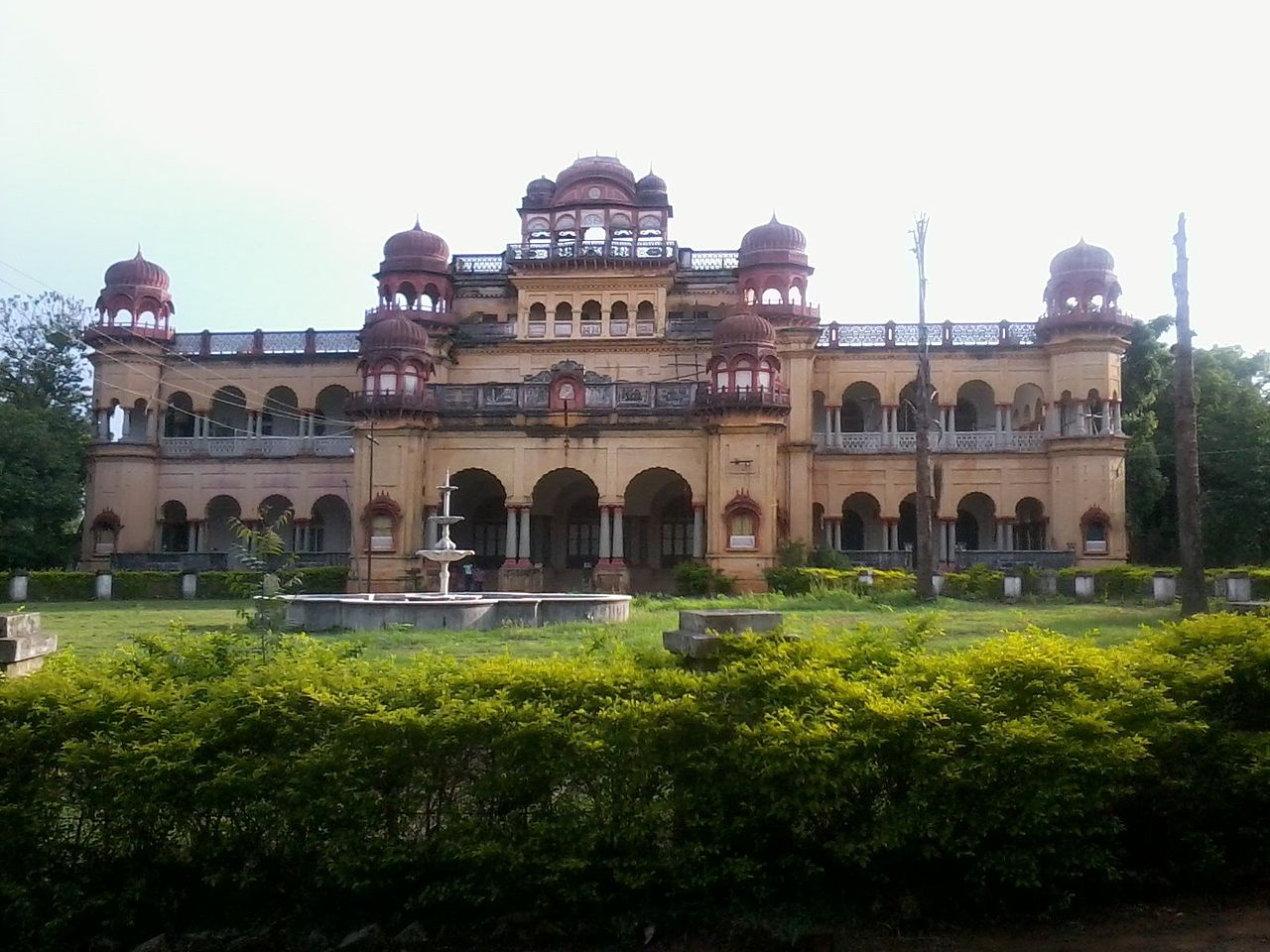
Forts and Palaces




.jpg)


.jpg)


.jpg)

.jpg)


Flags
| Flag | Kingdom |
|---|---|

|
Sirohi |

|
Bundi |

|
Kotah |

|
Vav (Wao) |

|
Dhami |

|
Sonepur |

|
Korea |


References
- ^
- Kulke, Hermann; Rothermund, Dietmar (2004). A History of India. Psychology Press. p. 117. ISBN 978-0-415-32919-4.
When Gurjara Pratiharas power declined after the sacking of Kannauj by the Rashtrakutkas in the early tenth century many Rajput princes declared their independence and founded their own kingdoms, some of which grew to importance in the subsequent two centuries. The better known among these dynasties were the Chaulukyas or Solankis of Kathiawar and Gujarat, the Chahamanas (i.e. Chauhan) of eastern Rajasthan (Ajmer and Jodhpur), and the Tomaras who had founded Delhi (Dhillika) in 736 but had then been displaced by the Chauhans in the twelfth century.
- Brajadulal Chattopadhyaya (2006). Studying Early India: Archaeology, Texts and Historical Issues. Anthem. p. 116. ISBN 978-1-84331-132-4.
The period between the seventh and the twelfth century witnessed gradual rise of a number of new royal-lineages in Rajasthan, Gujarat, Madhya Pradesh and Uttar Pradesh, which came to constitute a social-political category known as 'Rajput'. Some of the major lineages were the Pratiharas of Rajasthan, Uttar Pradesh and adjacent areas, the Guhilas and Chahamanas of Rajasthan, the Caulukyas or Solankis of Gujarat and Rajasthan and the Paramaras of Madhya Pradesh and Rajasthan.
- Romila Thapar (2000). Cultural Pasts: Essays in Early Indian History. Oxford University Press. p. 792. ISBN 978-0-19-564050-2.
This is curious statement for the Chahamanas who were known to be one of the eminent Rajput family of early medieval period
- David Ludden (2013). India and South Asia: A Short History. Oneworld Publications. p. 64. ISBN 978-1-78074-108-6.
By contrast in Rajasthan a single warrior group evolved called Rajput (from Rajaputra-sons of kings): they rarely engaged in farming, even to supervise farm labour as farming was literally beneath them, farming was for their peasant subjects. In the ninth century separate clans of Rajputs Cahamanas (Chauhans), Paramaras (Pawars), Guhilas (Sisodias) and Caulukyas were splitting off from sprawling Gurjara Pratihara clans...
- Upinder Singh (1999). Ancient Delhi. Oxford University Press. p. 97. ISBN 978-0-19-564919-2.
The Tomaras ultimately met their destruction at the hand of another Rajput clan, the Chauhans or Chahamanas. Delhi was captured from the Tomaras by the Chauhan king Vigraharaja IV (the Visala Deva of the traditional bardic histories) in the middle of twelfth century
- Shail Mayaram (2003). Against history, against state : counterperspectives from the margins. New York: Columbia University Press. p. 22. ISBN 0-231-12730-8. OCLC 52203150.
The Chauhans (Cahamanas) Rajputs had emerged in the later tenth century and established themselves as a paramount power, overthrowing the Tomar Rajputs. In 1151 the Tomar Rajput rulers (and original builders) of Delhi were overthrown by Visal Dev, the Chauhan ruler of Ajmer
- Kulke, Hermann; Rothermund, Dietmar (2004). A History of India. Psychology Press. p. 117. ISBN 978-0-415-32919-4.
- ^ Dasharatha Sharma (1975). Early Chauhan Dynasties: A Study of Chauhan Political History, Chauhan Political Institutions and Life in the Chauhan Dominions from 800 to 1316 A. D. Motilal Banarsidass Publishers (Pvt. Limited). p. 175-179. ISBN 978-81-208-0492-0.
- ^ Gopinath Sharma (1970). "Rajasthan". In Mohammad Habib; K. A. Nizami (eds.). A Comprehensive History of India: The Delhi Sultanat (A.D. 1206-1526). Vol. 5 (Second ed.). The Indian History Congress / People's Publishing House. p. 824-835.
- ^ Singh 1964, p. 10.
- ^ Sharma 1959, p. 23.
- ^ Singh 1964, pp. 10–11.
- ^ Singh 1964, p. 89.
- ^ Singh 1964, p. 11.
- ^ Singh 1964, p. 12.
- ^ a b Singh 1964, p. 13.
- ^ Singh 1964, pp. 13–14.
- ^ Seth 1978, p. 10-13.
- ^ Seth 1978, p. 5.
- ^ Singh 1964, pp. 14–15.
- ^ Majumdar 1956, p. 9.
- ^ Singh 1964, pp. 17–18.
- ^ Singh 1964, p. 15.
- ^ Singh 1964, p. 16.
- ^ Seth 1978, p. 6.
- ^ Gupta & Bakshi 2008, p. 95.
- ^ Gupta & Bakshi 2008, p. 100.
- ^ Sen, Sailendra (2013). A Textbook of Medieval Indian History. Primus Books. p. 28. ISBN 978-9-38060-734-4.
- ^ Kothiyal, Tanuja (2016). Nomadic Narratives: A History of Mobility and Identity in the Great Indian Desert. Cambridge University Press. pp. 44–45. ISBN 9781107080317.
Delhi, Punjab and Gujarat were seen as strategic centres by the Sultans of Delhi. Throughout the thirteenth and fourteenth centuries, intense struggle to control these towns waged between the various sultans of Delhi and Rajput lineages like Chauhans.
- ^ Sharma, Dasharatha (1959). Early Chauhan Dynasties. S.Chand & Co. p. 14.
- ^ branched off from the Chahamanas of Naddula
- ^ Crump, Vivien; Toh, Irene (1996). Rajasthan. London: Everyman Guides. p. 291. ISBN 1-85715-887-3.
- ^ a b M. S. Naravane, V. P. Malik, The Rajputs of Rajputana: a glimpse of medieval Rajasthan, p. 121
- ^ "About Kota". Rajasthan Travel Guide & News. Rajasthan Travel. Archived from the original on 8 September 2016. Retrieved 24 June 2016.
- ^ Imperial Gazetteer of India, v. 21, p. 34.
- ^ a b Gazetteer of the Province of Oudh: A to G, Volume 1. Lucknow. 1877. p. 126.
{{cite book}}: CS1 maint: location missing publisher (link) - ^ Singh 1964, p. 115.
- ^ Gazetteer of the Bombay Presidency: Cutch, Palanpur, and Mahi Kantha 2015, p. 334, 350-351.
- ^ Brentnall, Mark (2004). The Princely and Noble Families of the Former Indian Empire: Himachal Pradesh. Vol. 1. New Delhi: Indus Publishing. p. 161. ISBN 978-81-7387-163-4. Retrieved 19 October 2012.
- ^ a b Raghumani Naik (3 March 2018), GENEALOGICAL ANALYSIS OF CHAUHAN RULERS OF PATNAGARH IN WESTERN ORISSA: A STUDY, IRJHRSS, retrieved 12 March 2021
- ^ Chisholm, Hugh, ed. (1911). . Encyclopædia Britannica. Vol. 25 (11th ed.). Cambridge University Press. p. 416.
- ^ Ashok kumar Patnaik (December 2009), The Mirror Reflection of Sambalpur State through the Courtly Chronicle called Kosalananda Kavyam, Odisha History Congress, retrieved 12 March 2021
- ^ "Brigadier Bhupesh Singh is the new 'King' of Bundi". The Times of India. 3 April 2022. ISSN 0971-8257. Retrieved 13 January 2025.
- ^ "Brigadier Bhupesh Singh crowned in Bundi". News18 हिंदी (in Hindi). 2 April 2022. Retrieved 13 January 2025.
- ^ Rathore, Abhinay (1964). "Tulsipur (Princely State)". Rajput Provinces of India. Retrieved 27 September 2025.
- ^ Rathore, Abhinay. "Vav (Princely State)". Rajput Provinces of India. Retrieved 27 September 2025.
- ^ a b O'malley, L. S. S. (2007) [1909]. Bengal District Gazetteer : Sambalpur. Concept Publishing Company. pp. 26–28. ISBN 978-81-7268-139-5.
Bibliography
- Gazetteer of the Bombay Presidency: Cutch, Palanpur, and Mahi Kantha. Government Central Press. 1880. pp. 331–332, 350–351.
- Gupta, R. K.; Bakshi, S. R., eds. (2008). Studies In Indian History: Rajasthan Through The Ages: The Heritage of Rajputs. Vol. 1. Sarup & Sons. ISBN 978-8-17625-841-8.
- Majumdar, Asoke Kumar (1956). Chaulukyas of Gujarat: A Survey of the History and Culture of Gujarat from the Middle of the Tenth to the End of the Thirteenth Century. Bharatiya Vidya Bhavan.
- Seth, Krishna Narain (1978). The Growth of the Paramara Power in Malwa. Progress.
- Singh, R. B. (1964). History of the Chāhamānas. N. Kishore.
