Gonocephalus mjobergi
| Gonocephalus mjobergi | |
|---|---|
Scientific classification | |
| Kingdom: | Animalia |
| Phylum: | Chordata |
| Class: | Reptilia |
| Order: | Squamata |
| Suborder: | Iguania |
| Family: | Agamidae |
| Genus: | Gonocephalus |
| Species: | G. mjobergi |
| Binomial name | |
| Gonocephalus mjobergi M.A. Smith, 1925 | |
| Synonyms[2] | |
| |

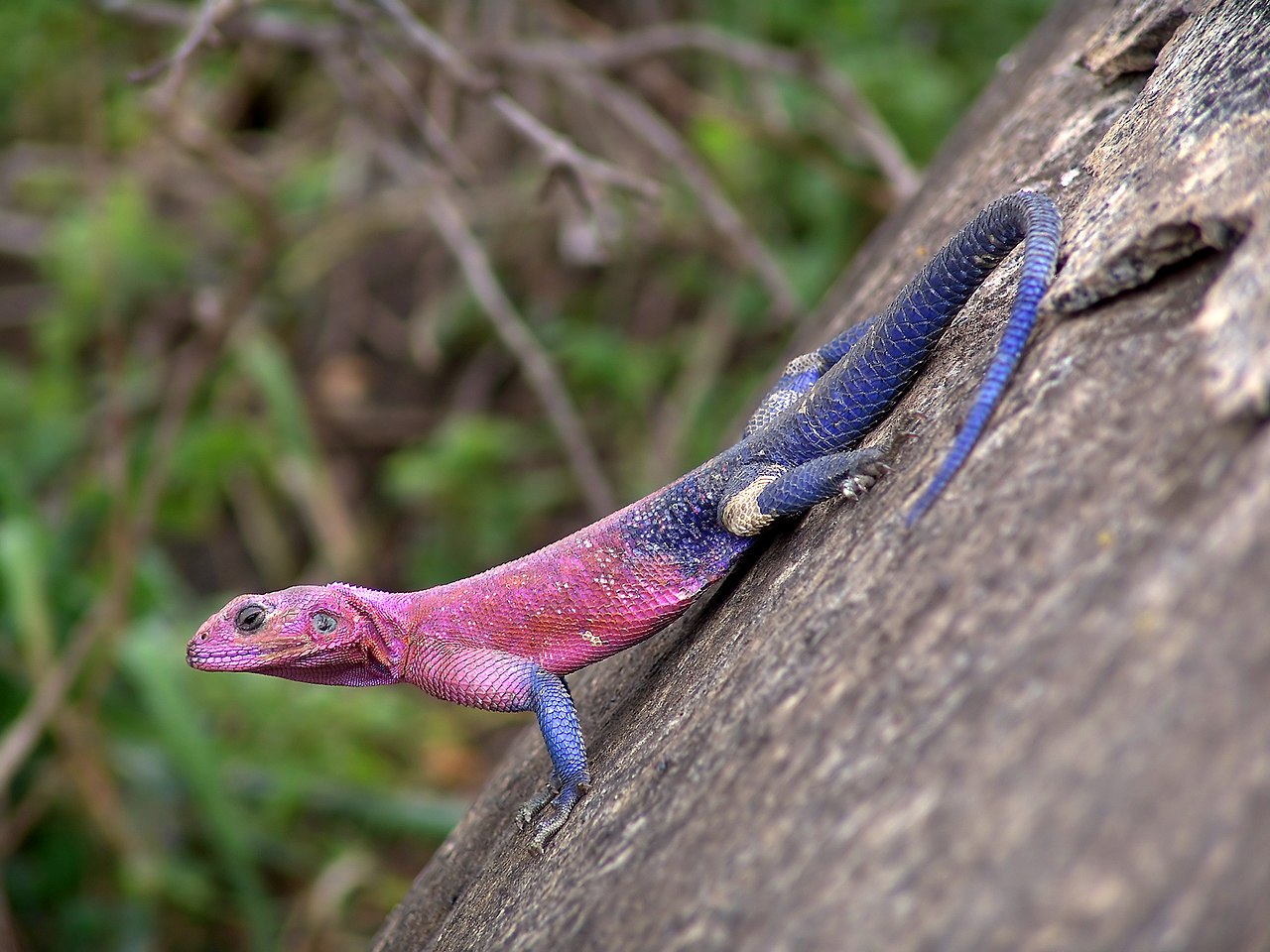
Gonocephalus mjobergi is a species of lizard in the subfamilyDraconinae of the familyAgamidae.[2] The species is native to Indonesia and Malaysia.
Etymology
The specific name, mjobergi is in honor of Swedish zoologist Eric Georg Mjöberg.[3]: 180
Habitat
The preferred natural habitat of Gonocephalus mjobergi is forest, at elevations of 2,134–2,250 m (7,001–7,382 ft).[1]
Behavior
Gonocephalus mjobergi is arboreal and diurnal.[1]
Diet
Gonocephalus mjobergipreys upon insects.[1]
Reproduction
Gonocephalus mjobergi is oviparous.[2]
References
- ^ abcdMcGuire, J.; Iskandar, D. (2018). "Gonocephalus mjobergi ". The IUCN Red List of Threatened Species 2018: e.T99930382A99930386. https://www.iucnredlist.org/species/99930382/99930386. Downloaded on 20 December 2018.
- ^ abcGonocephalus mjobergi at the Reptarium.cz Reptile Database. Accessed 28 April 2021.
- ^Beolens, B.; Watkins, M.; Grayson, M. (2011). The Eponym Dictionary of Reptiles. Baltimore: Johns Hopkins University Press. pp. xiii + 296. ISBN 978-1-4214-0135-5.
Further reading
- Barts, M.; Wilms, T. (2003). "Die Agamen der Welt ". Draco. 4 (14): 4–23. (in German).
- Das, I. (2006). A Photographic Guide to Snakes and other Reptiles of Borneo. Sanibel Island, Florida: Ralph Curtis Books. ISBN 0-88359-061-1. 144 pp. (Gonocephalus mjobergi, p. 11).
- Denzer, W.; Manthey, U. (2009). "Remarks on the type specimen of Gonocephalus mjobergi Smith, 1925 (Sauria: Agamidae)". Bonner zoologische Beiträge. 56 (4): 255–258.
- Smith, M.A. (2025). "On a Collection of Reptiles and Amphibians from Mt. Murud, Borneo". Sarawak Museum Journal. 3 (8): 5–14. + Plate I. (Gonocephalus mjöbergi, new species, p. 7 + Plate I, figure 2).
 | This lizard from family Agamidae article is a stub. You can help Wikipedia by adding missing information. |

