国木田独歩
 |
Doppo Kunikida | |
|---|---|
 1890年代の国木田 | |
| 誕生 | 国木田鐵雄 (1871年8月30日)1871年8月30日 |
| 死去 | 1908年6月23日(1908年6月23日)(36歳) 神奈川県茅ヶ崎市 |
| 職業 |
|
| ジャンル |
|
| 文学運動 | 自然主義 |
| 配偶者 |
|
| 5 | 親族 |
| 中島歩(玄孫) | Ayumu Nakajima(great-great-grandson) |
Doppo Kunikida (国木田 独歩, Kunikida Doppo; 30 August 1871 – 23 June 1908) was a Japanese author of novels and romantic poetry during the Meiji period, noted as one of the inventors of Japanese naturalism.
Early life and education
Doppo Kunikida was born in Chōshi, Chiba as Tetsuo Kunikida. While some doubt exists as to his biological father, Doppo was raised by his mother and her samurai-class husband. The family moved to Tokyo in 1874, but relocated to Yamaguchi prefecture and Doppo grew up in Iwakuni. The rural area of Chōshū left Doppo with a love of nature and influenced the naturalism which later appeared in his literature. Doppo quit school in order to help support his family in 1888, but left for school in Tokyo in 1889.
He studied at the English department of Tōkyō Senmon Gakkō (now Waseda University). Interested in western democracy, he developed a defiant attitude to the school's administration and was expelled from the school in 1891. When he was 21 years old, he was baptized by Uemura Masahisa and became a Christian. His religion and the poetry of William Wordsworth influenced his later writing style.
Career and personal life
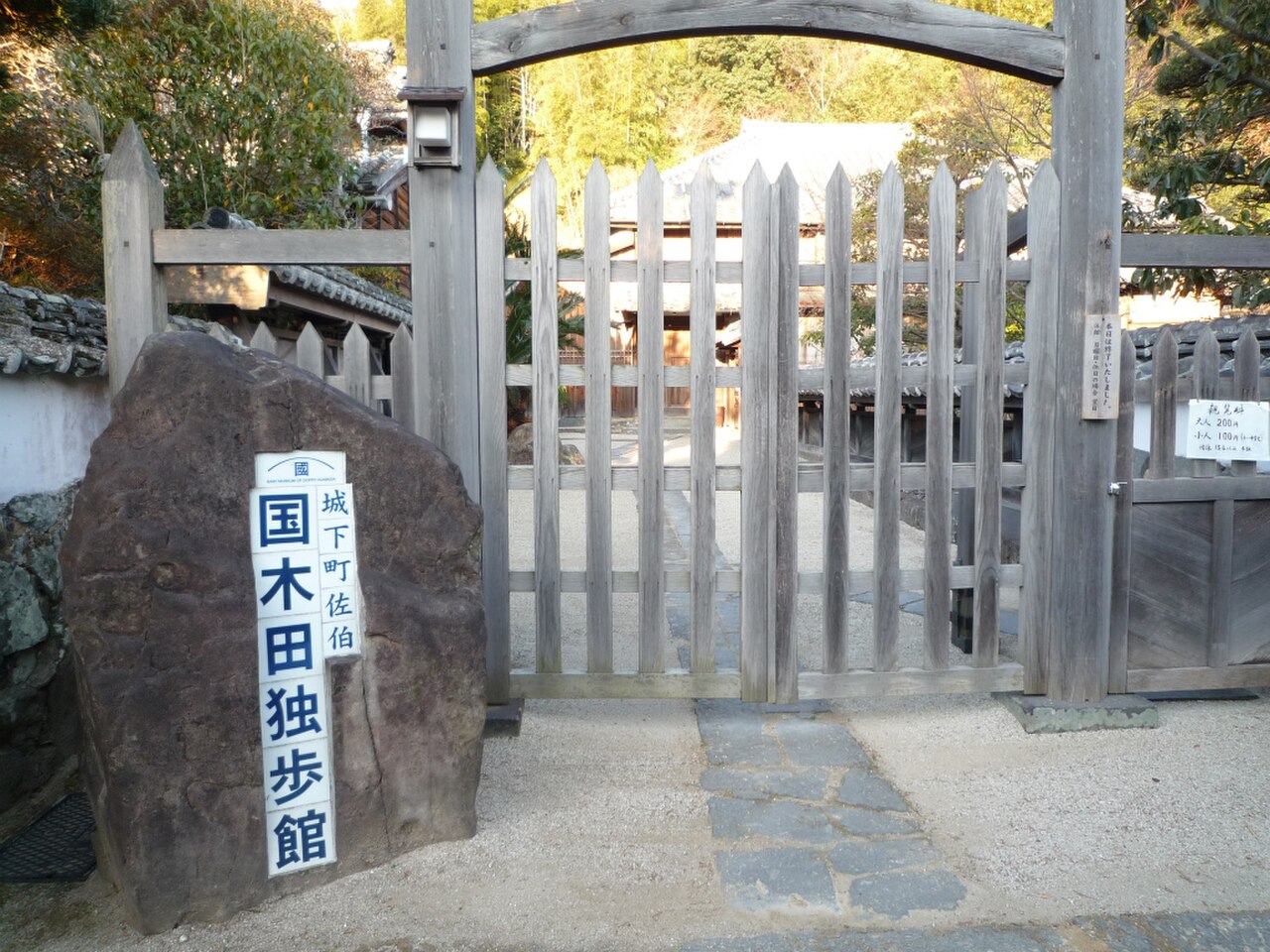
Kunikida founded a literary magazineSeinen bungaku (青年文學 "Literature for Youth") in 1892 and began his private diary Azamukazaru no ki (欺かざるの記 "An Honest Record", published after his death) in 1893, the same year he began teaching English, mathematics, and history in Saiki, another rural area of Japan.
1894年、彼は国民新聞の報道部に従軍記者として入社した。日清戦争中の前線からの報告は、彼の死後『愛弟通信』としてまとめられ、読者の間で高い評価を得た。

翌年、国木田は両親とともに東京に定住し、雑誌『国民の友』の編集長を務め、将来の妻となる佐々木信子と出会う。有島武郎は彼女をモデルに有名な小説『ある女』を執筆したと考えられている。信子の両親の反対(信子の母は独歩と結婚するよりも自殺を勧めた)にも関わらず、二人は1895年11月に結婚した。その後、国木田は経済的に困窮し、妊娠中の信子はわずか5ヶ月で国木田と離婚した。この破綻した結婚は独歩にトラウマを与え、別居中の彼の鬱状態と精神的苦痛は、1908年から1909年にかけて出版された 『あざむかざるの記』に見ることができる。
離婚直後、 1897年に田山花袋、松岡國男(別名柳田国男)と共著でアンソロジー『抒情詩』を執筆し、国木田は恋愛詩のジャンルに目を向けた。この頃、国木田はいくつかの詩を発表し、それらは最終的に『独歩吟』と短編小説『源叔父』に収録されることになる。国木田は、その詩的なスタイルを通じて、ロマンチックな叙情文学に新しい流れをもたらしました。
国木田は1898年に榎本春子と再婚し、時代に取り残された人々を描いた 最初の短編小説集『武蔵野』を1901年に出版した。
しかし、国木田の作風は変化し始めた。1904年に書かれた『春の鳥』は、当時のロマン主義の最高潮に達したと伝えられているが、『窮死』や『竹の木戸』といった後期の作品では、国木田はロマン主義よりも自然主義へと傾倒していく傾向を示唆している。
1905年の日露戦争後、国木田は出版業を始めましたが、2年後に倒産しました。同年、雑誌『婦人画報』を創刊しました。[ 1 ]
死
国木田は1907年に結核に罹患し、1908年初頭に茅ヶ崎の療養所に移った。彼は1908年に36歳で結核により亡くなった。彼の墓は東京の青山墓地にある。
トリビア
- 国木田はアニメ『文豪ストレイドッグス』の主人公です。このアニメは、日本の著名な文学者、その伝記、そして自身の作品を題材に、架空のキャラクターを創作したものです。作中での国木田の能力は、彼の詩人としての作品へのオマージュとなっています。作中では、彼は武装探偵社に所属し、「無双の詩人」と呼ばれる能力を持っています。彼は田山花袋にちなんで名付けられたキャラクターと友人であり、作家の佐々木伸子との短い関係もシリーズで再登場します
- 国木田は、EXNOAが制作しDMM.comが公開したブラウザゲーム『文豪とアルケミスト』にも登場する。
参照
参考文献
- ^ 「日本の雑誌史:1867-1988」神崎2016年9月26日閲覧。
- 加藤秀一。日本文学史。ラウトレッジカーゾン; 1版(1997年)。ISBN 1-873410-48-4
英語
- 『リバー・ミストとその他の物語』講談社アメリカ版(1983年)ISBN 0-87011-591-X
- 国木田独歩選集。思潮社。ASIN: B00087VZWW
外部リンク
- 国立国会図書館
- インターネットアーカイブにある国木田独歩の著作または国木田独歩に関する作品
- LibriVoxの国木田独歩の作品(パブリックドメインのオーディオブック)

- 青空文庫における独歩作品の電子テキスト
- 国木田独歩の墓
- 青空文庫 国木田独歩
- アスネタ 国木田独歩
- あらら本舗 国木田独歩


