 | この記事は、ウィキペディアの品質基準を満たすために、クリーンアップする必要があるかもしれません。具体的な問題は次のとおりです。記事は長すぎて詳細すぎるため、要約形式で書き直す必要があります。また、結果が何であったか、あるいは継続しているかどうかも明確ではありません (2021年12月) |
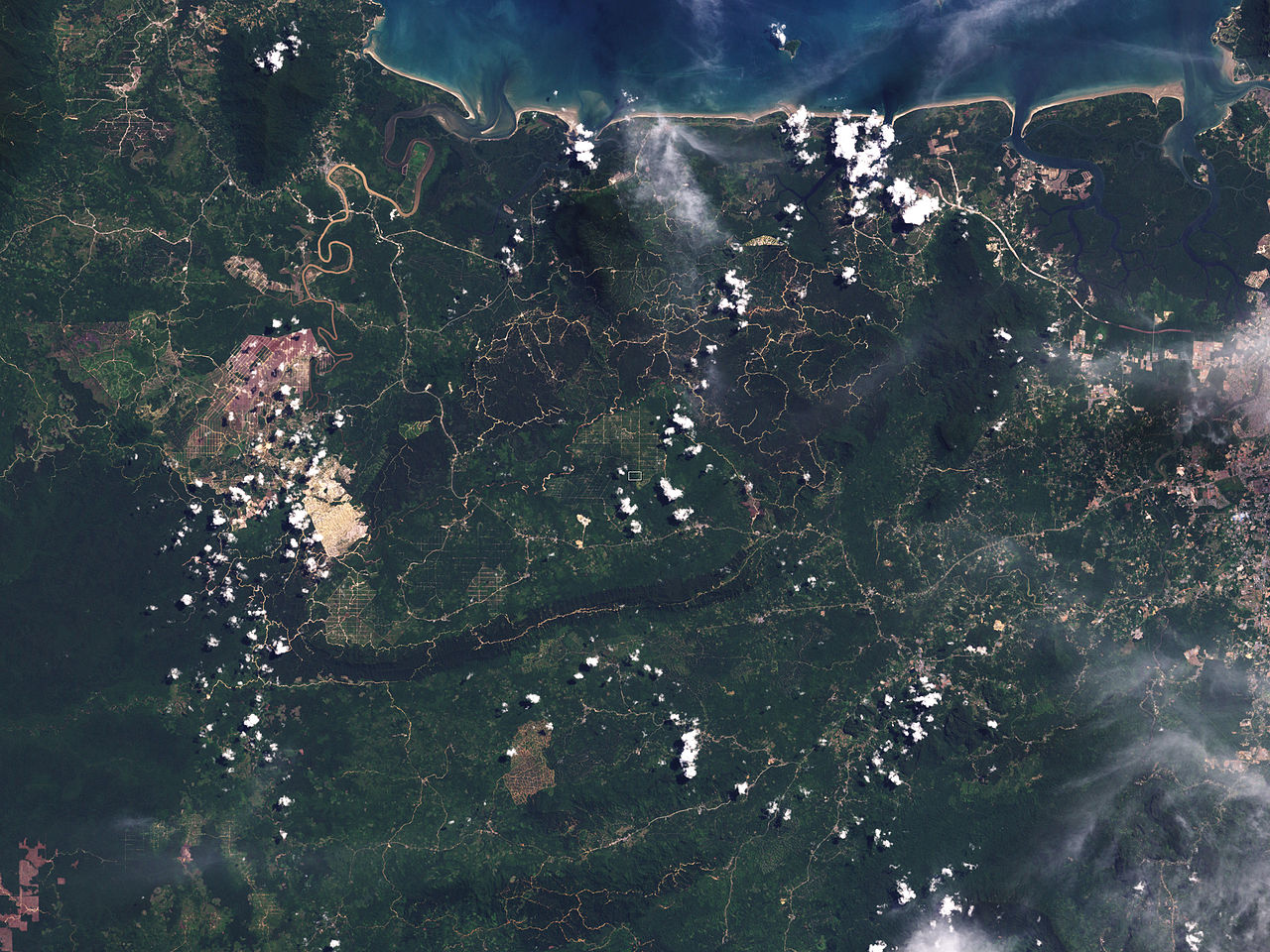
REDD+は、国連気候変動枠組条約(UNFCCC)によって策定された 自主的な気候変動緩和の枠組みです。 [1] REDD +は、開発途上国による温室効果ガスの排出と森林破壊の削減、森林による温室効果ガスの吸収の促進、持続可能な森林管理の促進、そしてこれらの取り組みへの財政的インセンティブ付与を奨励することを目的としています。[2] REDD+の頭文字は「開発途上国における森林破壊と森林劣化による排出の削減」を意味します。 [3] REDD+の「+」は、この枠組みにおける森林保全活動を指します。[2]

主な要素
国家主権と補完性の原則は、UNFCCCが実施のためのガイドラインを提供することしかできず、報告書は特定の形式で提出され、条約による審査に公開されることを要求していることを意味します。REDD+プログラムには、締約国からの報告書が一貫性があり比較可能であり、その内容が審査に公開され、条約の目的に沿って機能するという重要な要素が含まれていることを保証するための一連の要件が策定されています。[要出典]
決定1/CP.16は、REDD+の実施を目指すすべての開発途上国に対し、以下の要素を策定するよう求めている。[3]
- (a)国家戦略または行動計画
- (b)国の森林基準排出レベルおよび/または森林基準レベル、あるいは適切な場合には暫定措置として、地方レベルの森林基準排出レベルおよび/または森林基準レベル。
- (c)REDD+活動の監視と報告のための強固で透明性の高い国家森林監視システム(下記参照)、適切な場合には暫定的な措置として地方レベルの監視と報告も行う。
- (d)REDD+の実施全体を通じて、社会的・環境的保障措置(決定の付録に含まれる)がどのように対処され、尊重されているかに関する情報を提供するシステム。
さらに、開発途上国に対して、森林破壊と森林劣化の要因、土地保有問題、森林ガバナンス問題、ジェンダーへの配慮、社会的・環境的保障措置に対処し、関係者の完全な参加を確保するよう求めている。
対象となる活動
REDD+の「5つの対象となる活動」は次のとおりです。
- (a) 森林破壊による排出量の削減
- (b)森林劣化による排出量の削減
- (c)森林炭素貯蔵量の保全
- (d)森林の持続可能な管理。
- (e)森林炭素貯蔵量の増加[3]
政策と措置
条約本文では、締約国が条約の目的を達成するために策定し実施する一連の法的、規制的、行政的手段である国家の「政策と措置」について繰り返し言及されています。これらの政策は、気候変動の緩和または適応に特化したものもあれば、より一般的な性質のもので温室効果ガスの排出に影響を与えるものもあります。UNFCCCの署名国の多くは、これまでに気候変動戦略と対応策を確立しています
REDD+にとって特に重要なのは、森林減少と森林劣化の要因です。UNFCCCの決定では、各国に対し、これらの要因を評価し、その評価に基づいて政策と対策を策定し、影響が最も大きい地域に政策と対策を向けることが求められています。
各国は、森林資源に影響を与える要因、すなわち国内の具体的な状況を特定することが推奨されています。典型的な国内状況に関するヒントは、様々なCOP決定の前文に見出すことができます。例えば、バリ行動計画における「経済社会開発と貧困撲滅は世界的な優先事項であることを再確認する」 [4]は、開発途上国が森林保護よりも、農業拡大や水力発電開発による貧困撲滅といった政策を優先することを可能にします。
参照レベル
参照レベルは、REDD+プログラムの温室効果ガス排出量削減効果を測定するための基準として機能します。これらの基準に対して測定された結果は、成果連動型支払いの対象となる場合があります
参照レベルの要件と特性は、国連気候変動枠組条約(UNFCCC)の管轄下にあります。生態学的条件や各国固有の状況は多岐にわたるため、各国は自国領土内における参照レベルの定義において、様々な選択肢を持つことになります。[要出典]
参照レベル(RL)は、一定期間における一連の量の差分によって算出される量として表現されます。REDD+においては、量は年間排出量または吸収量のCO2換算値(CO2換算値)で表されます。排出量の場合、参照レベルは参照排出レベル(REL)となります。これらのRELは吸収量を考慮していないため、不完全であると考える人もいます。参照レベルは、対象範囲、規模、地理的領域、および期間に基づいています。参照レベルは、過去の量の観測または測定に基づく場合もあれば、将来の量の予測に基づく場合もあります。[5]
参照レベルは最終的には全国規模で設定する必要がありますが、複数の地域レベルの参照レベルから構成される場合もあります。例えば、森林劣化については、商業的な択伐のための参照排出レベルと、農村地域における自給自足のための雑木・薪の採取のための参照排出レベルが設定される場合があります。実質的には、森林破壊または森林劣化の要因として特定されているものはすべて、1つ以上の参照排出レベルで表す必要があります。同様に、炭素貯蔵量の増加に関する参照レベルについては、植林木種と天然更新のための参照排出レベルが設定され、生態学的地域または森林タイプごとに階層化される可能性があります。[要出典]
参照レベルの報告と技術的評価の詳細については、決定13/CP.19に記載されている。[6]
モニタリング:測定、報告、検証
国連気候変動枠組条約(UNFCCC)の決定2/CP.15では、各国に対し、REDD+活動の実施における行動と成果の測定、報告、検証(MRV)機能を支援する国家森林モニタリングシステム(NFMS)の開発が求められています。[7] NFMSは、国家REDD+プログラムの情報管理における主要な要素です。完全に機能するモニタリングシステムは、UNFCCCが定めた要件を超えて、プロジェクトと参加者の登録、プログラムの成果と政策の有効性の評価といった事項も含むことができます。
測定は、リモートセンシングと地上観測を組み合わせて行うことが推奨されています。リモートセンシングは、森林面積の評価や森林タイプの階層化に特に適しています。地上観測には、気候変動に関する政府間パネル(IPCC)[8]が用いる炭素プールを測定するための森林調査や、セーフガードや適格活動の実施に関連するものなど、その他の重要なパラメータの測定が含まれます。[9]
報告はIPCCガイダンス、特に「土地利用、土地利用変化、林業に関するグッドプラクティスガイダンス」に従わなければなりません。[10] REDD+の成果の実際の報告は、締約国報告書ではなく 、隔年更新報告書(BUR)[11]を通じて行われます。
これらの結果の技術的評価は、UNFCCC事務局が管理する独立した外部プロセスです。この技術的評価は、より広範な国際協議・分析(ICA)プロセスの一部であり、附属書I締約国の専門家と非附属書I締約国の専門家で構成されるチームによるピアレビューを受けます。この評価は、「非干渉的、非懲罰的、かつ国家主権を尊重する方法で実施される」ものとされています。[11]この「専門家技術チームは、以下の点について分析を行うものとする。
- (a)評価された参照レベルと[REDD+]活動の実施結果との間には、方法論、定義、包括性、提供される情報の一貫性がある(…)
- (b)技術的付属書に提供されるデータおよび情報は、透明性、一貫性、完全性、正確性を備えていること。
- (c)技術的付属書に提供されるデータと情報は、[UNFCCC]ガイドラインと一致している(...)。
- (d)結果は可能な限り正確である。」[6]
技術評価は、基準レベル、あるいはこの基準レベルに対して測定された報告結果を「承認」または「拒否」することはできません。改善の余地がある領域を明確に示すことはできます。
成果に基づく支払いを希望する融資機関は、通常、支払いの対象となる成果が信頼できるものであることを保証するために、外部の専門家による成果の真の検証を求めます。
保障措置
国連気候変動枠組条約(UNFCCC)は、各国が「対処し、尊重し」、「推進し、支援」する必要がある保障措置のリストを策定しました
これらの保障措置は次のとおりです。
- (a) 行動は、国家森林計画および関連する国際条約や協定の目的を補完し、またはそれらと整合していること
- (b)国内法と主権を考慮した透明かつ効果的な国有林野ガバナンス構造
- (c)関連する国際的義務、国内状況及び国内法を考慮し、また、国連総会が先住民族の権利に関する国連宣言を採択したことに留意し、先住民族及び地域社会の構成員の知識及び権利を尊重すること。
- (d)関係する利害関係者、特に先住民族及び地域社会の完全かつ効果的な参加。
- (e)これらの措置は、天然林及び生物多様性の保全と整合しており、天然林の転換に利用されるのではなく、天然林及びその生態系サービスの保護と保全を奨励し、その他の社会的・環境的利益を高めるために利用されることを確保すること。
- (f)逆転のリスクに対処するための措置
- (g)排出物の移転を削減するための措置」[3]
各国は、これらの保障措置がどのように対処され、尊重されているかについての要約情報を定期的に提供する必要がある。[要出典]
決定12/CP.19では、セーフガードに関する「情報概要」は、開発途上締約国については4年に1回、UNFCCCへの国別報告書で提供されることが定められました。任意で、情報概要はUNFCCC REDD+ウェブプラットフォームに掲載することができます。[6] [12]
追加の問題
REDD+を構成するすべての関連問題は、上記のセクションで示されているように、COPの決定に含まれるもののみです。しかしながら、UNFCCCの決定の代替となるか、それらの決定を補完するものとして、提案者によってREDD+の一部であるとラベル付けされている多種多様な概念とアプローチがあります。以下に、そのような概念とアプローチのリストを示します(不完全なことは間違いありません)。[要出典]
- プロジェクトベースのREDD+、自主市場REDD+。REDD+の概念が定義されるにつれ、多くの組織が、森林地帯(大規模コンセッション、国立公園など)規模のREDD+プロジェクトを推進し始めました。これらのプロジェクトでは、確立された基準(CCBA、VCSなど)を用いて外部機関によって審査された排出量削減または吸収量増加が行われ、国際的な自主炭素市場で取引される炭素クレジットが活用されました。[7] [3]
- 利益分配。REDD+に関するUNFCCCの決定は、検証済みの純排出削減量または温室効果ガスの吸収量増加に対する各国および参加者への報酬については言及していない。利益分配の地方レベルでの実施に関する具体的な要件が採択される可能性は低い。これは国家主権の問題とみなされるためである。各国は、利益を既存のプログラムを通じて分配するか、現地の利害関係者に直接支払うかを決定する可能性がある。
- FPIC(自由で、事前の、十分な情報に基づく同意)は、国連先住民族の権利に関する宣言に含まれています。UNFCCCに基づくREDD+の決定には、これを明示的な要件として規定していません。しかし、権利尊重に関するセーフガードには、「国連総会は、先住民族の権利に関する国連宣言(UNDRIP)を採択した」と記されています。[3] UNDRIP第19条は、「各国は、先住民族に影響を与える可能性のある立法措置または行政措置を採択および実施する前に、当該先住民族の自由で、事前の、十分な情報に基づく同意を得るため、当該先住民族自身の代表機関を通じて、当該先住民族と誠意をもって協議し、協力しなければならない」と規定しています。[13]
- リーケージとは、プロジェクト活動に起因するプロジェクトエリア外への有害な影響を指します。多くのイニシアチブでは、国境を越えた排出量の潜在的なリーケージを最小限に抑えるため、プログラム設計においてリーケージを考慮することが求められています。
気候変動緩和策として
森林破壊と森林劣化は世界の温室効果ガス排出量の17~29%を占めており[14] [15] [16]、その削減は最も費用対効果の高い気候変動緩和戦略の一つであると推定されている。[17] [18]劣化または森林伐採された土地での森林再生は、バイオマスの蓄積を通じて大気中のCO2を除去し、森林地帯を温室効果ガスの吸収源にすることができる。
排出量の削減
森林地からの温室効果ガス排出量は、REDD+適格活動の対象となる森林減少・劣化の速度を遅らせることで削減できます。もう一つの選択肢としては、REDD+適格活動である持続可能な森林管理の下で、商業伐採における環境負荷低減型伐採の実施が挙げられます。 [19]
除去の強化
大気からの温室効果ガス(特に二酸化炭素)の除去は、劣化または森林伐採された地域への植林やエンリッチメント植林など、さまざまな森林管理オプションを通じて達成できますが、森林地を自然に再生させることによっても達成できます。純粋に生態学的な再生プロセスと、何らかの管理介入によって誘発または促進されるものとを区別することに注意する必要があります。[19]
REDD+と炭素市場
2009年、コペンハーゲンで開催されたCOP15において、コペンハーゲン合意が採択され、第6項ではREDDとREDD+の重要な役割を認識し、先進国からの資金動員を可能にすることで、こうした活動に積極的なインセンティブを与える必要性が指摘されました。さらに第8項では、先進国による森林資源や国際機関を通じた投資を含む新規および追加的な資金に対する共同コミットメントが、2010年から2012年にかけて300億米ドルに近づくと指摘されています。[20]
緑の気候基金(GCF)は、COP17において、UNFCCCの資金メカニズムとして機能することを目的として設立され、REDD+への資金提供も含まれるようになりました。REDD+に関するワルシャワ枠組みは、GCFについて様々な言及を行っており、開発途上締約国に対し、成果連動型資金をGCFに申請するよう指示しています。[6] GCFは現在、REDD+プログラムに対し、フェーズ1(国家戦略または行動計画の策定、能力構築)とフェーズ2(国家戦略または行動計画の実施、実証プログラム)の資金を提供しています。現在、REDD+の成果連動型支払いの方法について最終調整を行っています。
REDD+は、国際民間航空機関(ICAO)の市場ベースの温室効果ガス相殺メカニズム であるCORSIAにも組み入れられる資格があります。
REDD+の実施
決定1/CP.16第73項は、REDD+を実施するための国家能力は段階的に構築されるべきであると示唆しており、「国家戦略または行動計画、政策措置、そして能力構築の策定から始まり、国家政策措置、そして更なる能力構築、技術開発と移転、そして成果に基づく実証活動を含む可能性のある国家戦略または行動計画の実施を経て、十分な測定、報告、検証が必要な成果に基づく行動へと発展していく」としている。[3]国家戦略、行動、そして能力構築の策定の初期段階は、通常「準備段階」と呼ばれる。
世界には膨大な数のREDD+プロジェクトがあり、このセクションではその一部を紹介しています。REDD+プロジェクトに関する最新情報を網羅したオンラインツールとして、ボランタリーREDD+データベースがあります。
準備活動
- 国連REDDプログラム:UNDP、UNEP、FAOは2007年に共同で国連REDDプログラム(下記#UN-REDDプログラム参照)を設立しました。これは、REDD+メカニズムに効果的に参加するために必要な特定の措置への対応において開発途上国を支援することを目的としたパートナーシップです。これらの措置には、能力開発、ガバナンス、先住民族の関与、技術的ニーズが含まれます。当初の支援対象国は、ボリビア、コンゴ民主共和国、インドネシア、パナマ、パプアニューギニア、パラグアイ、タンザニア、ベトナム、ザンビアでした。2014年3月までに、このプログラムには49か国が参加し、そのうち18か国が様々な国レベルのREDD+準備活動を開始または補完するための財政支援を受けています[21]他の31のパートナー国は、対象を絞った支援と知識共有を受け、会議や研修ワークショップへの参加を招待され、政策委員会の会合でオブザーバーの地位を持つ可能性があり、「政策委員会が承認した新しい国への資金提供を優先するための一連の基準に基づいて選定された場合、将来的に国家プログラムへの資金提供を要請される可能性があります。」[22]このプログラムは6つの作業分野で運営されています。[23]
- MRVとモニタリング(FAO主導)
- 国家REDD+ガバナンス(UNDP)
- 先住民、地域社会、その他の関係者の関与(UNDP)
- 森林の多面的利益の確保とREDD+(UNEP)
- REDD+支払いの透明性、公平性、説明責任のある管理(UNDP)
- グリーン経済への変革の触媒としてのREDD+(UNEP)
- 森林炭素パートナーシップ・ファシリティ:世界銀行はREDD+活動の発展において重要な役割を果たしている。森林炭素パートナーシップ・ファシリティ(FCPF)は、2007年12月にバリ島で開催されたCOP13において国際社会に紹介された。受益国は、国家戦略の策定、利害関係者との協議、能力構築、基準レベルの策定、国家森林監視システムの開発、社会環境的セーフガード分析に360万ドルを充当することができる。[24]準備状態を達成した国は、REDD+の国家実施に向けた支援を受けるために、関連する炭素基金に申請することができる。[25]
- ノルウェー国際気候森林イニシアチブ:2007年のバリ会議において、ノルウェー政府は国際気候森林イニシアチブ(NICFI)を発表し、ブラジルのREDDスキーム[26]に10億米ドル、タンザニアにおける国レベルのREDD+活動の創設と実施に5億米ドルを拠出しました。[27]さらに、英国と協力して、中央アフリカの森林保全活動を支援するコンゴ盆地森林基金に2億米ドルを拠出しました。 [28] 2010年、ノルウェーはインドネシアに対し、「インドネシアが良い成果を上げた場合」に最大10億米ドルを拠出する旨の意向書に署名しました。[29]
- 米国:米国は2010年以降、REDD+をはじめとする持続可能な景観活動に15億ドル以上の支援を行ってきました。[要出典]米国は、森林保全基金(FCPF)を含む複数の多国間パートナーシップに加え、REDD+実施国における森林および森林関連排出量の測定・監視を支援するSilvaCarbonなどの主要国際プログラムを支援しています。また、米国はREDD+を実施している多くの国に対し、地域的および二国間レベルで多大な支援を提供しています。
- ITTO:国際熱帯木材機関(ITTO)は、ノルウェーから350万米ドルの初期資金提供を受け、REDD+と環境サービスに関するテーマ別プログラムを開始しました。さらに、2009年11月に開催された第45回ITTO理事会では、REDD+関連の取り組みは「持続可能な森林経営」の促進に重点を置くべきであると勧告されました。[要出典]
- フィンランド:2009年、フィンランド政府とFAOは、エクアドル、ペルー、タンザニア、ベトナム、ザンビアの5カ国において、多目的森林目録、REDD+モニタリング、気候変動適応のためのツールと手法を提供する1,700万米ドルのパートナーシップ協定を締結しました。[30]このプログラムの一環として、タンザニア政府は、森林に蓄積された炭素貯蔵量を含む森林資源を評価するため、同国初の包括的な森林目録をまもなく完成させる予定です。また、調査とモデリングに基づく手法を用いて土壌炭素貯蔵量を推定する森林土壌炭素モニタリングプログラムも実施されています。[31]
- オーストラリア:オーストラリアは2億豪ドル規模の国際森林炭素イニシアチブを設立し、インドネシアやパプアニューギニアなどの近隣地域でのREDD+活動の展開に重点を置いています。[32]
- 暫定REDD+パートナーシップ:2010年に、開発途上国と先進国の政府が協力して、早期行動の実施を強化し、REDD+活動のための迅速な資金援助を促進する手段として、暫定REDD+パートナーシップを設立しました。[33]
実施段階
一部の国では、REDD+の準備状況を超えた排出量の削減と吸収量の強化を目的とした、国家森林監視システムの一部と活動をすでに実施しています。例えば、森林炭素パートナーシップ・ファシリティ(FCC)は、炭素基金のパイプラインに19か国を擁しており、これらの国々には、国家または地方レベルのプログラムの下で達成された検証済みのREDD+排出削減に基づいて支払いが行われる予定です。[34]
成果に基づく行動
REDDプラスに関するワルシャワ枠組みに続き、最初の国がREDDプラス対象活動による排出削減の詳細を含む技術付属書を付した2年ごとの更新報告書を提出しました。ブラジルは2014年12月31日に最初の2年ごとの更新報告書を提出しました。[35]技術付属書は、ブラジル領土内のアマゾンバイオーム(国土の半分弱)を対象としており、ブラジルが以前に提出した森林破壊の削減による2,971.02 MtCO2換算の基準排出レベルに対する排出削減量を報告しています。この技術付属書は、国際協議・分析プロセスを通じて検討され、2015年9月22日に国連気候変動枠組条約( UNFCCC)から技術報告書が発行されました。この報告書では、「LULUCFの専門家は、技術付属書に提供されたデータと情報は透明性、一貫性、完全性、正確性を備えていると考えている」(第38段落)と述べられています。[36]
(a)ブラジル初の国家森林目録から得られた改良された地上データの使用を含め、炭素密度地図の更新と改善を継続し、森林破壊が発生する可能性が高い地理的領域を優先する。
(b)森林から非森林への転換後の土壌炭素動態に対する理解を深めることを含め、炭素プールの対象範囲を拡大すること。
(c)温室効果ガスインベントリとの整合性を維持するための非CO2ガス の処理の検討
(d)森林劣化の監視に関する改善の継続
(e) 森林監視システムを拡張して、追加の生物群系をカバーする。
批判
REDD+は気候変動緩和戦略として多くの批判を受けています。
土地保有権、炭素権、利益分配
一部の批評家[誰? ]によると、REDD+はグリーン資本主義のもう一つの延長であり、汚染企業や市場投機家による新たな収用と囲い込みの方法に森林とそこに住む生物をさらすものだという。[要出典]いわゆる「カーボン・カウボーイ」、つまり小規模プロジェクトのために熱帯雨林の炭素権を取得しようとする悪徳起業家たちは、先住民コミュニティと不公平な契約を結んでおり、その目的は多くの場合、その権利を投資家に転売して手っ取り早く儲けることにある。2012年には、ペルーで活動するオーストラリア人実業家が、多くの住民が文盲であるアマゾンのヤグア族と200年契約を結び、彼らの炭素資源の50%の権利を得ていたことが明らかになった。この契約により、彼はヤグア族の熱帯雨林で木材プロジェクトとパーム油プランテーションを設立し、管理することができるようになった。[37]このリスクは、国レベルおよび地方レベルのREDD+プログラムに重点が置かれ、政府がこれらの取り組みを所有することで、大幅に軽減されます。
森林に住む地元住民やコミュニティが無視され、協議も行われず、実際には収入が得られないというリスクがある。[38]多くの国で森林ガバナンスの改革とより安定した土地保有制度が実施されなければ、REDD+の利益の公平な分配は達成されないだろう。[ 39 ]
国連気候変動枠組条約(UNFCCC)は、先住民族および地域社会の完全かつ効果的な参加を繰り返し求めてきたが、具体的な内容には至っていない。REDD+の現場活動や、温室効果ガスの削減量および増加量を推定するための森林特性の測定に地域社会が効果的に貢献できることは、様々な国で明確に実証されている。[40]
一部のプロジェクトベースのREDD+では、評判の悪い企業がガバナンスの低さを利用している。[41]
先住民族
気候変動に関する国際先住民族フォーラム(IIPFCC)は、2007年のバリ島気候変動交渉において明確に述べました
「REDD/REDD+は先住民族に利益をもたらすどころか、むしろ先住民族の権利侵害を増大させるでしょう。私たちの人権、土地、領土、資源に対する権利の侵害を増大させ、土地を奪い、強制的な立ち退きを引き起こし、先住民族の農業へのアクセスを妨害し、その慣行を脅かし、生物多様性と文化の多様性を破壊し、社会紛争を引き起こすでしょう。REDD/REDD+の下では、国家と炭素取引業者が私たちの森林に対する支配力を強化するでしょう。」[42]
REDD+は、森林に商業的価値を置き、先住民族や地域社会にとっての森林の精神的な価値を無視しているとして批判されている。[15]
32の先住民組織とNGOは2008年に国連先住民族問題常設フォーラムの気候変動に関する最終報告書とREDD+の承認に抗議した。[43]
パナマの先住民族グループは、政府が先住民族グループの権利を適切に尊重していないとの疑惑により、2012年に国家のUN-REDDプログラムとの協力関係を打ち切った。
2017年に国際林業研究センターが実施した調査では、「ほとんどのREDD+は自由意志に基づく事前の十分な情報に基づく同意(FPO)を適用しておらず」、「コミュニティの期待に応えるために意図的に情報を隠蔽していた」ことが判明した。[44]
先住民族の権利を守らなかったとして批判されている他のREDD+としては、コロンビアのREDD+バカ・ロカリレ[45]やカンボジアの南部カルダモンREDD+プロジェクト[46]などがある。
炭素市場において
UNFCCCでREDD+が初めて議論された際、途上国によるREDD+実施の取り組みを支援する積極的なインセンティブについては何も示されていませんでした。COPからの指針がない中で、国際社会全体では以下の2つの選択肢が議論されました。
- 市場ベースのアプローチ
- 附属書I国が多国間機関によって管理される基金に多額の資金を預ける基金ベースのアプローチ
市場ベースのアプローチでは、REDD+は「オフセット・スキーム」として機能します。これは、検証された成果に基づく行動が何らかの形の炭素クレジットに変換されるもので、認証排出削減量(CER)市場に類似しています。このような炭素クレジットは、炭素クレジットの購入者の国または企業の排出量を相殺することができます。REDD+からの炭素クレジット市場を創出するためには、附属書I国が温室効果ガス排出量の大幅な削減に同意する必要がありますが、COPにおける現在の交渉状況を考えると、すぐにそれが実現する可能性は低いでしょう。しかし、たとえ実現したとしても、市場に炭素クレジットが溢れ、REDD+が経済的に実行可能な選択肢ではなくなるほど価格が下落する懸念があります。[47] [48]ブラジルや中国などの一部の発展途上国は、先進国はいかなるオフセット・メカニズムにも依存せず、真の排出削減にコミットする必要があると主張しています。[49]
しかし、COP17以降、REDD+は市場・非市場を問わず、様々な資金源から資金調達できることが明らかになりました。新たに設立された緑の気候基金(GCF)は、既に第1フェーズおよび第2フェーズのREDD+プログラムを支援しており、排出削減および温室効果ガスの吸収強化に関する検証済み報告書を提出する開発途上国への成果連動型資金の支出を可能にするための規則を最終調整中です。[11] [6]
大規模な国際機関によるトップダウンの設計 vs. ボトムアップの草の根連合
.jpg/1280px-Marcha_por_el_clima_Madrid_06_diciembre_2019,_(16).jpg)
COPの決定は国家のオーナーシップと利害関係者との協議を重視しているが、一部の大規模な組織がプロセスを主導しているのではないかという懸念がある。例えば、世界銀行と国連REDDプログラムは、準備活動のための資金と技術支援の2大提供元であり、したがってほとんどの開発途上国にとって避けられないものであるが、これらの機関は、COPの決定で義務付けられていない要件を被援助国に課している。2016年現在、REDD+は地域の政治的現実に限定的な影響しか及ぼしていない。[要出典]土地利用と森林破壊についての決定を誰が行うかという問題はREDD+によって十分に対処されておらず、複雑な政治問題がREDD+のようなトップダウンのメカニズムを通じてどのように容易に解決できるかについての明確なコンセンサスは存在しない。[50] [51] [52] [53] [54]
森林と土地利用による排出削減量を計上し、その削減に報奨を与える、単一の調和のとれた地球規模のシステムは未だ確立されていないが、コミュニティベースの森林管理、保護区の施行、持続可能な木炭生産、アグロフォレストリーなど、多様な活動を支援する、状況に応じた多様なプロジェクトが登場している。[55]これらの多様なプロジェクトが、REDD+以前の統合的な保全・開発イニシアチブと真に異なるかどうかは明らかではないが、REDD+が世界的な政策対話に変化をもたらし、先住民の土地権利などの問題をより高度なレベルに引き上げたり、逆に先住民の権利の保護を迂回する恐れがあるという証拠がある。これらの問題をめぐる議論は現在も続いている。[56] [57] [58]
世界銀行は気候変動と闘う決意を表明しているが、世界中の多くの市民社会組織や草の根運動は、さまざまな炭素基金の下で展開されているプロセスを懐疑的に見ている。[要出典]最も懸念される理由の中には、地域コミュニティとの協議プロセスが脆弱(または存在しない)、国がREDD+プロジェクトを実施する準備が整っているかどうかを判断する基準がない(準備状況)、森林破壊や生物多様性の喪失などの悪影響(性急な合意と計画不足による)、先住民族の権利を保護するための保障がない、森林破壊を阻止するための地域政策がない、などがある。2008年から2011年にかけて、REDD+に批判的な市民社会組織、社会運動、その他の主体による連合が拡大し、気候正義の観点からこのメカニズムを批判した。[59]コペンハーゲン(2009年)とカンクン(2010年)での国連の気候変動交渉では、強力な市民社会と社会運動の連合が、世界銀行を気候変動問題から締め出すために強力な前線を形成しました。[要出典]しかし、世界銀行の取り組みがより完全に発展するにつれてこの懸念はほぼ沈静化し、これらの同じ主体の一部が現在REDD+の実施に参加しています。
ITTOは、現状維持を図りながら炭素市場から利益を得るために、「持続可能な管理」を装ってREDD+に森林伐採を含めることを何よりも支持しているように見えるとして批判されている。[42]
自然林 vs. 高密度植林地
国連気候変動枠組条約(UNFCCC)は、森林を構成する要素を定義しておらず、締約国が森林をどのように定義するかをUNFCCCに報告することを求めているに過ぎません。UNFCCCは、多年生植物の最小面積、最小樹冠被覆率、成熟時の最小樹高といった用語を用いて定義することを提案しています。[要出典] 各国は、商業用樹木種、農業用樹木作物、さらには非樹木種の植林地を含めることができます。[60] FAOの森林定義は1948年に遡り、森林を地域内の樹木の数、高さ、樹冠被覆率のみで定義しています。[61]
同様に、森林劣化についても一貫した定義が欠如している。[62]
国家REDD+戦略は、国立公園や保護区の設置だけに限定される必要はない。規則やガイドラインを慎重に策定することで、持続可能な輪作や伐採サイクルが実証されれば、先住民コミュニティによる移動耕作や環境負荷の少ない伐採といった土地利用慣行をREDD+に含めることができる。[63]一部の人は[誰? ]、これが原生林の伐採作業、地元住民の移住、植林の増加につながると主張している。
国連REDDプログラム
 | |
 国連REDD国家プログラム
国連REDDパートナー国 | |
| 設立 | 2008年9月24日 (2008年9月24日) |
|---|---|
| 本部 | スイス、ジュネーブ |
| 加盟国 | パートナー国65カ国 |
UN-REDDプログラム事務局長 | マリオ・ボッチッチ |
親組織 | 国連食糧農業機関(FAO)、国連開発計画(UNDP)、国連環境計画(UNEP) |
| ウェブサイト | www.un-redd.org |
国連森林減少・劣化からの排出削減計画(UN-REDDプログラム)は、各国と連携し、REDD+を実施するための技術的能力の確立を支援する多国間機関です。[1](下記の「REDD+とUN-REDDプログラムの違い」を参照)。
このプログラムの目標は、「森林からの排出量を削減し、森林の炭素貯蔵量を増加させるとともに、国の持続可能な開発に貢献すること」です。[64]国連REDDプログラムは、各国主導のREDD+プロセスを支援し、先住民族やその他の森林依存型コミュニティを含むすべての利害関係者が、国内および国際的なREDD+の実施において、十分な情報に基づいた有意義な関与を行えるよう促進しています。[65]
このプログラムはFAO、UNDP、UNEPの協力により実施されており、2008年7月に設立された信託基金を通じてドナーが資金をプールし、森林破壊と森林劣化による世界の排出量を大幅に削減するために必要な資源の移転フローを生み出すことができる。[66]
このプログラムは設立以来着実に拡大しており、現在ではアフリカ、アジア太平洋、ラテンアメリカ・カリブ海諸国にわたる60か国以上の公式パートナー国が参加しています。[67]
UN-REDD プログラムに加えて、REDD+ に取り組んでいる国々を支援するその他の取り組みとしては、世界銀行の森林炭素パートナーシップ施設、ノルウェーの国際気候森林イニシアチブ、地球環境ファシリティ、オーストラリアの国際森林炭素イニシアチブ、森林に関する協力パートナーシップ、および緑の気候基金などがあります。
国連REDDプログラムは毎年、年次プログラム進捗報告書と半期報告書を公表している。[67]
パートナー国への支援
UN-REDDプログラムはパートナー国を以下の方法で支援しています。[65]
- 国家REDD+プログラムの設計と実施に対する直接的な資金提供と技術支援。
- 各国のREDD+活動に対する補完的な資金と技術支援。
- 専門知識、共通のアプローチ、分析、方法論、ツール、データ、ベストプラクティスの共有、および南南間の知識共有の促進を通じて、各国の技術能力を強化できるサポートを提供します。
ガバナンス
国連REDDプログラムは、国連食糧農業機関(FAO)、国連開発計画(UNDP)、国連環境計画(UNEP)の共同プログラムであり、 COP13におけるバリ行動計画とREDDに関する国連気候変動枠組条約( UNFCCC )の決定を受けて2008年に設立されました。[65]
国連REDDプログラムの2016年から2020年までのガバナンス体制は、合理化された意思決定プロセスと明確な説明責任を確保しながら、パートナー国、ドナー、先住民族、市民社会組織、参加国連機関など、すべての国連REDDプログラム関係者の完全かつ効果的な参加を可能にする。[64]
ガバナンス体制は、包括性、透明性、説明責任、合意に基づく意思決定、参加という5つの原則に基づいて構築されています。[64]
UN-REDD プログラム 2016-2020 のガバナンス取り決めには以下が含まれます。
執行委員会
国連REDDプログラム執行委員会は、プログラム全体を統括し、国連REDDプログラム基金の資源配分について決定を下します。委員会は、その役割と責任を効率的に遂行するために、年2回、または必要に応じてより頻繁に会合を開きます。[64]
総会
国連REDDプログラム総会は、UN-REDDプログラムの関係者間の協議、対話、知識の交換を促進する役割を担う、幅広いマルチステークホルダーフォーラムです。[64]
国家運営委員会
国家運営委員会は、国家REDD+プログラムにおける各国の強いオーナーシップと共同意思決定を促進し、市民社会と先住民族の代表者も参加します。各国家運営委員会は、国家プログラムを監督し、プログラムの遅延、変更、または方向転換に対処し、執行委員会の期待と承認に沿った成果の達成を確保します。[64]
多党信託基金事務所
マルチパーティ信託基金事務所は、UN-REDDプログラムへの資金管理をリアルタイムで行っている。[64]
2016-2020戦略枠組み
国連REDDプログラムの活動は、2016~2020年戦略枠組みに基づいており、森林からの排出量を削減し、森林の炭素貯蔵量を増加させながら、国の持続可能な開発に貢献することを目標としています。[64]
目標と目標効果を実現するために、このプログラムは2016年から2020年の作業計画において3つの成果とそれを支える成果を設定しました。[64]
- REDD+は気候変動の緩和と追加的利益の提供に貢献するものとして設計されています。
- REDD+を通じた気候変動の緩和に対する各国の貢献は測定、報告、検証されており、必要な制度的取り決めも整備されている。
- 気候変動の緩和に対する REDD+ の貢献は、適切かつ効果的な制度的取り決めの開発を含む、成果に基づく行動を構成する政策と措置によって実施され、保護されます。
さらに、このプログラムは、プログラムの成果と成果が期待通りの結果を達成することを確実にするために、特に重要な4つの横断的テーマとして、ステークホルダーの関与、森林ガバナンス、土地保有権の確保、ジェンダー平等を特定しました。[64]
寄付者
国連REDDプログラムは、完全に自主的な資金に依存しています。国連REDDプログラムへのドナーには、欧州委員会、デンマーク、日本、ルクセンブルク、ノルウェー、スペイン、スイスの各政府が含まれており、ノルウェーが資金の大部分を提供しています。[65]
透明性
国連REDDプログラムは、世界中のREDD+の取り組みの推進において、一般市民を含むすべての利害関係者が効果的に参加するためには、情報が不可欠であるという信念を堅持しています。情報共有は透明性と説明責任を促進し、REDD+活動への一般市民の参加を可能にします。[65]
UN-REDDプログラムの協力機関であるFAO、UNEP、UNDPは、透明性を確保するため、プログラムとその活動に関する情報を一般に公開することに尽力しています。[65]この取り組みの一環として、プログラムは年次および半年ごとのプログラム進捗報告書を発行し、リアルタイムの資金管理へのオンラインアクセスを提供しています。[65]
REDD+と国連REDDプログラムの違い
REDD+は、国連気候変動枠組条約(UNFCCC)締約国によって策定された自主的な気候変動緩和アプローチです。UN-REDDプログラムは多国間機関であり、開発途上国と連携して、REDD+の実施に必要な技術能力の構築と、UNFCCCのREDD+成果連動型支払い要件の達成を支援しています。
歴史
用語
国連気候変動枠組条約(UNFCCC)で詳述されているアプローチは、一般的に「森林減少・劣化に由来する排出の削減」、略してREDD+と呼ばれています。しかし、この名称と頭字語はCOP自体では使用されていません
熱帯雨林諸国連合を代表してパプアニューギニアとコスタリカが2005年7月28日に提出した当初の文書は、「開発途上国における森林破壊による排出量の削減:行動を促進するためのアプローチ」と題されていました。[68] COP11は、この文書を議題6「開発途上国における森林破壊による排出量の削減:行動を促進するためのアプローチ」として審議するよう要請しました。ここでも、公式文書と全く同じ内容が記されています。[69]この議題項目の名称は、2007年12月にバリ島で開催されたCOP13でも使用されました。2009年12月にコペンハーゲンで開催されたCOP15では、議題項目の範囲が「森林減少及び森林劣化による排出削減、並びに開発途上国における森林の保全、持続可能な管理、森林炭素蓄積量の増加の役割に関する活動のための方法論的ガイダンス」に拡大され、[7] COP16では「開発途上国における森林減少及び森林劣化による排出削減、並びに開発途上国における森林の保全、持続可能な管理、森林炭素蓄積量の増加の役割に関する問題に関する政策的アプローチと積極的インセンティブ」に移行しました。 [3] COP17では、決定のタイトルは単に以前の決定「決定1/CP.16に言及されている森林参照排出レベル及び森林参照レベルに関連するセーフガードへの対応及び遵守方法に関する情報提供システム及び方法に関するガイダンス」に遡及しました。[11] COP19では、決定9と12のタイトルはそれぞれ決定1/CP.16の第70段落と付録Iを参照しているが、他の決定では検討中のトピックのみに言及している。[6]
これらの決定はいずれも議題項目のタイトルに頭字語を用いていない。この頭字語はUNFCCCのCOPによって作られたものではない。2013年12月にワルシャワで開催されたCOP19で採択されたREDD+に関する一連の決定は、各決定のタイトルの脚注において「 REDDプラスに関するワルシャワ枠組み」と命名され、これが頭字語の由来となった[6]。
- REDDはもともと「開発途上国における森林破壊による排出量の削減」を意味しており、REDDに関する原文書のタイトルにも記載されていた。[69]これは交渉の中でREDD+に取って代わられた。
- REDD+(またはREDDプラス)とは、「開発途上国における森林減少と森林劣化による排出量の削減、および開発途上国における森林の保全、持続可能な管理、森林炭素貯蔵量の増加の役割」(強調追加)を指し、COPで使用されている最新の詳細な用語です。[3]
REDD+の主要な決定のほとんどは2013年までに完了し、ルールブックの最終部分は2015年に完成しました。
REDD
REDDは、2005年に国連気候変動枠組条約(UNFCCC )第11回締約国会議(COP)において、熱帯雨林諸国連合を代表してコスタリカとパプアニューギニアの要請により初めて議論されました。両国は、「開発途上国における森林破壊による排出の削減:行動を促進するためのアプローチ」[68]という文書を提出し、緩和策として自然林における森林破壊と森林劣化による排出の削減を検討する議題項目の作成を要請しました。COP11は、この文書を議題6「開発途上国における森林破壊による排出の削減:行動を促進するためのアプローチ」として審議するよう要請しました。[69]
2007年12月、パプアニューギニアとコスタリカからの提案に関する2年間の議論を経て、国連気候変動枠組条約(UNFCCC)の締約国は、開発途上国における森林破壊による排出量の削減と森林炭素貯蔵量の増加の方法を検討することで合意した。[70]その根底にある考え方は、開発途上国が森林破壊のレベルを削減することに成功した場合(森林に貯蔵されている炭素の価値を評価することを通じて)、金銭的な補償を受けるべきであるというものである。この概念は「回避された森林破壊(AD)」と呼ばれ、森林劣化の削減も含まれるように拡大された場合はREDDと呼ばれる。[要出典]
熱帯雨林諸国連合を形成した国々が提唱する自由市場モデルによれば、熱帯雨林を有する開発途上国は、排出枠を超過した京都議定書附属書I国に対し、自由市場システムの下で炭素吸収クレジットを販売することになる。 [71] : 434 しかし、熱帯雨林の面積が世界最大であるブラジルは、回避された森林破壊を炭素取引メカニズムに含めることに反対し、代わりに先進国による寄付金で創設される多国間開発援助基金の創設を支持している。[71] : 434 REDDが成功するためには、森林に関する科学と規制のインフラを強化し、各国が森林の炭素をすべて目録化し、地域レベルで土地利用を管理できることを示し、排出量が減少していることを証明する必要がある。[72]
REDD+
当初のドナー国の対応を受けて、国連はREDDプラス(REDD+)を設立し、当初のプログラムの範囲を拡大し、再植林と新たな森林の植林の両方を通じて森林被覆率を増加させ、持続可能な森林資源管理を促進することを含めました。[73]
バリ行動計画
2007年12月のCOP13において、REDDは国連気候変動枠組条約(UNFCCC)と出席コミュニティから大きな注目を集めました。そこでは、REDD+に関する最初の実質的な決定である決定2/CP.13「開発途上国における森林減少に由来する排出の削減:行動を促進するためのアプローチ」 [4]が採択され、 2年後に実証活動の報告と森林減少の要因の評価を求めました。REDD+は、決定1/CP.13「バリ行動計画」でも言及され、REDD+の対象となる5つの活動すべてに言及されました(森林の持続可能な管理、森林炭素貯蔵量の保全、森林炭素貯蔵量の増加は、REDD+の「+」を構成します)。[4]
決定2/CP.13における実証活動の呼びかけは、世界銀行の森林炭素パートナーシップ・ファシリティ(FCPF)、国連REDDプログラム、そしてノルウェー国際気候森林イニシアチブ(NICFI)、米国、英国、ドイツなどからの資金提供を受けた多数の小規模プロジェクトなど、非常に多くのプログラムやプロジェクトにつながりました。これらはすべて、国連気候変動枠組条約(UNFCCC)の実質的なガイダンスに基づいていました。[74]
主要要素の定義
2009年のCOP15では、決議4/CP.15「森林減少及び森林劣化に起因する排出削減活動のための方法論的ガイダンス、並びに開発途上国における森林の保全、持続可能な管理、及び森林炭素貯蔵量の増加の役割」[7]が採択され、REDD+の要件に関するより具体的な情報が提供されました。具体的には、測定、報告、検証(MRV)の要素を含む国家森林モニタリングシステムが導入されました。各国は、国家戦略の策定、国内能力の育成、参照レベルの設定、そして「(…)モニタリングと報告への先住民族及び地域社会の完全かつ効果的な関与」を伴う参加型アプローチの確立が奨励されました。[75]
1年後のCOP16では、決議1/CP.16が採択されました。[3]セクションC「開発途上国における森林減少・劣化に伴う排出削減に関する政策アプローチと積極的インセンティブ、ならびに開発途上国における森林の保全、持続可能な経営、森林炭素蓄積の増強の役割」では、環境・社会セーフガードが導入され、国家森林監視システムに関する要件が改めて明記されました。これらのセーフガードは、REDD+の国レベルでの実施が環境や地域住民に悪影響を及ぼさないことを保証するために導入されました。各国は、REDD+の3つの「フェーズ」を通じて、これらのセーフガードがどのように実施されているかについて、概要情報を提供することが求められています。
2011年にCOP17で決定12/CP.17が採択されました。「安全保障措置がどのように対処され、尊重されているかに関する情報を提供するシステムに関するガイダンス、ならびに森林参照排出レベルおよび決定1/CP.16に言及されている森林参照レベルに関連する方法に関するガイダンス」[11]参照レベルの作成と提出、および安全保障措置に関する情報提供のガイダンスについて詳細が示されています。
REDDプラスに関するワルシャワ枠組み
2013年12月、COP19はREDD+に関する7つの決定を採択し、これらは総称して「REDD+に関するワルシャワ枠組み」と呼ばれています。[6]これらの決定は、成果に基づく資金に関する作業計画、実施支援の調整、国家森林モニタリングシステムの方式、セーフガードに関する情報提供、参照(排出)レベルの技術的評価、測定・報告・検証(MRV)の方式、そして森林減少・劣化の要因への対処に関する情報を扱っています。「成果に基づく資金」へのアクセス資格を得るための要件は、報告書の提出(内容が規定されている)、国際協議・分析(ICA)による技術的評価(手続きが規定されている)など、明確に規定されています。これらの決定により、REDD+実施のための全体的な枠組みは完成しましたが、依然として多くの詳細事項を規定する必要がありました。
2014年12月に開催されたCOP20では、REDD+に関する新たな決定はなされなかった。決議8/CP.20「緑の気候基金の締約国会議への報告書及び緑の気候基金への指針」においてREDD+への言及がなされ、その第18項においてCOPは「緑の気候基金理事会に対し、(...)(b)REDD+に関連する決定を検討するよう要請する」と述べており、これはREDD+に関する以前のCOP決定に言及している。[76]
REDD+に関する未解決の決定は、2015年のCOP21で完了しました。セーフガード、非市場アプローチ、非炭素便益に関する報告に関する決定がまとまり、REDD+に関するUNFCCCルールブックが完成しました。また、パリ協定第5条では、すべての国がREDD+を実施し、支援することが奨励されています。これは、すべての国が温室効果ガスの吸収源と貯留層(炭素を隔離した貯蔵庫)を保護し、強化するための行動をとるべきであると規定した、より広範な条項の一部です。
参照
参考文献
- ^国連REDDプログラム(2016年2 月)「REDD+について」(PDF)www.un-redd.org
- ^ UNFCCC. 「REDD+とは何か?」unfccc.int . 2025年4月1日閲覧。
- ^ abcdefghij 「2010年11月29日から12月10日にカンクンで開催された第16回締約国会議報告書」(PDF)。気候変動枠組条約。 2014年2月21日閲覧。
- ^ abc 「2007年12月3日から15日にバリ島で開催された第13回締約国会議報告書」(PDF) 。 2014年2月21日閲覧。
- ^ 「REDD+参照レベルガイドライン:原則と勧告」(PDF) 。 2017年8月13日時点のオリジナル(PDF)からアーカイブ。 2014年2月27日閲覧。
- ^ abcdefgh 「UNFCCC文書 FCCC/CP/2013/10/Add.1」(PDF) . 2014年2月21日閲覧。
- ^ abcd 「2009年12月7日から19日にコペンハーゲンで開催された第15回締約国会議報告書」(PDF)気候変動枠組条約。 2014年2月21日閲覧。
- ^ 「IPCC — 気候変動に関する政府間パネル」 。 2022年12月11日閲覧。
- ^ 「森林における温室効果ガスの排出量と除去量の推定のためのリモートセンシングと地上観測の統合」(PDF)。2014年3月5日時点のオリジナル(PDF)からアーカイブ。
- ^ 「土地利用、土地利用変化、林業に関する優良実践ガイダンス」。
- ^ abcde 「2011年11月28日から12月11日までダーバンで開催された第17回締約国会議報告書」(PDF)。2012年3月15日。
- ^ 「UNFCCC REDD+ウェブプラットフォーム」。
- ^ 「UN-REDDガイドライン:自由意志に基づく、事前の、かつ十分な情報に基づく同意」。2014年2月22日時点のオリジナルよりアーカイブ。 2014年2月27日閲覧。
- ^ フィアーンサイド、フィリップ (2000). 「地球温暖化と熱帯地域の土地利用変化:森林転換、焼畑農業、二次植生におけるバイオマス燃焼、分解、土壌からの温室効果ガス排出」.気候変動. 46 ( 1–2 ): 115–158 . Bibcode :2000ClCh...46..115F. doi :10.1023/a:1005569915357. S2CID 28422361.
- ^ ab Myers, Erin C. (2007年12月). 「熱帯林における森林減少・劣化による温室効果ガス排出削減政策(REDD)」. Resources Magazine : 7. 2009年11月10日時点のオリジナル(PDF)からアーカイブ。 2009年11月24日閲覧。
- ^ ファン・デル・ヴェルフ、GR;ワシントンDC、モートン。デフリーズ、RS;オリヴィエ、JGJ。カシブハトラ、PS;ジャクソン、RB。ジョージア州コラッツ。 JT ランダーソン (2009 年 11 月)。 「森林消失によるCO2排出量」。自然地球科学。2 (11): 737– 738。ビブコード:2009NatGe...2..737V。土井:10.1038/ngeo671. S2CID 129188479。
- ^ スターンレビュー
- ^ 「Eliasch Review」(PDF) .
- ^ ab 「開発途上国における森林減少・劣化に由来する排出量の削減(REDD+)に関する重要な決定」(PDF)。2014年6月。
- ^ 「2009年12月18日のコペンハーゲン合意」(PDF) UNFCCC、2009年。 2009年12月28日閲覧。
- ^ 「UN-REDDプログラム - パートナー国への支援」Un-redd.org. 2014年2月14日時点のオリジナルよりアーカイブ。2014年3月2日閲覧。
- ^ “National Programmes2”. 2014年2月19日時点のオリジナルよりアーカイブ。2014年3月9日閲覧。
- ^ 「UN-REDDプログラム戦略2011-2015」。2013年12月20日時点のオリジナルよりアーカイブ。2014年3月9日閲覧。
- ^ “FCPF資金申請テンプレート”. 2012年8月8日時点のオリジナルよりアーカイブ。2014年3月9日閲覧。
- ^ 「FCPF炭素基金」。FCPF
炭素基金への資金援助を申請した最初の国として、コスタリカは2013年2月15日に改訂版
ER-PIN
を提出した。現在、申請は5件のみと見込まれている。
- ^ 「Amazon Fundのウェブサイト」。
- ^ 「ノルウェー政府の国際気候・森林イニシアチブ」環境省、2009年5月19日。2012年10月10日時点のオリジナルよりアーカイブ。 2009年11月23日閲覧。
- ^ バトラー・レット(2009年7月22日)「熱帯雨林を救う瀬戸際にいるのか?」2009年11月23日閲覧。
- ^ “インドネシア”. 2017年3月27日.
- ^ 「FAOフィンランド森林プログラム - GCP /GLO/194/MUL」(PDF)Fao.org、2012年3月。2025年2月6日閲覧。
- ^ 「調査とモデリングを用いた土壌炭素モニタリング」Fao.org . 2013年12月18日閲覧。
- ^ 「開発途上国における森林破壊と森林劣化による排出削減」(PDF) UNFCCC . 2009年11月23日閲覧。
- ^ 「REDD+パートナーシップウェブサイト」Reddpluspartnership.org . 2013年12月18日閲覧。
- ^ 「The Carbon Fund | Forest Carbon Partnership Facility」www.forestcarbonpartnership.org . 2020年4月8日閲覧。
- ^ 「ブラジルの第1回2年ごとの最新情報報告書」(PDF) 2014年。
- ^ 国連気候変動枠組条約(2015年9月22日)「ブラジルの第1回隔年更新報告書の技術付属書の技術分析に関する技術報告書。決議14/CP.19第7項に基づき、2014年12月31日に提出された。」(PDF)。
- ^ Rice, Stephen & Bartlett, Liam (2012年7月6日). 「The Carbon Cowboy」. 60 Minutes, Nine Network Australia. 2012年11月13日時点のオリジナルよりアーカイブ。 2012年11月25日閲覧。
- ^ Espinoza Llanos, Roberto & Feather, Conrad (2011年11月). 「ペルーにおけるREDD+の現実:理論と実践の間 ― アマゾン先住民による分析と代替案」(PDF) . AIDESEPとForest Peoples Programme . 2009年11月23日閲覧。
- ^ Vickers, Ben (2008年4月). 「REDD:急激な学習曲線」(PDF) . Asia-Pacific Forestry Week. 2009年12月29日時点のオリジナル(PDF)からアーカイブ。 2009年11月23日閲覧。
- ^ 7つの開発途上国におけるREDD+現場活動の実施における地域コミュニティの関与について、複数年にわたる研究プロジェクトで調査が行われ、非常に効果的であることが分かりました。左側の「リソースと出版物」リンクの[1]にある複数の論文をご覧ください。
- ^ 「カーボンオフセット制度は汚職の温床となる可能性がある、と報告書は警告」Abc.net.au、2010年11月1日。2010年11月4日時点のオリジナルよりアーカイブ。 2013年12月18日閲覧。
- ^ ab "No Redd!" (PDF) . Noredd.makenoise.org. 2011年11月. 2014年12月17日時点のオリジナル(PDF)からアーカイブ。 2014年12月11日閲覧。
- ^ 管理者。「抗議:UNPFIIにおける先住民族の『5月2日の反乱』 - 炭素取引ウォッチ」www.carbontradewatch.org 。 2017年2月16日閲覧。
- ^ 国際林業研究センター(2017年11月10日)「REDD+の虐待の可能性は先住民族の権利に基づくアプローチの必要性を示唆している」(PDF)。UNFCCC 。
- ^ CLIP、アンドレス・ベルムデス(2022年10月26日)。 「エル・テリトリオ・デ・ロス・ジャグアレス・デ・ユルパリ・ディヴィディド・ポル・ウン・プロジェクト・デ・ボノス・デ・カルボノ」。エル・クリップ(スペイン語)。2025 年5 月 10 日に取得。
- ^ Chávez, Luciana Téllez (2024年2月28日). 「カーボンオフセットの犠牲」.ヒューマン・ライツ・ウォッチ.
- ^ バトラー、レット(2008年3月5日)「なぜ欧州はREDD森林炭素クレジット・イニシアチブを妨害したのか」。2009年7月13日時点のオリジナルよりアーカイブ。 2009年11月23日閲覧。
- ^ Karsenty, Alain (2009年11月). 「(炭素)市場ができないこと…」CIRAD. 2012年10月28日時点のオリジナルよりアーカイブ。 2012年2月15日閲覧。
- ^ フォン・デア・ゴルツ、ヤン(2009年8月10日)「複雑なゲームにおけるハイステークス:主要開発途上国排出国の気候変動交渉ポジションのスナップショット」(PDF)、世界開発センター、 2016年3月3日時点のオリジナル(PDF)からアーカイブ、 2013年1月10日閲覧。
- ^ Ravikumar, Ashwin; Larson, Anne M.; Duchelle, Amy E.; Myers, Rodd; Gonzales Tovar, Jazmin (2015). 「REDD+のための国家アプローチへの移行における多層ガバナンスの課題:23の地方REDD+イニシアチブからの証拠」International Journal of the Commons . 9 (2): 909. Bibcode :2015IJCom...9..909R. doi : 10.18352/ijc.593 . hdl : 10535/9924 .
- ^ ラーソン、アン・M. (2011). 「気候変動時代の森林保有権改革:REDD+への教訓」.地球環境変動. 21 (2): 540– 549.書誌コード:2011GEC....21..540L. doi :10.1016/j.gloenvcha.2010.11.008.
- ^ ディ・グレゴリオ、モニカ、ブロックハウス、マリア、クロニン、ティム、ムハロム、エフリアン (2012). 「国家REDD+政策プロセスにおける政治と権力」アンジェルセン、アリルド編著『REDD+の分析:課題と選択肢』(PDF) CIFOR. ISBN 978-602-8693-80-6。
- ^ サンダーリン, ウィリアム・D.; ラーソン, アン・M.; デュシェル, エイミー・E.; レソスダルモ, イダ・アジュ・プラドニャ; フイン, トゥ・バ; アウォノ, アブドン; ドッケン, テレーズ (2014). 「REDD+推進派は森林保有権問題にどのように取り組んでいるか?ブラジル、カメルーン、タンザニア、インドネシア、ベトナムの事例から」『世界開発』55 : 37–52 . doi :10.1016/j.worlddev.2013.01.013.
- ^ 「REDD+の現場:地域の状況から見る地球規模の洞察 | REDD+の現場 - CIFOR」。
- ^ ウィリアム・D・サンダーリン、アンディーニ・デシータ・エカプトリ、エリン・O・シルズ、エイミー・E・デュシェル、デメトリウス・クウェカ、レイチェル・ディプロス、ナイキ・ドッグガート、スティーブ・ボール、レベッカ・リマ、エイドリアン・エンライト、ホルヘ・トーレス、ヘルリナ・ハルタント、アンジェリカ・トニオロ (2014). REDD+の現場構築における課題:6カ国における23の地方レベル・イニシアチブからの考察(PDF) . 国際林業研究センター.
- ^ アンジェルセン・アリルド編 (2012). 「REDD+のセーフガード:国家政策論議とパイロットプロジェクト」. REDD+の分析:課題と選択肢(PDF) . インドネシア: CIFOR. ISBN 978-602-8693-80-6。
- ^ ドレスラー、ウォルフラム;マクダーモット、メラニー;スミス、ウィル;プルヒン、フアン (2012). 「フィリピン・パラワン島におけるREDD政策による先住民族の財産権制度への影響」.ヒューマン・エコロジー. 40 (5): 679– 691.書誌コード:2012HumEc..40..679D. doi :10.1007/s10745-012-9527-y. S2CID 153840627
- ^ Jagger, Pamela; Brockhaus, Maria; Duchelle, Amy; Gebara, Maria; Lawlor, Kathleen; Resosudarmo, Ida; Sunderlin, William (2014). 「多層的な政策対話、プロセス、行動:国家REDD+セーフガードの測定、報告、検証(MRV)における課題と機会」. Forests . 5 (9): 2136– 2162. Bibcode :2014Fore....5.2136J. doi : 10.3390/f5092136 .
- ^ デン・ベステン、ヤン・ウィレム、アーツ、バークーイエン、パトリック (2014). 「REDD+の進化:言説的・制度的ダイナミクスの分析」.環境科学と政策. 35 : 40– 48. Bibcode :2014ESPol..35...40D. doi :10.1016/j.envsci.2013.03.009.
- ^ 「森林植林データの改善の必要性」www.fao.org . 2023年5月18日閲覧。
- ^ 「FAOの森林定義は人々と森林にどのような害を及ぼしているのか?FAOへの公開書簡」
- ^ 「気候変動と土地に関する特別報告書 — IPCCサイト」 。 2022年12月11日閲覧。
- ^ Mathai, J. (2009年10月5日). 「Peat Portal | Learn about peatlands and why they matter」. Seeing REDD over deforestation. 2012年1月13日時点のオリジナルよりアーカイブ。 2011年10月1日閲覧。
- ^ abcdefghij 「UN-REDDプログラム2016-2020戦略枠組み」。2022年8月18日時点のオリジナルよりアーカイブ。
- ^ abcdefg UN-REDD プログラム公式ウェブサイト。
- ^ 開発途上国における森林減少・劣化に由来する排出削減に関する国連協力プログラム *公式UN-REDDプログラムウェブサイト Archived 2018-11-19 at the Wayback Machine .
- ^ ab 「UN-REDDプログラム オンライン共同ワークスペース」。2022年10月12日時点のオリジナルよりアーカイブ。
- ^ ab 「国連気候変動枠組条約第11回締約国会議」(PDF) 2005年11月11日。 2014年2月21日閲覧。
- ^ abc 「UNFCCC文書FCCC/CP/2005/5」(PDF) . 2014年2月21日閲覧。
- ^ 国連. 2007. 「発展途上国における森林破壊による排出量の削減:行動促進のためのアプローチ」Wayback Machineに2009年8月5日アーカイブ、2009年11月10日アクセス。
- ^ ab Humphreys, D (2008年9月1日). 「森林破壊回避の政治:歴史的背景と現代的課題」 .国際林業レビュー. 10 (3): 433– 442. doi :10.1505/ifor.10.3.433. ISSN 1465-5489. S2CID 154430556.
- ^ 「REDDへの道」Nature 462 ( 7269): 2009年11月11日. Bibcode :2009Natur.462Q..11.. doi : 10.1038/462011a . PMID 19890280.
- ^ 「UD Redd: このプログラムは熱帯林を救えるか?」 Thomaswhite.com. 2011年5月11日. 2016年4月8日時点のオリジナルよりアーカイブ。2013年5月1日閲覧。
- ^ 「REDD+に関連するUNFCCC文書 - REDD+」redd.unfccc.int . 2020年4月8日閲覧。
- ^ 「先住民族との関与に関する原則とガイドライン」(PDF)。地球環境ファシリティ。2012年10月。
- ^ 「2014年12月1日から14日までリマで開催された第20回締約国会議報告書」(PDF) 2015年2月2日。 2015年4月20日閲覧。
参考文献
- Goetz, S.; Hansen, M.; Houghton, R.; Walker, W.; Laporte, N.; Busch, J. (2015). 「REDD+における森林減少と森林劣化による排出量削減への対応における測定とモニタリングの必要性、能力、および可能性」Environmental Research Letters . 10 (12) 123001. Bibcode :2015ERL....10l3001G. doi : 10.1088/1748-9326/10/12/ 123001
- Lu, H.; Wang, X.; Zhang, Y.; Yan, W.; Zhang, J. (2012). 「REDDプラスのための森林分断と炭素排出量のモデル化」. Procedia Engineering . 37 : 333– 338. doi : 10.1016/j.proeng.2012.04.249 .
- Probert, C.; Sharrock, S.; Ali, N. (2011). 植物園のためのREDD+マニュアル(PDF) . Botanic Gardens Conservation International (BGCI).
- Pan, Y.; Birdsey, R.; Fang, J.; Hougton, R.; Kauppi, P.; Kurz, W.; Phillips, O .; Shvidenko, A.; Canadell, J.; Ciais, P.; Jackson, R.; Lewis, S.; McGuire, D.; Pacala, S.; Piao, S.; Rautiainen, A.; Sitch, S.; Hayes, D. (2011). 「世界の森林における大規模かつ持続的な炭素吸収源」. Science . 333 (6045): 988– 993. Bibcode :2011Sci...333..988P. doi : 10.1126/science.1201609 . PMID 21764754. S2CID 42458151.
- エンテンマン、シュテフェン・カール;シュミット、クリスティン・ブリジット(2013)。「ペルーにおけるREDDプラス実施に関連する森林生物多様性の価値と政策課題に関する『関係者の認識』」生物多様性と保全. 22 (5): 1229–p1254. doi :10.1007/s10531-013-0477-5. S2CID 16140886. : 26
- Asiyanbi, A.; Lund, JF (2020). 「政策の持続性:安定化と対立の間のREDD+」Journal of Political Ecology . 27 (1): 378–400
外部リンク
- 国連REDDプログラム公式ウェブサイト
- UN-REDDプログラム公式オンライン共同ワークスペース
- 国連気候変動枠組条約(UNFCCC)公式ウェブサイト
- UN-REDDプログラム マルチパートナー信託基金ファクトシート
- UNFCCC REDDウェブプラットフォーム
- REDD+パートナーシップ(資金調達データベースを含む)
- 世界銀行が主催する森林炭素パートナーシップファシリティ
- 市場ガバナンスメカニズムデータベースにおけるREDD+プロファイル
- 国連REDDプログラム
- コードREDD:REDD+プロジェクトと支援を表明した企業を促進するキャンペーン
- REDDモニター - REDDに関する批判的分析とニュース 2022年12月14日アーカイブ - Wayback Machine
パートナー:
- 森林炭素パートナーシップ・ファシリティ(FCPF)
- 地球環境ファシリティ(GEF)
- 森林投資プログラム(FIP) 2017年4月9日アーカイブ - Wayback Machine