トカイ

トカイ(ハンガリー語:Tokaj、ハンガリー語発音:[ˈtokɒji])またはトカイは、ハンガリーとスロバキアのトカイワイン産地(トカイ=ヘギャリャワイン産地またはTokaj-Hegyaljaとも呼ばれる)を原産地とする濃厚で甘いワインである。この地域は、この地域で長い歴史を持つワインのスタイルである貴腐ブドウから作られる甘口ワイン[ 1 ]で知られている。トカイのブドウから得られる「蜜」は、ハンガリーの国歌にも歌われている。
ハンガリーのワイン産地トカイは、ハンガリーの品質管理規則を適用する場合、Tokajský/-á/-é(スロバキア語で「トカイの」)ラベルを使用することができます。[ 2 ]この地域はかつてハンガリー王国内のトカイ=ヘギャリャ地域の一部でしたが、トリアノン条約後にハンガリーとチェコスロバキアに分割されました。
栽培


トカイワインの生産には、6 種類のブドウ品種が正式に認められています。
- フルミント
- ハースレベル
- イエローマスカット(ハンガリー語: Sárgamuskotály )
- ゼタ(以前はオレムスと呼ばれていました。フルミントとブービエのブドウの交配種)
- Kövérszőlő
- カバール(ハースレヴェルーとブーヴィエのブドウの交配種)
フルミントは栽培面積の60%を占め、アスーワインの生産において圧倒的に重要なブドウ品種です。ハースレヴェルーはさらに30%を占めています。しかしながら、この地域では、辛口の白ワインから世界で最も甘いワインであるエセンシアまで、実に多種多様な種類とスタイルのワインが生産されています。[ 3 ]
トカイワインの伝統的な栽培地は、カルパティア山脈に近い、海抜457メートル(1,500フィート)の小さな高原です。土壌は火山性で、鉄分と石灰分を多く含んでいます。この地域は、近くの山々に守られているため、独特の気候に恵まれており、このブドウ栽培に適しています。冬は非常に寒く風が強く、春は涼しく乾燥し、夏は非常に暑くなります。通常、秋は早く雨が降り、その後は小春日和が続き、非常に長い熟成期間となります。
フルミント種のブドウは、成熟期には厚い皮をしていますが、熟すにつれて皮が薄くなり、透明になります。これにより、太陽光がブドウを透過し、内部の水分の多くが蒸発するため、糖度が高くなります。他のブドウ品種は破裂するまで成熟しますが、フルミント種は他の多くのブドウとは異なり、腐敗を防ぐ第二の皮を成長させます。これもまた、ブドウの天然糖度を濃縮する効果があります。ブドウは「貴腐菌」(Botrytis cinerea)が発生するまで十分に長く木に残されます。その後、ブドウは収穫されますが、収穫は遅くとも12月(真のエセンシア種の場合は1月)までかかることもあります。[ 4 ]
この地域の典型的な年間生産量は比較的少ない 100,280 ヘクトリットル (2,649,000 米ガロン) です。
トカイワインの種類

- 辛口ワイン:上質な辛口トカイ・フルミントは、この地域では比較的新しいワインです。何世紀にもわたり、この地域の主力製品は甘口ワイン、特に貴腐ワインでした。辛口フルミントは、イシュトヴァーン・シェプシが単一畑産のワイン「ウラギャ2000」を発表した際に、世界中のワイン愛好家や専門家の注目を集めました。このワインは、ブルゴーニュやモーゼルといった歴史ある産地の最高級白ワインでしか味わえない、素晴らしいミネラル感、複雑さ、そして骨格を備えています。熟成の可能性も期待できます。2003年には、マード村の複数の生産者が単一畑産のワインを厳選し、大きな成功を収めました。約 1,200 ヘクタールの土地を有するマド村は、この地域特有の火山性テロワールを表現する、高品質の辛口フルミントワインを村レベルで大量に生産する機会に恵まれました。このワインはマドという名称にちなんで名付けられ、セント・タマーシュ・ワイナリーのイシュトヴァン・シェプシ・ジュニアによって生産されています。
これらのワインは、かつては一般的なオルディナリウムと呼ばれていましたが、現在ではそれぞれのブドウ品種にちなんで名付けられています:トカイ・フルミント、トカイ・ハールスレベルウ、トカイ・サルガムスコタリ、トカイ・ケヴェルシュジュル。
- サモロドニ:このタイプのワインは当初、フォーボル(最高級ワイン)として知られていましたが、1820年代からポーランドの商人によってサモロドニという名称が広まりました(この言葉はスロバキア語、スロベニア語のプレクムリェ方言、そしてパンノニア盆地がハンガリー化される以前に話されていたクロアチア語のカイカビ語に由来しています。この言葉は形容詞で、「自家栽培の」「栽培方法の」「それ自体で作られた」という意味です)。サモロドニが通常のワインと異なる点は、貴腐ブドウを多く含むブドウの房から作られることです。サモロドニは通常、通常のワインよりもアルコール度数が高く、残留糖分が100~120g程度含まれることが多く、そのためエデス(甘い)と呼ばれます。しかし、貴腐ブドウの房が少ない場合は、残留糖度が大幅に低下し、結果として辛口ワイン(サーラーズ)となります。アルコール度数は通常14%です。

- アズー:これは世界的に有名な甘口のトパーズ色のワインで、英語圏ではトカイとして知られています。[ 5 ]ハンガリー語の「アズー」の本来の意味は「乾燥した」でしたが、後に貴腐ブドウ(つまり「高貴に」腐ったブドウ)から造られるワインを指すようになりました。アズーワインの製造工程は以下のとおりです。
- アスーの実は一つ一つ摘み取られ、巨大な桶に集められ、ペースト状になるまで踏み固められます(アスー生地として知られています)。
- アスー生地にマストまたはワインを注ぎ、時々かき混ぜながら 24 ~ 48 時間放置します。
- ワインは木製の樽または大桶に移され、発酵が完了し、アスーワインとして熟成されます。樽は冷暗所で保管され、密閉されていないため、樽の中でゆっくりと発酵が進み、通常は数年間続きます。
- アスーのアルコール度数は、伝統的に、ゴンツ樽(136リットルの樽)のモストに加えられたプットニョ(約25キログラム入る大きな籠)の数で定義されていた。 [ 6 ]現在、プットニョ数は熟成したワインの糖分と無糖エキスの含有量に基づいている。アスーのアルコール度数は3プットニョから6プットニョまでで、6プットニョを超えるワインはアスー・エセンシアと呼ばれるカテゴリーに分類される。他のほとんどのワインとは異なり、アスーのアルコール度数は一般的に14%を超える。アスーの年間生産量は、この地域の総生産量の1%にも満たない。
- Eszencia: Also called nectar, this is often described as one of the most exclusive wines in the world, although technically it cannot even be called a wine because its enormous concentration of sugar means that its alcohol level never rises above 5-6 percent. Eszencia is the juice of aszú berries which runs off naturally from the vats in which they are collected during harvesting. The sugar concentration of eszencia is typically between 500 g and 700 g per litre, although the year 2000 vintage produced eszencia exceeding 900 g per liter.[7] Eszencia is traditionally added to aszú wines, but may be allowed to ferment (a process that takes at least 4 years to complete) and then bottled pure. The resulting wine has a concentration and intensity of flavor that is unequaled, but is so sweet that it can only be drunk in small quantities. Unlike virtually all other wines, Eszencia maintains its quality and drinkability when stored for 200 years or more.
- Fordítás: (meaning "turning over" in Hungarian), wine made by pouring must on aszú dough which has already been used to make aszú wine.
- Máslás: (derived from the word "copy" in Hungarian), wine made by pouring must on the lees of aszú.
- Other sweet wines: In the past few years reductive sweet wines have begun to appear in Tokaj. These are ready for release a year to 18 months after harvest. They typically contain 50-180 g/L of residual sugar and a ratio of botrytised berries comparable to Aszú wines. They are usually labeled as késői szüretelésű (late harvest) wines. Innovative producers have also marketed tokaji wine that does not fit the appellation laws of the above categories but is often of high quality and price, and in many ways comparable to aszú. These wines are often labeled as tokaji cuvée.
Imperial Tokay
Prior to 1918 (the end of World War I and the fall of the Austro-Hungarian Empire), the finest eszencia Tokaji was not sold but was reserved for the Imperial cellars of the Habsburg monarchy.[8] By the mid 18th century these finest eszencia Tokaji originally held by the Habsburgs were called "Imperial Tokay". Cases, barrels, and bottles of it often passed between European monarchs as gifts. In 2008, a bottle of Imperial Tokay bearing the seal of the wine cellar of the Royal Saxon Court sold at auction at Christie's for £1,955.[9]
History


ボドログ川とエルナード川の合流点の火山性土壌で、いつからブドウが栽培されるようになったかは不明である。これは、マジャル族がこの地域に定住するよりも古い歴史を持つ。 [ 6 ]伝説によると、最初のアズーは1630年にラチコ・マテ・シェプシによって作られたとされている。しかし、アズーのブドウから作られたワインについては、 1576年に完成したファブリチウス・バラージュ・シクサイのノメンクラトゥーラに既に記載されていた。最近発見されたアズーの目録は、この記述より5年前のものである。
トカイワインは、ポートワインよりも数十年、ボルドーワインの格付けよりも120年以上も前に制定された、世界初の原産地呼称統制の対象となりました。ブドウ畑の格付けは1730年に始まり、土壌、日照、貴腐菌(ボトリティス・シネレア)の発生可能性に応じて、1級、2級、3級の3つのカテゴリーに分類されました。1757年の勅令により、トカイは閉鎖生産地区とされました。この格付け制度は、1765年と1772年の国勢調査によって完成しました。
1920年、オーストリア=ハンガリー帝国の崩壊に伴い、トカイワイン生産地域の一部(約1.75 km 2)がトリアノン条約によってチェコスロバキアの領土となり、残りはハンガリーの領土として存続した。第二次世界大戦後、ハンガリーがソ連の影響下に入ると、トカイワインの生産は6,000もの小規模生産者によって続けられたが、瓶詰めと流通は国営組織によって独占されていた。1990年の共産主義政権の崩壊以降、トカイワイン生産地域には数多くの独立したワイナリーが設立された。国営の生産者も今も存在し、全体の生産量の約20%を扱っている。
トカイの有名な消費者
モルダヴィアのヴォイヴォダ・イシュトヴァーン大公はトカイワインの大ファンだったと言われています。彼はモルダヴィアにクヴェルソーレ種を導入し、それがグラサ・デ・コトナリワインの開発につながりました。[ 10 ]
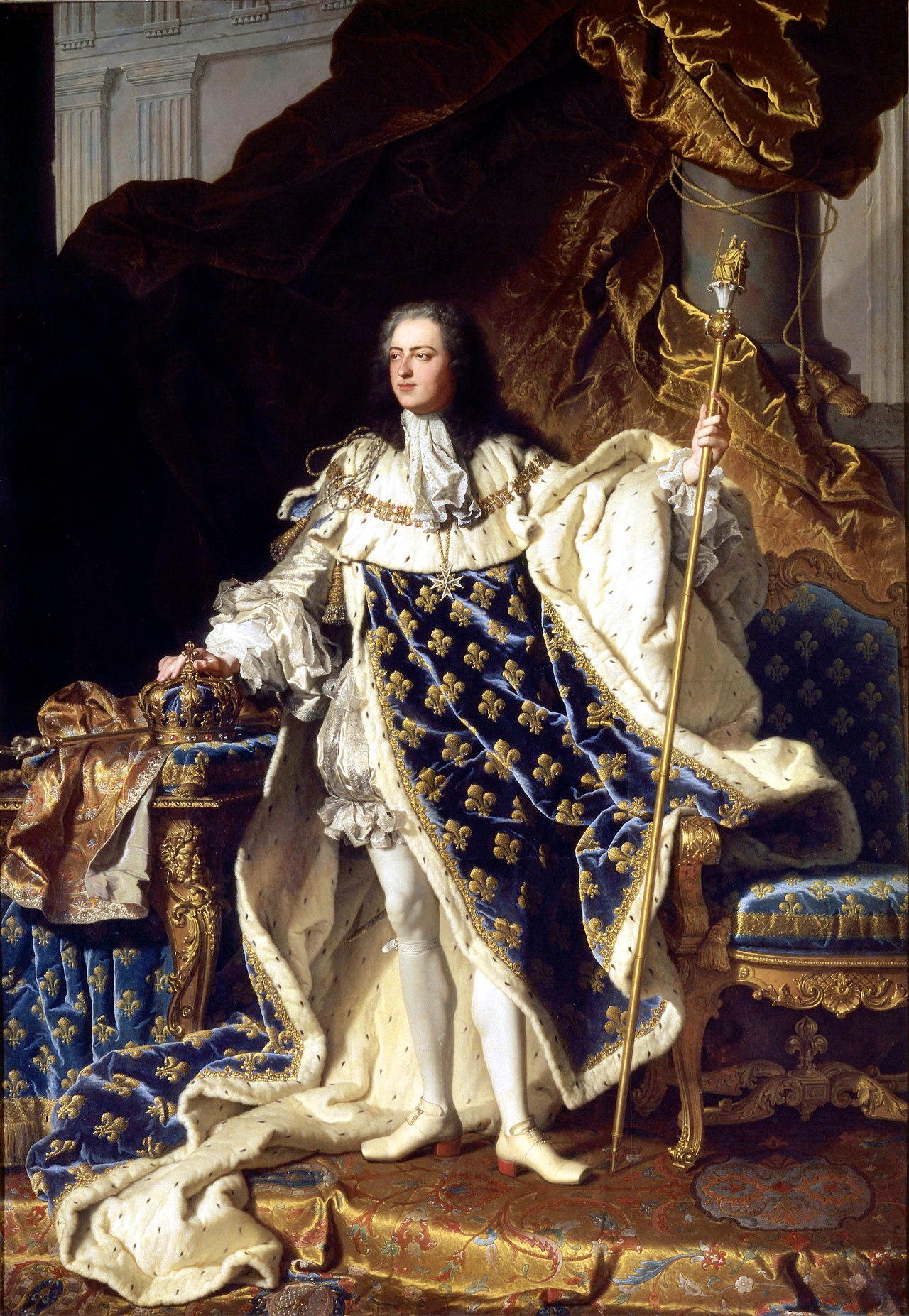
トカイは18世紀以来、「Vinum Regum, Rex Vinorum」(王のワイン、ワインの王)として知られており、[ 11 ]これはフランス国王ルイ14世に由来する称号であると考えられています。1703年、トランシルヴァニア公フランツ・ラーコーツィ2世は、ルイ14世に自身のトカイ領地からトカイワインを贈りました。このトカイワインはヴェルサイユ宮殿で供され、トカイとして知られるようになりました。
フランツ・ヨーゼフ皇帝(ハンガリー国王でもあった)は、ヴィクトリア女王に毎年誕生日にトカイ・アスーワインを贈るという伝統がありました。女王の生涯の月数に1本、1年ごとに12本ずつ贈られました。女王の81歳にして最後の誕生日(1900年)には、なんと972本ものワインが贈られました。
トカイワインは、ベートーベン、リスト、シューベルト、ゲーテ、ハインリヒ・ハイネ、フリードリヒ・フォン・シラー、ブラム・ストーカー、ヨハン・シュトラウス2世、ヴォルテールなど、数多くの偉大な作家や作曲家から賞賛を受けてきました。作曲家ヨーゼフ・ハイドンのお気に入りのワインもトカイでした。ルイ14世以外にも、ヨーロッパの君主の多くがこのワインを愛飲していたことで知られています。ルイ15世とフリードリヒ大王は、ヴォルテールなどの賓客にトカイワインを振る舞い、互いに競い合いました。フランス最後の皇帝ナポレオン3世は、毎年30~40樽のトカイワインをフランス王室に発注しました。1562年のトレント公会議において、教皇ピウス4世(1499年~1565年)は、「最高神学者、トカイワインは素晴らしい!」と称賛しました。 (教皇の食卓に並ぶべきワインです。)スウェーデン国王グスタフ3世はトカイを愛飲し、他のワインを飲んだことは一度もなかったと言われています。ロシアでは、ピョートル大帝やロシア皇后エリザヴェータなどが愛飲していました。1933年のポーランド大統領イグナツィ・モシチツキの結婚式に関する新聞記事には、乾杯の祝杯に250年もののワインが使われたことが記されており、「もしそのワインが良質であったとすれば、それはトカイのエッセンスに他ならない。ポーランドとハンガリーの何世紀にもわたる友好関係は、この結論を裏付けているように思われる」と記されています。[ 12 ]
ルバヴィッチのグランドラビ、シュムエル・シュニールソンは、1878年に「ヴェコチョ」と題された有名な一連の講演を終えたときなど、祝い事の際にはコーシャのトカイワインを飲むことで知られていました。[ 13 ]
トカイの名称の他の用途
トカイワインは古くから有名で、その名前が他のワインにも「採用」されるようになりました。
- 歴史的に、トカイはハンガリー王国のトカイ地方産の白ワインでした。トカイワインは、甘口のデザートワイン「アスー」(貴腐ワイン)として1635年にすでに記録されています。 1880年代のフィロキセラの流行以前は、トカイでは主に白ブドウ品種から様々な種類のワインが栽培されていました。英語とフランス語では「Tokay」 [ 14 ]という綴りが一般的に使用されていました。
- ハンガリーとスロバキアの欧州連合加盟条約、およびそれ以前の1993年の協定に基づき、「トカイ」という名称(他の綴りを含む)は原産地呼称保護の対象となりました。2007年3月以降、フランスとイタリアのワイン生産者は、無関係の2品種から作られたワインに「トカイ」または「トカイ」という名称を使用することが認められなくなりました。
- トカイという名称は、フランスのアルザス地方でピノ・グリというブドウから造られるワイン、典型的にはトカイ・ダルザスと呼ばれるワインに使われるようになりました。1993年の合意後、中間段階としてトカイ・ピノ・グリという名称が採用されましたが、2007年までにトカイの部分の使用は禁止され、使用も禁止されました。多くのアルザスの生産者は、期限の数年前からピノ・グリという名称に切り替えました。
- イタリアでは、「トカイ」という名称は、フリウリ=ヴェネツィア・ジュリア州産のソーヴィニヨン・ヴェールというブドウ品種を指すようになり、 「トカイ・フリウラーノ」という名称で呼ばれています。現在では、単に「フリウラーノ」として知られています。
- スロベニアでは、EUの禁止に従い、ゴリシュカ・ブルダ地方とヴィパヴァ地方のワインがソーヴィニヨンヌと改名された。

- ハンガリーとスロバキアの間では、トカイという名称の使用権をめぐって長年にわたる紛争が続いてきた。両政府間の交渉の結果、2004年6月に合意が締結された。この合意に基づき、スロバキアの5.65平方キロメートルの土地で生産されたワインは、トカイスキー/ア/エのラベルを使用することが認められた。[ 2 ]しかし、多くの実際的な問題が残っている。スロバキアは1990年以来ハンガリーのワイン法に定められた基準を導入することを約束しているが、誰がこれらの法律を監視または執行するかはまだ決まっていない。2012年11月、欧州裁判所は、EUで保護されている原産地呼称および地理的表示の登録簿を含む電子データベース「E-Bacchus」からスロバキアの「Vinohradnícka oblasť Tokaj」を削除するというハンガリーの要請を却下した。ハンガリーは一般裁判所の判決に対して控訴した。2013年2月、EU司法裁判所は、ハンガリーのトカイ地方の名称を含む「Vinohradnícka oblasť Tokaj」(トカイワイン産地)のスロバキアによる登録に関する以前の判決に対するハンガリーの上訴を棄却した。判決の中で裁判所は、スロバキアが欧州データベースE-Bachusに「Vinohradnícka oblasť Tokaj」を登録したことは、訴訟手続きを構成するものではないと述べた。[ 15 ]その結果、現在のEU法の下では、トカイのワイン産地はハンガリーとスロバキアの両方に所在することになる。
- オーストラリアのラザグレンのワイン産地では、ミュスカデル種のブドウから作られるデザートワインが生産されています。このワインは一般的にトカイと呼ばれていますが、ハンガリーのトカイのブドウや製法とはほとんど類似点がありません。2007年の規制変更に伴い、このデザートワインは一部のワイナリーで「トパック」[ 16 ]という名称で販売されていますが、2012年現在もトカイという名称で販売しているワイナリーもあります。
- ウクライナでは「トカイ」というラベルのワインも生産されており、これは主にトランスカルパティア地方で生産されています。このワインは類似の品種[ 17 ]から作られ、同様の500mlボトルに詰められていますが、必ずしも同じ基準を満たしているわけではなく、この問題は現在交渉中です。
大衆文化において

- ゲーテの『ファウスト』では、アウエルバッハの地下室の場面で、メフィストフェレスが他の登場人物にそれぞれ一種類のワインを選ばせ、コルク抜きでテーブルに穴を開けてワインを取り出す。フロッシュはラインワイン、ブランダーはシャンパン、ジーベルは甘口ワインを希望し、メフィストフェレスはジーベルの代わりにトカイワインを選ぶ。
- アレクサンドル・デュマの『王妃の首飾り』 (1849、1850年)の第1章では、リシュリュー元帥の執事が、元帥の客の一人であるハガ伯爵の名で来訪したスウェーデン王に特製のトカイワインを差し出すため、元帥を昼食まで1時間待たせる。
- ヘンリック・イプセンの『野鴨』 (1884年)では、第一幕のパーティーで客たちがトカイワインを飲んでいます。この場面で、主人公のヤルマル・エクダールは高級ワインのヴィンテージの違いについて全く無知であることが明らかになります。[ 18 ]
- アーサー・コナン・ドイル卿の『四つの署名』 (1890年)の第4章で、タデウス・ショルトは、手元にある唯一の飲み物として、ミス・モースタン・キャンティかトカイを勧めています。
- ブラム・ストーカーの『魔人ドラキュラ』(1897年)では、ジョナサン・ハーカーはドラキュラの城に到着した最初の夜、トカイワインを1本提供されます。
- シャーロック・ホームズの別の物語『最後の挨拶』(1917年)では、ドイツのスパイ、フォン・ボルクが仲間に「アルタモント」(変装したホームズ)が「私のトカイに惚れ込んだ」と告げる。その後、ホームズはワトソンにグラスを差し出し、「素晴らしいワインだ、ワトソン。ソファに座っている友人が、シェーンブルン宮殿のフランツ・ヨーゼフの特別なセラーから来たものだと保証してくれた」と言う。[ 19 ]
- インペリアル・トカイは、ヴァージニア・ウルフの 1925 年の小説『ダロウェイ夫人』で紹介されています。
- ピーター・ウィムジー卿の短編小説『味覚の酒場』(1928年)では、「正真正銘の帝国級トカイ」のボトルが重要な役割を担っています。この小説は、味覚によるワインの識別を主題としています。このワインは「甘くて粗野」で、「ひどく過大評価されている」と評されています。
- 1929年に魔術師であり作家でもあるアレイスター・クロウリーによって出版されたオカルト小説『ムーンチャイルド』の第4章には、「本当にインペリアルだったトカイ」を含む数種類の珍しいワインを使った饗宴が登場する。
- H・ワーナー・アレンの短編小説『彗星の年のトカイ』(1930年)では、スパイと失われた条約をめぐる複雑な物語の中で、珍しいトカイが重要な役割を果たしている。
- トカイの芳香を嗅ぐこと、そしてそれを口に含むと心地よい感覚は、1936年に出版された第18代ダンセイニ男爵エドワード・プランケットの小説『ディーン・スパンリーとの談話』において、重要かつユーモラスなプロット装置として用いられています。2008年に映画化された『ディーン・スパンリー』でも、この装置が用いられています。
- ジャック・ケルアックの1952年の詩『鉄道大地の10月』では、ケルアックは操車場で働いていない週末に「紅茶は飲まず、トカイ・ウイスキーを5分の1 」楽しむ様子が描かれています。1957年の小説『路上』では、「黄金の門から流れ込む白い煙が、ロマンチックな街を白く包み込む。そして若い男が恋人の手を取り、ポケットにトカイ・ウイスキーのボトルを忍ばせ、長く白い歩道をゆっくりと登っていく」と記されています。
- テリー・ギリアム監督の映画『バロン・ミュンヒハウゼン』(1988年)では、男爵とスルタンが、男爵が「ウィーンの皇室のワインセラー」からスルタンが差し出したものより上質なトカイワインを入手できるかどうかを賭ける。
- フィリップ・プルマンの小説『ノーザンライツ』(1995年、『黄金の羅針盤』としても知られる)には、第1章「トカイのデキャンタ」で、ジョーダン大学の学長(小説およびテレビシリーズ)あるいは教導権の役人(映画)が、主要登場人物の一人であるアスリエル卿をトカイ(Tokayと綴る)のデキャンタで毒殺しようとする場面がある。トカイはアスリエル卿のお気に入りのワインと言われている。
- アメリカのテレビシリーズ『マッドメン』の第8話「ホーボー・コード」(2007年)で、ドン・ドレイパーはビートニクと口論する。ビートニクが「広告を出してもビロクシで死んだ10人の子供は生き返らない」と言うと、ドンは「トカイワインを買ってグランド・セントラル駅で壁にもたれながら浮浪者のふりをしても生き返らない」と答える。
- ガストン・ルルーの小説『オペラ座の怪人』では、主人公のエリックが、パリのオペラ座の下にある彼の家を初めて訪れたクリスティーヌ・ダーエに、トカイを使った食事を勧める。
- SFロールプレイングゲーム「トラベラー」では、トカイ・エッセンツィア(別名トカイ・エッセンシア)は極上のワインとされ、地球上で生産される全量が星間第三帝国の皇帝専用とされています。アザンティのハイライトニング級巡洋艦で起きた有名な事件の一つに、皇帝のワイン積荷を盗もうとする試みがあります。
参照
参考文献
- ^ "Tokay" . Encyclopædia Britannica . Encyclopædia Britannica, Inc. 2008. 2008年8月16日閲覧。
- ^ a b c "A névért perelnék az uniót a tokaji gazdák" . Népszabadság (ハンガリー語)。 2008-08-02 。2008 年 9 月 21 日に取得。
- ^ 「TOKAJI.com .::. トカイの種類」 www.tokaji.com . 2017年6月2日閲覧。
- ^ Vrontis, Demetris; Thrassou, Alkis (2011). 「コマンダリアのルネッサンス:戦略的ブランディングの規範的分析」(PDF) . ニコシア大学ビジネススクール. academia.edu/ . J. Global Business Advancement, Vol. 4, No. 4. pp. 302– 316. 2016年3月4日時点のオリジナル(PDF)からアーカイブ。 2022年2月16日閲覧。
- ^「ハンガリーのトカイ近郊で生産される、トパーズ色の濃厚で甘く、程よい強さのワイン。また、他の地域で生産される類似のワイン。」ウェブスター新国際英語辞典(マサチューセッツ州スプリングフィールド:G.&C. Merriam、1913年)。「トカイ」の項を参照。2166ページ。
- ^ a bリシーヌ、アレクシス (1987).アレクシス・リシーヌのワイン&スピリッツ新百科事典(第5版). ニューヨーク: アルフレッド・A・クノップフ. pp. 497– 499.
- ^ 「Sweet Wines 101 - Wine Basics - Learn Wine - Wine Spectator」 。 2017年6月2日閲覧。
- ^ Chambers's Encyclopaedia, Volume 13 . Oxford University Press. 1950. p. 667.
このワインは、発酵を抑制するためのブランデーを加えなくてもその甘味を保つだけでなく、他の非強化ワインよりもはるかに長い年月をかけて熟成が進みます。ただし、これはトカイ(Tokaj)の最高級ワインであるトカイ・エッセンシアにのみ当てはまります。1918年以前は、最高級のトカイ・エッセンシアは販売されることはなく、ハプスブルク家の皇室のワイン貯蔵庫でのみ保管されていました。そのため、インペリアル・トカイと呼ばれています。次に優れたワインはトカイ・アズーで、トカイ・アウスブルッフやトカイ・サモロドナーとも呼ばれます。
- ^ 「Imperial Tokay--Mid-Eighteenth Century」クリスティーズ2008年12月11日. 2017年12月31日閲覧。
- ^ “VITICULTURĂ ROMÂNEASCĂ: Grasă de Cotnari, soiul adus de Řtefan cel Mare (1457-1504) din Transilvania – AGERPRES” . 2017 年 12 月 31 日のオリジナルからアーカイブ。2017 年6 月 2 日に取得。
- ^ボリ・イシュトヴァーン編 (2012). 『ハンガリー人になるためのエッセンシャルガイド:国民性に関する50の事実と側面』ステアフォース・プレス. ISBN 9780982578162。
- ^ 「トカイワイン産地」。ブラニオと彼のチームと共にスロバキアを巡る。2017年6月2日閲覧。
- ^ルバビッチ派レベ・シュリトの日記[レシマス・ハヨマン358ページ、ヘムシェク5666747ページ]。
- ^ 「アルザス・トカイ・ピノ・グリ・ワイン」 www.terroir-france.com 2017年6月2日閲覧。
- ^ 「欧州委員会 - プレスリリース - プレスリリース - 欧州司法裁判所は、スロバキアのワイン名『Vinohradnícka oblasť Tokaj』がE-Bacchusの原産地呼称保護登録簿に掲載されることは、訴訟可能な措置には当たらないと宣言する」 europa.eu 。2017年6月2日閲覧。
- ^ 「ラザグレン:トパックとは何か?」2017年6月2日閲覧。
- ^ “トカイ ワイン トランスカルパチア ウクライナ - Sök på Google” . www.google.se 。2017 年6 月 2 日に取得。
- ^プロジェクト・グーテンベルク電子書籍: https://gutenberg.org/cache/epub/13041/pg13041.html#id00167 . 2021年9月10日にアクセス。
- ^アーサー・コナン・ドイル「最後の挨拶」。プロジェクト・グーテンベルク電子書籍: http://www.gutenberg.org/files/2350/2350-h/2350-h.htm。2016年2月1日アクセス。
さらに読む
- ランバート・ゴクス、マイルズ著『トカイワイン:名声、運命、伝統』ボード・アンド・ベンチ・パブリッシング、2010年、ISBN 978-1934259498
- アルコニー、ラズロ。トカイ - 自由のワイン、ブダペスト、2000
- グロスマン、ハロルド・J. & レンベック、ハリエット著『グロスマンのワイン、ビール、スピリッツガイド(第6版)』チャールズ・スクリブナー・サンズ・カンパニー、ニューヨーク、1977年、172-174ページ。ISBN 0-684-15033-6
- テラ・ベネディクタ - トカイとその先(ガボール・ロハーリー、ガブリエラ・メサロス、アンドラーシュ・ナジマロシー、ブダペスト 2003)
- 「トカイ地方の伝統と革新」(PDF)。 (328 KB)ティム・アトキン、MW. masters-of-wine.org
- 「スロバキア、ワインの国」(PDF)。 (328 KB)スロバキアブドウ・ワイン生産者連合。pp. 21–23. www.slovakia.travel
外部リンク
 ウィキメディア・コモンズのトカイワイン関連メディア


